




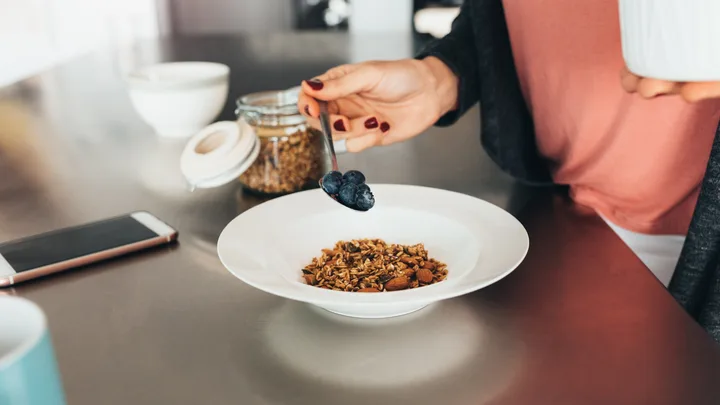
After decades of low-carb fads and confusing diet advice, many of us are still wary of carbohydrates. However, far from being something to fear or avoid, they play an incredibly vital role. Carbohydrates fuel our bodies, nourish our gut health and support our hormonal health through life’s many changes. So why are we still cutting them out?
“We’ve got this idea that calories are bad but energy is good,” says Dr Emma Beckett, a molecular nutritionist and senior lecturer at the University of Newcastle. “But calories are where we get our energy, and carbs are one of the most accessible sources of that energy.”
Why we need carbs
One of the most common midlife complaints? Fatigue. Whether it’s juggling work, caring for family or adjusting to the symptoms of perimenopause, many women say they don’t have the energy they used to. But the solution might be simpler than we think.
“When people start quitting carbs, they often feel lethargic,” explains Dr Beckett. “And when you don’t have enough energy, it’s harder to do things like exercise or take care of yourself.”
Not all carbohydrates are created equal, of course. Highly processed varieties – such as sugary snacks or white bread – can lead to quick energy spikes followed by crashes. However, complex carbs, such as wholegrains, legumes, and vegetables, provide long-lasting energy that supports us throughout the day.
An unlikely gut health hero
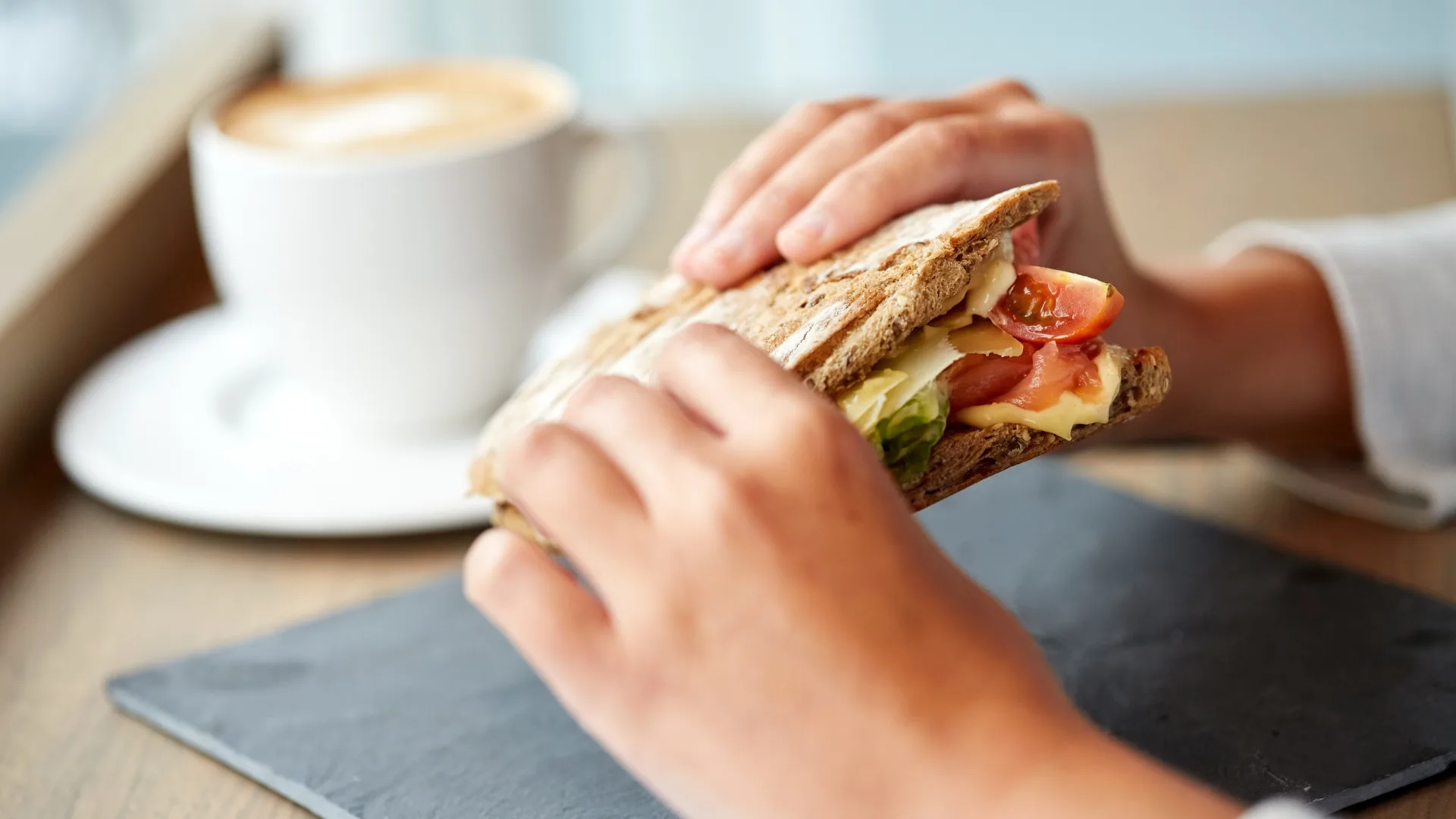
Beyond energy, carbohydrates are crucial for gut health – something increasingly recognised as a foundation of overall wellbeing.
“We do not digest our fibres, our gut bacteria digest them,” says Dr Beckett. “And we see so many benefits from that, including better weight maintenance and improved mental health.”
These non-digestible carbohydrates – found in foods like oats, legumes, fruits and wholegrain cereals – are what keep our gut microbiome healthy. And that’s particularly important as we age, with research linking good gut health to immunity, mood and brain function.
When we cut carbs from our diets, Dr Beckett explains, we often end up removing many plant foods too – foods that contain important compounds called bioactives.
“These aren’t essential nutrients like vitamins or minerals, but they do have positive effects on our health,” she says. “By quitting carbs, we may be quitting all sorts of benefits we didn’t even realise we were getting.”
A helping hand for your hormones
As we move through perimenopause and into menopause, hormonal shifts can affect everything from sleep and mood to weight and metabolism. And while it’s tempting to try to ‘fix’ these changes by controlling your food intake, going too low-carb can backfire.
“If we’re not fuelling our bodies properly, low energy might be wrongly blamed on hormones,” says Dr Beckett. “Carbohydrates provide the energy we need to make hormones and support the body’s essential functions.”
While protein and healthy fats are essential building blocks, she explains, they also need energy to do their jobs effectively. If you’re not getting that energy from carbs, your body may start breaking down other important structures, like muscle.
“We aren’t combustion engines. We aren’t cars that run on a single fuel source. We are complex humans with lots of different needs.”

Your day on a plate
What does a balanced, carb-inclusive diet look like? The Australian Guide to Healthy Eating suggests five to six serves of grain-based foods a day for most adults, preferably wholegrain.
“The key is including a quality carbohydrate source with each main meal – like toast with avocado and eggs for breakfast, or brown rice with a veggie-packed stir-fry.”
And while wholegrains are ideal, there is no need to avoid white rice, pasta or bread altogether – especially if they are helping you to eat a balanced meal.
“Don’t be ashamed of refined carbs if they’re part of a healthy, satisfying plate,” Dr Beckett adds.
Smarter carbs to eat every day
Including complex carbohydrates high in fibre and nutrients is easy with these simple choices.
- Wholegrain bread. Choose seeded or rye varieties with visible grains for fibre and flavour.
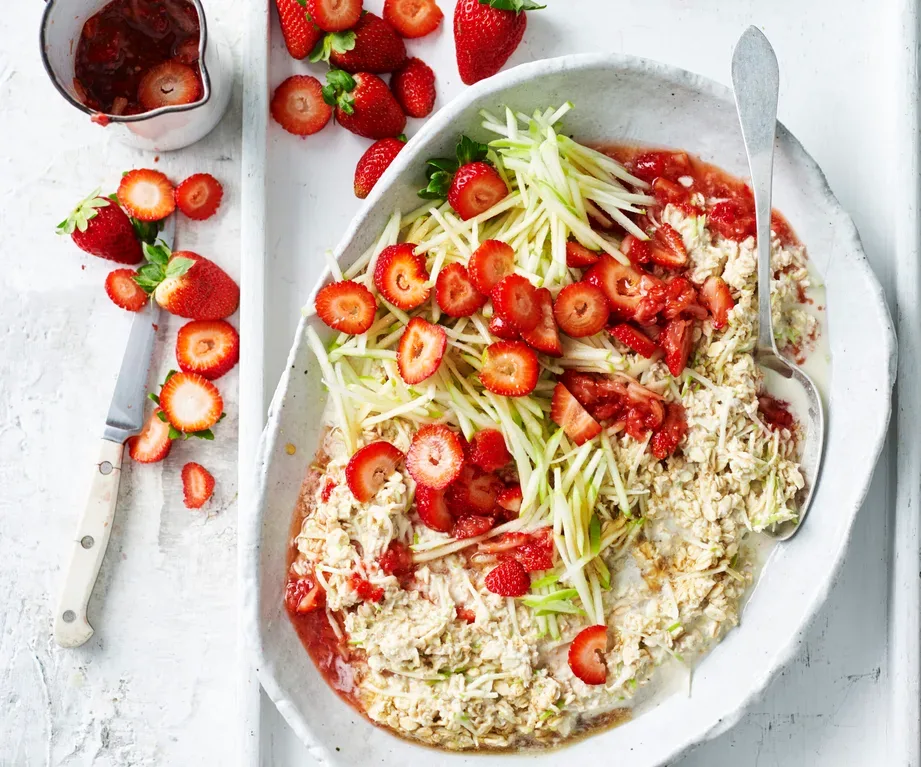
- Oats. Packed with heart-healthy fibre, oats make a satisfying start to the day.
- Brown rice and ancient grains. Try quinoa, barley or freekeh for a hearty side dish or salad base.
- Sweet potato. Naturally sweet and full of fibre, vitamin A and antioxidants.
- Legumes. Lentils, chickpeas and beans are an affordable, protein-packed option.
- Wholemeal pasta. Adds fibre and fullness – great with a tomato and vegetable sauce.
- Fruit. Fresh or frozen, fruit provides natural sweetness and essential nutrients.
Three carbohydrate myths debunked
Eating carbs causes weight gain. It’s a long-held belief – but that’s a simplification, says Dr Beckett. “Any excess calories – whether they come from carbs, protein or fat – can lead to weight gain,” she explains.
Cutting carbs is the best way to lose weight. In fact, it can often lead to overeating later. “When people cut out foods like pasta or bread, it can lead to a sense of deprivation,” Dr Beckett says. “And that’s not a sustainable way to live.”
“Low-carb” snacks are healthier. Dr Beckett warns that “low-carb” options are often less satisfying than enjoying foods we truly like in moderation. “If you want a treat, have the real thing, just have it less often.”

