





When Sladjana Cukanic went to the doctor with a urinary tract infection in late 2025, she wasn’t expecting the appointment to uncover a much bigger health issue.
Tests revealed the 55-year-old had type 2 diabetes.
“It was a wake-up call for me,” Sladjana tells The Weekly. “I didn’t know much about type 2 diabetes. I knew it was serious, but I did not understand the full picture.”
Her doctor discussed medication to manage her blood glucose and slightly elevated cholesterol. But Sladjana, who works a stressful and largely sedentary management role, wanted to see what changes she could make first.
“I didn’t want my first response to be, ‘Oh, that’s it. I’m a diabetic forever and will just take tablets and insulin for the rest of my life,’” she recalls. “I wanted to understand the cause and see if there was anything I could change in my life.”
A different way of eating
After a friend recommended the doctor- and dietitian-led Defeat Diabetes online program, Sladjana began learning how changes to her diet and lifestyle could help her manage the condition.
The program recommends a low-carbohydrate approach, which was a big shift for Sladjana. With a Serbian background, Sladjana grew up eating a traditional Balkan diet.
“I would say 70 per cent of what I ate was carb-based. Bread, rice, potatoes, sweet snacks. Everything.”
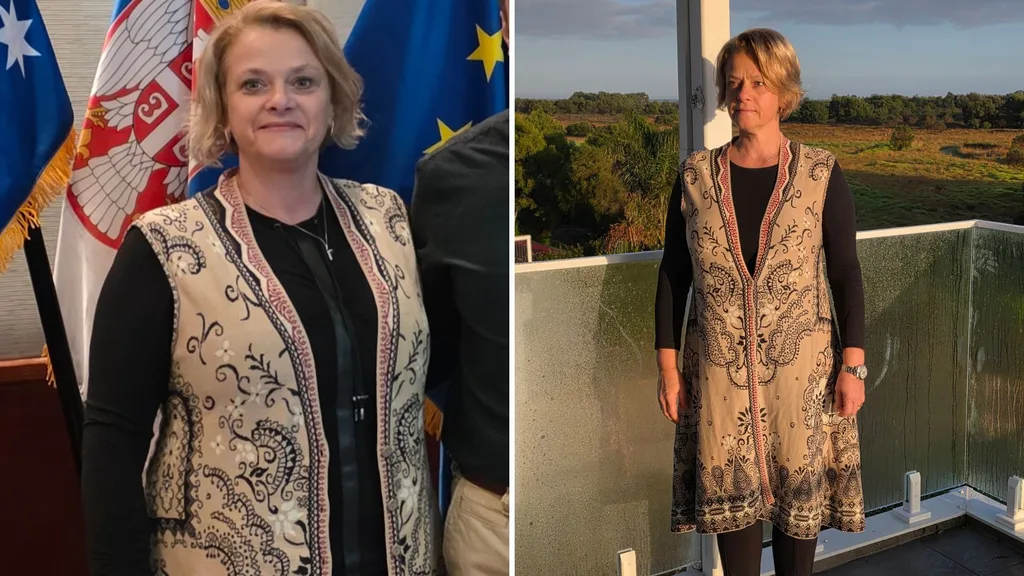
She started building meals around protein, vegetables and healthy fats. Lunch was now eggs, fish or meat with salad, while dinner might be steak and vegetables. At 3pm, she snacked on nuts or cheese instead of her usual chocolate.
“I used to have two pieces of bread for lunch and three pieces of bread for dinner. Now I have a piece of sourdough as a treat once or twice a week, but not four or six pieces of bread every day like before.”
The change wasn’t easy. “Carbs were everywhere, and they are still everywhere,” she explains. “It’s part of comfort eating, family meals, celebrations. It’s not just the diet change. You need to do a mindset change.”
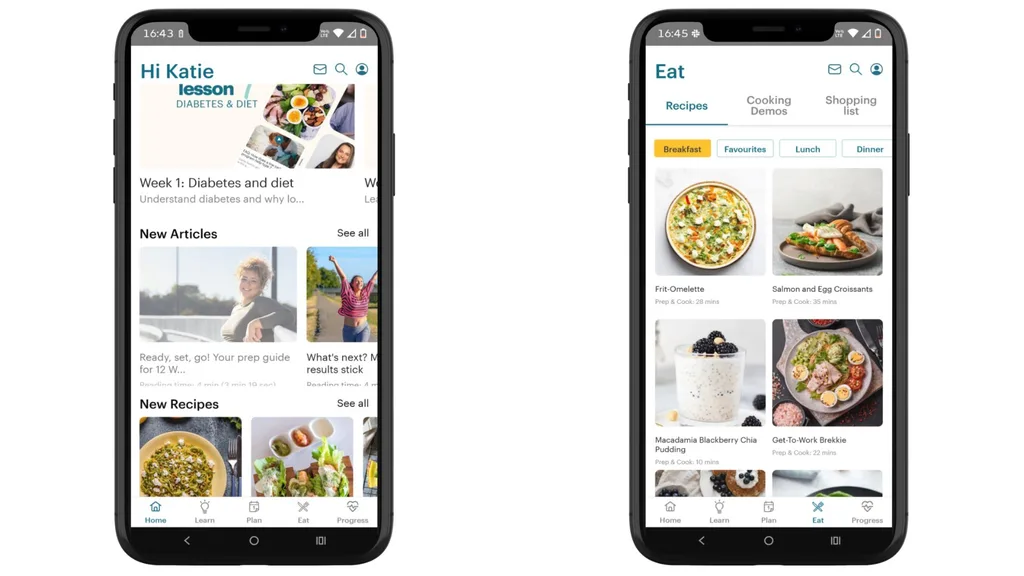
Sladjana started planning and preparing meals using recipes from the app. She still ate out, but changed the way she ordered.


“When I go to a restaurant, I might order steak and salad and ask them not to bring the chips. If they’re there, of course I’m going to be tempted.”
Seeing the numbers change
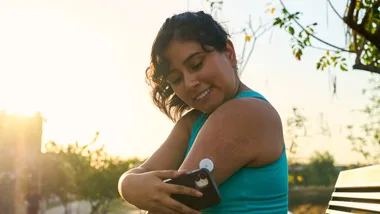
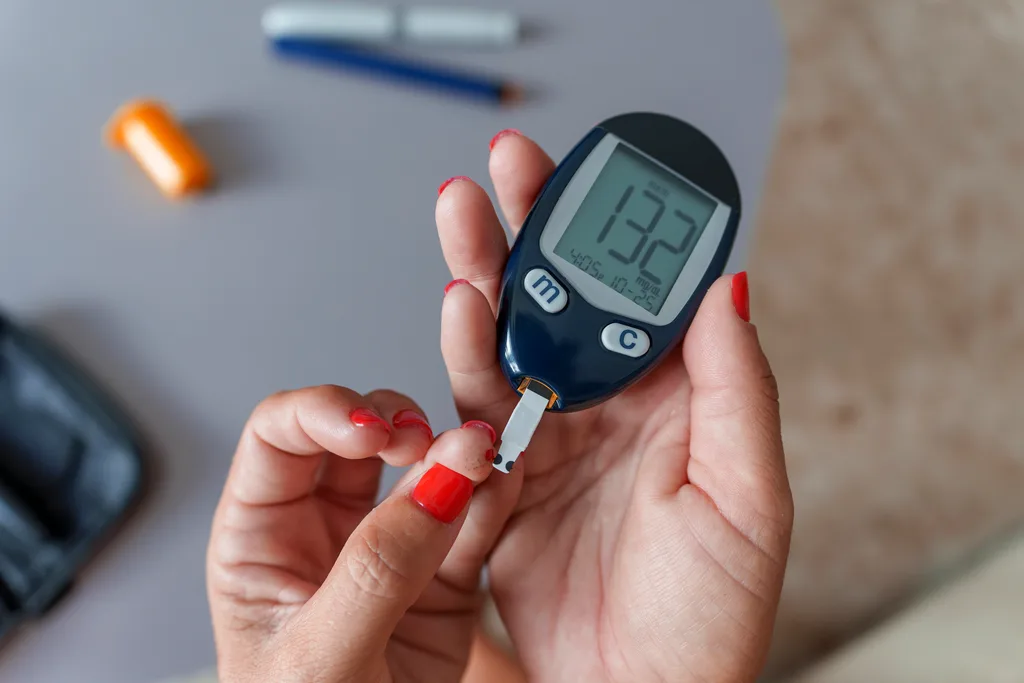
There were moments when Sladjana wondered whether she could keep it up. But monitoring her glucose helped her see how different foods affected her body – and see that the changes were working.
“It was no longer just the theory that I was learning. I could see the effects of it on myself.”
Four months later, follow-up tests showed her blood glucose had returned to the normal range.
“It was just an incredible feeling, really,” she recalls. “It was a relief, pride, and also maybe a bit of disbelief as well.”
Sladjana also lost around 10kg and 10 centimetres from her waist.
“I’ve got a lot more energy than I’ve had in years,” she says. “I felt like I had control.”



She has now been following the program for seven months and is waiting until the 12-month mark to see if her blood glucose stays in the normal range.
“I stopped thinking of diabetes as something that was just happening to me. I started seeing it as something I could actively manage.”
A 12-month La Trobe University study of the Defeat Diabetes program found 78 per cent of participants improved their blood glucose levels, while 42 per cent brought their HbA1c below the diagnostic threshold for diabetes. Participants also lost an average of 5kg, and 18 per cent achieved remission without glucose-lowering medication.
What is type 2 diabetes?
Around 1.3 million Australians are living with type 2 diabetes, according to Diabetes Australia. An estimated 500,000 more may have diabetes without knowing it.
GP Dr Justine Birchall, who referred three patients to the study and now uses the program as a resource in her practice, explains that type 2 diabetes develops when the body becomes resistant to insulin, meaning it doesn’t use insulin effectively. Over time, the pancreas can’t keep up with the body’s demand for insulin, and blood glucose levels rise.
Persistently high blood glucose can lead to serious complications.
“It causes damage to big blood vessels, and that’s where you hear about diabetics having a greater risk of stroke and heart attack,” Dr Birchall says.
“It also causes enormous damage to tiny blood vessels in the back of the eye, in the kidneys and to the nerves, and that’s where you hear about blindness with diabetes, kidney failure and numb feet.”
The symptoms you might miss
“Early on, there may be no symptoms,” Dr Birchall explains. “Later on, when their blood sugars are higher, they may be starting to get up to wee overnight, developing bladder infections or skin infections. Their vision may get a bit blurry.”
That’s why it’s important not to wait for symptoms before speaking to your doctor. The risk of type 2 diabetes increases with age and family history, as well as carrying excess weight around the waist, having high blood pressure and doing lower levels of physical activity.
Women who have had gestational diabetes or have polyendocrine metabolic ovarian syndrome – the condition formerly known as PCOS – may also be at higher risk.
Anyone concerned about their risk can ask their GP whether they need a blood glucose or HbA1c test.
“The earlier the better,” Dr Birchall stresses.
What “reversal” really means
While “reversal” is commonly used, Dr Birchall says remission is the medically preferred term.
Remission means a person’s HbA1c has stayed below the diabetes threshold for at least three months without glucose-lowering medication. It doesn’t mean the condition has been cured, and blood glucose can rise again, so regular health checks are still important.
“Patients who have had diabetes for a long time may be less likely to achieve remission or reversal without medications,” Dr Birchall notes.
“There are many ways that we can look at the diabetes improving,” she adds. People can improve their blood glucose levels, reduce the amount of medication they need and lower their risk of complications.
More than one way to manage it
Treatment will look different for everyone and may include changes to diet, physical activity, medication and regular check-ups with a GP.
“By no means do I think medication shouldn’t happen,” Dr Birchall says. “There are lots of studies that show some of the medications we use in diabetics have a significant impact on heart disease risk and kidney disease risk.”
The right approach will depend on a person’s blood glucose levels, how long they have had diabetes and any other health conditions. Nutrition, medication and exercise can all work together to help manage the condition.
“The muscles are a big sink for glucose,” Dr Birchall notes, adding that strength or resistance exercise helps.
“If you go for a 10-minute walk, do some sit-to-stands from your chair or use some light weights, you’ll actually take that glucose out of the blood and limit the insulin rise.”
Dietary changes do not have to happen all at once, either. Dr Birchall says some patients make significant changes quickly, while others adjust their diet over a longer period.
If you’ve just been diagnosed, Sladjana’s advice is clear.
“Don’t panic. Don’t ignore it either,” she says. “It’s very serious. Educate yourself. Monitor your glucose. Learn how the different foods affect your body. Speak to your doctor, but also ask questions and look for all the options.”
Always speak to your GP or diabetes healthcare team before making changes to your diet, exercise or medication.

