


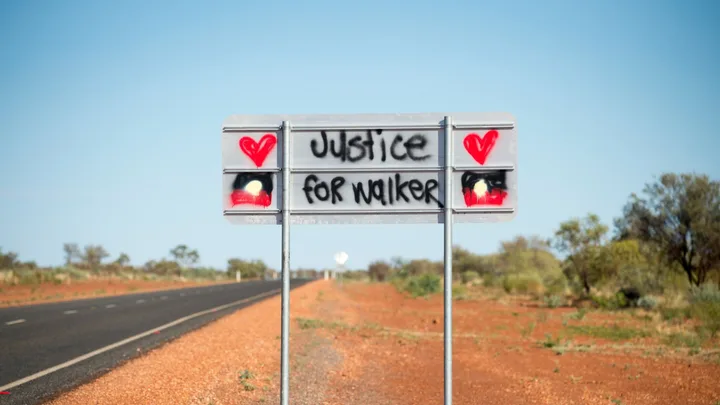
At a glance…
- Aboriginal and Torres Strait Islander readers are advised that this article contains the name and image of an Indigenous person who has died, used with the permission of their family.
- Content warning: The article discusses issues which may be triggering for some readers. Help is available.
- When 19-year-old Kumanjayi Walker was killed by police in the remote NT town of Yuendumu, his young cousin Samara Nangala Fernandez Brown was thrown into the spotlight.
- For seven years, she has battled for justice for her cousin and other young people like Kumanjayi all over Australia.
- Their story is being told in 2.6 Seconds: Death in the Outback on SBS/NITV from 10 November 2026.
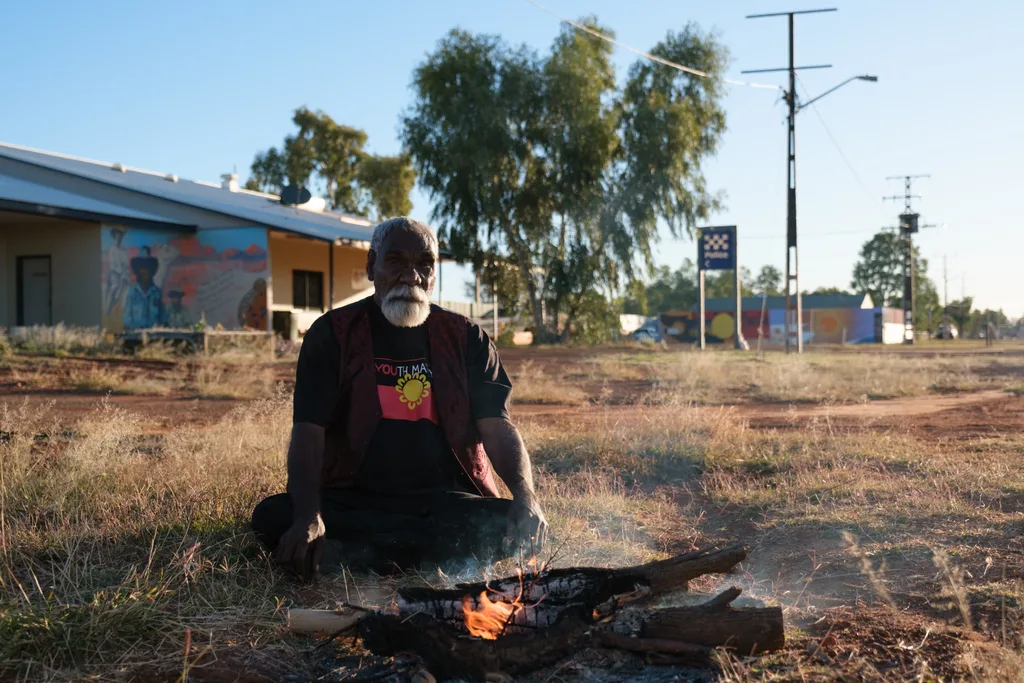
It was a warm spring night in Yuendumu, a remote Aboriginal community about three hours northwest of Mparntwe/Alice Springs along the Tanami Road. A dry wind blew through the spinifex. Feet padded across red dirt as hungry kids ran home for dinner. There were a lot of people in town, but the atmosphere was subdued. It was a time of Sorry Business; a Warlpiri leader had been buried earlier that day, November 9, 2019.
Twenty-one-year-old Samara Nangala Fernandez Brown had come home from Adelaide, where she was studying, to pay her respects at her grandfather’s funeral. She’d seen her cousin Kumanjayi Walker, two years her junior, around town, but she hadn’t had a chance for a proper chat with him.
Kumanjayi felt deeply connected to family, and his Walpiri and Luritja communities, Samara tells The Weekly. “He had [felt] a really big need to come to our grandfather’s funeral to show respect, to be a part of community and to fulfil his cultural obligations. He took those things seriously,” she says.
Samara had fond childhood memories of spending time with Kumanjayi – “watching cartoons together, laughing, joking, being kids” – and she hoped they’d catch up.
That was not to be. Samara would not see her cousin again.
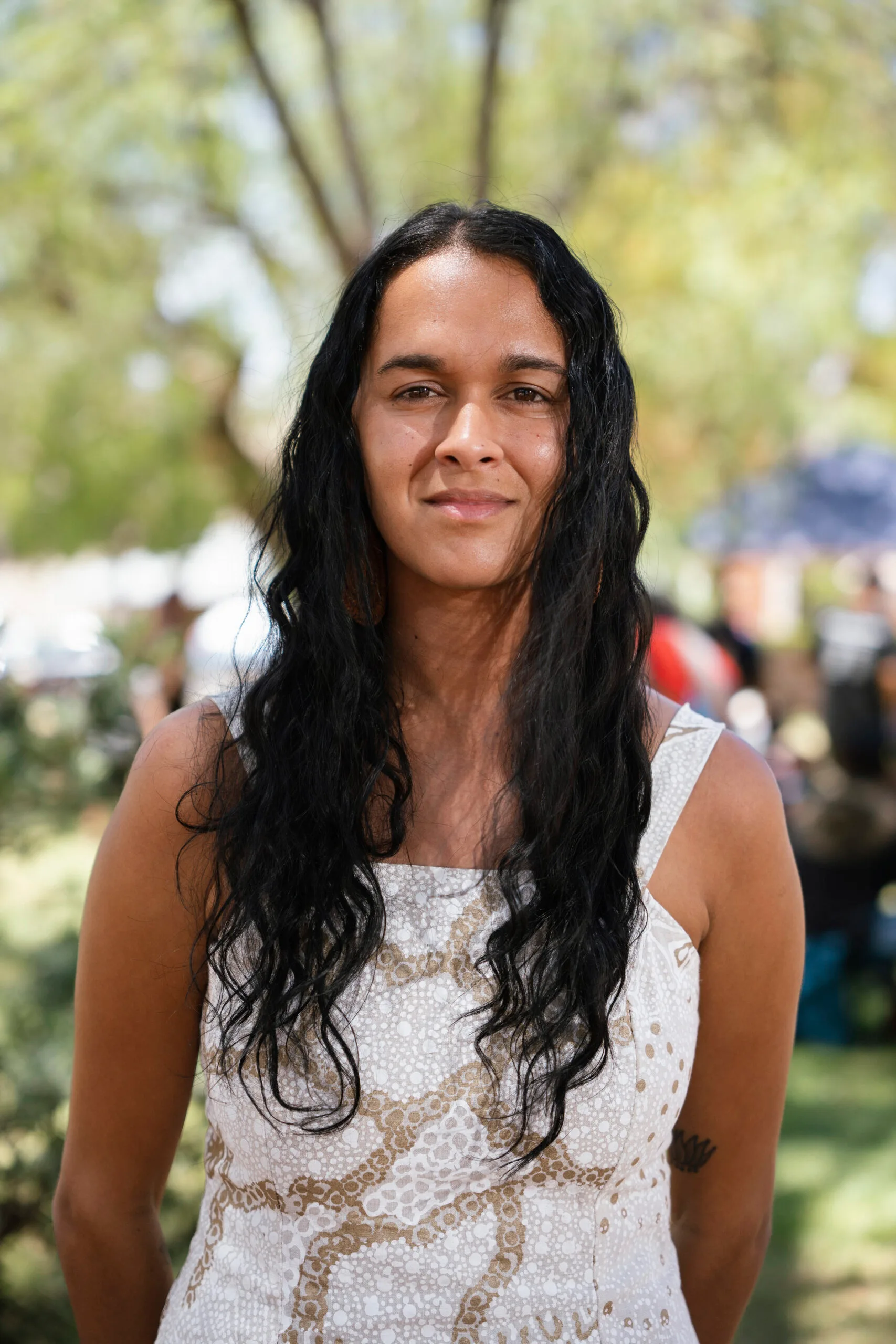
Nine months earlier, Kumanjayi had been released from a residential alcohol rehabilitation program in Alice Springs, and he was still living with strict bail conditions. En route to the funeral, he had removed an electronic ankle monitor. In doing so, Kumanjayi had breached his bail conditions. An arrest warrant had been issued four days earlier.
This was one problem too many for the Yuendumu police. It had been a trying few days for them. There had been a series of break-ins, some at the nurses’ quarters, and as a result, on the day of the funeral, all the nurses were withdrawn from town, and the medical centre was shuttered. The police were under-resourced and exhausted – officers had been pulling all-nighters – and now they had a young runaway on their hands.
Kumanjayi had almost been apprehended three days earlier by local police, but with his long, swift legs, he’d outrun them. He’d been carrying a small tomahawk, but the officers said that at no time did they feel threatened. “He had plenty of opportunity to assault us, and he didn’t,” Senior Constable Christopher Hand later said in court.
Police officers came to an agreement with Kumanjayi’s family that he would turn himself in after the funeral.
However, Sergeant Julie Frost, officer-in-charge of Yuendumu police station, had called for additional support from Alice Springs. On the afternoon of the ninth, she was sent five members of the Immediate Response Team (IRT), a part-time group tasked with high-risk arrests. An inquest into what transpired that night heard that the IRT officers had little experience of remote policing and were heavily armed. One of them was Constable Zachary Rolfe, a former soldier in the Australian Defence Force.
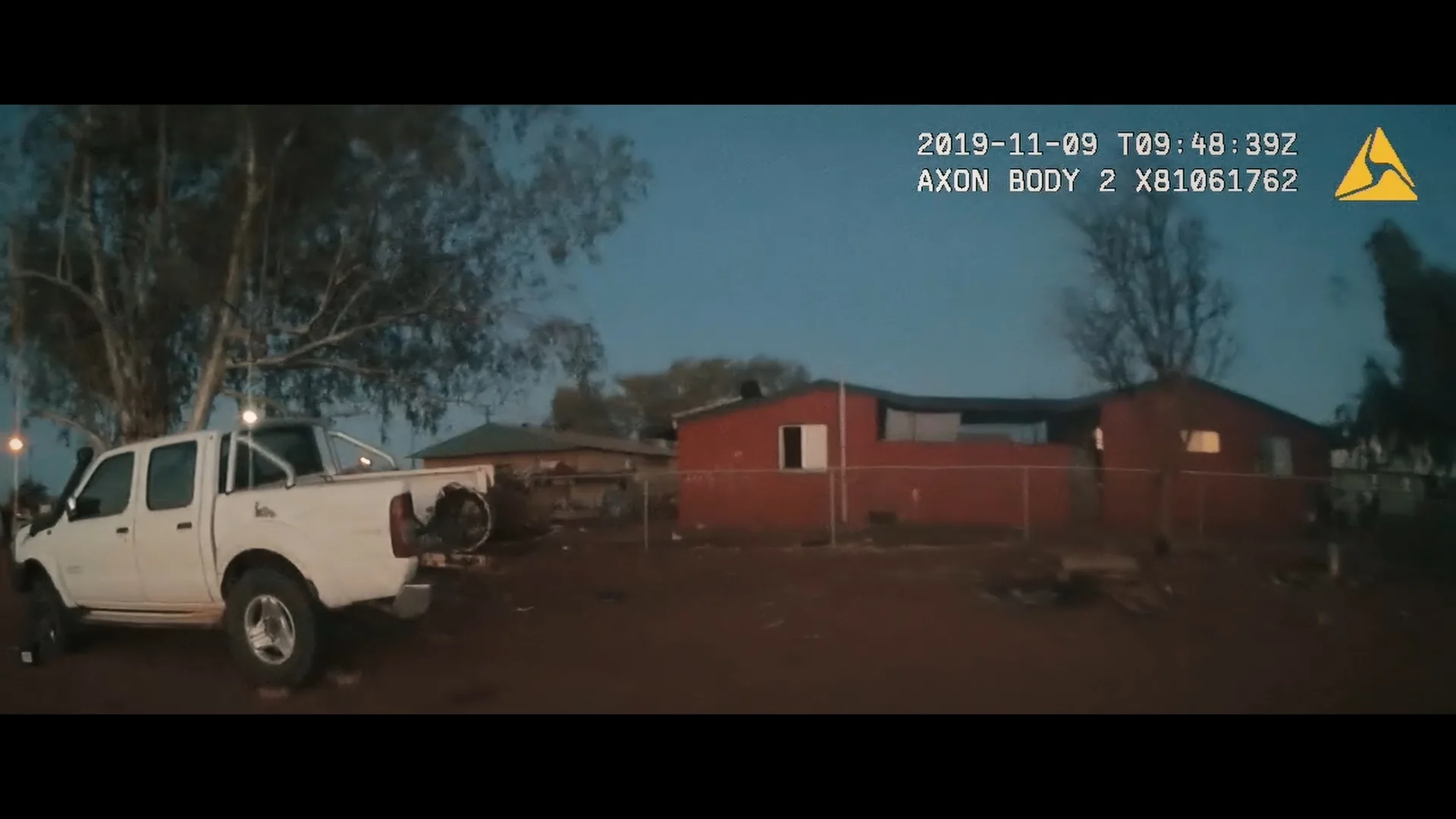
Police bodycam footage, which will be aired publicly in a new SBS/NITV documentary series, 2.6 Seconds: Death in the Outback, shows that later that night, IRT members entered a home in the community without the owner’s consent. There, Kumanjayi was shot three times at close range by Rolfe. He was taken to the police station, but with no medical support available, he died within hours from those wounds.
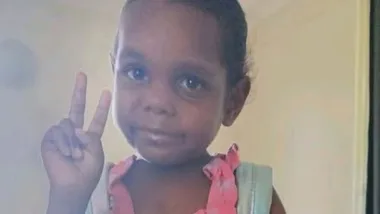
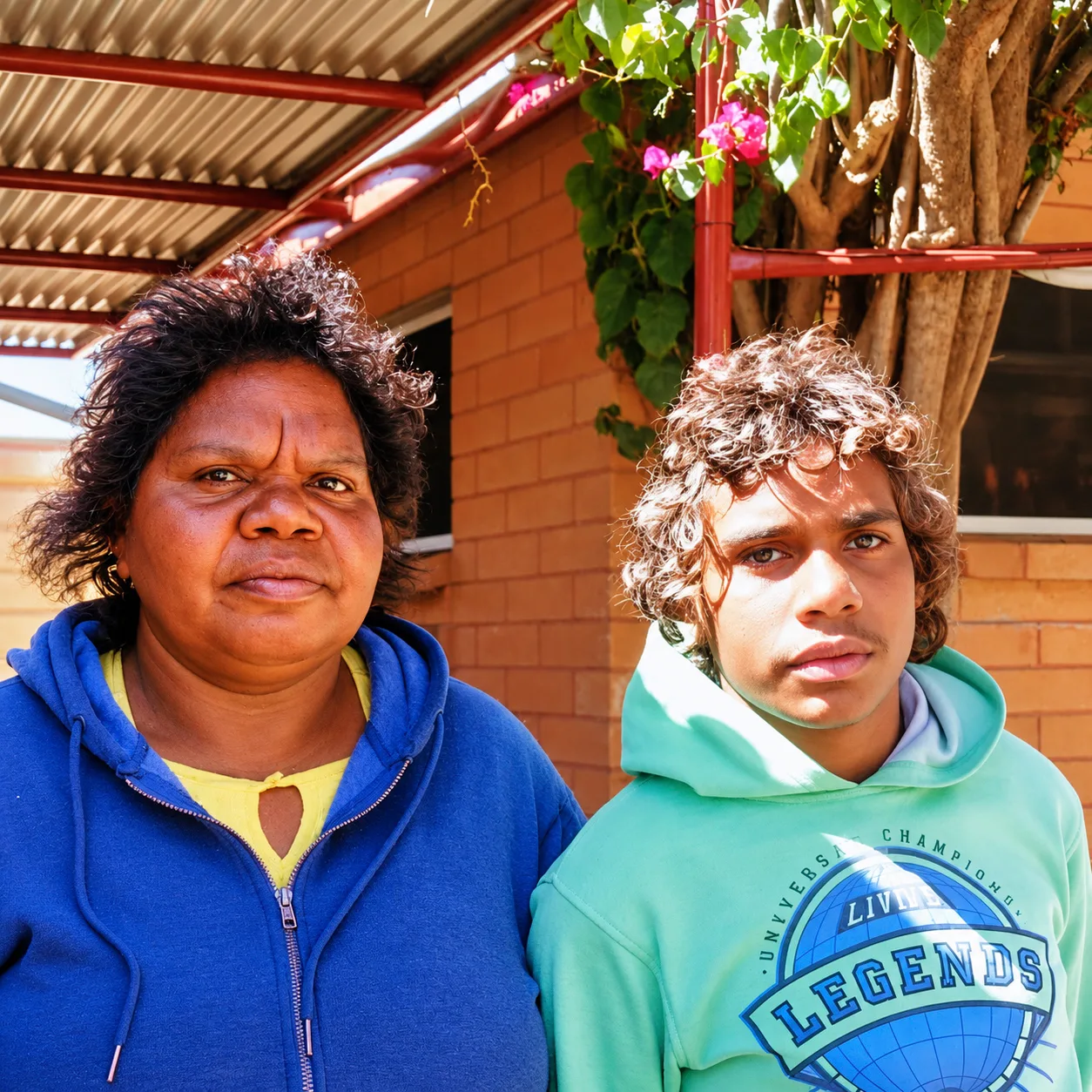
Watching the bodycam footage, which follows Kumanjayi from his grandmother’s home to the police station, was, Samara says, immensely confronting. The police attempt to resuscitate her cousin, but he dies alone while his family wait outside, pleading with officers to be allowed to see him.
“It was just so gut-wrenching and difficult,” she tells The Weekly, “and some of the family have refused to watch it, which I completely understand. Every time I watch it, it breaks my heart. But we knew that, in order to tell the story, you had to see all of what happened to Kumanjayi. And from the start, my family and community have been pushing for truth and honesty and transparency.”
That is why Samara’s family agreed to cooperate with director Darren Dale and Blackfella Films, which has produced the four-part documentary series.
“Deciding to be involved wasn’t difficult,” Samara says. “We knew that the story needed to be told – not only for ourselves and Kumanjayi and our family and community but for other families like us to be seen through our story.
“Hopefully, it will open up a conversation about deaths in custody, [and] we’ll be able to have a dialogue about how to make Australia, and our communities, safe.”
Growing up, Samara divided her time between Yuendumu and Adelaide. “My grandmother is based in South Australia,” she says. “My mum and grandmother wanted me and my siblings to get a good education, so we went to school in Adelaide. But my mum has always lived in community, so we go back and forth often.”
Samara is a proud Warlpiri woman and “Yuendumu is home to us,” she says. She remembers travelling north during school holidays and “seeing that visible difference in terrain from South Australia to the Northern Territory”.
“Going back home, you’re seeing the red dirt, feeling the heat; you’re surrounded by family, by community. There’s a deep sense of belonging, a deep sense of kinship … And for us, growing up, it was a special opportunity to hear Warlpiri being spoken around us. I think language is such an important thing to us as Warlpiri.”
Samara saw a lot of Kumanjayi when they were young. “He was really funny and engaged, easy to get along with,” she recalls. “My cousins who are closer in age to him talk about his sense of kindness and loyalty and reliability as well. As he got older, we didn’t spend as much time together, but I always have beautiful, fond memories of the times that he’d come and visit us in South Australia.”
When people who knew him well speak about Kumanjayi, Samara says, they often mention his affinity with animals. “How calm and beautiful he was with them. He seemed to have a natural gravitation towards animals.
“He loved his dog [named Red Dog] and spending lots of time with him, training him and taking him everywhere he went. He was the same about horses and ducks and whatever animals were around. He probably felt understood by animals. It’s not about language; it’s your essence. Animals felt safe around him and vice versa.
“My grandfather also talks about how happy he was on Country. He probably felt calmest when he was in community and out on Country, on his ancestral homelands.”
However, as Kumanjayi grew older, that became a more difficult life to maintain. He struggled at school. In retrospect, there has been a lot of speculation as to why, but at the time, there was little support.
At the inquest into his death, the coroner heard that Kumanjayi may have experienced fetal alcohol syndrome disorder and learning disabilities. Dr Kerri-Anne Chilvers, a therapist who worked with the teenager, assessed his emotional age, at that time, as somewhere between six and nine.
Samara believes he needed earlier assessments that could have helped him feel understood, bridged barriers he was facing and supported his development. “There were a lot of different systems that failed him,” she says.
One way or another, Kumanjayi began getting into trouble. Samara believes he became something of a scapegoat, hauled in for petty crimes he had often not committed.
Starting in his early teens, he spent stretches of time in custody in the notorious Don Dale Juvenile Detention Centre in Darwin. In 2017, a royal commission found the facility had failed to meet basic human rights standards under both international and Australian law.
During the time Kumanjayi was there, children were being restrained, kept in solitary confinement, tear-gassed, strip-searched and forced to wear spit hoods. Kumanjayi’s crimes were largely minor property offences and breaches of bail or court orders. Not the type of crimes for which anyone – let alone a child – should be subjected to such cruelty.
The inquest into Kumanjayi’s death heard that the impact of this treatment could be devastating for children who were emotionally vulnerable. The joint state-federal inquiry found that Don Dale put “young people’s health, safety and wellbeing at serious risk”.
Within days of Kumanjayi’s death, Zachary Rolfe was charged with murder. He denied the charges and pleaded not guilty when the case was heard in Darwin’s Supreme Court in February 2022.
Much of Kumanjayi’s family and community, including Samara, travelled to Darwin for the trial. But looking across the courtroom, they could not see a single Aboriginal or Torres Strait Islander person among the jury.
“We certainly, as a family and community, didn’t feel represented in that pool of jurors,” Samara says in a voice that seems filled more with grief than with anger. And the family’s frustrations didn’t end there.
2.6 Seconds describes a chain of disappointments during Rolfe’s criminal trial. The defendant was permitted to sit not in the dock, but with his family in the gallery of the court. This was reported as a COVID protocol, but in the documentary, a number of lawyers insist that, in all their years of practice, they have never seen such a thing, and there was criticism that it gave an impression of ‘special treatment’.
Further, the prosecution had hoped to put forward evidence pointing to allegations that Rolfe had a record of racist behaviour and of using unnecessary force in policing. But Justice John Burns ruled it inadmissible. The court did, however, allow the jury to hear an exhaustive list of Kumanjayi’s run-ins with the law.
“As a family,” Samara says, “we initially felt hopeful when the case progressed to the Supreme Court because we felt his death was taken seriously. But then as we were approaching the murder trial, we identified that the media representation was a bit skewed. It felt like Rolfe was being viewed as a hero and Kumanjayi the villain …
“Then, sitting in the courtroom, and hearing the line of questioning by the defence, I remember a sinking feeling in my stomach, and thinking, ‘Oh, this is not about Zachary Rolfe’ … It felt like it was about whether Kumanjayi was guilty of his own death. It felt like Kumanjayi was on trial, and he wasn’t there to defend himself.”
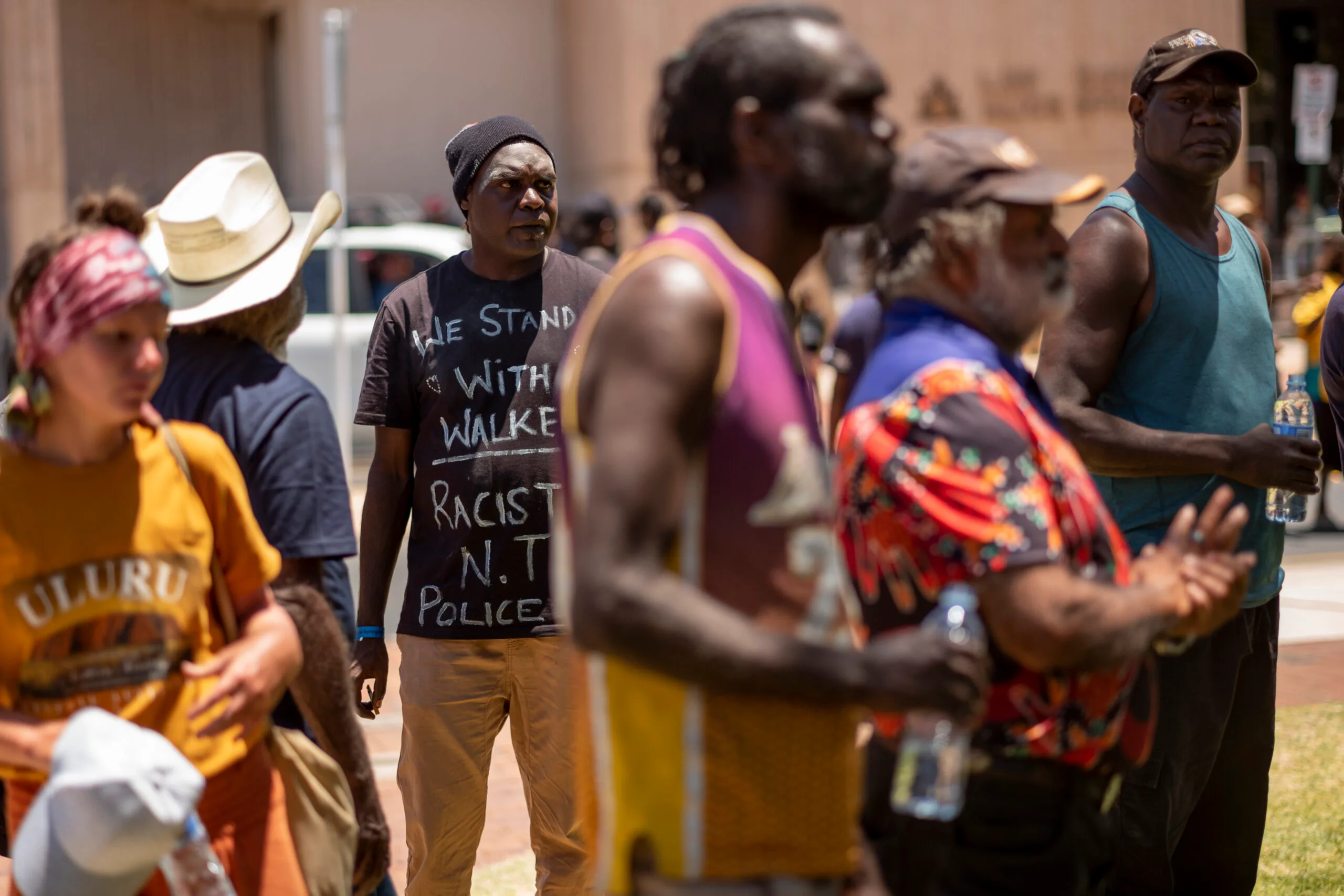
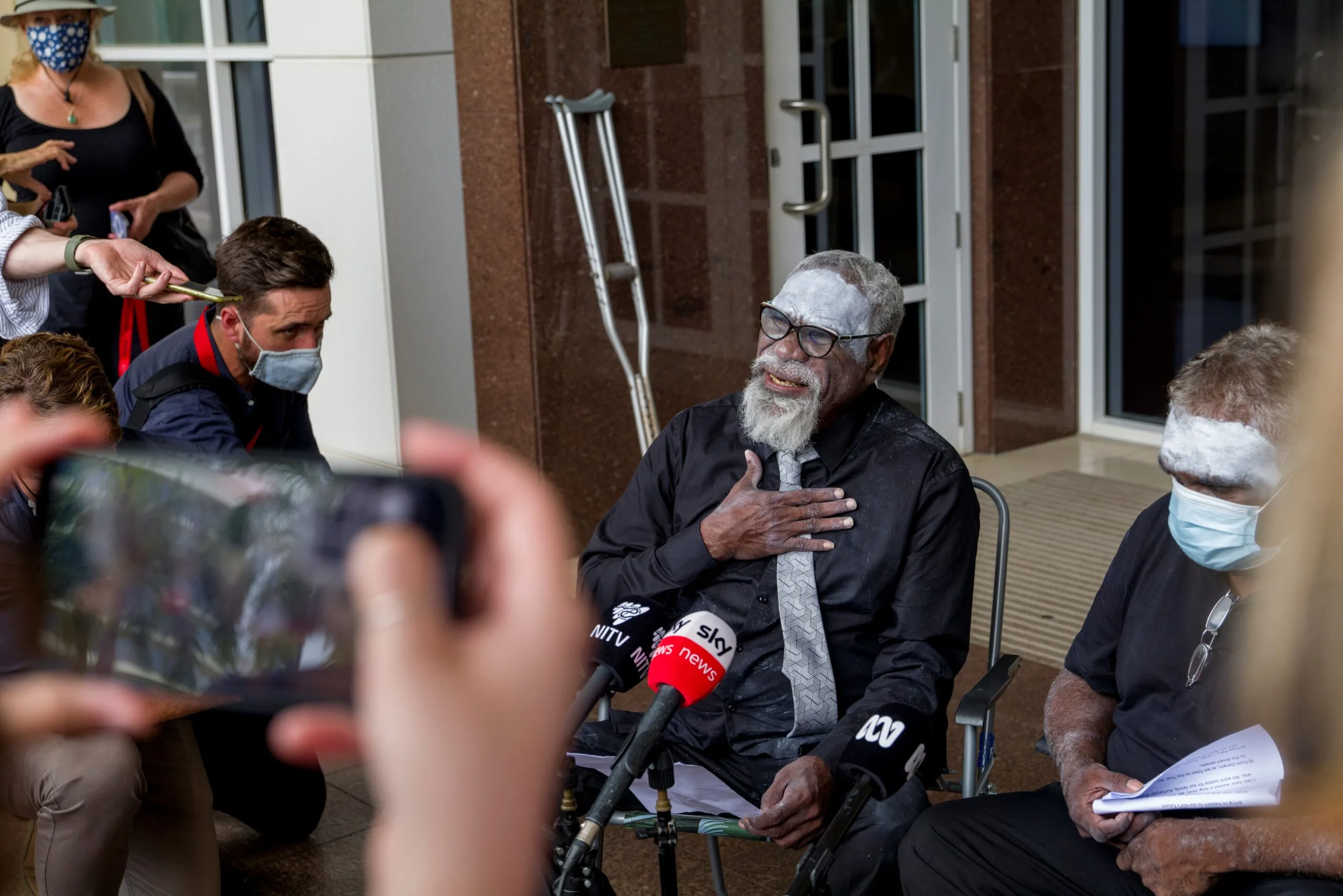
After a six-week trial, Rolfe was found not guilty of murder. Sitting in a wheelchair outside the courthouse, after the verdict was handed down, Warlpiri leader Ned Jampijinpa Hargraves asked the media: “When are we going to get justice? When?”
In 2.6 Seconds, director Darren Dale forensically explores Rolfe’s background, motivations and history of policing. To some extent, the documentary finally gives the family its ‘day in court’.
A three-month coronial inquest also unravelled many of the forces at play that night in Yuendumu. NT Coroner Judge Elisabeth Armitage travelled to the community to hand down her report.
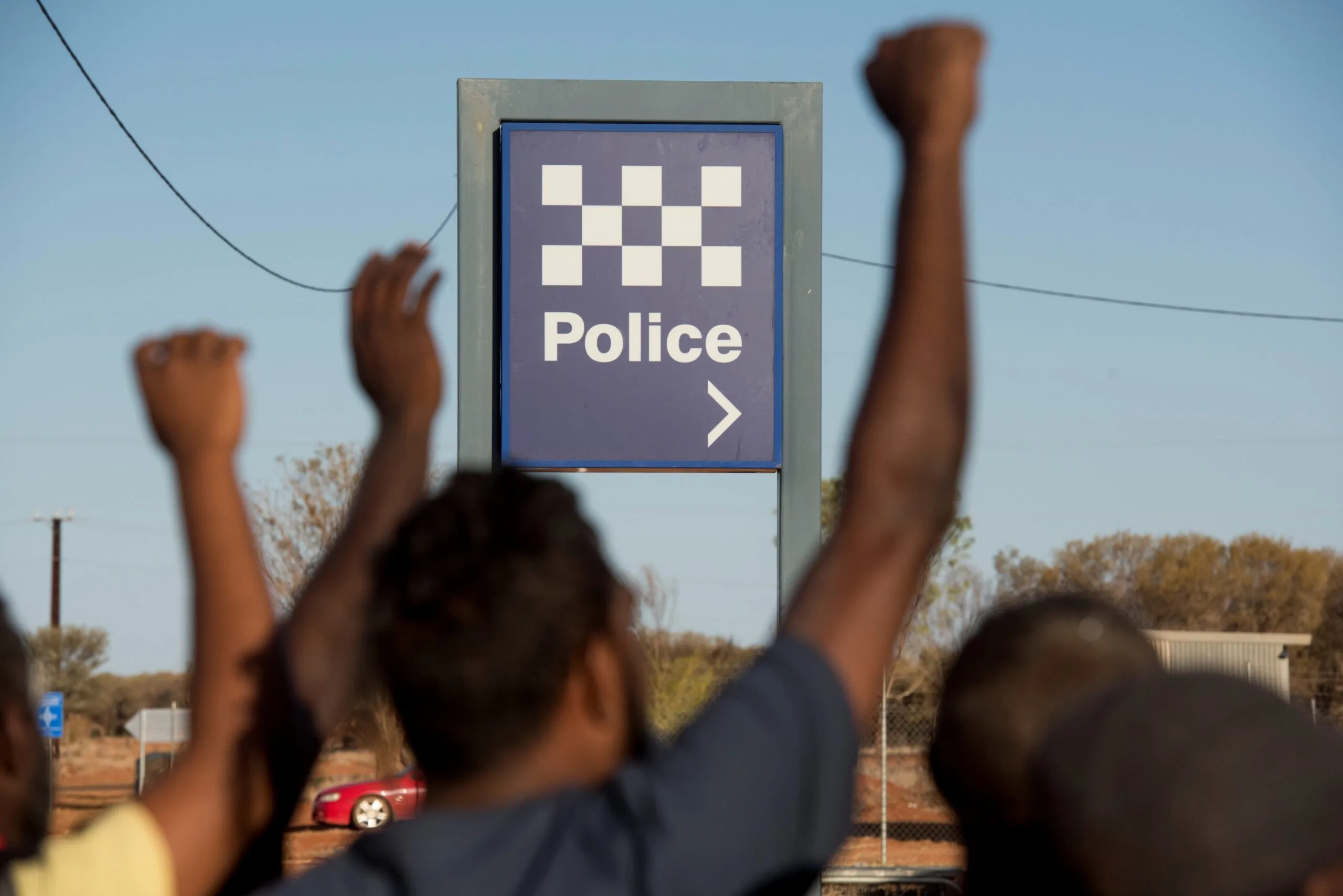
Her findings acknowledged multiple reports of Rolfe’s use of excessive force when dealing with Aboriginal people, and she found “systemic, entrenched structural racism within the NT Police”. She also found that “Mr Rolfe held and expressed racist views about Aboriginal people” and that his use-of-force history and telephone messages demonstrated he had “dehumanised the Aboriginal population he was policing”.
“To hear the coroner identify structural and entrenched racism in the NT Police has made us feel validated,” Samara says in the documentary.
Rolfe was eventually dismissed from the Northern Territory Police Force, though not for any of the policing issues identified in the inquest. He denied the criticisms of his policing made by the coroner.
Samara was disappointed that the coroner’s findings didn’t go as far as she’d hoped. “We would like to see an independent ombudsman for police brutality and violence in the Northern Territory but also federally,” she tells The Weekly. “There needs to be more responsibility on the NT Police to address that culture of racism.”
In the seven years since her cousin’s passing, she insists that “nowhere near enough has changed … I think we’re still a really long way away. Especially in the Northern Territory, where we have the lowering of the age of criminal responsibility to 10 years old … I think a lot of people aren’t aware that we’re at a crisis point here in Australia.”
Since the 1991 Royal Commission into Aboriginal Deaths in Custody, 644 Aboriginal and Torres Strait Islander people have died in custody – 26 of them this year. And of the 33 recommendations made by Coroner Armitage at the inquest into Kumanjayi’s death, 22 had not been fully supported by the NT government as of March this year.
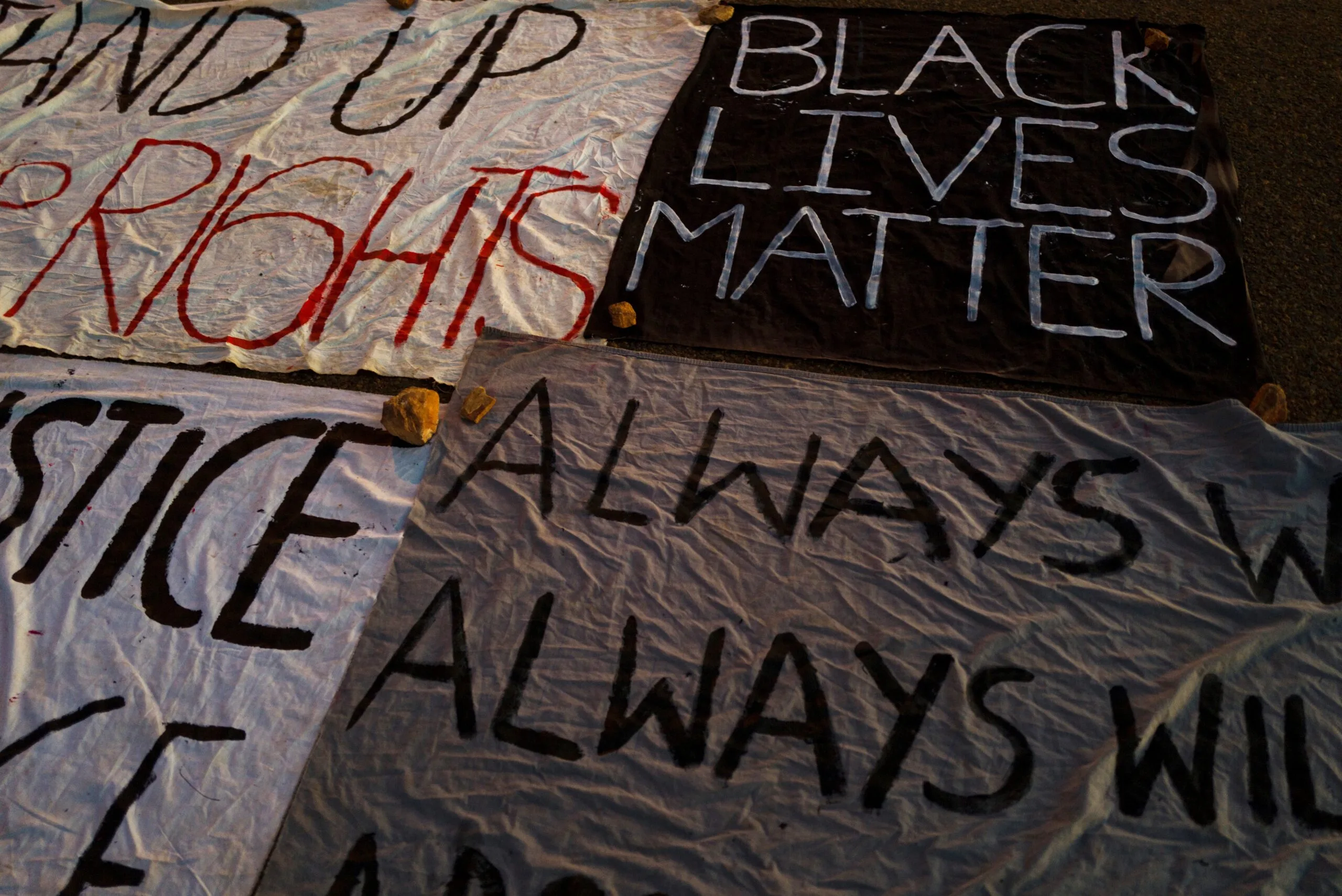
“I’m really hoping to have that conversation with people now,” Samara explains, “to show the kind of impact that each of those deaths has on families and communities, and how it rips us apart …
“At the moment, the Northern Territory is inherently unsafe for Aboriginal and Torres Strait Islander people … But hopefully we can have a dialogue about how to make Australia and our communities safer.
“I would like to see a structural change, perhaps moving away from police and moving [towards]community-based solutions and accountability.”
On the night Kumanjayi Walker was killed, Samara stepped forward as a spokesperson for her family and community. She’s still shouldering that load.
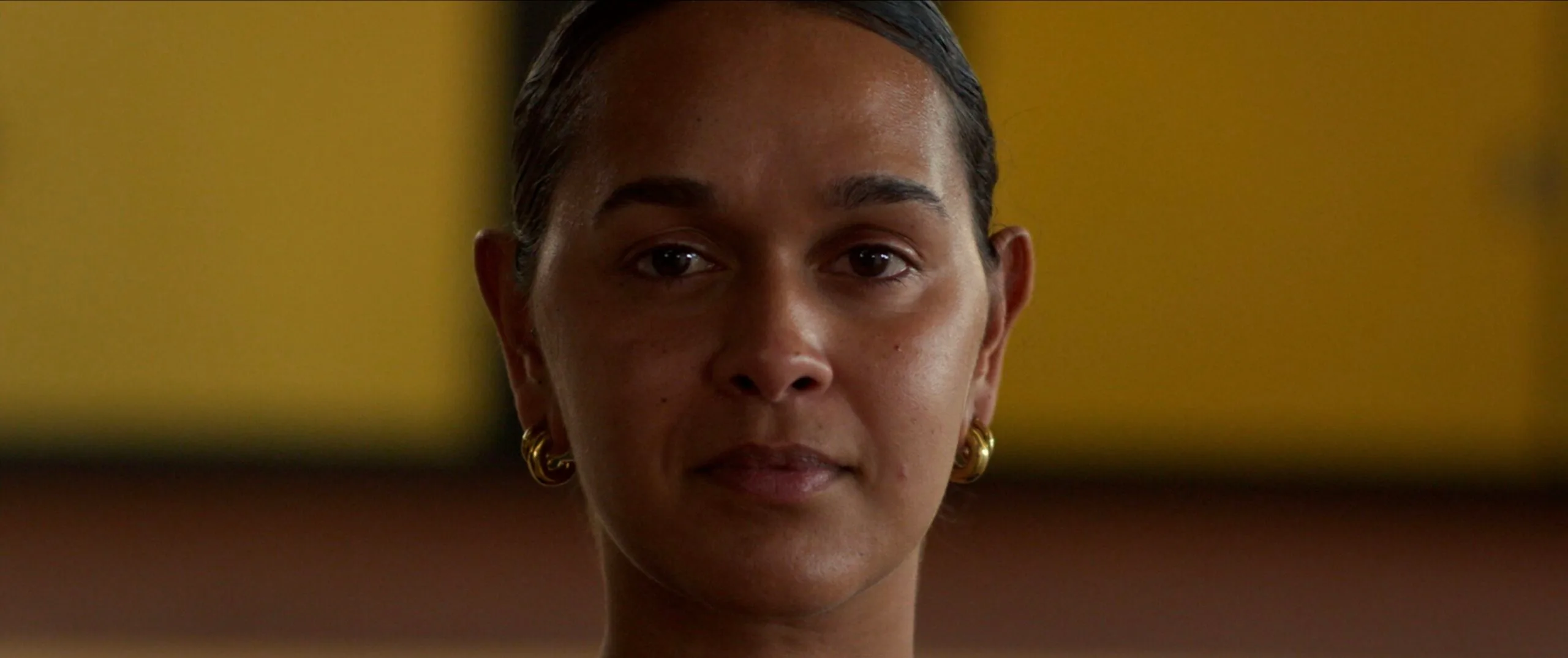
“It has definitely felt like a weight of responsibility,” she says, “making sure my family and community and cousin are represented appropriately, and that truth is coming out.
“I often think about Ned and my great-grandmothers and my mother and my aunties, and I feel a sense of heaviness for what they’ve witnessed, what they’ve had to fight for in the past. So as difficult as it is, and as heavy as the weight is, the need to advocate for my family and my cousin is more significant.”
Last year, Samara graduated with Honours in Psychology, and she hopes to go on to do her Masters. In the interim, she’s founding a community organisation, 4 Yapa, to support Yuendumu. “It’s Warlpiri working for Warlpiri,” she says.
And behind it all, she still feels her cousin’s presence in her life every day.
“I feel like he has changed the trajectory of my whole life … I absolutely feel his presence in terms of my purpose and the work I do daily. It’s for him, it’s for my family, it’s for other young people like him … I feel like he is a guiding star in my life.”
This feature was originally published in the December 2026 issue of The Australian Women’s Weekly. Subscribe so you never miss an issue.
2.6 Seconds: Death in the Outback is available to watch on SBS/NITV.
If this story causes you distress, help is available at Lifeline on 13 11 14, or 13YARN for Aboriginal and Torres Strait Islander people on 13 92 76.

