





NEED TO KNOW
- The new p-tau217 blood test can detect Alzheimer’s-related changes in the brain years before symptoms appear.
- The test has been approved for clinical trial in Australia.
- Specialist GP Dr Steven Lu explains what an elevated result really means.
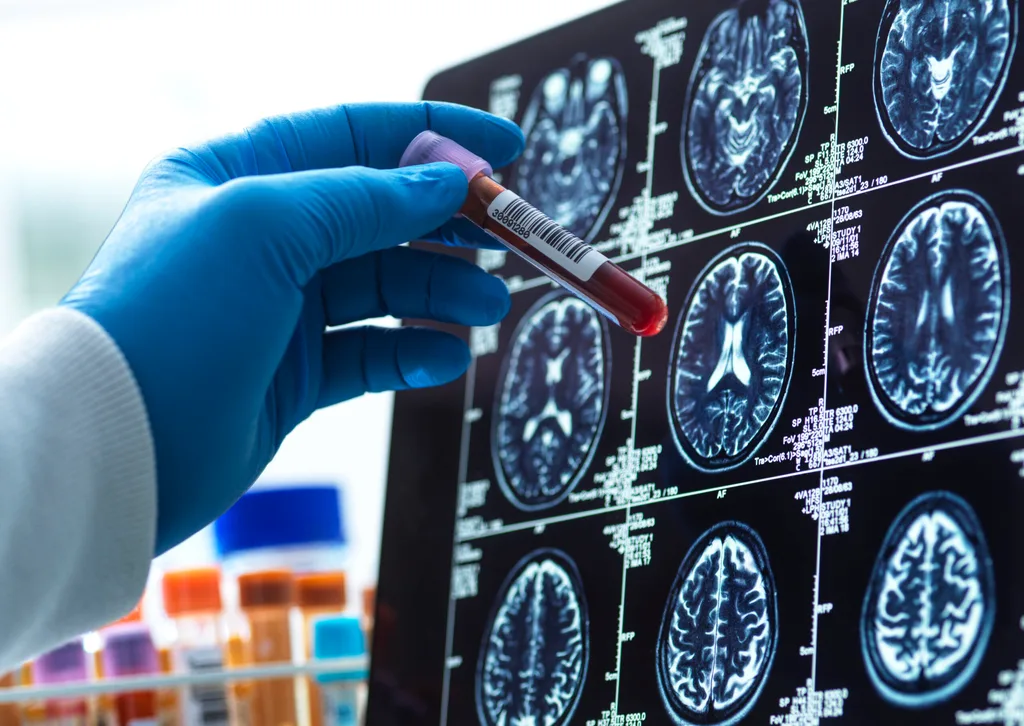
A simple blood test that could detect Alzheimer’s-related changes in the brain years before symptoms appear is one step closer to being used in Australia.
The p-tau217 test has been approved by the Therapeutic Goods Administration and is expected to enter clinical trials within months at the new Asia-Pacific Centre of Excellence for Alzheimer’s Disease Diagnosis in Sydney. The centre is a collaboration between medical research group Neuroscience Research Australia and pharmaceutical company Roche Diagnostics Australia.
The test measures phosphorylated tau 217, a biomarker linked to the build-up of amyloid plaques in the brain – one of the hallmarks of Alzheimer’s disease. Its automated technology can process a blood sample in just 18 minutes. Until now, a specialised PET scan or a lumbar puncture was needed to confirm the proteins.
“We know these protein changes occur decades before symptom onset and that can be detected on this blood test,” Associate Professor Emma Devenney, the neurologist overseeing the centre, told NewsWire. “So hopefully in the future when more information is available this will enable a preventive strategy towards Alzheimer’s disease.”



For now, the test will initially be used in clinical trials. It isn’t intended as a routine screening test for people without symptoms and cannot diagnose Alzheimer’s on its own. Doctors are expected to be able to begin referring patients within the next six to nine months.
What can the Alzheimer’s blood test tell you?
So, what does an elevated result actually mean? “It’s not detecting Alzheimer’s the way a pregnancy test detects pregnancy,” specialist GP and Everlab Chief Medical Officer Dr Steven Lu tells The Weekly.
He likens it to a cholesterol result. High cholesterol raises your risk of heart disease but it doesn’t mean a heart attack is inevitable. An elevated p-tau217 result can similarly point to Alzheimer’s-related changes in the brain, but it can’t tell you whether you’ll definitely develop Alzheimer’s or when symptoms might appear.
“It is still a probability. It is not a countdown clock for people,” Dr Lu stresses.
Even then, the result is only one part of the picture. A doctor would also consider symptoms, cognitive function, medical history and family history.
“We need to think about you as a whole person,” Dr Lu says. “We need to make sure we offer it to the right people. We need to make sure we counsel them properly.”
There is also the emotional impact to consider. Learning that you have a higher risk of Alzheimer’s could cause significant anxiety, particularly when no one can tell you exactly what those changes will mean for your future. Dr Lu says, “You have to be prepared for the answer.”



An elevated result could lead to further assessment, an earlier specialist referral or a closer look at other factors affecting brain health.
“It’s not a treatment,” he adds. “It’s a test, but the results give us the knowledge to do better.”
Dementia rates rising in Australia
Dementia, including Alzheimer’s disease, is becoming an increasingly urgent health issue in Australia.
According to the Australian Bureau of Statistics and the Australian Institute of Health and Welfare, dementia is now the nation’s leading cause of death in 2025, overtaking heart disease.
In 2024, dementia accounted for 9.4 per cent of all deaths, and over the past decade deaths linked to the condition have increased by 39 per cent.
Women continue to be disproportionately affected, making up 62.4 per cent of dementia deaths – a trend that has remained consistent since 2016.
Professor Tanya Buchanan, CEO of Dementia Australia, says the latest statistics are a wake-up call.
“Dementia is not an inevitable disease of old age,” Professor Buchanan said.
“Whilst we cannot change getting older, genetics or family history, there are things we can do to reduce our risk of dementia.”
In 2026, an estimated 446,500 Australians are living with dementia, and without intervention that number is projected to rise to more than one million by 2065.
What you can do to reduce your dementia risk
Professor Buchanan says dementia is one of the most feared diseases in Australia but also one of the most misunderstood.
A 2024 Dementia Australia survey found more than a quarter of Australians incorrectly believe there is nothing they can do to reduce their risk.
“In Australia, 43 per cent of dementia burden is attributable to six modifiable risk factors that we want all Australians to be aware of – tobacco use, overweight and obesity, physical inactivity, high blood pressure in midlife, high blood plasma glucose and impaired kidney function,” Professor Buchanan said.

These are the steps you can take to help support long-term brain health:
Prioritise sleep
Aim for seven to nine hours of sleep each night and speak with your GP if you regularly struggle with sleep.
Stay physically active
Try to get around 30 minutes of moderate-intensity exercise at least five days a week.
Eat a brain-healthy diet
A Mediterranean-style diet rich in vegetables, fruit, wholegrains, legumes, fish and healthy fats is linked to better brain health.
Stay socially and mentally active
Maintaining friendships, hobbies and learning new skills helps keep the brain engaged.
Protect hearing and vision
Untreated hearing or vision loss has been linked to faster cognitive decline.
Quit smoking and limit alcohol
Both are known risk factors for dementia and other chronic diseases.
Look after your heart
Managing blood pressure, cholesterol and diabetes also helps protect brain health.

