



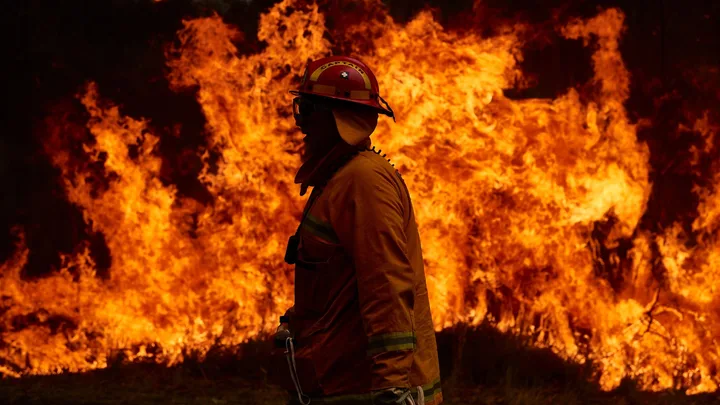
The recent Australasian Fire and Emergency Service Authorities 2025 report, identified a heightened risk of fire for regions in central New South Wales, Victoria, and Western Australia’s western south.
“The increased bushfire risk potential is driven in part by severe rainfall deficits across parts of Victoria, along with high fuel loads in central northern NSW and the Yalgoo and the Geraldton Sandplains regions in WA. Persistent soil moisture deficits in parts of WA are driving increased bushfire risk in northern parts of the Swan Coastal Plain, Jarrah Forest, Esperance Plains, and Mallee regions,” it said.
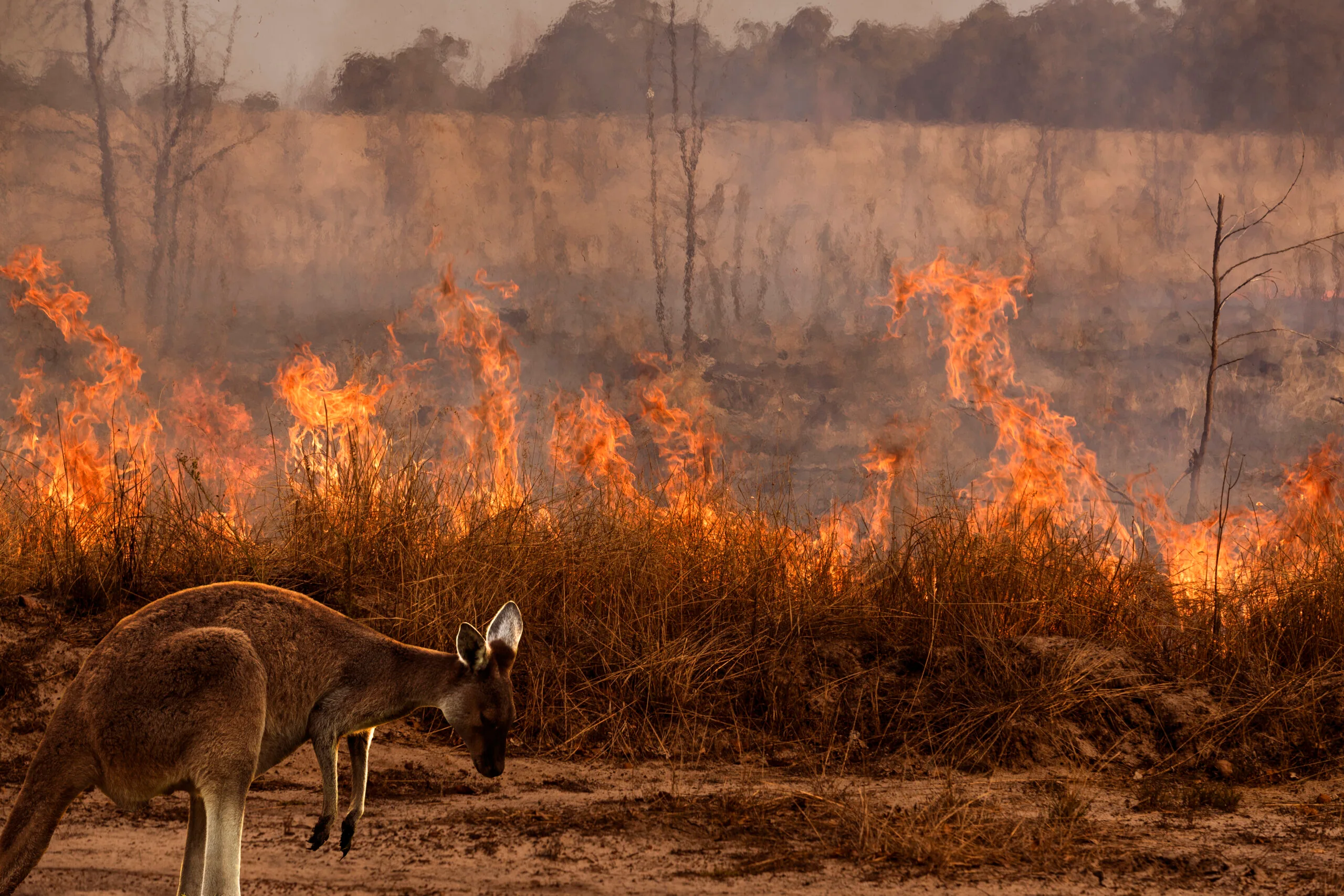
To avoid a catastrophic bushfire season in Australia, hazard reduction burns are already underway. These are planned and controlled burns carried out when fires aren’t burning to reduce the amount of fuel in fire-prone areas. This is different to backburning, which reduces fuel in the path of already-burning fires.
“Bushfires and hazard reduction burns are a natural part of life in Australia,” says Dr Henry Gomez from the Hunter Medical Research Institute, who is in research partnership with the Rural Fire Service. “They are incredibly important to reduce fuel loads during bushfire season in Australia and protect our communities.”
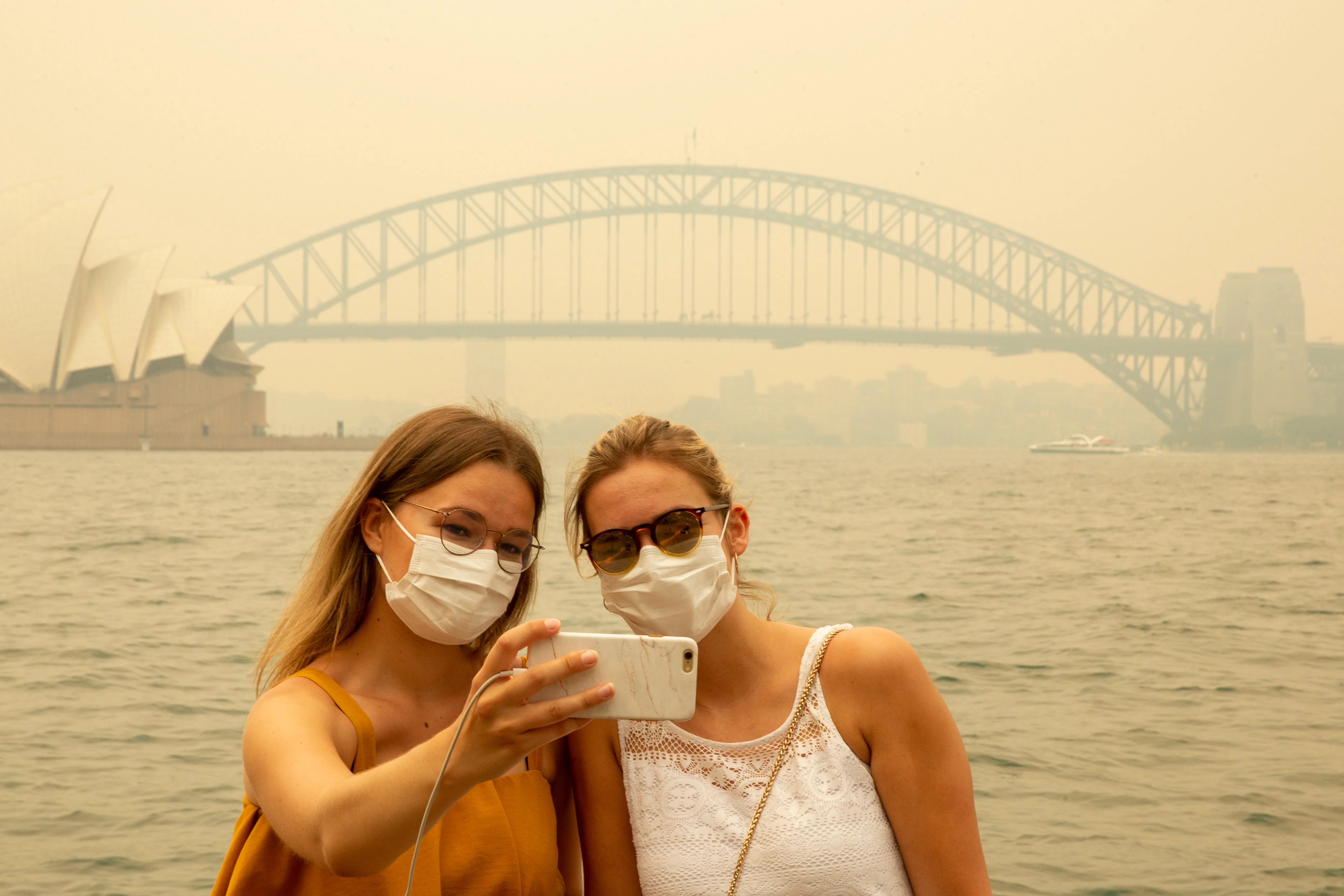
However, bushfire season in Australia naturally means there can be an increased level of smoke in the air, which can be harmful to your health.
Continue reading to discover the steps required to keep yourself protected from smoke inhalation.
How to protect yourself from bushfire smoke
“People living in Australia are clearly thinking about what may lie ahead, with one in three worried about heatwaves, bushfires and nearly one in two expecting floods and heavy rain over the next 12 months. However, that concern is not translating into active preparation,” said Australian Red Cross Chief of Staff, Penny Harrison.
“We know the better prepared you are, the better your capacity to respond and recover from any emergency. Just thinking about it is not enough.”
Avoidance is the best option, says Dr Gomez. “However, this is clearly not always possible – or even safe.
“As we come into what is predicted to be a severe bushfire season in Australia, it is important that we all update our medications, make sure our health conditions are under control and we have a clear plan.”
According to the Australian government, this is how we can plan:

- Monitor air quality and health messages, and act accordingly.
- Avoid vigorous outdoor activity.
- Spend time indoors, particularly in air-conditioned venues.
- Avoid indoor sources of air pollution – like cigarettes, candles, and incense sticks.
- Use air purifiers and face masks. Surgical and cloth masks do not protect against smoke. Instead, opt for P2 and N95 masks which can filter out the fine particles in smoke.
- If you have asthma, or a heart or lung condition, consult a doctor.
Tools to help
Knowing how vulnerable our places of residence are when it comes to bushfires is essential to preparing for the risk. There is now an app to help us – the Bushfire Resilience Rating.
This is a world-first rating system that assesses how vulnerable a house is to a bushfire. It then shares of list of ways to make it stronger.
With funding from the federal government, Bushfire Resilience Rating uses information about the house provided by the user, with detailed data about the current climate and local environment.
It was created by the not-for-profit organisation Resilient Building Council in response to the Black Summer bushfires.
In addition, researchers at the University of Newcastle have developed a series of toolkits to aid people in managing their health during periods of bushfire smoke activity.

