


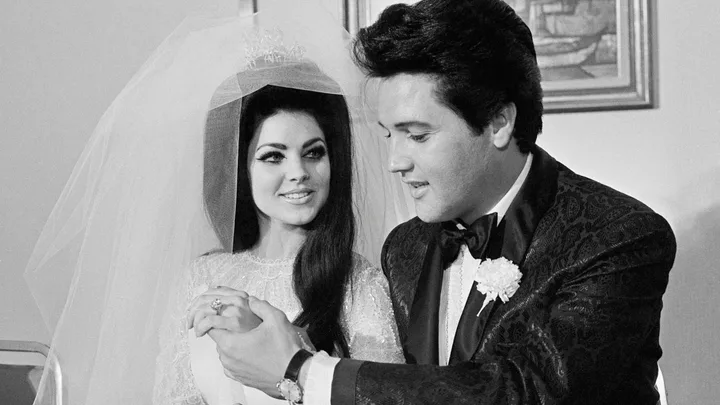
For generations, women have taken the man’s name after saying ‘I do.’ It’s become such a norm in marriage that many of us have forgotten why we do so.
Changing someone’s last name is a hot topic in my relationship, with wedding planning well underway. It’s a hurdle that we expected the least.
It’s not that I’m particularly passionate about my last name. But there is a kind of grief that comes with such a change. Give me some grace; I do share nearly three decades of memories with the name.
I am not intending to make a feminist statement, but why am I, as the woman in the relationship, expected to give up my last name?
In Australia, a 2016 study found that more than 80 per cent of women take their husband’s last name. However, the husbands were far less interested.
“People don’t get too fussed when women take a man’s surname at marriage… but get quite uppity if a woman doesn’t want to take a man’s name,” Associate Professor Yvonne Corcoran-Nantes at Adelaide’s Flinders University told the ABC.
“Men’s Health, I think in 2013, did a survey on Monkey Poll, quite a big one actually, and what was quite surprising, over 96 per cent of the men who answered that poll, wouldn’t change their name to the woman’s, even if she asked him to do so,”
The reasoning behind changing your name varies for everyone; some may not like their birth name, others may find romance in combining families. But their intentions are never second-guessed.
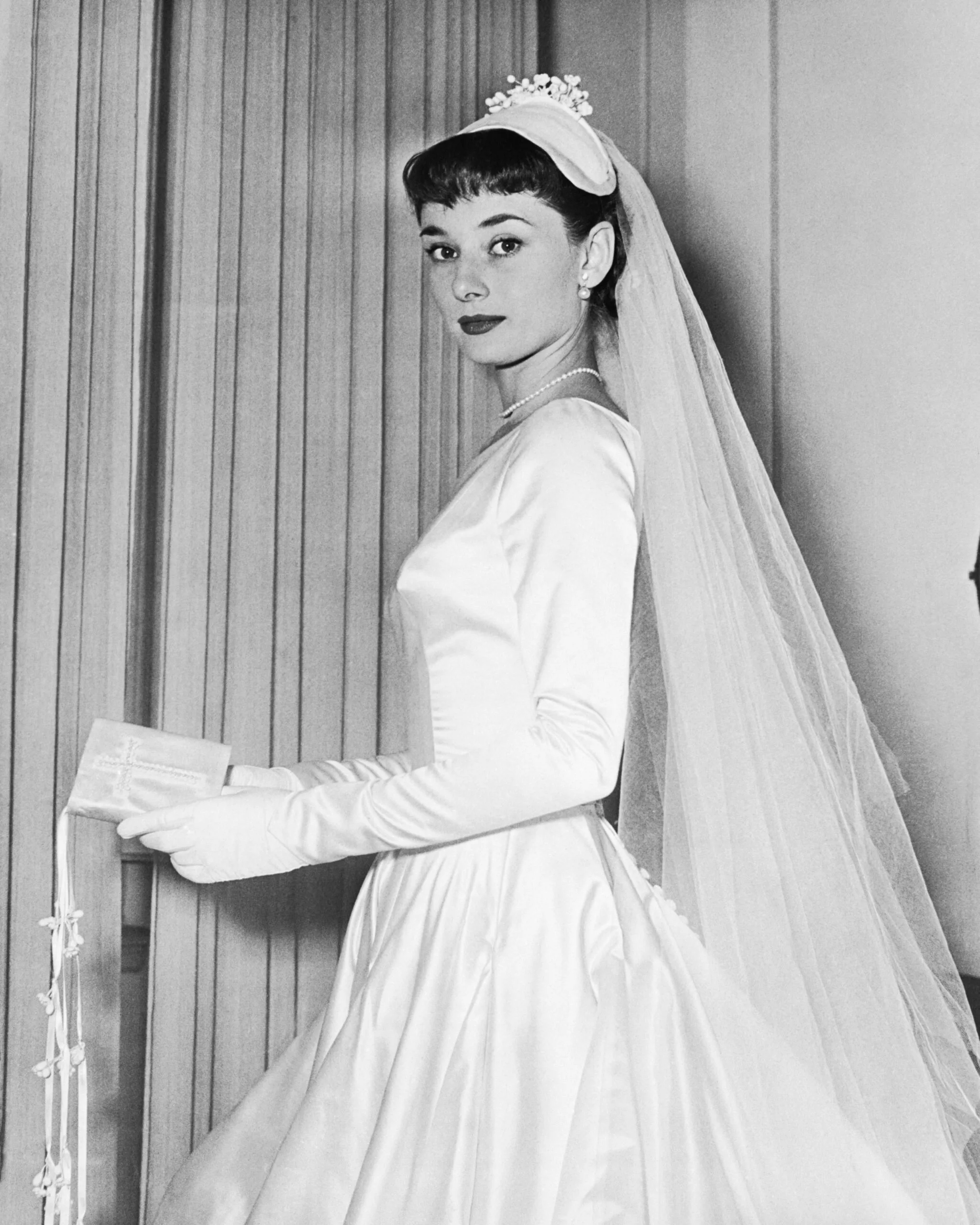
Yet, a woman who questions the norms is met with confusion.
The practice finds its roots in, you guessed it, Western society’s patriarchal system. Around the 15th century, coverture was introduced to England. Under this legal doctrine, a husband and wife became a singular entity – which could sound old-school romantic if the woman didn’t lose all autonomy.
The woman became a possession, passed from her father to her new husband – quite literally in wedding ceremonies. She was unable to earn a wage, buy or own personal property, sign contracts, or write her own will without her husband’s consent. And you can forget any power over her own children that she grew, birthed and raised.
Society has come a long way since then – with a push from women-led marches. The 70s were a progressive decade with women finally allowed to drink in bars, and Westpac (formerly Bank of New South Wales) became the first bank to grant loans to women without a male.
But even centuries later, women continue the tradition. Well-known celebrities have made the switch, like Hailey Bieber (nee Baldwin) and Victoria Beckham (nee Adams).
Meanwhile, others have chosen – due to indecision or equality – to double-barrel their surnames, including Brooklyn and Nichola Peltz Beckham, Priyanka Chopra Jonas, Kourtney Kardashian Barker, and Jada Pinkett Smith.
Other women have taken their husband’s last name, but retain their maiden name professionally including Sarah Michelle Gellar who married Freddie Prinze Jr., Jennifer Lopez legally took ex-husband Ben Affleck’s last name, and Jessica Biel continued to be credited with her maiden name despite taking Justin Timberlake’s name.
But how, in a modern relationship, is this all decided when most men never consider changing their own name? While I might be lucky enough to have a golden retriever, feminist fiancé who listens to all my ramblings, I have discovered that ears are like Christmas ornaments for some men: just decorations.

