




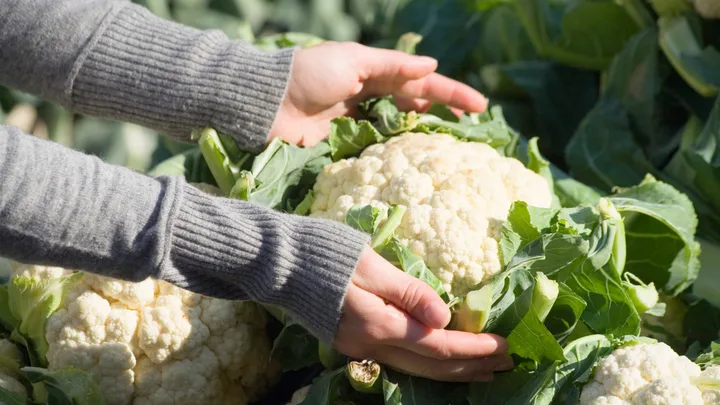
When it comes to looking after our long-term health, the advice can feel overwhelming. But new research suggests one easy addition to your plate could make a real difference: eating more cruciferous vegetables such as broccoli, cauliflower, cabbage, kale and Brussels sprouts.
A new analysis of 17 studies, including more than 639,000 people, has found that those who ate the most cruciferous vegetables had around a 20 per cent lower risk of developing colorectal (most commonly known as bowel) cancer compared with those who ate the least.
So what makes these vegetables so special? Cruciferous vegetables are packed with natural compounds called glucosinolates. When you chop, chew or cook them, these compounds transform into powerful substances such as sulforaphane. Scientists believe these help protect our DNA, reduce inflammation, and support the body’s ability to eliminate potential carcinogens.
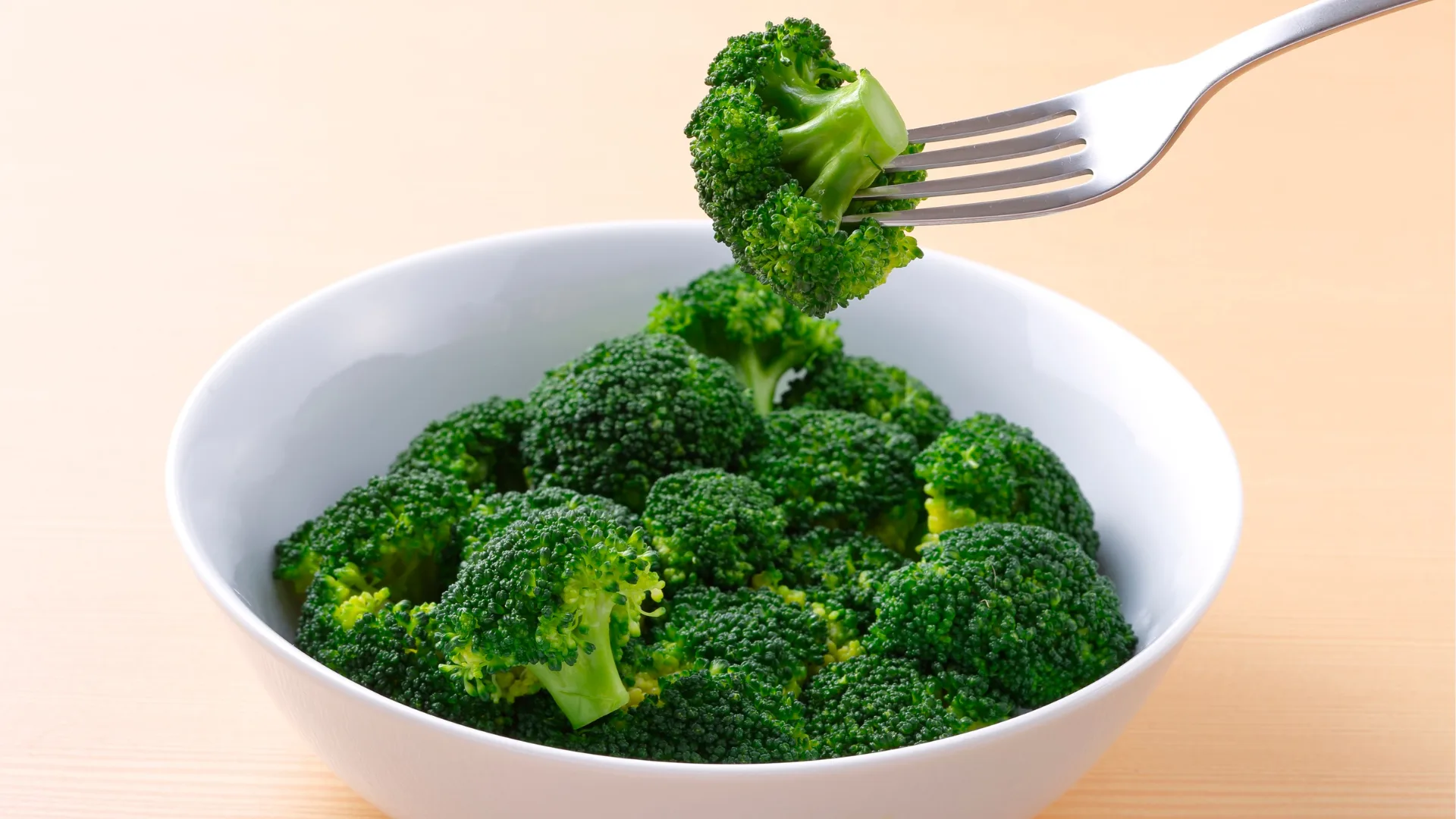
The sweet spot, according to the research, appears to be 40 to 60 grams a day – around half to one cup. That’s as simple as a small serving of broccoli with dinner, or throwing some shredded cabbage in your salad.
It’s an easy addition when you consider that bowel cancer is the fourth most commonly diagnosed cancer in Australia, and it is estimated that one in 20 people will be diagnosed by the time they are 85. According to the Cancer Council, an estimated 15,542 people were diagnosed with bowel cancer in 2024, with the average age of diagnosis being 69 years old.
Of course, no single food is a silver bullet. Health experts consistently recommend a diet rich in fruit, vegetables, legumes and wholegrains, alongside limiting red and processed meats. Other ways to lower your risk include:
Keep up with screenings: Australians aged 50–74 are encouraged to complete a free bowel cancer screening test every two years. If you have a family history, talk to your GP about starting earlier.
Stay active: Regular physical activity helps maintain a healthy weight and supports overall gut health.
Limit alcohol and avoid smoking: Both are linked with higher cancer risk.
Watch your waistline: Carrying excess weight, particularly around the middle, increases risk.
Choose fibre-rich foods: Oats, beans, lentils, and wholegrains help keep your digestive system moving and support a healthy gut microbiome.
Know your family history: Genetics play a role in bowel cancer risk, so check in with relatives and share this information with your GP.