




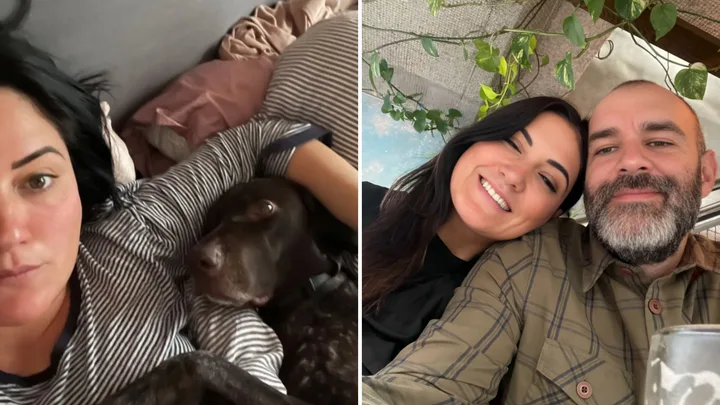
Jo Barry was just 12, away on school camp, when she got her first period.
From the very beginning, something didn’t feel right. “My periods were extremely heavy and painful right from the start,” she tells The Weekly. “But I just assumed it was normal.”
So she learned to live with it, convincing herself she simply had a “low pain threshold”, even as the pain became all-consuming.
“It wasn’t just discomfort. It would stop me in my tracks,” she says. “I’d vomit, I’d faint, I’d be in a ball on the bathroom floor.”
Each time she asked for help, she was told the same thing.
“Every GP told me it was completely normal… that painful periods were just part of being a woman.”
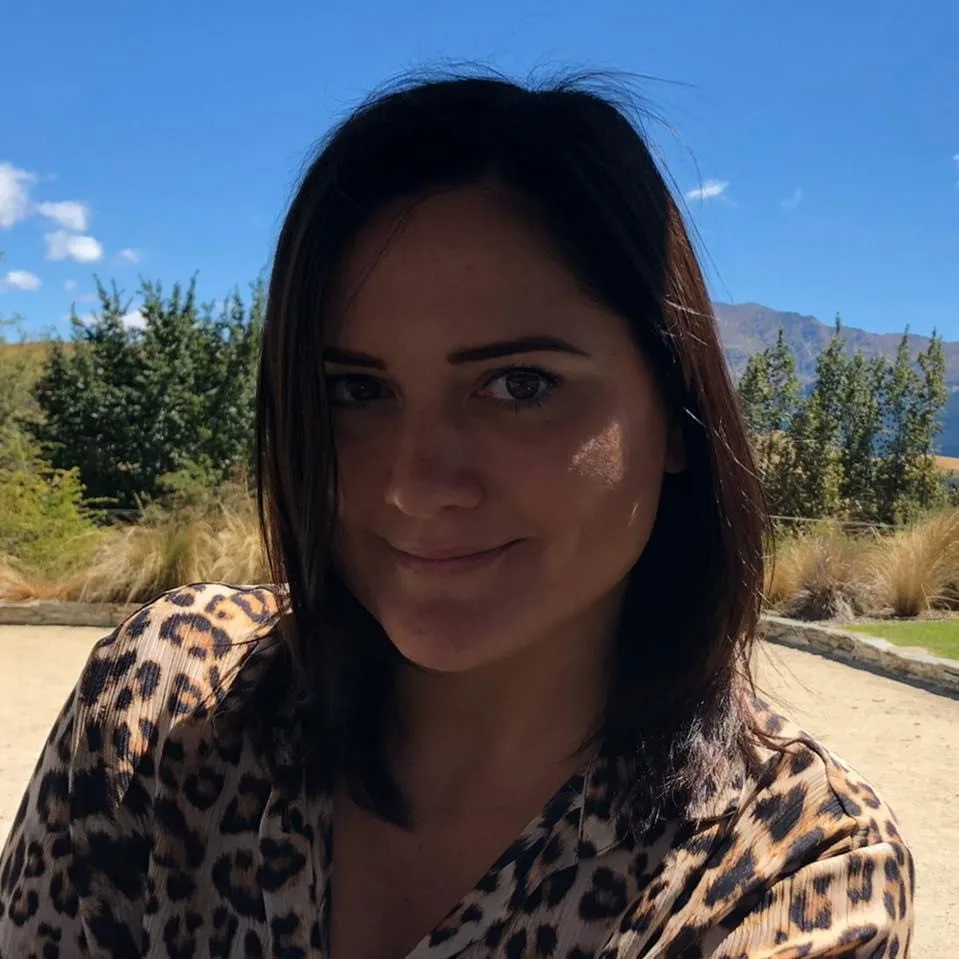
It would take nearly a decade of enduring what she describes as “intense, extreme pain” before Jo finally got answers. At 19, she was diagnosed with endometriosis – a chronic condition affecting one in seven Australian women and girls, where tissue similar to the lining of the uterus grows outside it.
She underwent surgery and was given the contraceptive pill to manage her symptoms.
“They were like, it’s not a big deal. Go on the pill, you’ll be fine,” she recalls. “The endo was just dismissed.”
For a long time, it seemed to work. “I was just going along happy as Larry.”
The invisible toll of endometriosis
But when Jo stopped taking the pill in her late twenties to try for a baby, the pain returned worse than before.
“It was indescribable, life-changing pain,” she says. “I remember thinking, what’s happened? What is wrong with my body?”
At the same time, it felt like every week, someone else was announcing a pregnancy.
“All my friends were getting pregnant quite easily and I couldn’t get pregnant.”
Like many women with endometriosis, Jo became an expert at hiding what she was going through.
“On the outside, you’re still trying to work, see friends but behind the scenes you’re dealing with this intense pain that people can’t see,” she says. “You get very good at putting on a brave face and functioning with pain.”
But eventually, she couldn’t hide it any longer.
“It got so out of control that there was no functioning… it took over my life,” she says. “I was sick two to three weeks out of the month.”
She stopped seeing friends. Plans were cancelled. The business she had worked so hard to build had to close.
“I just couldn’t operate anymore,” she says. “It cost a lot… I lost a lot.”
Turning pain into purpose
After everything she had endured – the physical toll, the uncertainty, the heartbreak of infertility – Jo knew she didn’t want her story to end there.
“I didn’t want that to be how I ended this whole chapter,” Jo says. “I wanted to somehow flip that and make something really positive.”
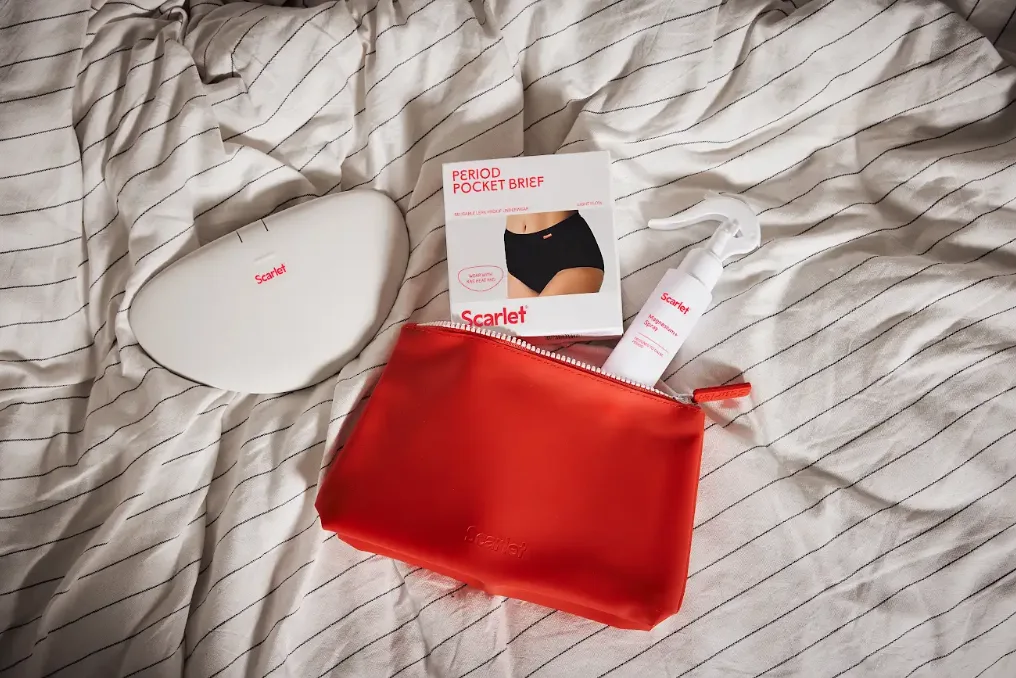
From there, Jo created Scarlet, an Australian period care brand centred on the idea of period care as self-care – designed to support people living with menstrual pain.
“The thing that made sense to me was to create something that would help other people in the same situation,” she says. “Just help them to live day to day better.”
Living with chronic pain taught Jo that often it’s the smallest things that matter most.
“Heat’s the biggest thing – it’s the one thing that can really help to soothe you.”
But existing options – wheat bags, hot water bottles, stick-on patches – didn’t meet Jo’s needs. Even at the height of her pain, she was still trying to work, sit through meetings and function.
“I needed something at those times better than what was out there,” she says. “I wanted something that was wearable, but really high quality that still kind of looked beautiful.”
That led to Rae, Scarlet’s wearable heat pad, designed to be discreet and portable enough to wear under clothing throughout the day.
Since launching, Jo has been overwhelmed by the response, especially from women sharing their own stories.
“I had a mum email me saying their daughter went to school last week and she never has on day one of her period.”
Now 45, Jo says one of the most meaningful parts of sharing her experience has been the connection it’s created.
“After dealing with everything so privately, being able to have these open conversations… it’s really healing.”
While awareness about endometriosis is growing in Australia, she believes there is still a long way to go, particularly when it comes to recognising when pain isn’t normal.
“Women’s pain has just been normalised for so long,” she says. “Severe period pain has been dismissed… and you are expected to live with it.
“You don’t need to.”
For anyone questioning their symptoms, her message is simple: trust yourself.
“Extreme pain that disrupts your life – that’s not normal.”
For more information, head to scarletperiod.com


Share this post