




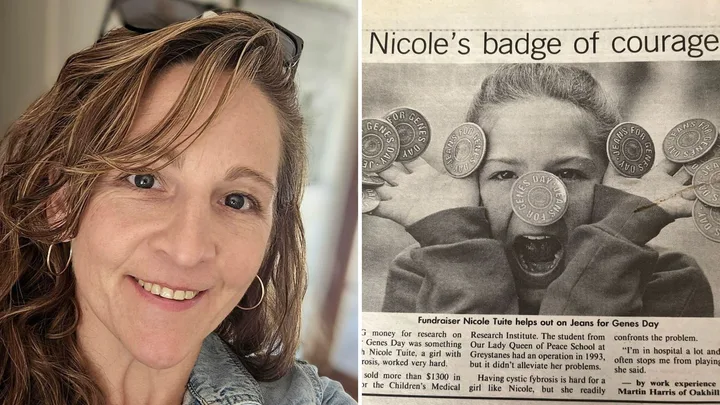
When Nikki Kegg was 14, she began a bucket list. She wrote down things that most people take for granted will happen: finish high school, get her licence, buy a car. Nikki wasn’t sure she would.
Diagnosed with cystic fibrosis at six weeks old, she grew up hearing that her life expectancy was around the mid-to-late 30s. Doctors told her she might never have children.
Inside the notebook, Nikki wrote herself a reminder: “I don’t know how long I’ll get, but just fill it. Fill the life that you’ve got with everything that you want to.”
So Nikki kept adding to her list. “There were lots of things I wanted to do and lots of things I’d been told I couldn’t do,” she tells The Weekly. “They told me I can’t be a mum, so let’s put that on the list. I know I can’t run very far, so let’s put a marathon on the list.”
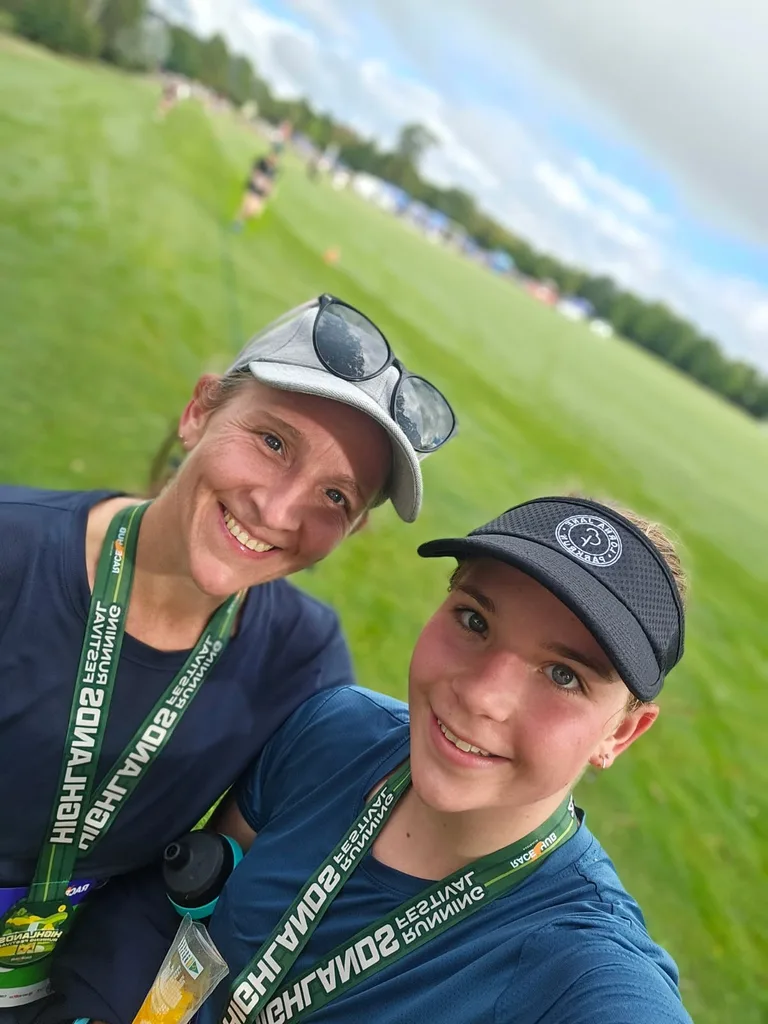
More than 25 years later, Nikki is a mum of four and preparing to tick off the marathon from her list. On August 30, five days after turning 42, she will run 42 km in the Sydney Marathon.
Growing up with cystic fibrosis
Cystic fibrosis (CF) is Australia’s most common life-limiting genetic condition. It causes thick, sticky mucus to build up in the lungs, digestive system and other organs. More than 3,800 Australians live with CF and around one in 25 carry a CF gene change, according to Cystic Fibrosis Australia. There is no cure, but advances in treatment and care have increased life expectancy from 47 to 60 over the past two decades.
But that wasn’t the future Nikki thought she’d have. After contracting whooping cough as a newborn, she became seriously unwell and was diagnosed with CF. “My parents were told I was dying,” she says.
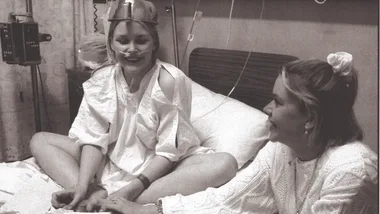
CF affected almost every part of Nikki’s childhood. She spent much of primary school in and out of hospital, had to take medication and regularly missed school for physiotherapy. At eight, she had major surgery.
Nikki always felt different from the other kids. More than anything, she wanted to fit in. “I so desperately wanted to be normal.” So she tried to hide it as much as she could.
“I used to hold my breath while I ran so that I wouldn’t have a coughing fit,” she recalls. “I would cough and cough and cough when I finished. Sometimes I’d vomit because I hadn’t been breathing for 200 metres.”
At lunchtime, she would hide in the bathroom to take the pancreatic enzymes she needed to absorb her food. One day, the medication came back up into her clear water bottle. “I remember feeling mortified that this had happened to me.”
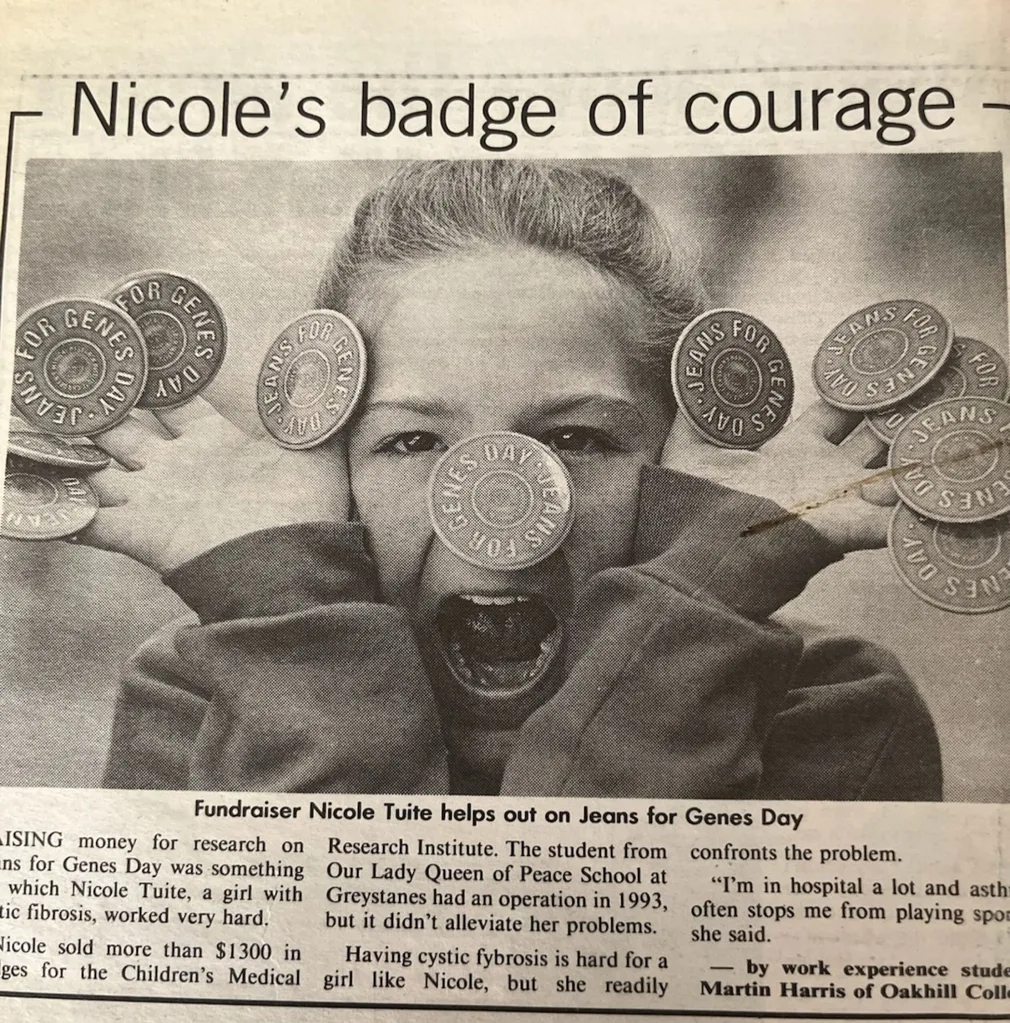
But the following year, when Nikki was in Year 5, her mum encouraged her to sign up as a “Genie” for Jeans for Genes Day. The annual fundraiser supports the Children’s Medical Research Institute’s work to find treatments and cures for children’s genetic diseases.
Nikki stood in front of her school and told everyone for the first time that she had CF. “It was kind of a big deal,” she shares. “I had definitely not told anyone other than my really close friends.”
Her school of around 1000 students got behind her. Nikki went from classroom to classroom selling badges and became one of the Children’s Medical Research Institute’s highest fundraisers.
From then on, she stopped hiding that she had CF.
‘I’m not dying. I’m living’
By her late teens and early 20s, Nikki found herself doing the things she hadn’t been sure she would get to do. She went out with friends and started dating, but those old fears were still there.
“At first it was like, ‘Who would love me? I’m sick. I’m dying.’”
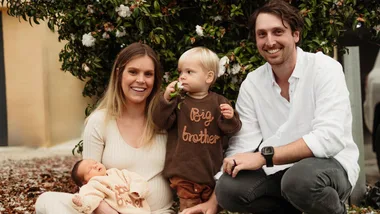
Then Nikki became pregnant with her first child. Her medical team prepared her for possible complications, including gestational diabetes and a loss of lung function. But neither happened. Her son arrived almost two weeks overdue.
“And then I had this baby, and I was okay,” she remembers. “It was like, ‘I’m not normal, but I’m pretty close. Maybe I can actually have a real life.’”
Her son is now almost 20. Nikki went on to have three more kids.
“You realise all of a sudden, I’m not dying. I’m living here.”
42km for 42 years
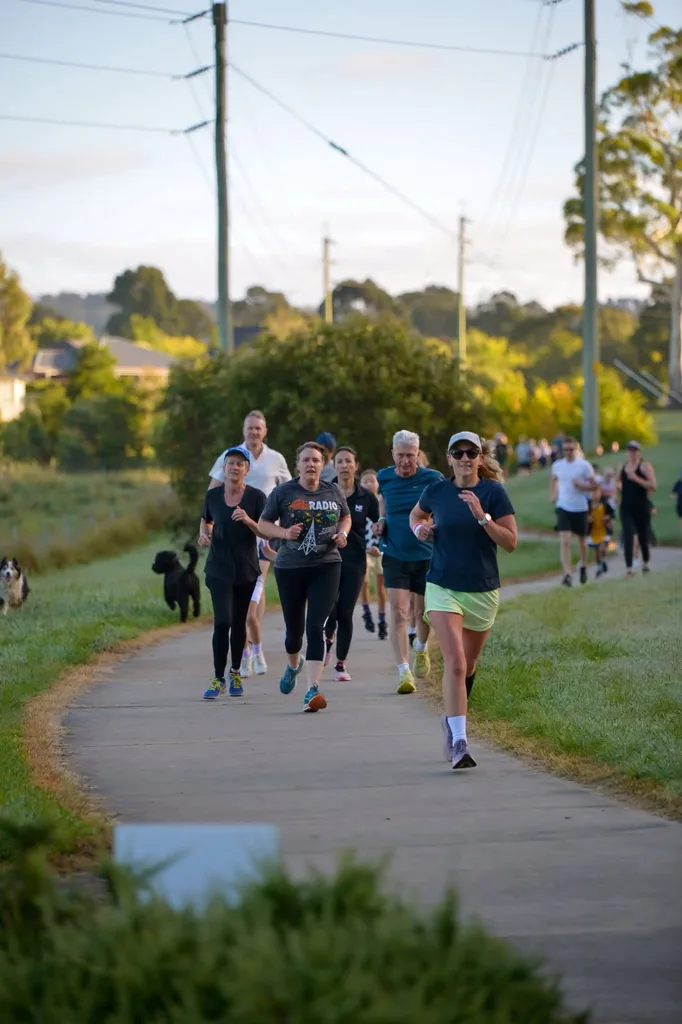
The marathon goal stayed unticked for years. Then last year, with her children getting older, Nikki started running again. One run became another, and she worked her way up to her first half-marathon – and loved it.
“I was like, marathon’s back on the cards,” she laughs.
When Nikki discovered Children’s Medical Research Institute was a charity partner for the Sydney Marathon, she thought back to being a Genie at school. She could run 42km for her 42nd birthday and raise money for the same cause.
“What better way to run my first marathon than something that really matters and makes an impact?”
The realities of living with cystic fibrosis
While Nikki describes her condition as mild, CF still affects her digestive system and energy levels every day.
“I’ve always wanted to be normal, and I like to forget sometimes that I’m not,” she admits. “Then I get a big reminder usually. Something happens or I get a chest infection when everyone else just gets a cold.”
Pancreatic insufficiency and recurring pancreatitis mean she has to be careful about what she eats. She takes preventative antibiotics every day and acts quickly at the first sign of illness.
“When I start to feel a cold coming on, it’s action stations,” she explains. “It’s not, ‘Oh, it’s a cold, I’ll be okay.’ It’s take all the vitamins, eat even better, rest even more. You’ve got to look after yourself.”
For Nikki, one of the hardest parts of CF is what people can’t see.
“It’s so invisible,” she says. “People don’t realise how much you need to rest and how much tireder you get. I look so normal, but sometimes I’m really tired.”
After a long run, there are days when she is so exhausted she struggles to get off the couch to make dinner.
“The amount of rest I need is staggering,” she says. “People just don’t see that part of it.”
‘I’m going to live till old age’
During training, Nikki recorded her highest lung function ever. “I was just so excited, and I told everyone.”
As she explains what the result meant to her, her voice catches. “It gives me that total hope, that belief that I’ve got this. I’m going to live till old age.”
The same bucket list Nikki began at 14 is still with her. “I still have the physical book. I write down when I tick something off and I take photos and stick them in.”
Recently, she wrote another goal. “I added ‘become a grandma’ to the list, dreaming that I can live a full, long, old-age life.”
“Every time I tick something off, it’s been like, ‘I believe that now. I believe in her,’” she reflects. “You can’t help but believe that she’s going to be an old woman one day.”
And what would the 14-year-old who started the list make of her life now?
“14-year-old me would be so surprised and so relieved.”
Jeans for Genes Day is on August 6. You can support Nikki’s Sydney Marathon fundraiser here.

