





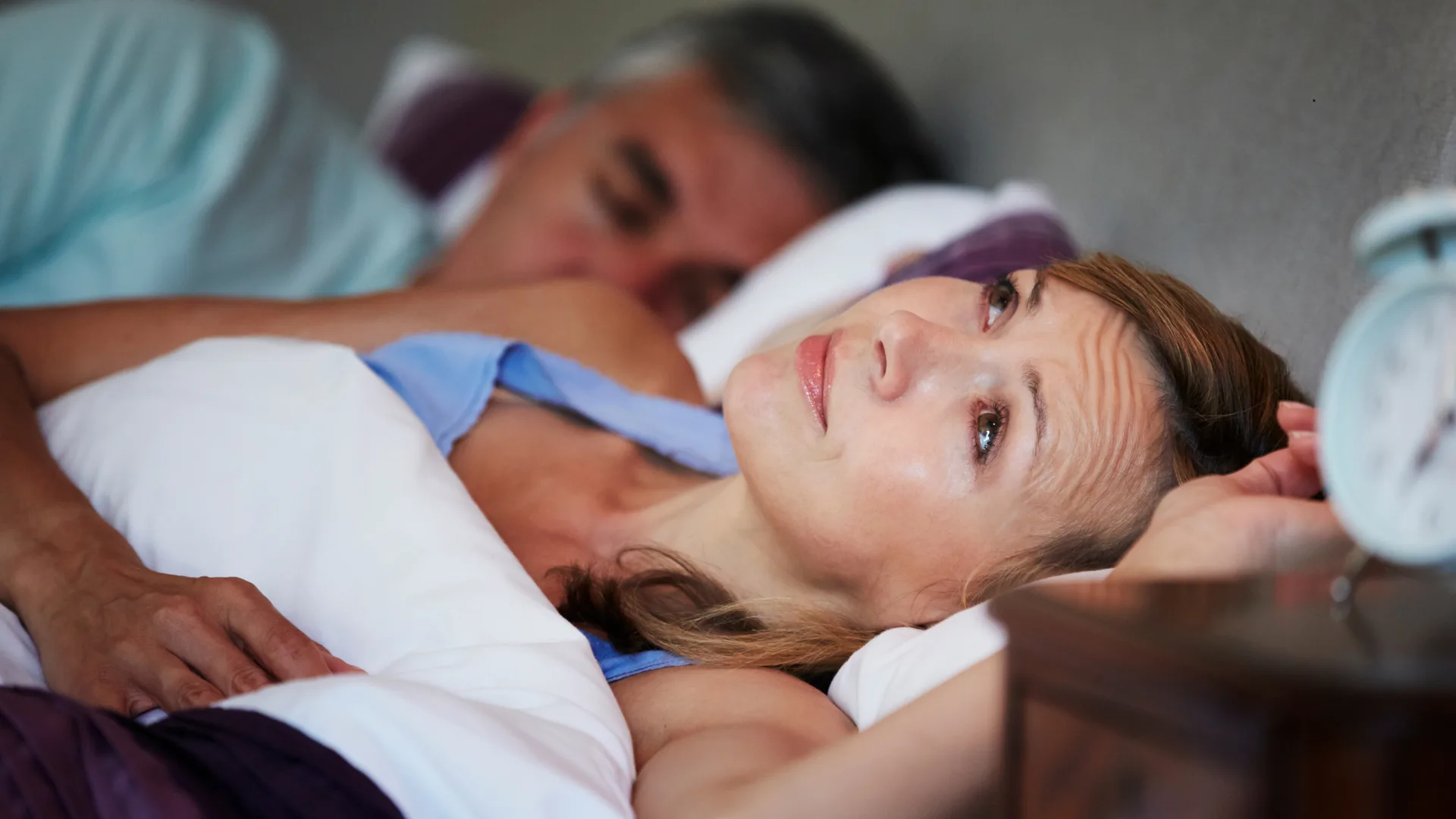
If you’ve been tossing and turning lately, you’re far from alone when you’re staring at the ceiling at 3am. Australians are reportedly sleeping worse than ever, and with stress, screens and late-night scrolling to blame, many of us are searching for a solution.
And that’s where melatonin supplements come in. Once reserved for long-haul travellers and shift workers, it’s now trending on social media, with many singing its praises when it comes to getting some shut-eye.
But this week, the Therapeutic Goods Administration (TGA) issued a warning after testing imported melatonin products bought online. Some contained up to 400 per cent more melatonin than stated on the label, while others had no melatonin at all – just fillers and sugar.
Some batches were also contaminated or undeclared, making them unsafe – especially for children. ABC News recently reported Australian poisons hotlines had received a record number of around 1500 calls last year about children ingesting melatonin, a sharp spike from previous years.
The warning is blunt: if you didn’t get it from an Australian pharmacy or doctor, you can’t be sure what’s in it.
What is melatonin?
As the sun sets and darkness arrives, your brain begins to release melatonin naturally, signalling to the rest of your body that it’s time to wind down.
It doesn’t put you to sleep like a sleeping pill – it simply nudges your internal clock into sleep mode. In a perfect world, our melatonin would rise in the evening, stay high through the night and drop off with the morning light.
But modern life isn’t designed for good sleep. Blue light from our phones, late-night emails, and running through that never-ending to-do list can all blunt melatonin production – leaving us alert when we should be drowsy.
That’s where supplements come in. They’re designed to mimic your natural melatonin signal, giving your body a stronger cue to sleep.
What can melatonin help with?
While it can be beneficial, it’s important to note that melatonin isn’t a magic bullet. Here’s where it can be useful:
- Jet lag – it can help your body shift to a new time zone faster.
- Night-shift work – can be useful when your schedule flips back and forth.
- Sleep-onset insomnia – if you find falling asleep difficult once you hop into bed.
- Delayed sleep patterns – for example, if you’re a night owl who doesn’t get tired until midnight.
If your body clock genuinely needs a reset, melatonin can be helpful. But if you’re using it to silence a racing brain after a night of scrolling and caffeine? There are simpler fixes that don’t require a prescription.
Try this before anything else:


- Dim lights one hour before bed – bright LEDs delay melatonin release.
- Avoid screens in bed – or at least switch them to night mode.
- Keep your bedroom cool and dark – melatonin prefers darkness.
- Go to bed only when you’re sleepy – don’t force it.
It’s important to know what problem you’re trying to solve – because melatonin won’t fix all of them. If you still need help dropping off, have a chat with your GP.
Is melatonin safe?
Generally, melatonin is considered low-risk when taken correctly and sourced safely. However, potential side effects include:
- Daytime drowsiness
- Restlessness or agitation
- Nausea
- Unusual dreams or nightmares
It can also interact with medications such as antidepressants, blood pressure tablets or anticoagulants – another reason to check with your doctor first.

What’s the right dose?
This is where a lot of people go wrong. Because melatonin is often marketed as ‘natural’, many assume more is better. Not true, experts say.
In Australia, doctors usually start with 0.5mg to 2mg, taken 30 to 60 minutes before bed. For jet lag, some products allow up to 5mg, but that’s generally considered the upper limit.
Anything higher – especially the 10mg or 20mg gummies or tablets sold overseas – can backfire. Too much melatonin can cause:
- Morning grogginess
- Headaches
- Stomach upset
- Vivid or unsettling dreams
More doesn’t necessarily mean deeper sleep – sometimes it just means a melatonin hangover.
Can you buy melatonin over the counter in Australia?
Yes, but only if you’re over 55. It is available without prescription as a pharmacist-only sleep aid, but if you’re under 55, you’ll need a prescription.
And those turning to online imports? That’s where the TGA crackdown comes in. Border Force is now actively seizing unapproved melatonin packages entering the country, and consumers have been warned not to take anything that hasn’t gone through Australian safety checks.
The safest path? Speak to your GP as they will be able to advise if it’s right for you.

