


At a glance…
- More than three decades after Fred Hollows’ death, his foundation continues his mission to eliminate avoidable blindness in Australia and around the world.
- Inspired by his work, optometrist Dr May Ho has dedicated her career to improving access to eye care, including helping establish optometry as a profession in Vietnam.
- Now, Dr Ho is encouraging Australian parents to prioritise their children’s eye health, warning that undetected vision problems can have a significant impact on learning and development.
The gift of sight is one most Australians take for granted. But Fred Hollows‘ vision was to remind us that not all people around the world are as lucky to see what we see.
The 1990 Australian of the Year devoted his life to restoring sight in the developing nations and Indigenous communities. And 33 years after we lost him to cancer, the Fred Hollows Foundation continues his quest to eliminate avoidable blindness.
Today, the foundation focuses on more than 25 countries, including Cambodia, Vietnam, Nepal, China, Kenya and Ethiopia. But here in Australia, there’s a new issue hiding in plain sight. Uncorrected refractive error (short-sightedness) is costing Australian children 25,677 years of lost schooling every year, according to the International Agency for the Prevention of Blindness.
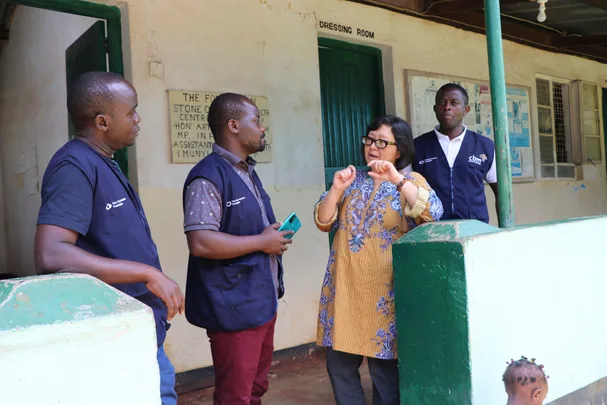
Fred Hollows Foundation medical adviser and optometrist Dr May Ho encourages parents to get their children’s eyes tested early.
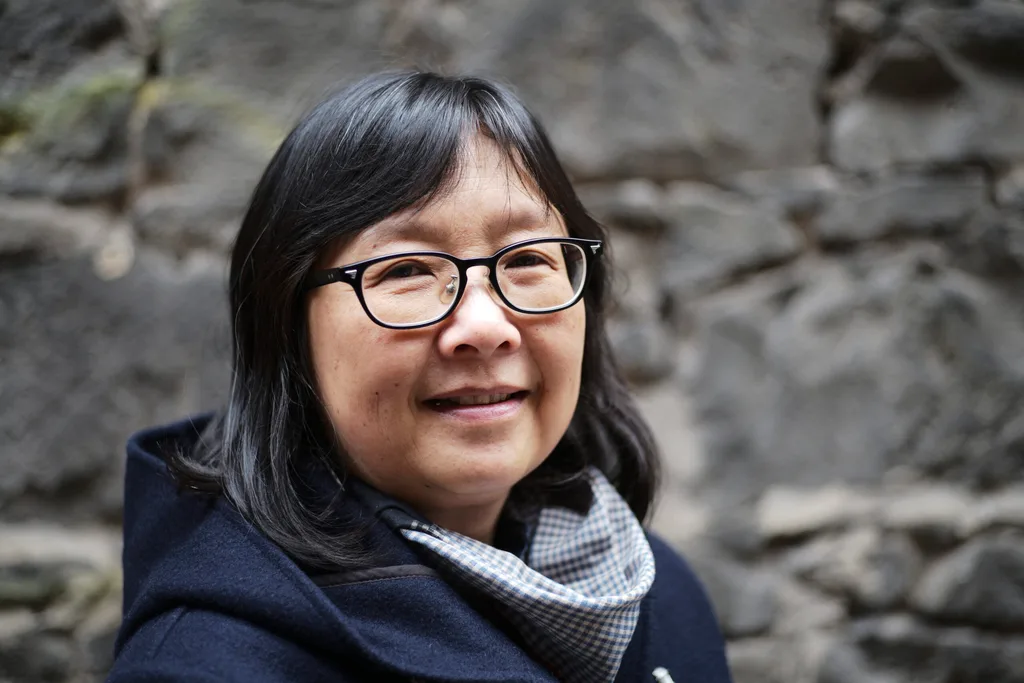
“Too often poor vision isn’t noticed by them or their parents until it’s affecting their educational or social outcomes,” Dr Ho says. Uncorrected refractive error is the leading cause of vision impairment among school children and teenagers in Australia.
“A child with uncorrected vision learns half as much in a year as a classmate with good vision,” Dr Ho continues.
With 30 years of public health and international eye health experience, Dr Ho should know.
Optometry is the family business. Her father and uncles were the first trained optometrists in Malaysia, and Dr Ho was raised in the optical shop they owned.
She moved to Melbourne on her own vision quest.
“I was aware of the inequities facing Indigenous people, and I greatly admired Fred’s work in establishing a national trachoma programme. His approach to eye care for all inspired me on the same path.”
Aboriginal and Torres Strait Islander adults are three times more likely to be vision impaired than other Australians, and uncorrected refractive error causes more than one third of vision impairment in Indigenous people aged 50+, with those statistics even higher in far-flung communities.


“I never wanted to go into private practice,” Dr Ho says. “I wanted to help those people.”

Dr Ho is credited with introducing the profession of optometry into Vietnam, a country of 103 million.
“First I taught them to prescribe glasses and then, in 2014 and 15, we partnered with universities in Ho Chi Minh City and Hanoi to launch optometry degrees.”
Over 600 students have graduated as optometrists in the decade since. And the world will need them, with young people increasingly screen-fixated.
“The use of iPads and iPhones is associated with myopia,” Dr Ho says. “That’s the short-sightedness we’re looking to prevent in children.”
This article originally appeared in the December 2026 issue of The Australian Women’s Weekly. Subscribe so you never miss an issue.
Give a gift that lasts a lifetime. Donating to The Fred Hollows Foundation helps restore sight. It’s a special way to celebrate the season of giving and transform a life forever. Find out more here.

