




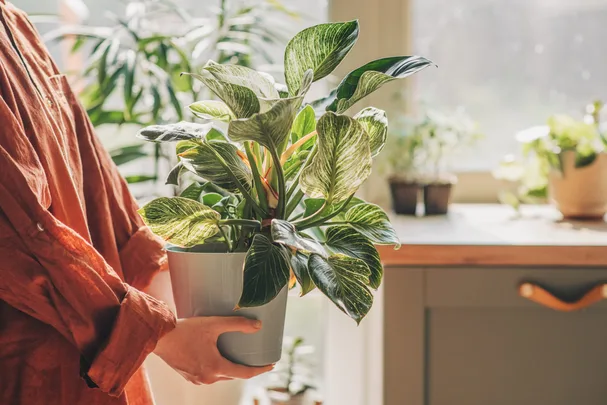
When a heatwave strikes, our pets and ourselves are not the only beings that suffer. If you, like me, caught the potted plant bug during the lockdown period or naturally have a green thumb, it’s important to think of our plants when the temperature starts to rise.
During an Australian heatwave, plants don’t need to be outdoors to suffer. Balcony plants, indoor pot plants and those sitting near sunny windows are often among the hardest hit. Glass intensifies heat, concrete radiates warmth long after sunset, and limited airflow can turn balconies and window sills into miniature hot boxes.
With limited soil volume and exposure to the elements, potted plants can dry out faster, roots can overheat, and soil can even develop hydrophobia, where it literally repels water.
But with simple tweaks and a bit of planning, your plants can stay healthy even during a heatwave.
Why do potted plants need extra care in a heatwave?
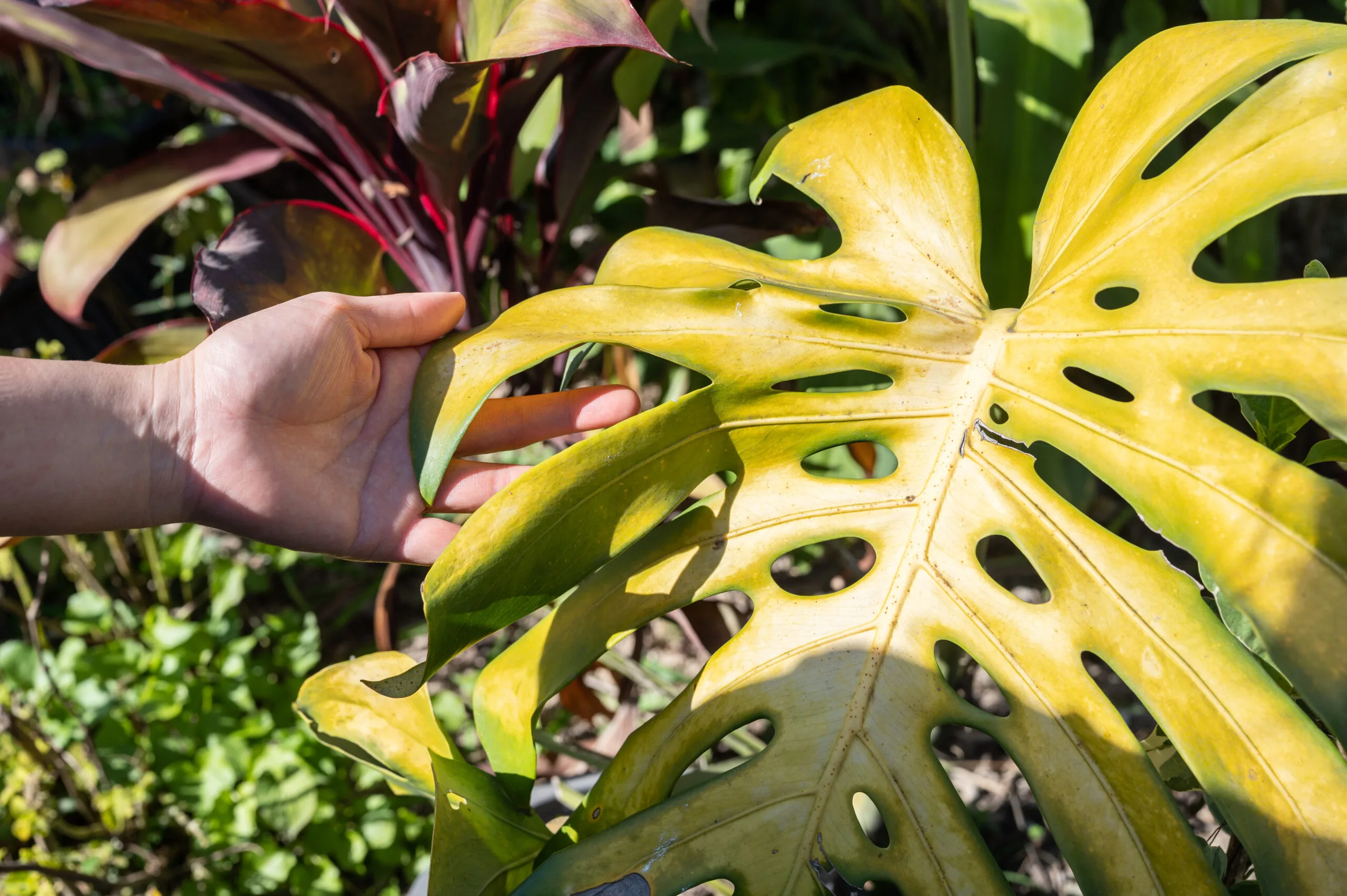
Unlike plants in the ground, potted plants don’t benefit from the earth’s natural insulation. Pots, especially small ones or porous materials like terracotta, can heat up rapidly and lose moisture, leaving plants stressed and thirsty. This can lead to wilting, scorched foliage (black or brown leaves), dropped leaves, stunted growth, or even plant death during prolonged heatwaves.
Plants under heat stress may show drooping, dry, or discoloured leaves, or wilting, even shortly after watering. These signs mean they need extra care. This could mean more frequent watering, better shade, or a cooler spot.
How to keep your potted plants safe in a heatwave
Water deeply and at the right time
Water in the early morning or late afternoon to minimise rapid evaporation and give moisture time to reach the roots before peak heat.
When you water, aim to soak the potting mix thoroughly until excess water drains. This means the moisture has reached the whole root zone, not just the surface.
If you’re unsure, stick your finger into the soil and check for dryness.
During extreme heat, it’s best to check pots daily, or even twice a day for smaller containers or on really hot days, and water when the top centimetre of soil feels dry.
Self-watering pots or containers with a water reservoir at the base help maintain consistent moisture levels during heatwaves. These systems can be useful if you’re out for a day or two, as they release water slowly where roots can access it.
Create shade and avoid midday sun
Even sun-loving plants can struggle in prolonged extreme heat. Where possible, move pots into a shaded spot during the hottest part of the day. Shift pots back from balcony edges and glass railings during heatwaves, or reposition them. Even partial shade can dramatically reduce stress on foliage and help soil retain moisture.
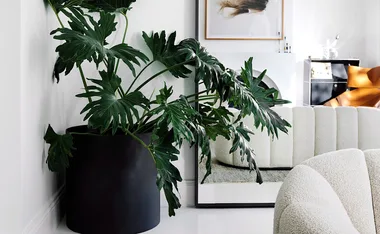
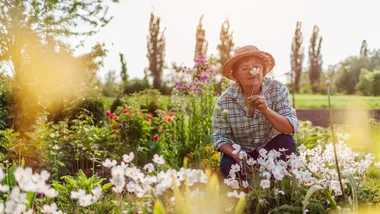
If moving pots isn’t feasible, consider putting up some kind of shade like a fly, tarp, or even a bedsheet, to shield plants from the harshest rays.
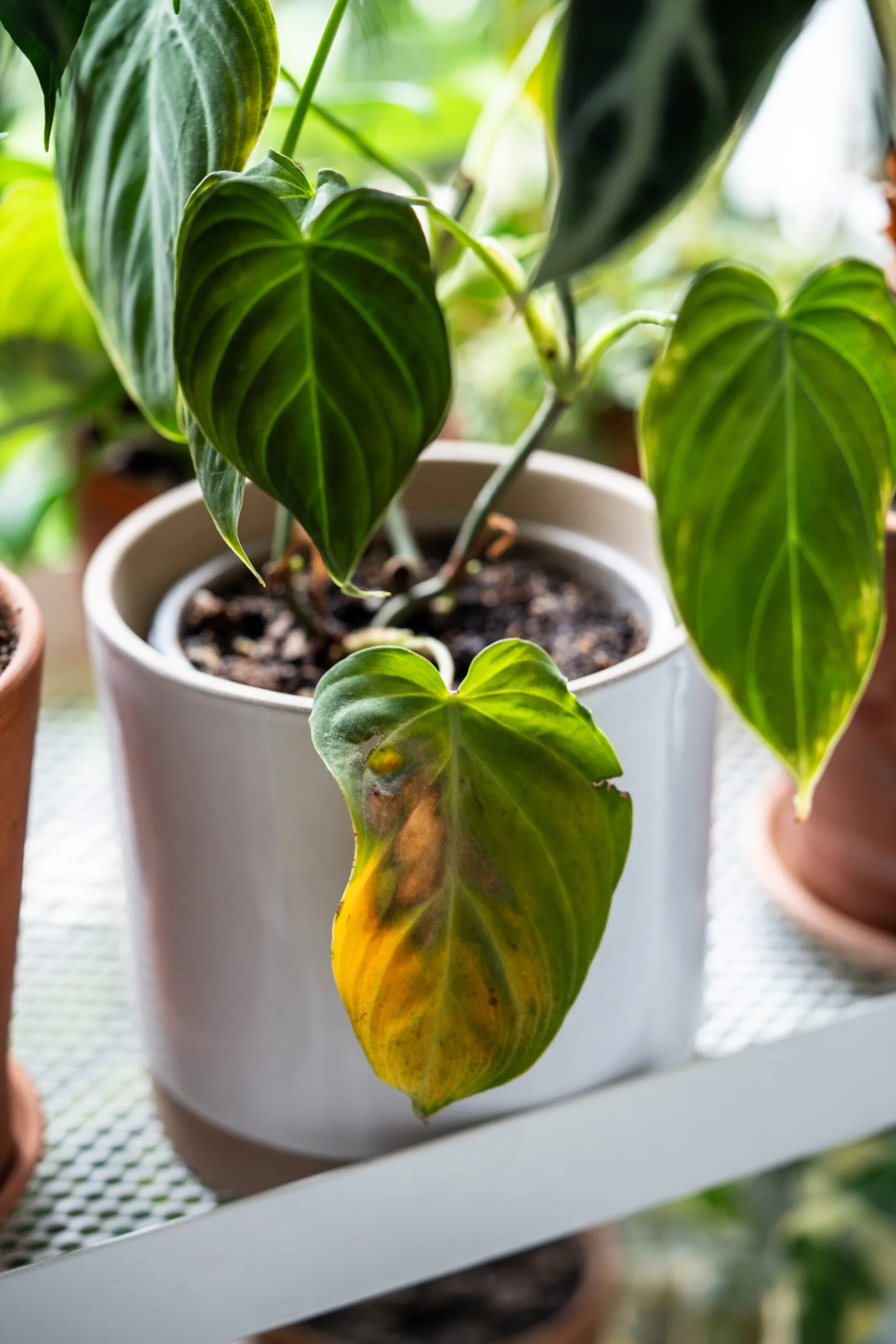
Indoor plants are often assumed to be safe from heat, but plants placed near windows can overheat just as quickly as those outside. Glass can magnify sunlight and trap heat, causing leaf scorch and rapid dehydration, even indoors. So move your plants away from windows, close the blinds or curtains if you’re heading out for the day and check their leaves and soil throughout the day.
Lift plants off hot surfaces
Placing pots directly on concrete traps heat around roots. Elevate them using pot feet, bricks or stands to improve airflow and reduce root stress. Gardening Australia notes that overheated roots are one of the biggest risks for potted plants in summer.
Group plants together
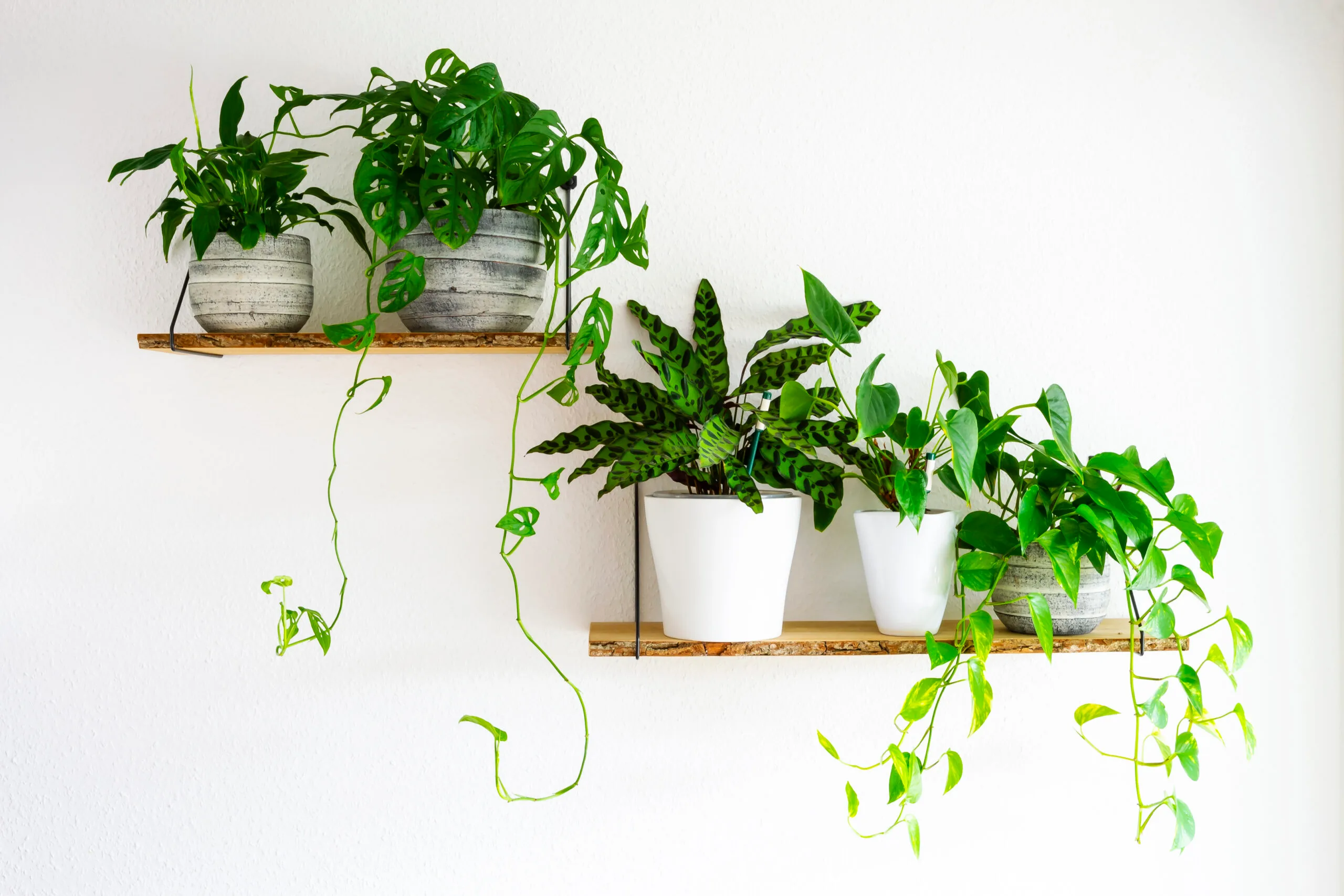
By clustering containers, you create a small microclimate where plants and pots shade one another and slow moisture loss. Some plants like monsteras or pothoses prefer to be shaded and even grow into other plants anyway, as that is how they grow in the wild.
Grouping also makes watering more efficient if you’re using a watering can, wand, or irrigation.
Choose cooler containers
Dark or highly porous pots heat up fastest and dry out quickly. Where you can, choose glazed ceramic, lighter-coloured pots or plastic containers that don’t absorb as much solar heat. If you love the look of terracotta, paint or seal the inside to help reduce moisture loss.
Add some mulch
Adding a thin layer of organic mulch, such as straw, sugar cane, or bark, across the surface of your potting mix slows evaporation, keeps soil temperatures lower, and can even improve soil structure as it breaks down.
Avoid piling mulch directly against plant stems to reduce the risk of rot (and aphids).

