





For many women, the simple act of catching a train or tram can carry an undercurrent of anxiety. Whether it’s the memory of an inappropriate comment on a crowded carriage years ago, or the nervous glance over a shoulder while waiting alone at a dimly lit stop, that quiet anxiety is something countless women know too well.
It’s a feeling shaped not just by what happens today, but by past experiences, sometimes dating back decades. A new study from Monash University reveals that harassment on public transport, particularly during adolescence, has a lasting impact on women’s perceptions of safety well into adulthood and beyond.
For older women, who may travel less frequently, after dark, these concerns are particularly relevant. But the research also highlights how systemic and community-focused solutions can make a real difference.
Harassment leaves a lasting mark
The study, dubbed Women’s Perceived Precautionary Safety on Public Transit: A Life Course Perspective on Harassment Experiences, Anxiety, and Coping Behaviour, surveyed 528 women rail users across Melbourne. Its aim was to understand how harassment shapes women’s perceptions of safety.
Researchers found that both verbal and physical harassment have a lasting impact on how safe women feel while travelling. Verbal harassment — your cat calls, inappropriate comments, etc. — was found to be more common. However, unsurprisingly physical harassment had a deeper, longer-term effect on mental wellbeing.
“Verbal harassment was found to be more common than physical harassment, often triggering greater precautionary behaviour,” explains Dr Rumana Sarker, Research Fellow at Monash University’s Public Transport Research Group. “However, physical assault had a stronger negative effect on perceived safety and left deeper, more lasting effects on overall mental well-being, even when women took steps to protect themselves.”
On a personal note, I can recall one time during one of the COVID-lockdown breaks in Sydney when I was verbally accosted. I was on a bus and was wearing a mask, even though the mandate was lifted. I wanted to keep wearing one regardless. Unprompted, a man went out of his way to tell me I was overreacting. He kept trying to persuade me to remove it. He didn’t go so far as to attempt to remove it himself, but he got close. Myself and another passenger were literally on the edge of our seats in case something kicked off. Thankfully, it didn’t get further than verbal abuse. That interaction, as tame as it was in comparison to other stories, left a lasting mark on me.
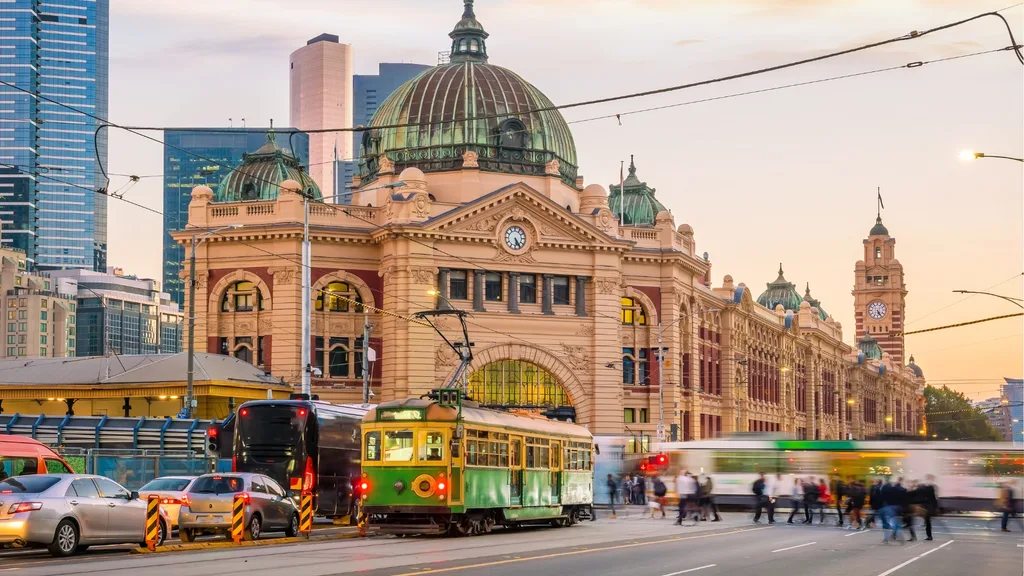
And kind of harassment is one of the most common cited in the study: 34 per cent experienced intimidating, persistent stare or leer and 24 per cent had unwanted attention or interaction (sexual or otherwise) on a medium frequency (once a month). When you look at the younger age groups, that percentage rises to 50 per cent.
How women adapt to feel safer on public transport
In a sad turn of events, according to the study, in response to feeling unsafe, many women develop the aforementioned “precautionary behaviours”.
These behaviours may include:
- Planning routes ahead of time
- Avoiding travel after dark
- Sitting near the driver or other passengers
- Switching to other modes of transport
While these strategies can provide a sense of control, they also place the responsibility for safety on women themselves — rather than on the systems meant to protect them. Or the people doing the harassment in the first place. And do we think that white, straight, men are adopting these same behaviours? I wouldn’t think so. And while I continued to wear a mask throughout COVID, every time I donned a mask to jump on a bus, plane, train, or automobile, I did ask, “will someone be pissed off by this?”
“Personal safety isn’t just a feeling,” says Dr Sarker. “It shapes almost every travel decision women make.”


What’s being done to make public transport safer
Safety is more than lighting and cameras. However, the study does suggest some initiatives designed to deter harassment and protect passengers.
- Early prevention and education: Expand school- and youth-focused campaigns to raise awareness of harassment on public transport, teach appropriate responses, and provide safe reporting options.
- Trauma-informed support: Provide targeted programs for passengers affected by physical harassment, including public education, staff training in trauma-informed responses, and resources to help women plan and navigate journeys confidently.
- Safer after-dark travel: Improve lighting, visibility, and staff presence at stations and tram stops, and consider real-time emergency apps for reporting incidents and accessing assistance.
- Inclusive planning: Incorporate the experiences of CALD and Indigenous women to ensure safety measures reflect diverse needs and perceptions.
- Beyond infrastructure: Combine physical improvements with behavioural and emotional safety measures, such as bystander training and awareness campaigns promoting reporting and challenging harassment.
- Rider co-design: Involve women passengers in planning and feedback to create transit environments that feel safer and more inclusive.
The study does call out its own limitations. It doesn’t survey passengers of other modes of transport, just trams, and it only surveyed women. It also admits that it didn’t account for previous mental health conditions. Plus, it didn’t factor in the typical “safety” of the neighbourhoods of those surveyed. However, its findings reflect sentiments which many of us feel. Hopefully it will push for improved experiences on public transport. Because feeling safe shouldn’t rely on luck.
If you’ve experienced harassment on public transport you can report incidents via your state transport authority or police assistance line. If the experience has left you distressed, support is available through: 1800RESPECT (1800 737 732) – National sexual assault, domestic and family violence counselling service and Lifeline (13 11 14) – 24-hour crisis support.

