




At a glance…
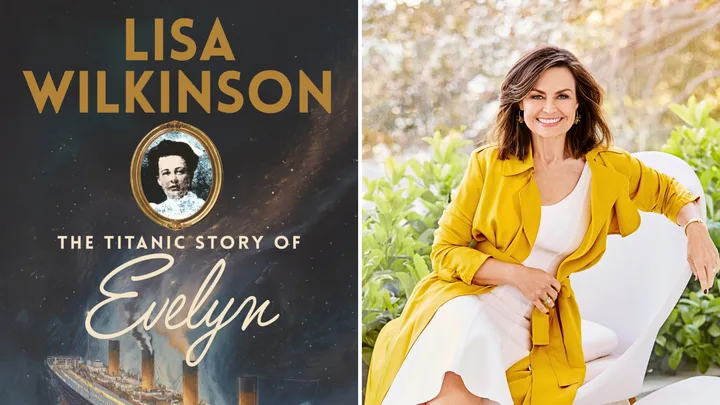
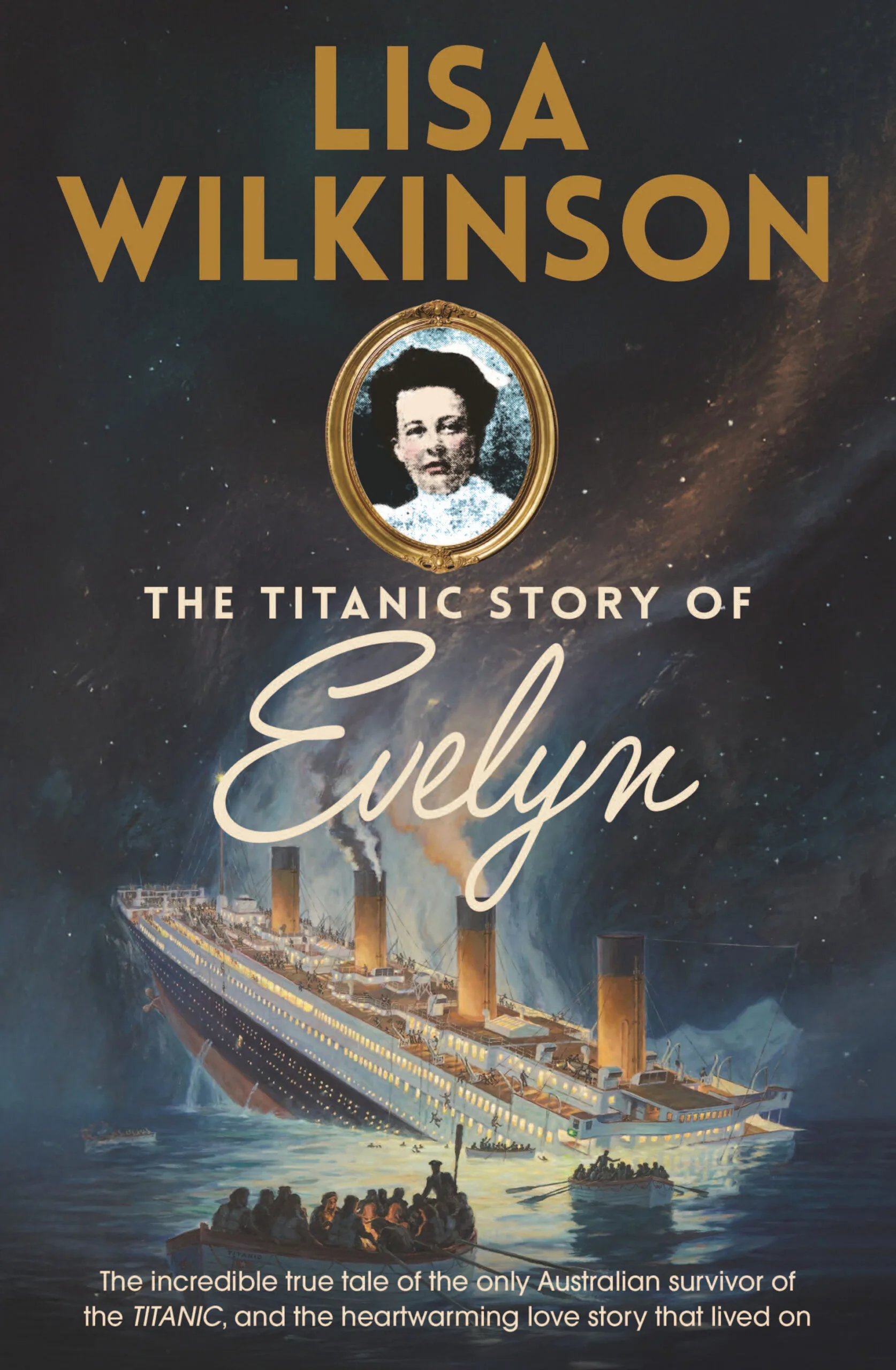
- Award-winning journalist Lisa Wilkinson returns to The Weekly to share the courageous life of Australian nurse Evelyn Marsden, who inspired her latest book, The Titanic Story of Evelyn.
- Australian director and producer Bruna Papandrea and her new outfit The Set Up are adapting Lisa’s best-selling non-fiction book for television.
- Published in April 2026 by Hachette Australia, the book soared to number one on bestseller lists across the country.
- Read Lisa Wilkinson’s feature from the June 2026 issue of The Australian Women’s Weekly.
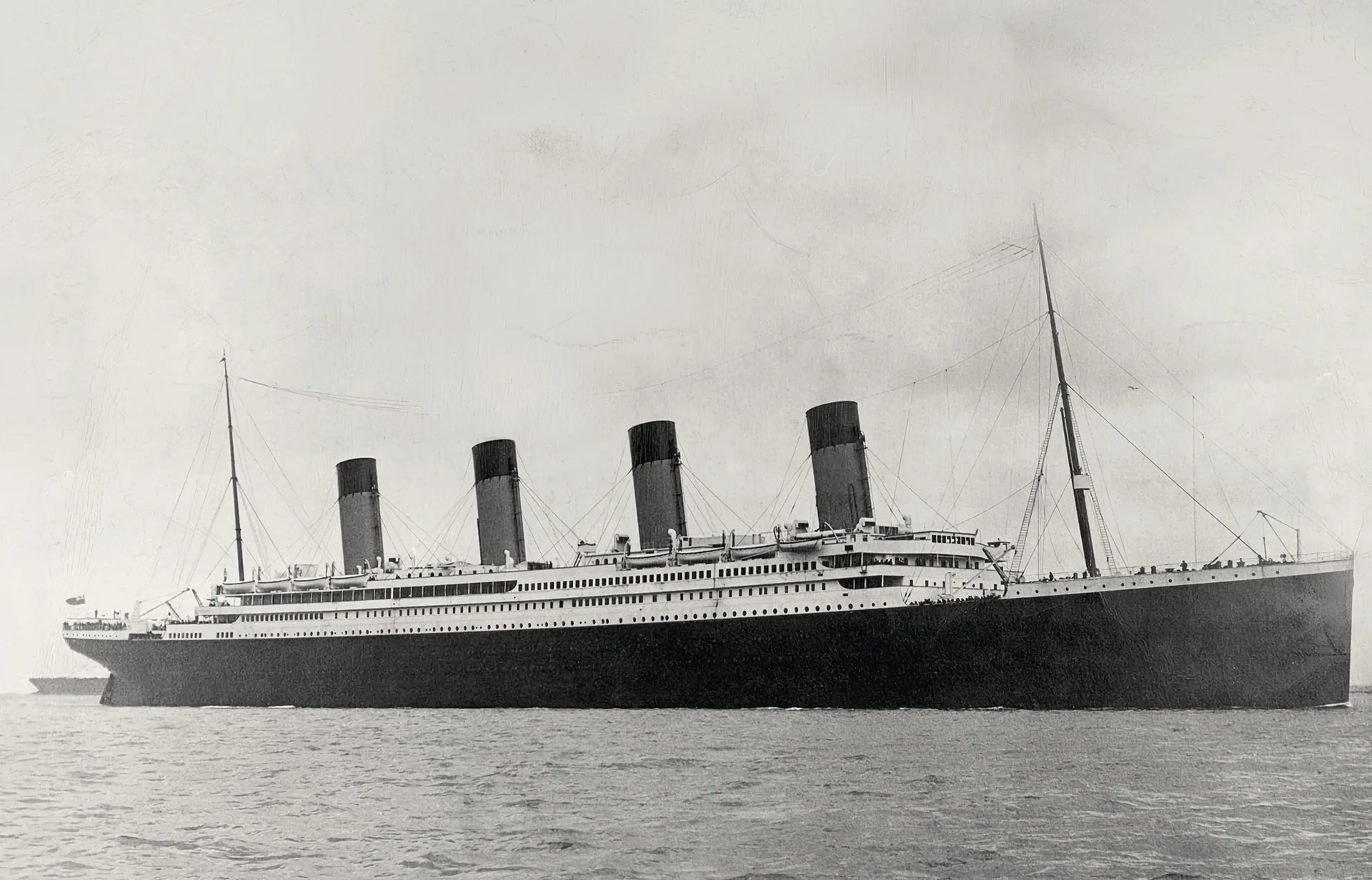
The Titanic Story Of Evelyn was actually an idea that I came up with for my author husband, Peter FitzSimons, after we were both looking at a picture of the Titanic and I asked him, “Have you ever checked to see if there were any Australians on the Titanic?”
I thought that if there were, it might be a good basis for one of his books. Like me, he said, he’d never looked into it. So I began to investigate, and I was shocked to learn that there were six Australian-born passengers and crew onboard. But only one of them survived.
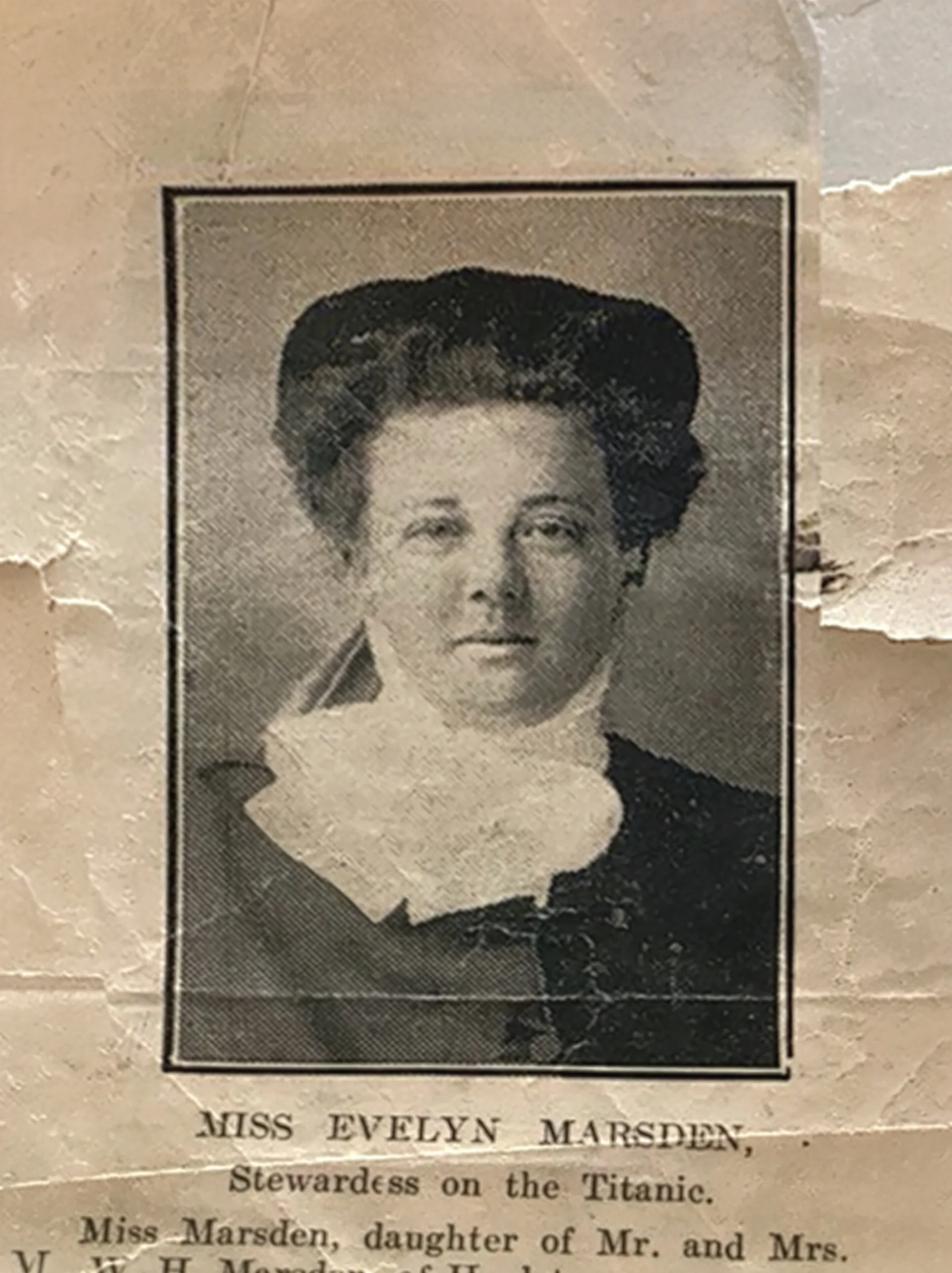
Her name was Evelyn Marsden, a 28-year-old woman from South Australia who was travelling the world as a nurse/stewardess on cruise ships. She was also engaged to a handsome ship’s doctor, William Abel James, whom she’d met through her work and was soon to marry. I was completely intrigued.
I discovered that Evelyn had grown up an hour-and-a-half north of Adelaide in a tiny place called Hoyleton. The youngest of five children, as a teenager she’d hero-worshipped her oldest brother, Tommy. He taught her to ride horses – not side-saddle, as was the accepted practice for women at the time. Evelyn always rode astride, like Tommy, and quickly became an accomplished horsewoman. Much as her mother Annie was displeased, she nevertheless finally made her wilful youngest daughter a pair of culottes in order to save her dignity on the many afternoons she and Tommy went riding through the countryside.
Evelyn was also a champion rower and regularly made trips to Murray Bridge to row on the Murray River. Like everything Evelyn ever took on, she wanted to challenge herself, and unlike the others in the rowing club, Evelyn would always row against the tide.
When I heard those words, I wondered how many women, in their everyday lives, feel like they’re constantly rowing against the tide. At the time, I felt like I was doing that every day, as I was in the middle of the Bruce Lehrmann court case. I was spending far too much time with lawyers for my own good, and I was no longer on air working as a journalist, so Evelyn’s story and desire to challenge norms really resonated with me.
Once I started researching all the books, movies and documentaries that were already out there on the Titanic, it seemed that these accounts had consistently been told by men. I couldn’t believe that no one had ever looked at the Titanic through the female lens.
Beyond Evelyn’s own magnificent story of heroism and profound courage, there were so many other incredible women on board that ship: Authors, poets, businesswomen, political activists, female millionaires, top fashion designers, lawyers, magazine columnists, a big game hunter, and even the highest-paid movie actress in the world. This was an opportunity to celebrate their collective magnificence.
Pete could see that Evelyn’s was indeed an incredible story, and one that had remained untold for more than a century. His publisher immediately agreed, but insisted
that this wasn’t a “Pete book, it’s a Lisa book”.
I remained unconvinced that I could accomplish such a huge task, but when – just three hours after speaking with the publisher – news broke that the OceanGate submersible had gone missing in the North Atlantic on a trip to visit the wreck of the Titanic, I took it as a sign.

I now had to tell this story, and Evelyn and I began our journey.
Of course, 1912 was right in the middle of the rise of the suffragettes, and South Australia was only the second place in the world where women got the right to vote. Evelyn grew up amongst all this, and it clearly got into her bones.
As a young girl, Evelyn didn’t see marriage and children in her immediate future. She always wanted to work and regularly helped her dad, Wally, who was the stationmaster at Hoyleton.
Part of her job was to learn Morse code and take down the messages as they arrived for the Hoyleton locals. It was a job she loved until the day, two months after Tommy had left to serve in the Boer War, when she took down the official message from the Minister for the Army announcing, with regret, that Tommy had died.
I think Tommy’s death affected her deeply, and she soon headed to Adelaide Hospital to train as a nurse. From that moment, Evelyn wanted to give back; she wanted
to save lives. At Adelaide Hospital, Evelyn met an older female patient who needed a nurse to accompany her on a voyage to London. Evelyn had always dreamed of travelling the world, and this was her ticket.
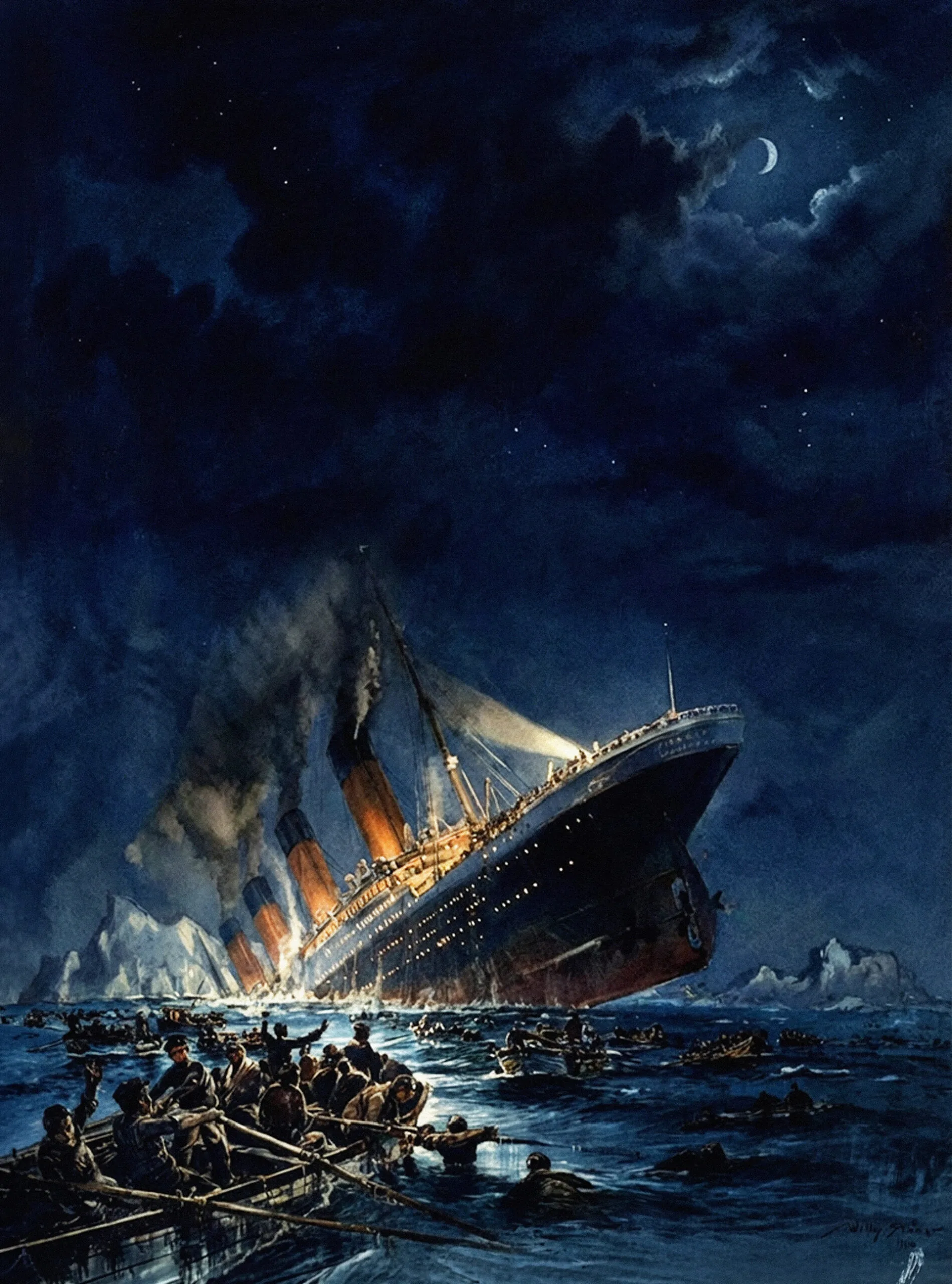
This was the age of the new, luxurious super cruise-liners, and from the moment she arrived in London, Evelyn knew this was the life for her. It was on one of those ships
that she met and fell in love with William. They began travelling the world together and soon heard news of the maiden voyage of the Titanic – a ship that everyone had
been told was ‘unsinkable’.
This was the biggest, grandest ship ever built, and was due to leave Southampton in April 1912. William and Evelyn both applied and were told they’d been accepted, but at the last minute, William was transferred to another ship, the Macedonia, bound for Sydney. So Evelyn sailed alone.
With her excellent references as a diligent nurse and stewardess, loved by everyone she worked with, Evelyn was immediately assigned to first class, with its extraordinary mix of the wealthy, famous and influential on board. These literally were the kings of the world. But the women on board – from the actresses to the activists – were what fascinated me. And they clearly fascinated Evelyn as well.
On the night that the Titanic collided with the iceberg, Evelyn was among the first to appreciate the seriousness of the situation because, with her understanding of Morse code, she could read the messages being sent from the bridge. Even though this ship was meant to be unsinkable, Evelyn knew it was going down.
As a crew member, Evelyn had made peace with the fact that she could not take one of the spots in the lifeboats, of which there were far too few to save everyone. So she spent the following hours helping women and children secure their lifebelts, helping them over the gunwale and into the lifeboats high above the freezing ocean, watching as they said goodbye to husbands, fathers and even teenage sons, who could not go with them. Evelyn witnessed scenes of utter distress but remained calm, knowing she could help.
In researching Evelyn’s life, these consistent qualities of selflessness, giving back and serving others kept coming through. It was clear that all those skills, and just
the sheer resilience she’d developed growing up in South Australia, were put to good use that night.
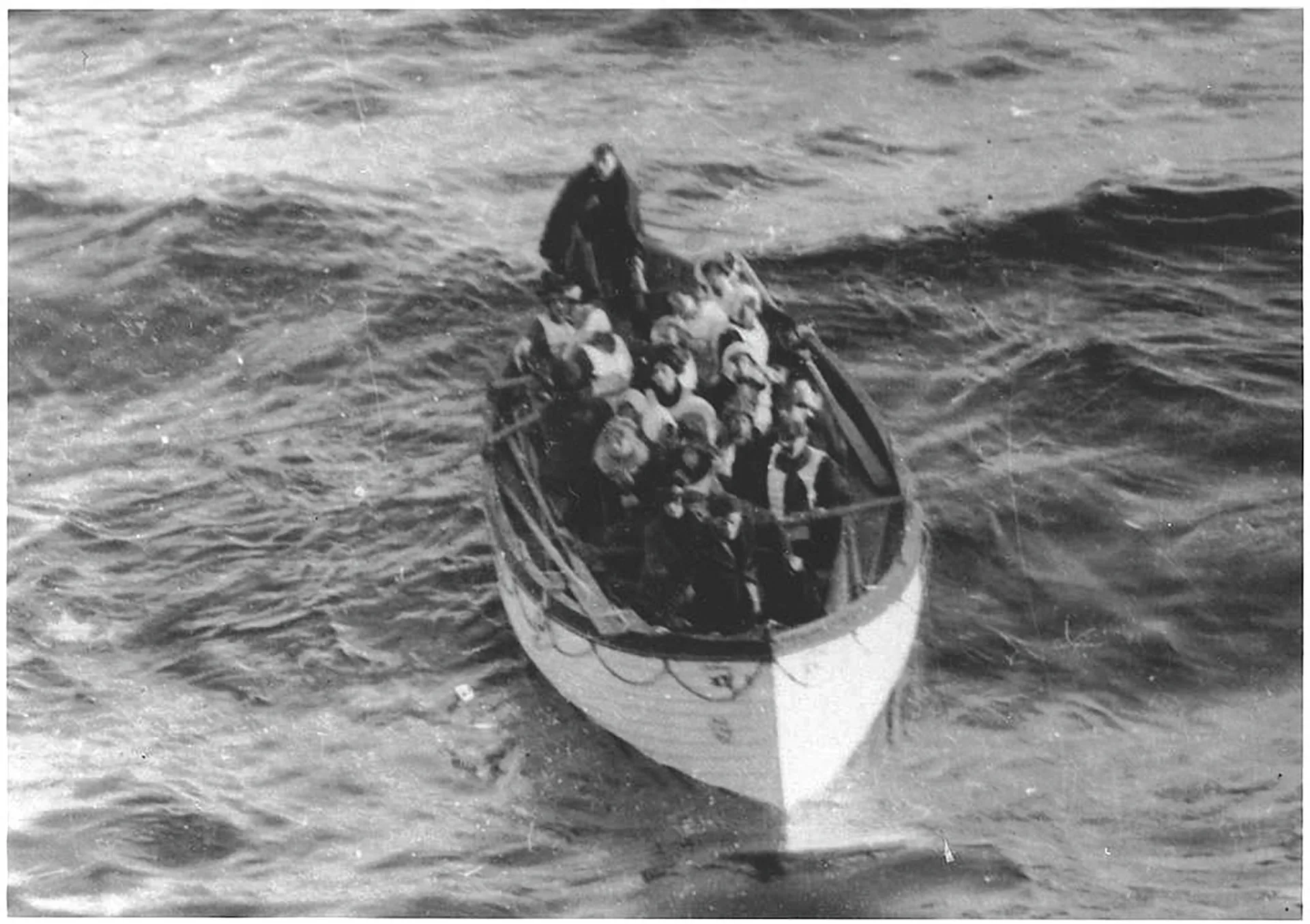
One of the last lifeboats to be lowered was number 16. Again, Evelyn was selflessly helping others to board. And with just a couple of spots left in the boat, seemingly out of nowhere, a man stepped forward and ordered her to get in. Evelyn thanked him but said, “I’m crew. I can’t. I’m just happy to help.”
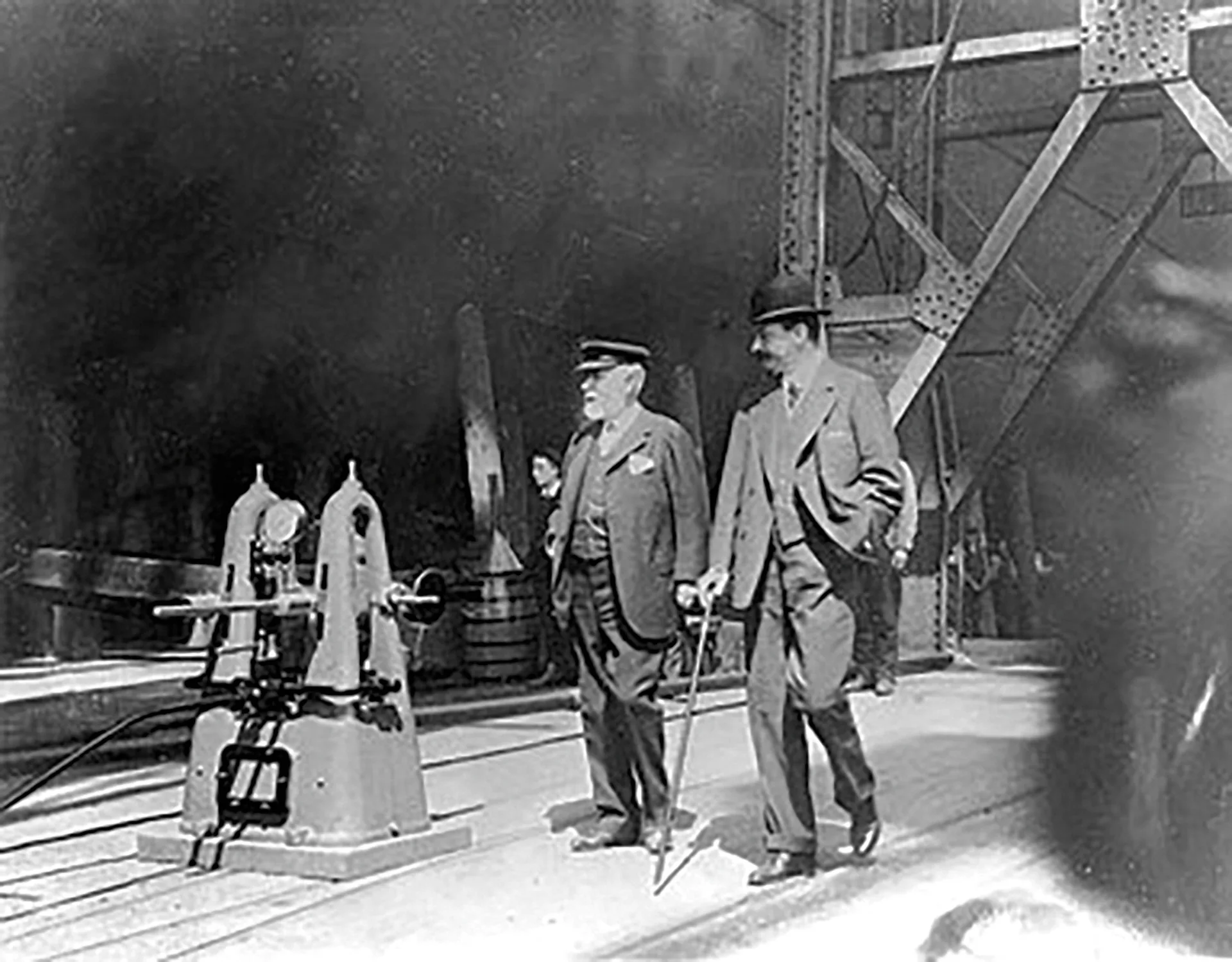
To which he replied, “My name is J. Bruce Ismay. I own this ship. Get in that lifeboat.”
He was indeed the managing director of the White Star Line, which owned the Titanic, and for all her independent spirit, Evelyn would have respected his authority. Even so, I’m sure the only way she could have made peace with getting into that lifeboat was by looking at its oars and thinking, ‘I can row.’
The order, as each lifeboat left, was to row as far away from the ship as possible because, when this 52,000-tonne vessel went down, they were told, it would suck everything in the immediate vicinity with it. So, when lifeboat 16 hit the water, Evelyn rowed as she had never rowed before. The two ship’s doctors – one of whom had taken William’s place – both perished. Evelyn, though, did survive and was among those who were rescued from the icy North Atlantic by the crew of the RMS Carpathia early that morning.
By the time she arrived in New York, news of the fate of the Titanic had spread around the world and neither William nor her family back in South Australia held out much hope, as her name hadn’t appeared on the first survivors lists.
Then, a day after her rescue, Evelyn had just enough money to send two telegrams – one to William and another to her family back in Hoyleton – both containing exactly
the same words: “Safe. Evelyn.”
The Titanic Story of Evelyn by Lisa Wilkinson, Hachette, is available now.
This article originally appeared in the June 2026 issue of The Australian Women’s Weekly. Subscribe so you never miss an issue.

