




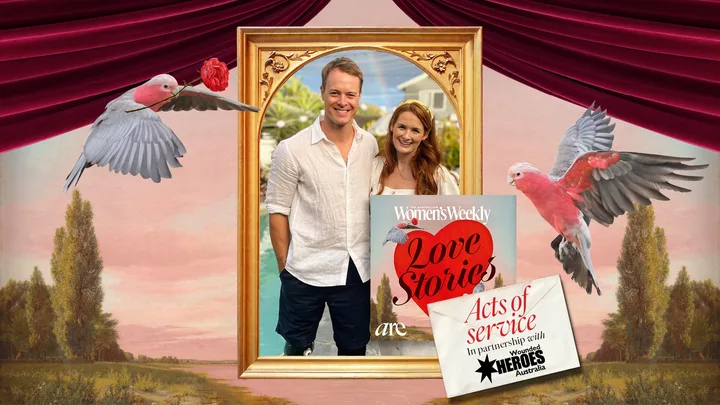
At a glance
- Curtis and Rachel McGrath are our guests on a new episode of the Acts of Service podcast, brought to you by The Australian Women’s Weekly Love Stories.
- In 2012, Curtis McGrath OAM lost both his legs in Afghanistan after stepping on an IED. He is now one of our most decorated Paralympians.
- Rachel was by Curtis’ side as he recovered from his injuries. Today, the pair are married and have a son (with another baby on the way!)
When Curtis McGrath OAM was deployed to go to Afghanistan in 2012, a tour where he would be clearing landmines and IEDs (Improvised Explosive Devices) his girlfriend, Rachel had one question: “What are you going to do if you lose your legs?”
“I understood what the job was,” she says now as the couple join us for an episode of Acts of Service, a new series from The Australian Women’s Weekly Love Stories podcast. “I was very aware of the dangers. And (Curtis) just said, ‘Oh, I’ll join the Paralympics.”
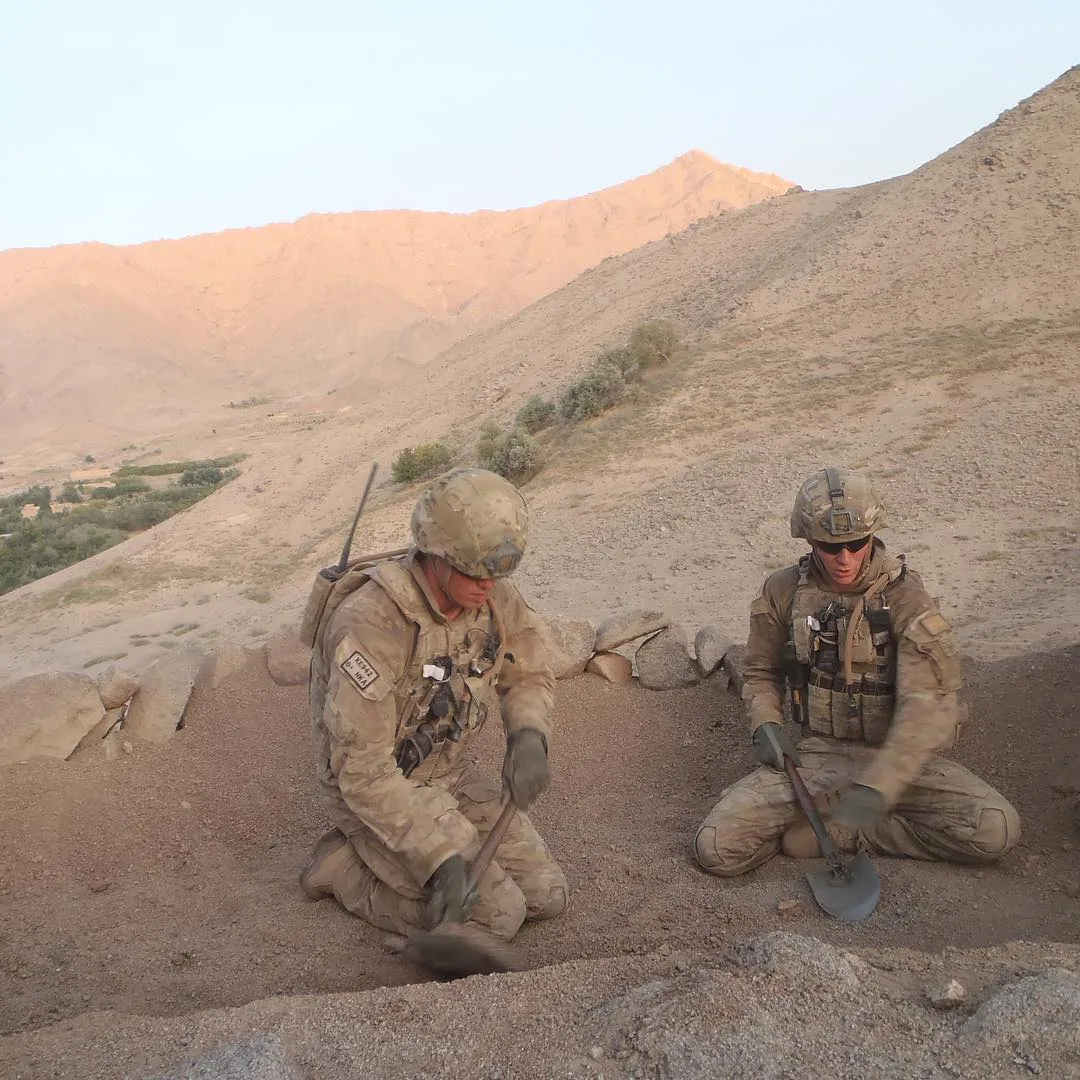
Curtis’s role was one of the most dangerous for combat engineers. But he felt a sense of responsibility to do it, to help locals in the area be able to move freely. “The indiscriminate nature of an IED, it doesn’t matter if it’s a battle tank or a school bus full of kids,” he explains. “It was a very dynamic and difficult role. But at the same time, an opportunity to help people was ultimately the reason why you put your hand up.”
Three months into his tour, the unthinkable happened. On August 23, 2012, Curtis stood on top of an IED they’d missed during an earlier mission. He lost both his legs in addition to other severe injuries. And Rachel – then studying to be a doctor – was by his side for the gruelling recovery to follow.
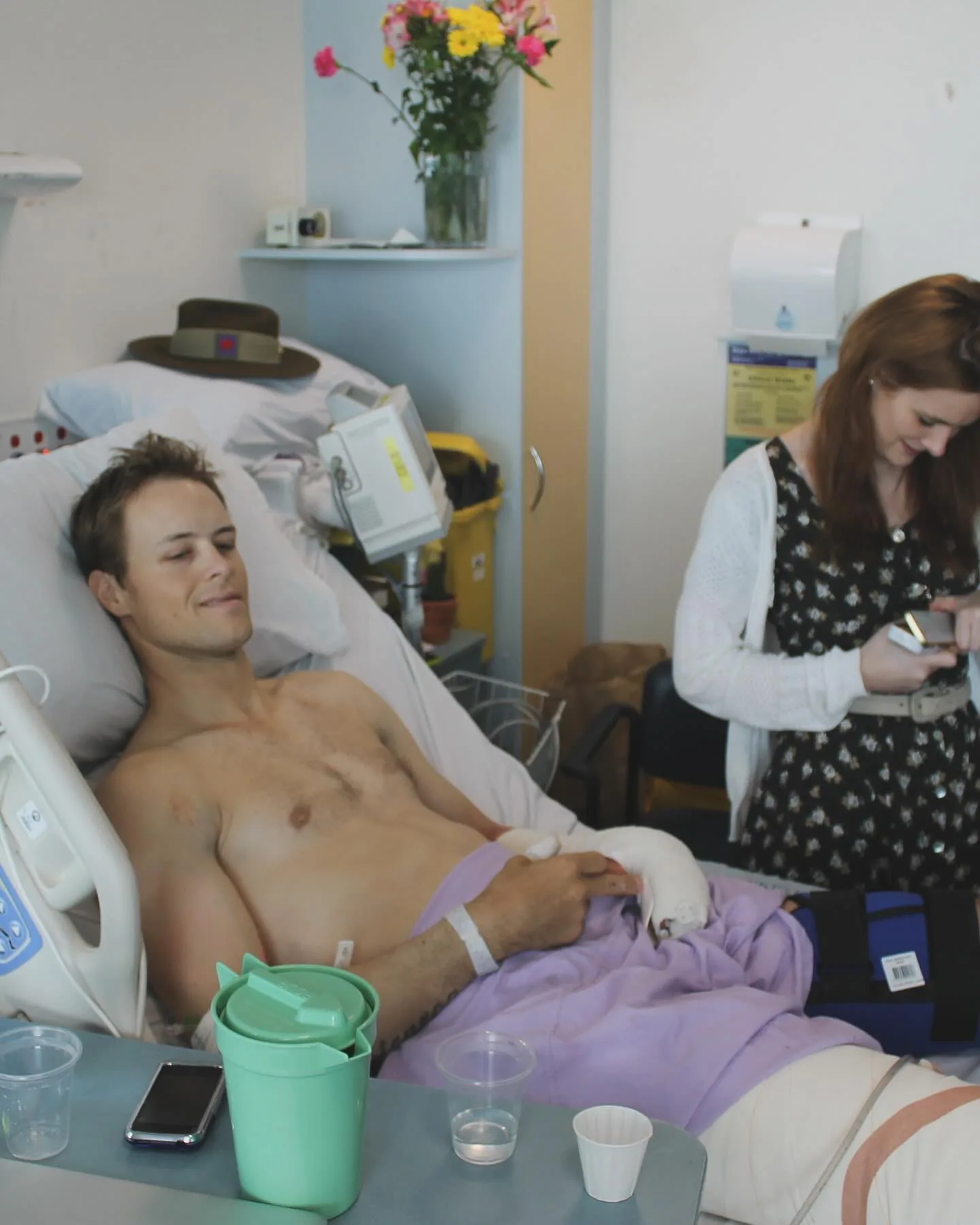
As something practical to do ahead of visiting him in hospital, she hit the internet. “I Googled the Paralympics and tried to work out what classifications he’d need so that at least I had a bit of a game plan going forward,” she says. “I think that’s probably how I coped with it.”
It was, however, what the pair needed. A focus on the future that looked very different to the one they had planned.
Listen to the episode:
Curtis still remembers the moment in the hospital as he attempted to perform what were once ordinary tasks when it hit him: “That was now my life.”
“I was now a person living with a disability,” he says. “I now needed wheelchairs and prosthetics and shower chairs and driving modifications just to have a normal life. And that was a real big slap in the face of what my perceived assumptions of where I thought I was going or who I was.”
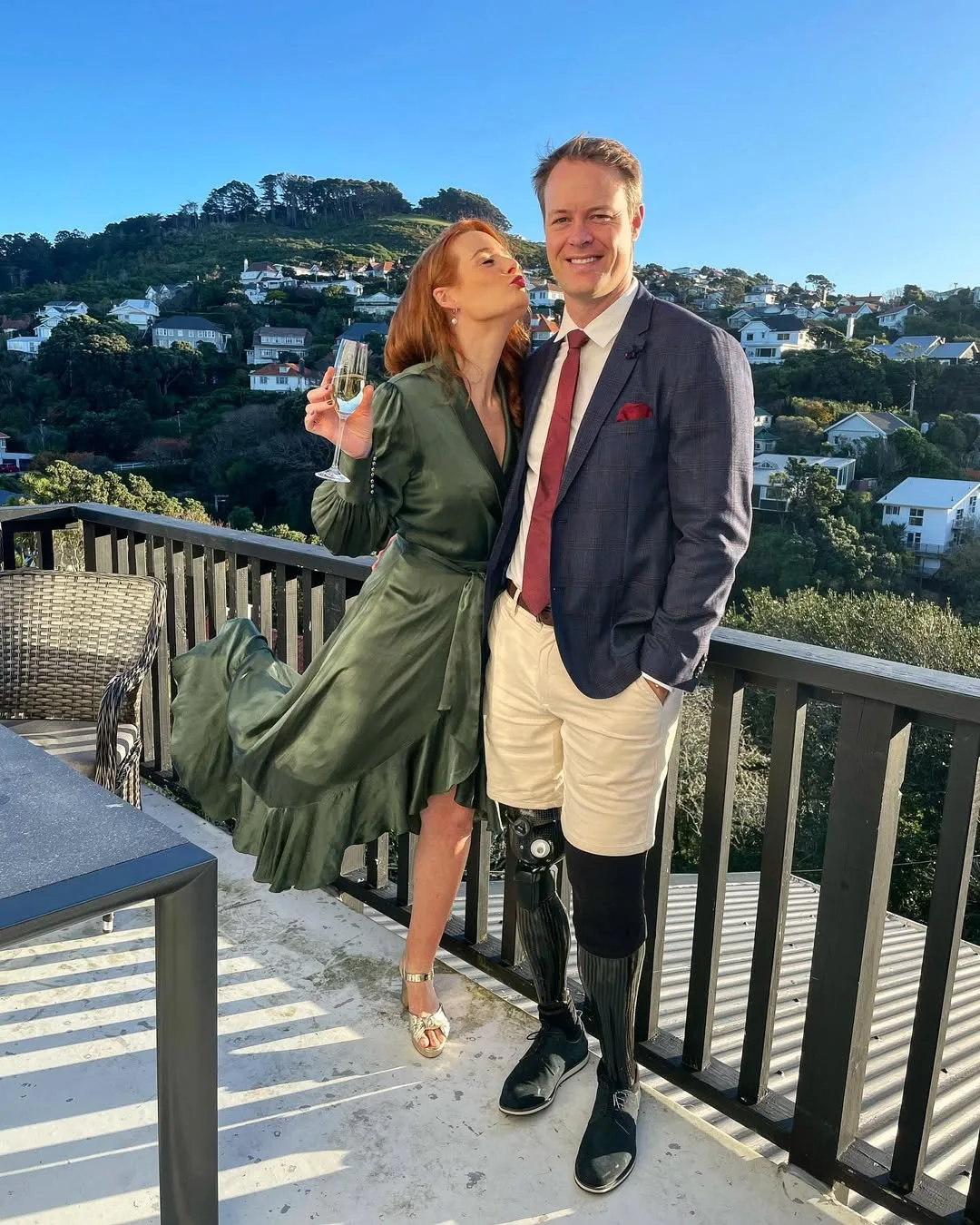
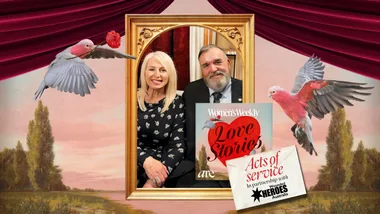
And Rachel too, despite being incredibly pragmatic about his injuries, struggled too. Like many loved ones of veterans, she admits, “it can be quite lonely at times. It can be quite a heavy burden.”
She relied on family and friends. But it was going to the Invictus Games for the first time in 2014 that she found support from people who truly understood her situation. Families of veterans who were missing limbs and “just getting on with things.” It was nice, she said, “to feel normal.”
“I specifically remember seeing people who had kids,” she recalls. “I knew that’d be a way off for us. But being able to talk to them and say, ‘How do you do it? You don’t have any legs. What do you do when they run away from you?’ Just simple, practical things. Being able to have these big open conversations and share a beer with people talking about what life looks like. And life looks very normal. It’s just everyone’s normal can look slightly different from each other.”
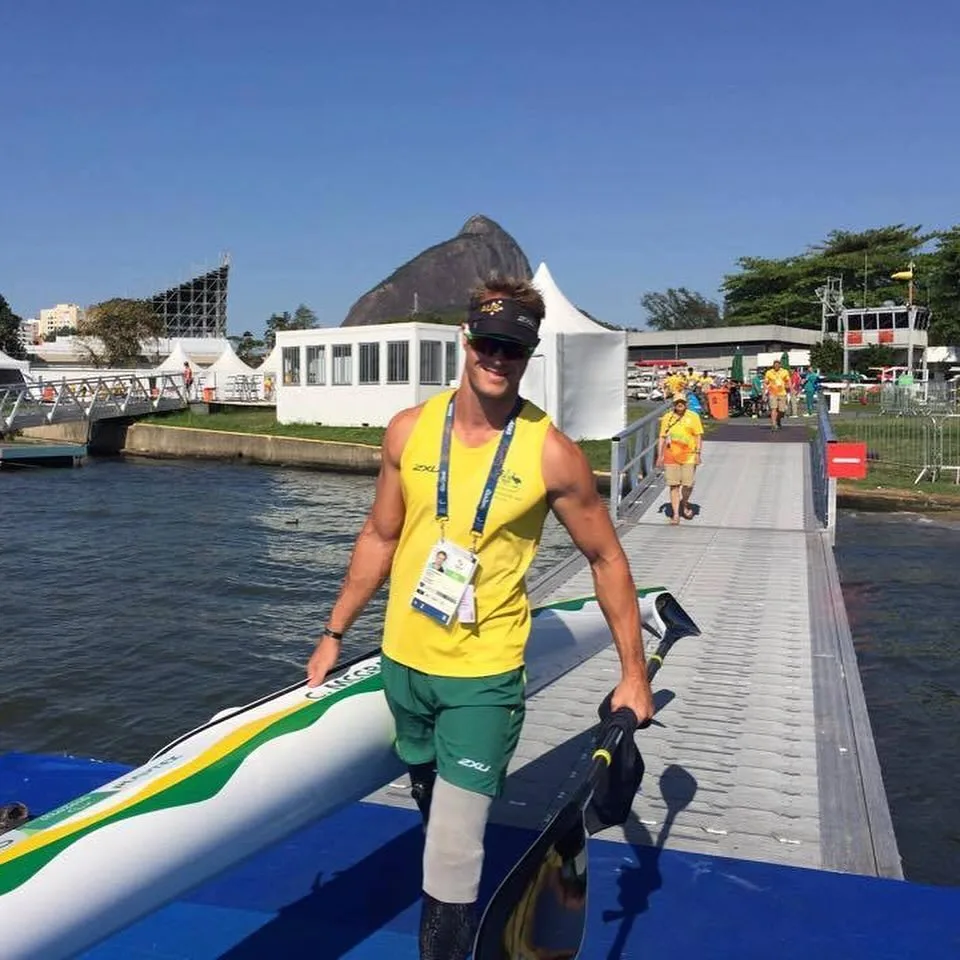
The lack of support for veteran’s families is why the pair – who wed in 2019 and have a baby boy (and a second child arriving any minute) – took part in this podcast.
Acts of Service is made in partnership with Wounded Heroes Australia, the only 24/7, 265 days a year crisis service for veterans and their families. But with no government funding, they rely on public donations to keep this crucial work going. And this is where you can come in. To help keep this vital service alive, head to woundedheroes.org.au to donate or learn more.
In this conversation, Curtis wants to highlight the crucial role partners of veterans play after service; when injuries – physical, mental and emotional – wreak havoc.
“They are the front line of that recovery, that rehabilitation,” Curtis says. “It’s a big role. We sign up as service people. And often our partners don’t necessarily get a choice in the cost and the sacrifice of that.”
Watch the episode:
Acts of Service is brought to you by Wounded Heroes Australia.
Listen to the Acts of Service podcast from The Australian Women’s Weekly Love Stories wherever you get your podcasts. More information here.

Wounded Heroes is a national, grassroots charity that provides 24/7 crisis support for current serving Australian Defence Force members, veterans and their families that experience financial crisis, homelessness or are at risk, or family and domestic violence (FDV). If they need urgent financial support for things such as food, fuel and / or emergency accommodation – we are only a phone call away: 1300 532 112

