




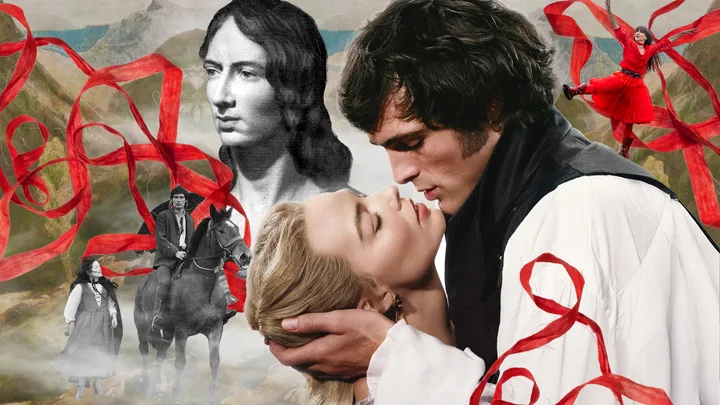
On the eve of the release of a new ‘Wuthering Heights’ film, starring Margot Robbie and Jacob Elordi, The Weekly ponders why Emily Brontë’s violent tale of star-crossed lovers still haunts us…
The critics unleashed a hailstorm of shock and awe. One described the work as “disagreeable”, another “grotesque”, yet another as “a compound of vulgar depravity and unnatural horrors”. “We know nothing in the whole range of our fictitious literature,” wrote a reviewer from The Atlas, “which presents such shocking pictures of the worst forms of humanity.”
Film director Emerald Fennell can take heart from these 1848 reviews of Emily Brontë’s heart-stopping novel, Wuthering Heights. Reactions to her much-anticipated cinematic take on the Gothic tale of ill-fated love and retribution pale in comparison.
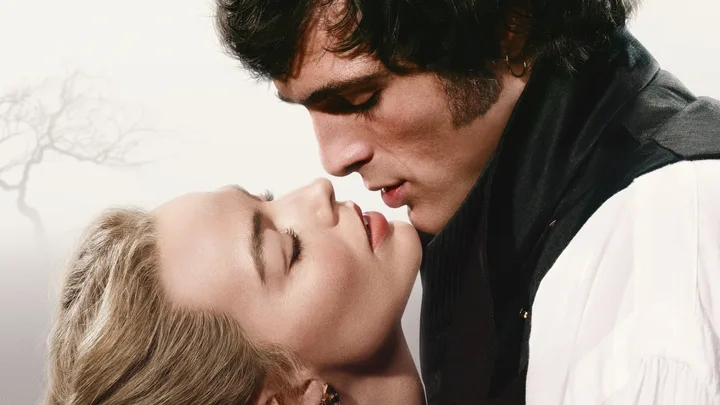
Which is not to say pre-emptive reviews have been glowing. Audience feedback from an early test screening included “aggressively provocative” and “tonally abrasive”, alongside criticism of the casting of Margot Robbie as Catherine (too old), Jacob Elordi as Heathcliff (too white) and the costumes (too historically inaccurate). There has also been an uproar around what one viewer described as the film’s “stylised depravity”.
Award-winning author, literary academic and Wuthering Heights superfan Kate Forsyth suspects Emily Brontë’s sympathies would lie with the director. “Wuthering Heights was so out there – radical, subversive – so shocking,” she tells The Weekly. “This is why it received such a poor critical response when it was first published and why, initially, it sold very poorly.”
Kate first read Wuthering Heights at 12 and was “swept away”. She read it again at 22 and has returned to it every decade since. Each time she garners something new.
“One of the reasons why Wuthering Heights fascinated me as a young woman is why it fascinates so many young women,” she says.
Much of the passion and devastation of Catherine’s life unfold between her 15th and 18th birthdays. She falls hopelessly in love, cruelly betrays the man she believes is her soulmate, marries a wealthy neighbour, has a child, and becomes devastatingly ill. And we’re only halfway through the book.
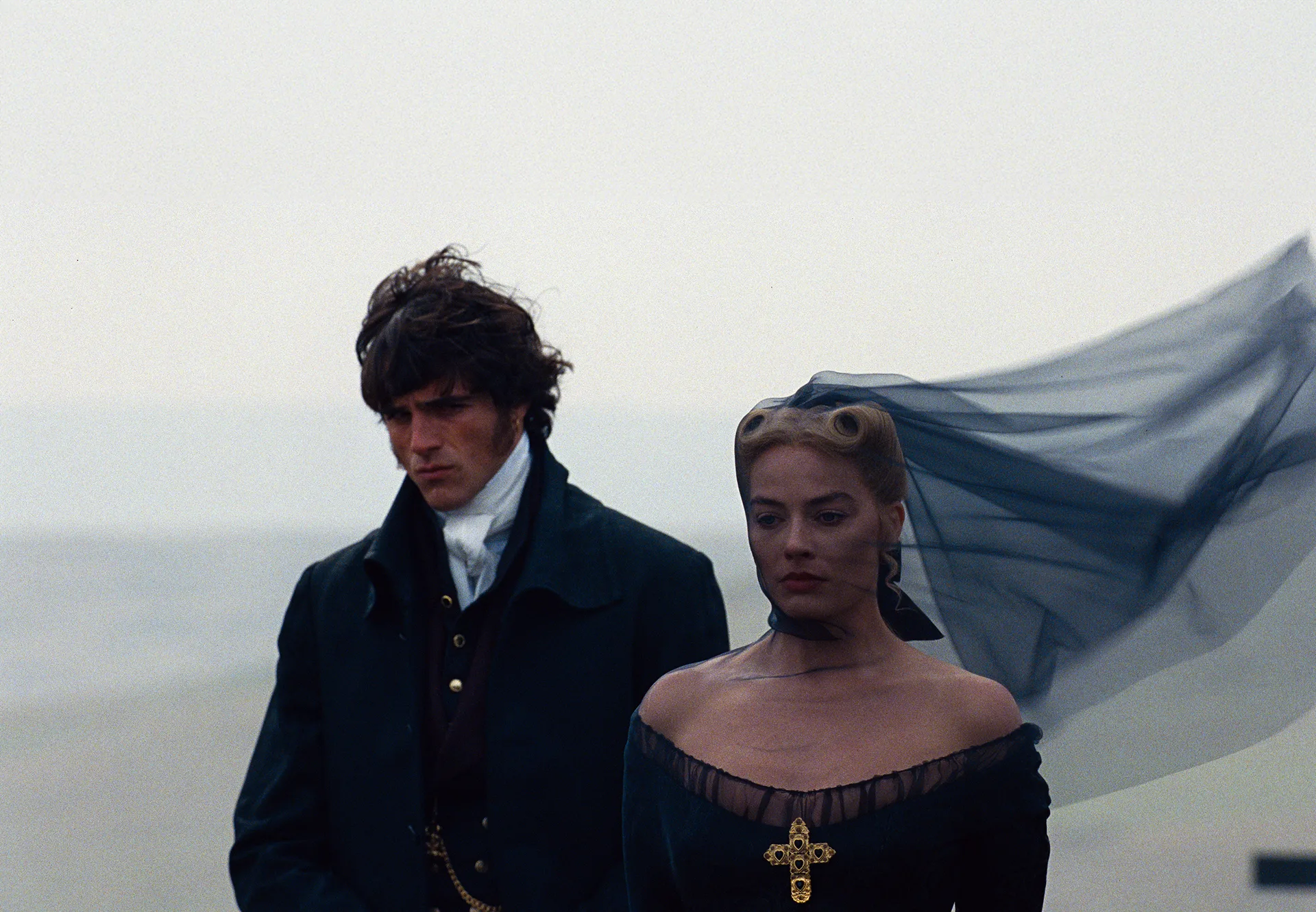
“So many people fail to understand just how intensely and passionately you feel when you’re a young woman,” Kate explains. “How badly you want things, how tormented you are if the boy you like kisses another girl, how you get these crushes – unrequited love that seems impossible. How you torture yourself with dreams of who you want to be and how you want to live your life.”
Yet this well of emotion is largely inexpressible because, Kate adds, “a teenage girl is constrained in every way. And if this is true now, imagine what it was like in the 19th century, when women were constrained in corsets and couldn’t leave their hair out, or run, or jump or dance freely.
“Women’s desires have always been suppressed and kept secret. We are raised as young women to keep so much of what we think and feel under control … So, to read a book about a young woman who’s so fierce, so wild, so passionate and uncontrollable – she refuses to be confined. She climbs out windows, runs across roofs and goes running through the rain. Every young woman wants to be like Catherine.”
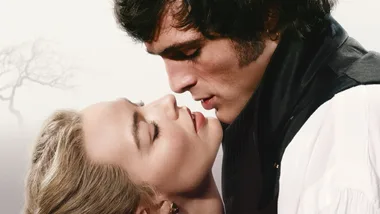
Certainly, Emerald Fennell did. The actor and award-winning writer-director of Promising Young Woman and Saltburn first read Wuthering Heights at 14. She felt an immediate and “profound connection”, she told the Brontë Women’s Writing Festival in Yorkshire last year. “It cracked me open.”
In adapting the book, “I wanted to make something that made me feel like I felt when I first read it,” she added, “which means it’s an emotional response. It’s … primal, sexual.”
On this, she and Kate see eye to eye. “There’s a strong charge of eroticism all the way through Wuthering Heights,” Kate says. “It’s a book about women’s desire written when women were not meant to have any desire. That eroticism is one of the reasons why people keep returning to it.”
Wuthering Heights was unleashed on the world in December 1847, two months after Emily’s older sister, Charlotte, published her own masterwork, Jane Eyre, and six months before their younger sister, Anne, released The Tenant of Wildfell Hall.
It was Charlotte who had persuaded them to publish and to use pseudonyms. They chose Currer Bell (for Charlotte), Ellis Bell (for Emily) and Acton Bell (for Anne).
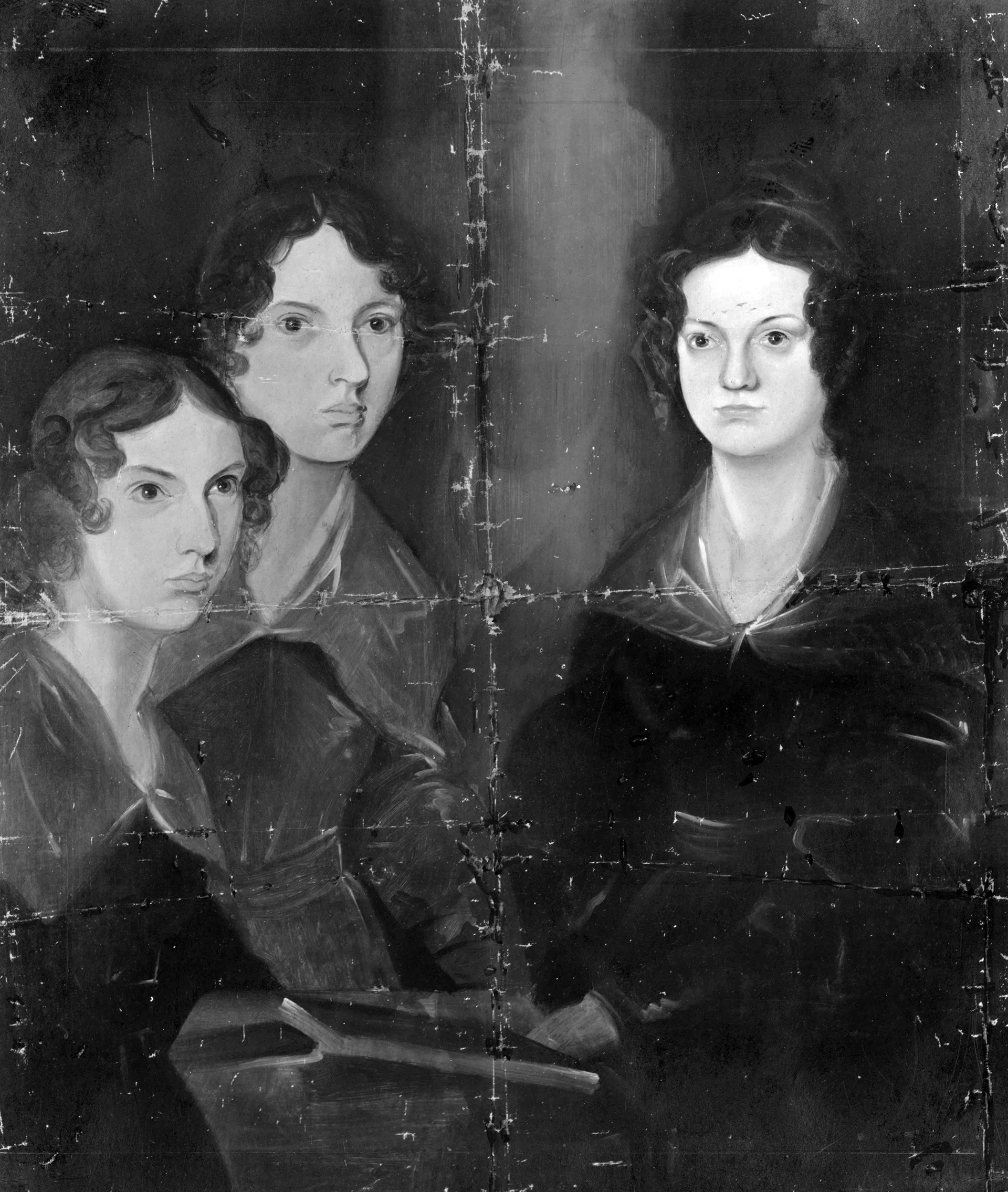
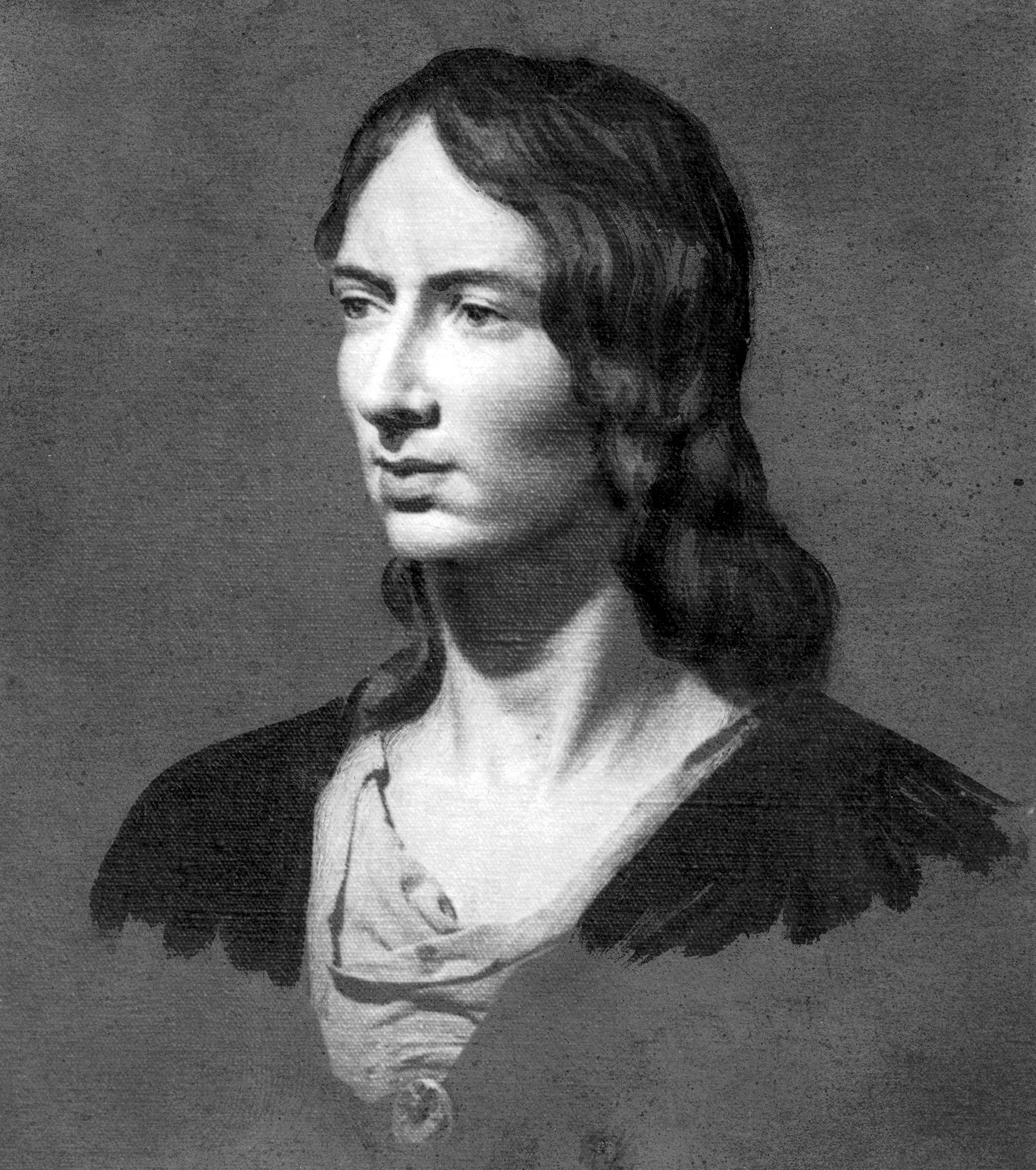
“No one could believe they had been written by women when the Brontë sisters’ pseudonyms were finally revealed,” Kate tells The Weekly. “When everyone found out that these books had been written by three young women in Yorkshire, it was shocking.”
All the sisters – and their brother, Branwell – had been writing since they were children. Their father, Patrick, was a minister and they had grown up in a parsonage attached to the Anglican Church in Haworth, surrounded on three sides by a graveyard, on the edge of the West Yorkshire moors.
There was much that was bleak and sorrowful in their childhoods. Their older sisters, Maria and Elizabeth, died young (aged 10 and 11). Their mother, also Maria, died while the children were still small. They lived frugally, but the family’s great wealth was in Rev Brontë’s library. And this perhaps explains how three young women, living secluded lives in rural England, came to write such emotionally, psychologically and structurally complex works.
“They were highly intelligent,” Kate explains. “Their father was well educated, and he taught them. They had access to his library, where there were no children’s books, really. We know that they read German fairytales, so they were affected by these dark, complex stories. But they were also reading books their father read as an adult male, and that many young women of their era were not.
“We also know they had extremely rich inner lives. They were writing stories in tiny little books right from a very young age. They were playing intense, imaginative games and reading a lot of romantic poetry and books by writers like Sir Walter Scott. We know he was a huge influence on all the sisters. They were reading grand dramas and tragedies.”
At the time their books were published, critics noted that Anne and Charlotte’s seemed to have emerged organically from the literary culture around them, but Emily’s work was somehow different. It stood quite boldly and radically apart in its themes, in its language, in its complex “Russian doll” structure. Was she aware of just how extraordinary Wuthering Heights was?
“I believe so,” says Kate. “The book is so carefully planned. She didn’t just put quill to paper. It was thought out and executed carefully. So yes, I believe she knew what she was doing, but she never imagined other people would find out. As we know, Wuthering Heights met with a great deal of criticism, and she died thinking her one book was going to fade into obscurity. That, I think, is tragic.”
A year after Wuthering Heights was published, Emily died from tuberculosis, aged just 30,
Far from fading into obscurity, Wuthering Heights has endured for almost 180 years, and in that time, has inspired authors (from Virginia Woolf to Stephanie Meyer), directors (from William Wyler to Frances O’Connor), actors, musicians and generations of teenage girls.
Kate Bush hadn’t read Wuthering Heights when, at 18 years old, she began writing her hit single of the same name. She’d just caught a glimpse of the BBC’s 1967 television series, one of more than 30 film and TV adaptations.
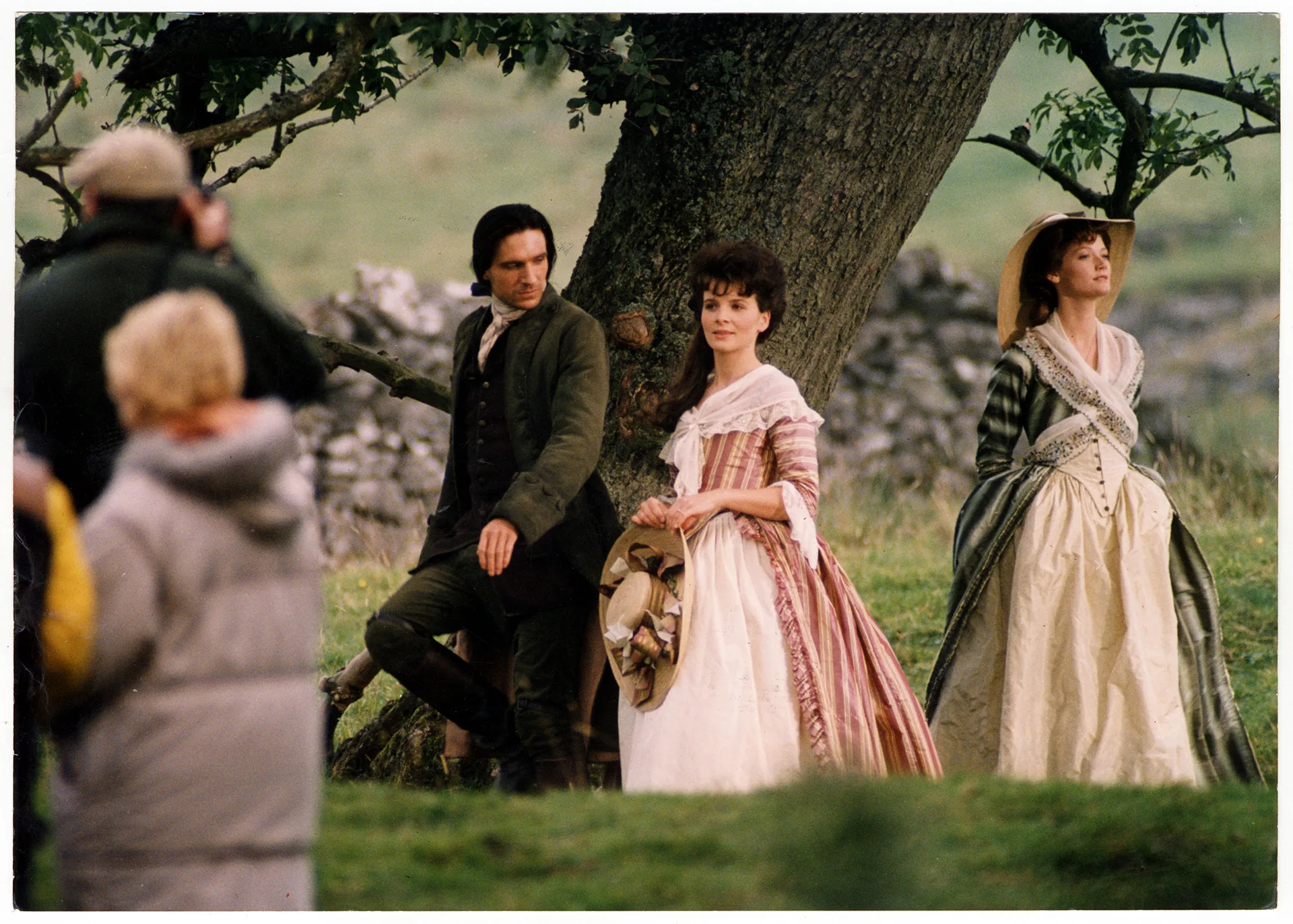
Film: ‘wuthering Heights’ (1992). Starring Ralph Fiennes And Juliette Binoche (c). Actors
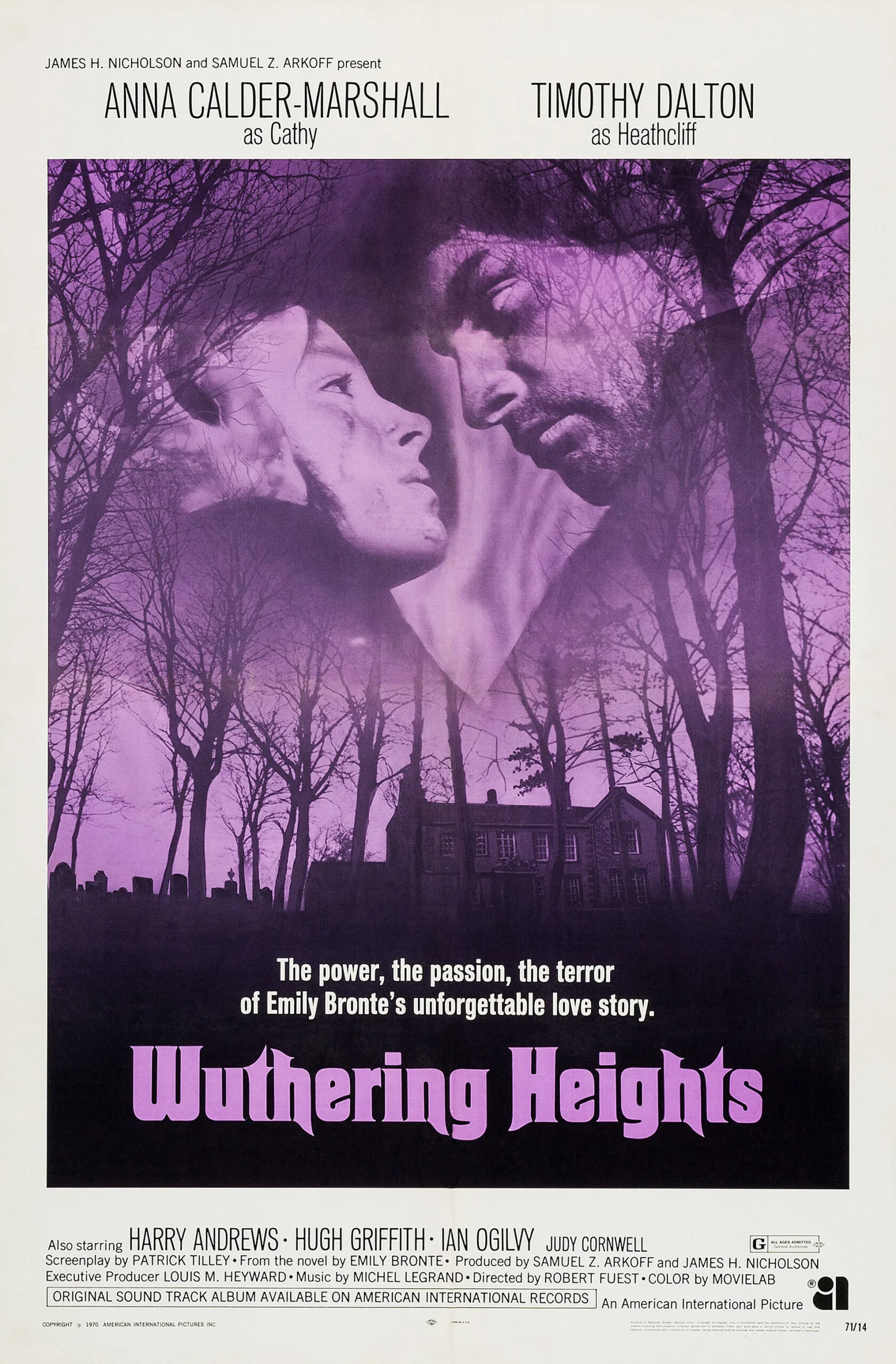
“There was a hand coming through the window and blood everywhere and glass,” she told BBC reporter Michael Aspel at the time. “And I just didn’t know what was going on, and someone explained the story.”
It was only later that she decided to read the book “to get the research right”. She also realised then that, eerily, she and Emily Brontë shared a birthday – July 30.
When the song was released in 1978, it shot to number one in the UK, Ireland, Italy, Australia and New Zealand. It was the first song written and performed by a woman to top those charts.
The video, filmed on the Salisbury Plain in Wiltshire (not the Yorkshire moors), was as striking as Kate’s “ethereal” vocals. Wide-eyed and dressed in red, she employed the interpretive dance she’d imbibed studying mime with Lindsey Kemp, who had also mentored David Bowie.
In 1978, author and literary scholar Jane Gleeson-White was at boarding school in the Southern Highlands of NSW, and already an Emily Brontë obsessive. She’d read the book at 15 and been struck by “the intensity, the beauty of the writing. It seemed like my teenage passions were enormous, and this was the first time I’d read anything that matched them.”
She fell “hook, line and sinker” for the way “the book talks about the soul and elevates love to a kind of metaphysics. And this darkness of the soul is part of that belief system.”
She saw that also reflected in Emily’s writing about the landscape. “That’s so much of the enchantment of the book – that love of the moors and wild nature. It’s so grounded in the beautiful way she writes about the land and the nuances of weather.
“Linton puts the first crocuses on Catherine’s pillow when she’s about to die. The detail! You can feel your heart in those landscapes. It’s more than a backdrop. Both Catherine’s and Heathcliff’s souls are in those moors.”
Then Kate Bush released her single and, Jane says, “that instilled my love of the book further. We weren’t normally allowed to watch television, but on Sunday nights, we could turn it on at six o’clock for Countdown. And that song captured the novel for me.
“It was so much a part of the 70s visual culture, in that it was self-expressive and conveyed a kind of madness. We just went wild. It will always be one of my favourite songs on earth.”
Belinda Burton, a Sydney organiser for the international event The Most Wuthering Heights Day Ever, was also glued to her television on Sundays.
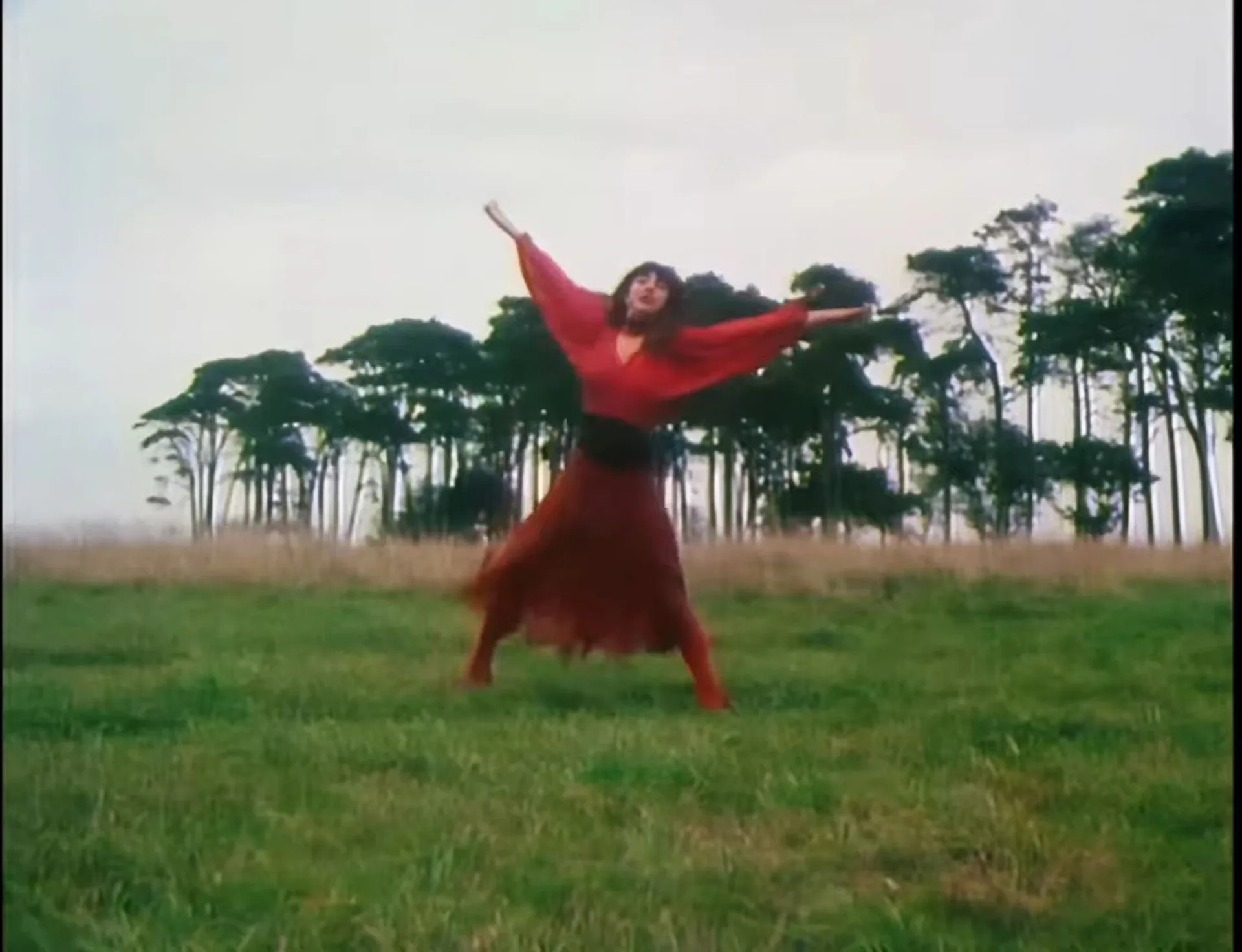
“I was 11 years old when I saw Kate Bush on Countdown,” she says, “and I was immediately taken by this whimsical, quirky woman.”
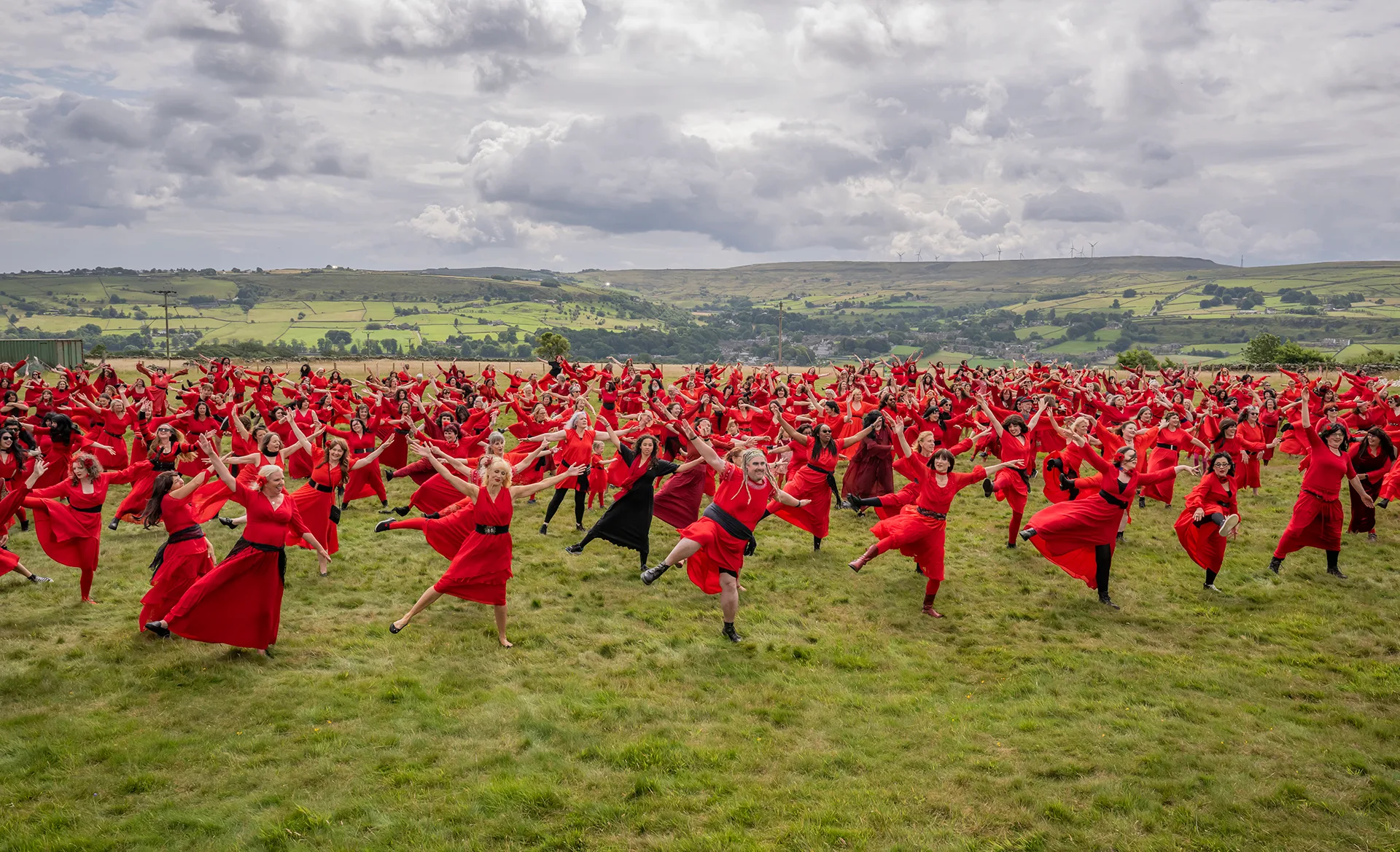
The Most Wuthering Heights Day Ever has its roots back in 2013 when a London flash mob group, Shambush, choreographed a dance to the Kate Bush single and posted it to YouTube. It was spotted by Sam Wareing, an Australian woman living in Berlin, who created the international dance event.
Since 2016, people have gathered annually in July, in 70 locations around the world, to embody the “Kate Bush spirit”.
“Imagine all these people dressed in red,” Belinda explains. “People dress up their dogs. There are people with crutches, in wheelchairs, children, and drag queens. Some want to stay true to Kate. Others have their own interpretation. There’s so much creativity. It’s a spectacle. Some people just come to watch, but the next year, they’ll be dancing. They see how much joy it generates.”
The organisers accept donations to cover costs, but the events are not for profit, and excess funds raised are donated to family violence charities. In Sydney, it’s the Women’s Legal Service.
“We donate around $2000 each year,” says Belinda, “so it’s a substantial amount over the years. Because Wuthering Heights, the book, involves violence and abuse, most people choose to donate their leftover money to women’s services, even though we’re not about the darkness. We’re about the free spirit and whimsy and genius of Kate Bush.”
It was the violence in the book that particularly struck Jane on her recent re-reading. “I’m astonished,” she says, “by the extent to which violence is unleashed in every single scene, and by almost everyone … Another thing that’s really shocking is the extent to which, especially Heathcliff but also others, hurt someone physically in order to pain somebody else. Having just read the section where Isabella escapes from Heathcliff, her story is so much that of a domestic abuse survivor. And there’s so much coercive control.”
Kate Forsyth believes that, alongside her passion and her craft, the way Emily Brontë addresses issues that regrettably seem ageless – such as family violence, racism and intergenerational trauma – keeps Wuthering Heights in the Zeitgeist.
“This is actually what I did my doctorate on,” she says, “why some stories live, and other stories die.
“You need two things for a story to survive. The first is that it must be memorable. Wuthering Heights is full of memorable scenes: the ghost banging on the glass; the maddened man digging down to reach his dead lover’s grave; the old house on the hill with the bent thorn trees and the wind howling around it.
“The other thing is that it has to resonate with its audience. It has to be dealing with things that still matter.
“We, as humans, are still dealing with desire, controlling women’s bodies, violence, cruelty, with women’s right to choose who they love… Wuthering Heights speaks to modern dilemmas and modern fears in the same way it spoke to fears back then.”
Moreover, she says, stories must adapt to survive. Traditionally, they were passed down orally and evolved over centuries, even millennia, as they were retold.
“First, Emily Brontë wrote Wuthering Heights,” she explains. “Then Wuthering Heights was turned into a BBC series, which was watched by Kate Bush. Kate Bush wrote a song inspired by the BBC show. And then that song inspired me and many others to read Wuthering Heights, including Stephanie Meyer, who wrote Twilight, which brought a whole new generation of readers back to the book. One piece of creative art sparks a dozen others that spark others. It’s like an atomic explosion of creativity that carries on over generations.”
So while Kate has the greatest respect for Emily Brontë, she’s not precious about adaptations remaining strictly true to the original. Emerald would be delighted to learn this.
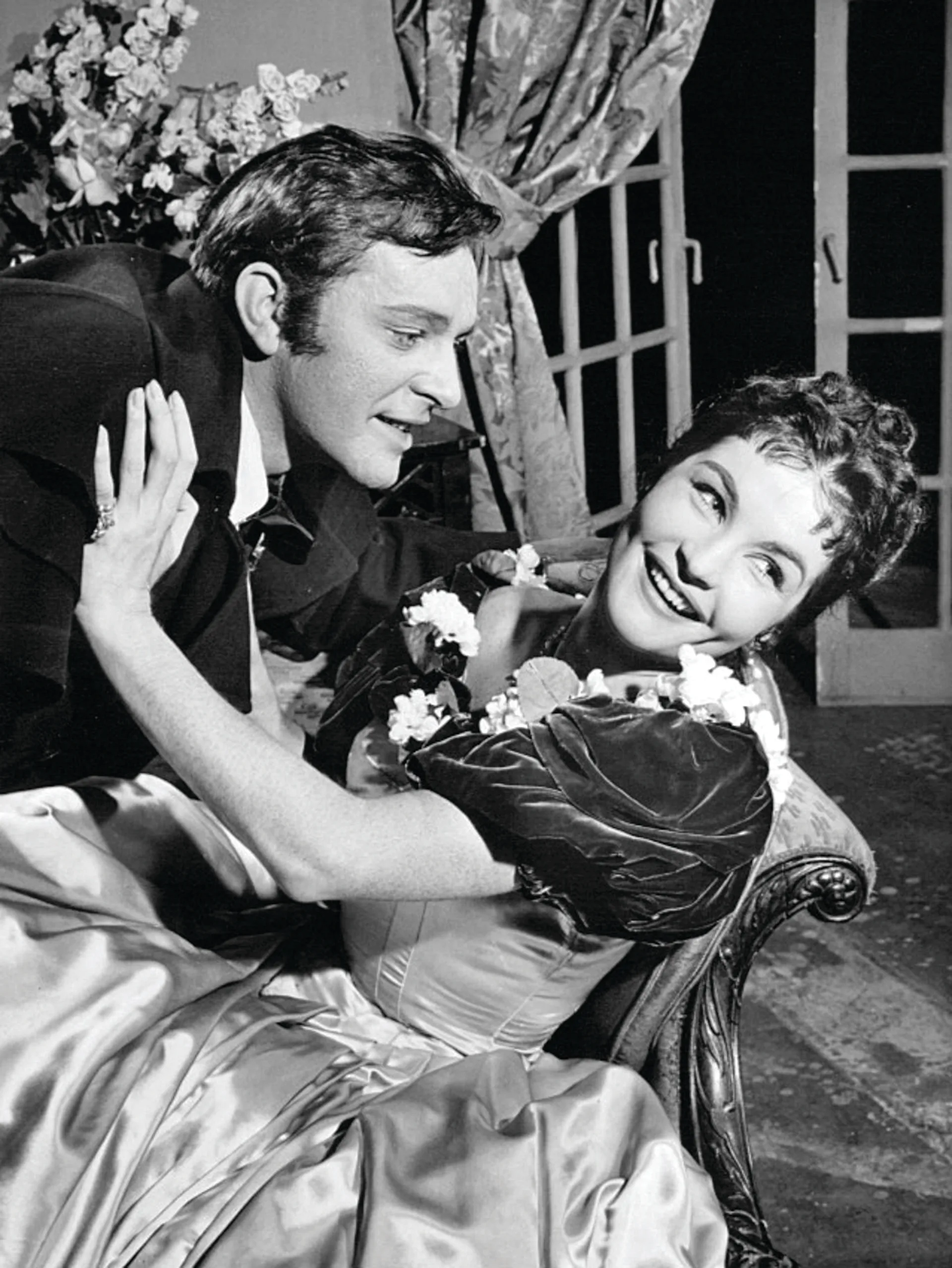
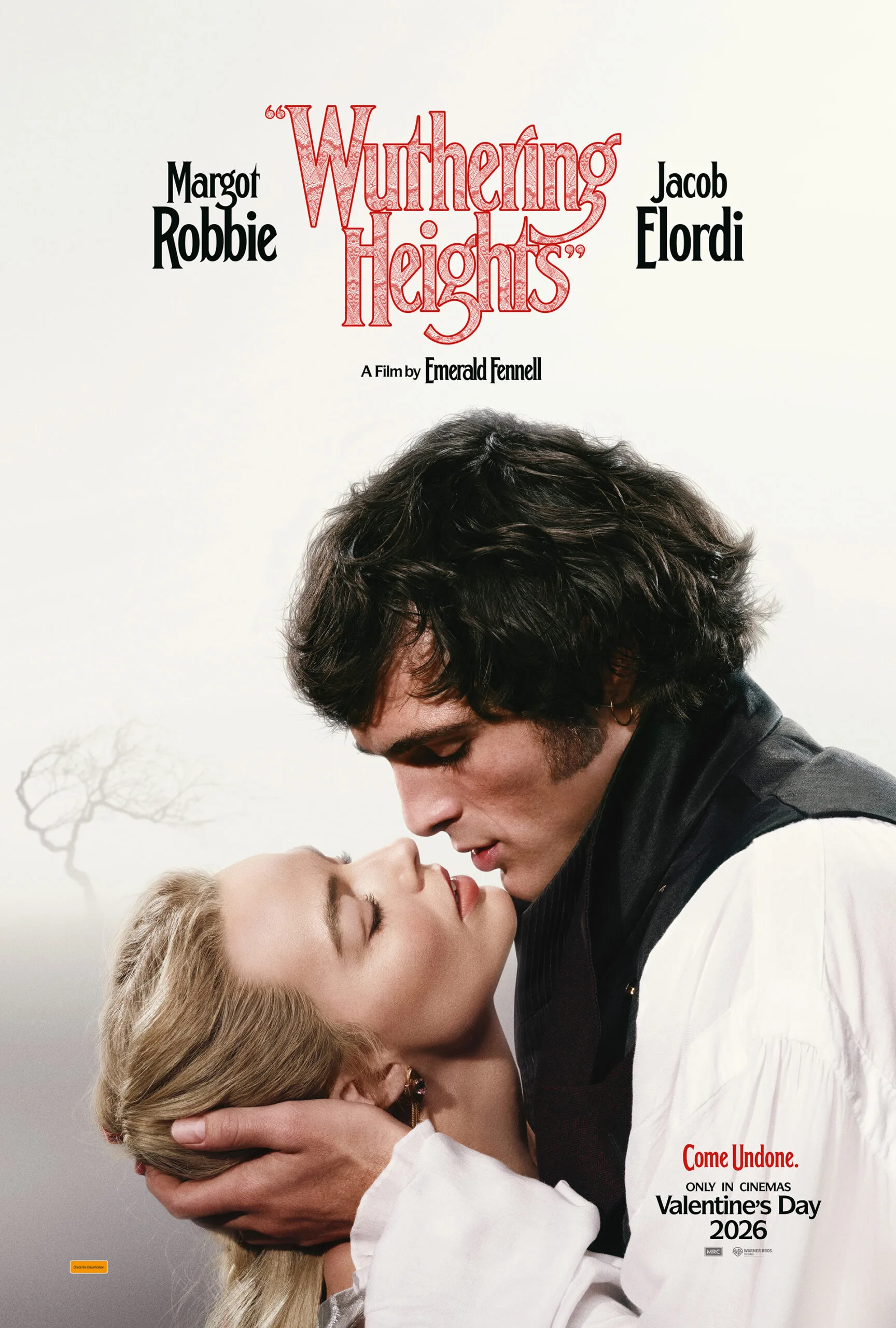
“I’ve been obsessed. I’ve been driven mad by this book,” she told the gathering in Yorkshire. “And of course now I’m even madder than I was before because I’ve thought of little else for two years.”
Adapting the work has been her passion project but it has also, she says, been “a terror … because it’s a huge responsibility. I know that if somebody else made it, I’d be furious. It’s very personal material for everyone. It’s very illicit. The way we relate to the characters is very private, I think.”
It’s the same with all great stories, says Kate. “If you were to read a book and your daughter were to read the book, and your partner might read the same book, you would all have read different books because you bring your own preoccupations and passions and your own life history to it. That is why I’ve read Wuthering Heights five times in my life, and it’s been a very different book every time – because I’ve been different.”
And finally, on the furore surrounding Emerald’s film, she says: “It’s really interesting to me. It just shows how urgent this story still is to a modern sensibility… When Wuthering Heights came out, it set such a shock, or ripple, through its time. That is still true today, and I think it will continue to be true into the future.”
Emerald Fennell’s ‘Wuthering Heights’ will be in cinemas on Valentine’s Day. To find a Wuthering Heights day event near you, search ‘The Most Wuthering Heights Day Ever’ on Facebook.
This article originally appeared in the February 2026 issue of The Australian Women’s Weekly. Subscribe so you never miss an issue.

