




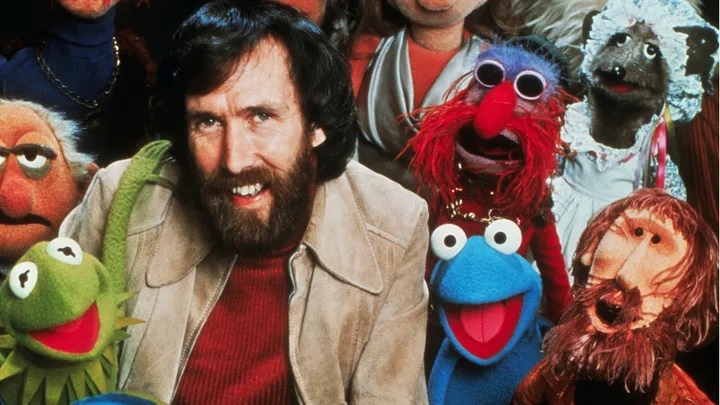
Most children remember their fathers bringing home stories from work. Lisa Henson remembers helping her father, Jim Henson, build them. Her childhood was a masterclass in the art of the impossible.
Now the CEO of The Jim Henson Company, Lisa is the eldest of Jim and Jane Henson’s five children. Jane was a fellow puppeteer and Jim’s creative partner (the pair would amicably split in 1986) as well as co-founder of The Jim Henson Company.
Growing up Henson meant a lot of “unofficial mentoring”, often on long-haul flights. Jim would pull out a yellow legal pad for a bit of “blue sky brainstorming”. He would hand a sketch of a bizarre, blinky-eyed creature to Lisa and ask: “What’s its name, and what’s its problem?” That’s how many parts of storytelling began.
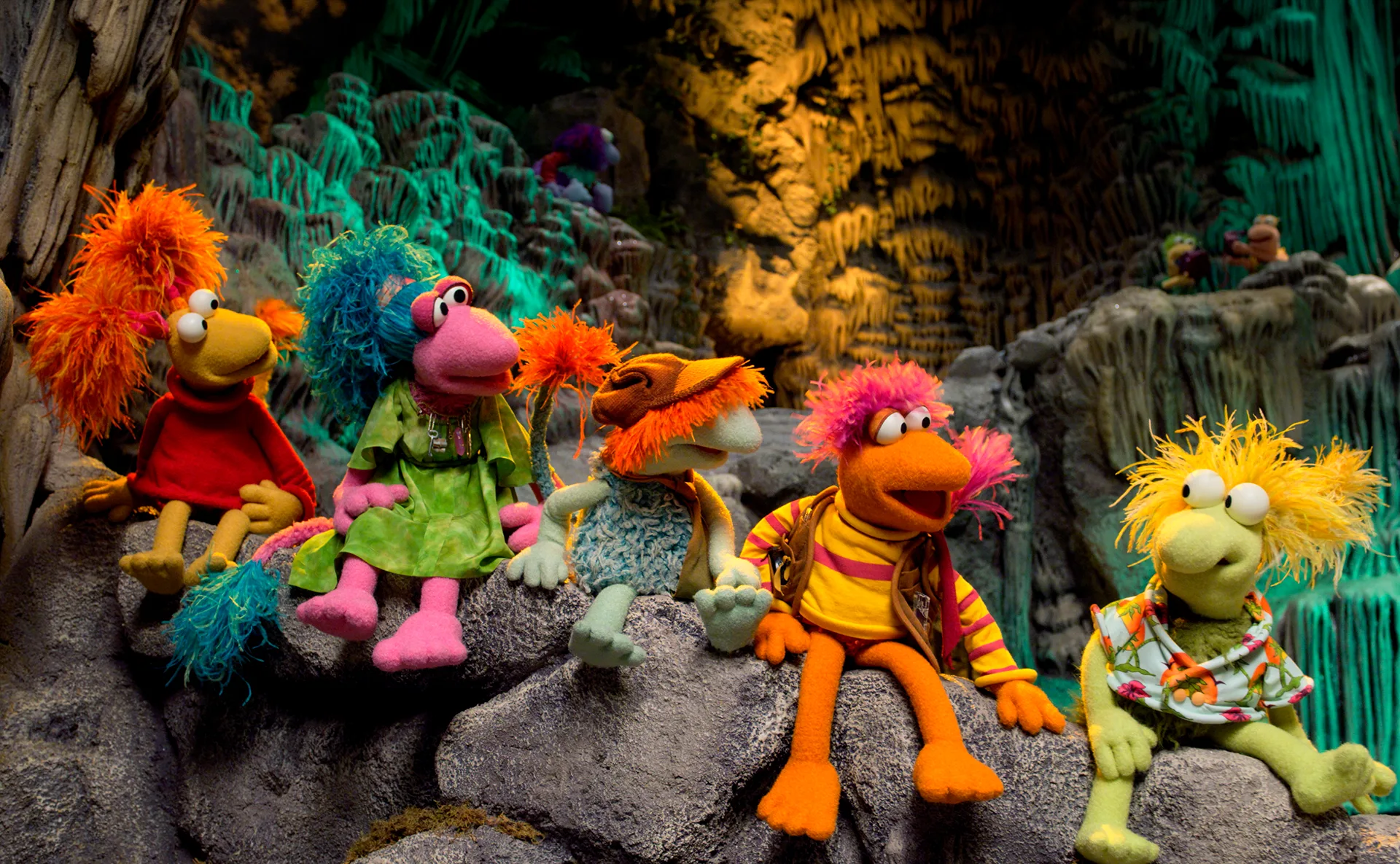
Some of those writing pads feature in a new exhibition, Make, Believe, Magic: The Worlds of the Jim Henson Company, that opened on September 12 exclusively at QAGOMA in Brisbane. It is the most comprehensive Jim Henson Company museum exhibition ever presented and occupies QAGOMA’s entire ground floor. In a world-first, visitors will go behind the scenes of a working puppeteer’s film set: the immense Great Hall from Emmy-winning TV series Fraggle Rock: Back to the Rock.
“It’s exciting that QAGOMA has created several immersive spaces,” enthuses Lisa. “You can be on the set of the Fraggle Rock show. Or in the Creature Workshop.”
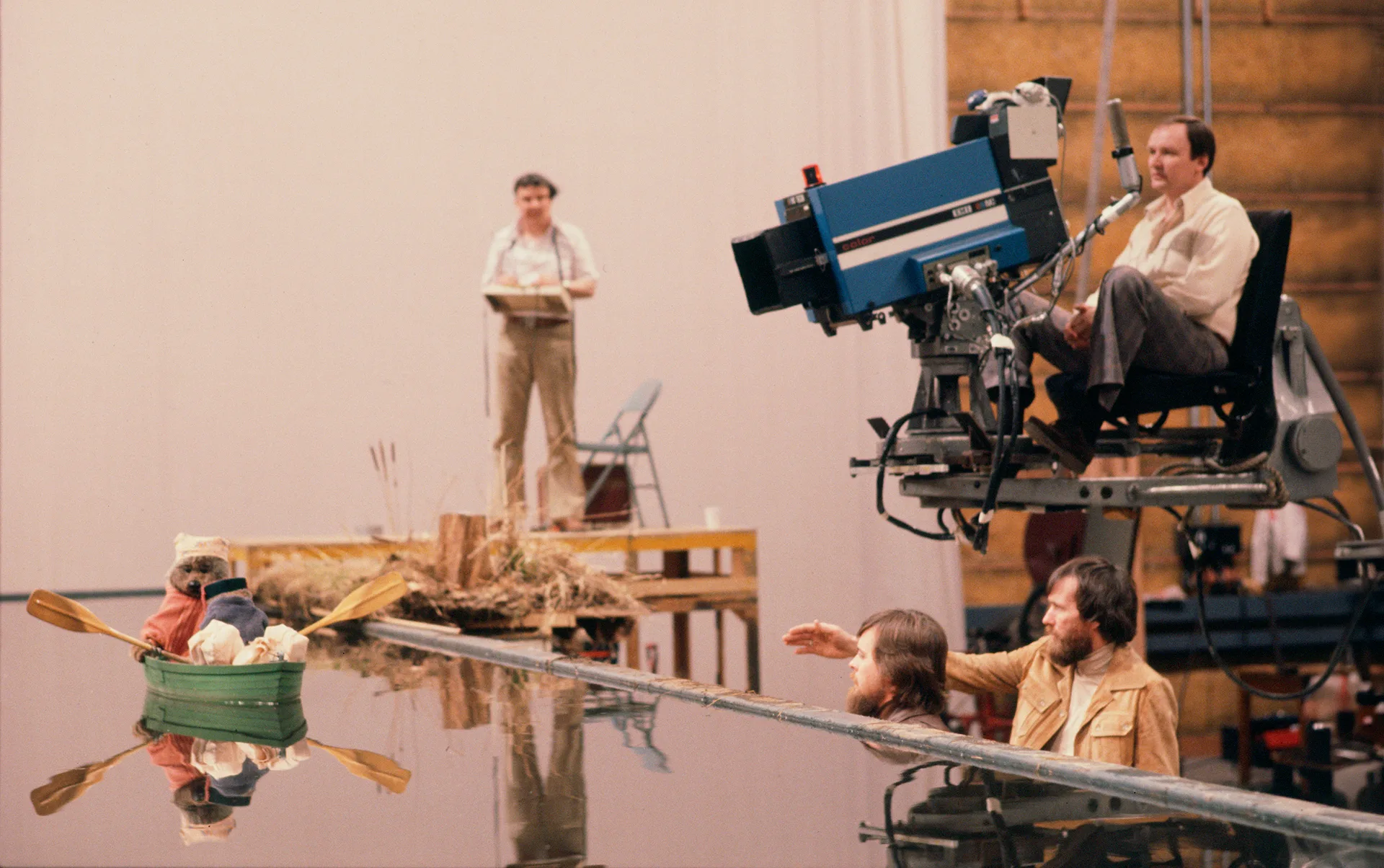
Jim Henson’s teenage dream was to break into television. When his local TV station put out a call for puppeteers, he fashioned puppets from felt and glue. Those original Muppets created for his and Jane’s earliest show, Sam and Friends (1955-61), were ideal for the television frame.
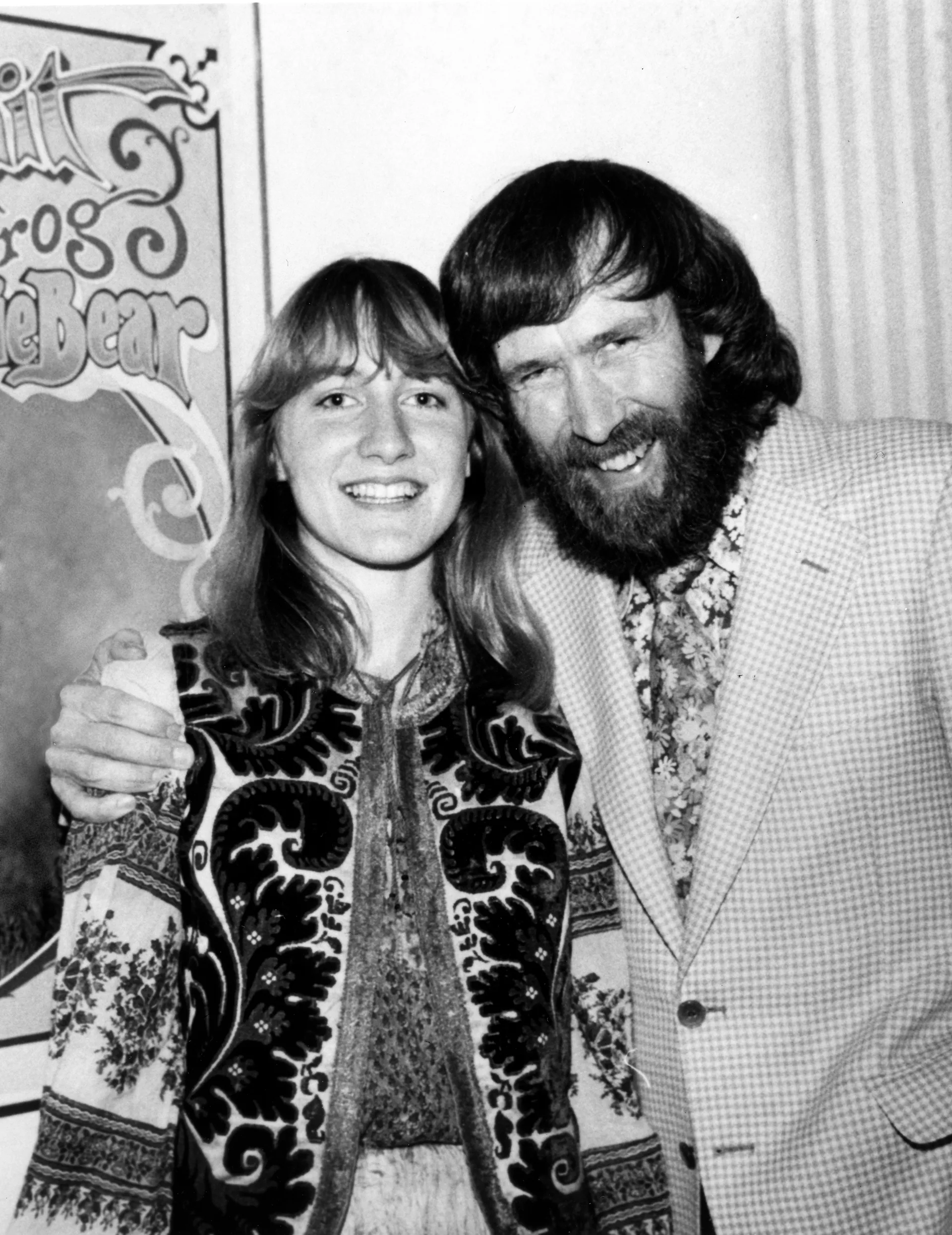
“My mom and dad could position the puppets for maximum eye contact, establishing an emotional connection with the audience at home, making it seem these puppets were really thinking, feeling characters,” says Lisa of why the show made such an impact.
“There’s even a picture of me as a baby in a pram being pushed back and forth next to my parents to keep me quiet on set while they were puppeteering Sam and Friends.”
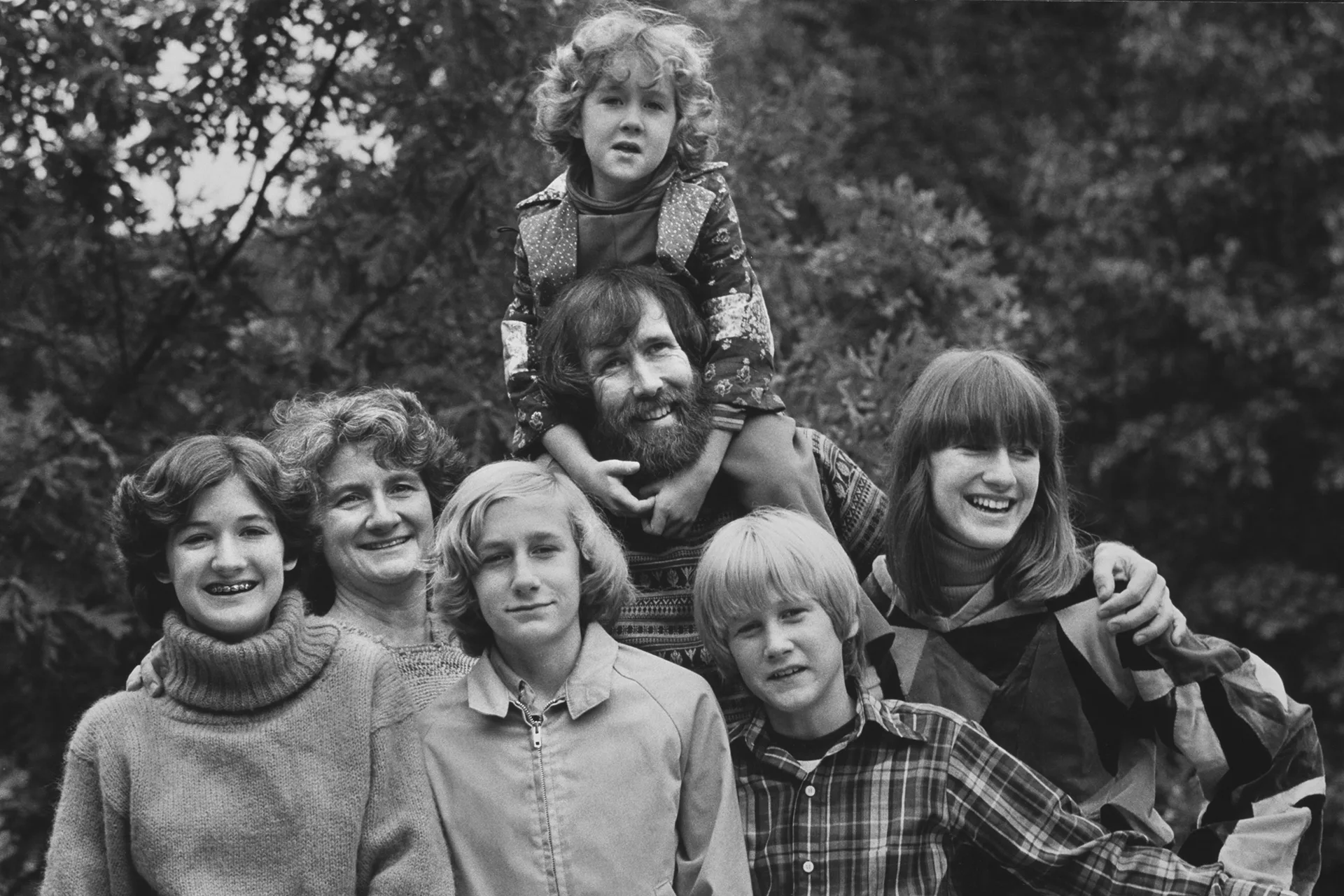
Art was very much at the centre of the Henson household, surrounding the children from their earliest memories. Both parents actively fostered this interest in their kids.
“My mom was an art teacher in addition to being my father’s business partner,” explains Lisa. “As kids, we worked on complicated art projects. At one point we had an animation rostrum camera in our playroom and a darkroom in our laundry room. When my dad came home from work, and on weekends, he worked on our projects with us.
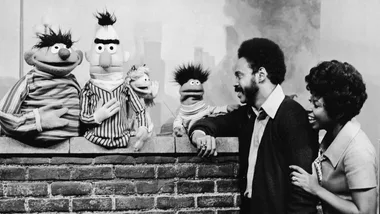

“He loved shooting movies of us on his 16 millimetre camera. The ‘Backwards Films’ were the most fun. He would stage various things like us throwing a deck of cards and film it backwards. When the film was developed, it seemed we magically gathered up decks of cards in our hands. It was like opening a Christmas present when you finally got to see it.
“I also spent a good amount of time down on the ground watching the puppeteers from below. I had a different, kid-view-angle.”
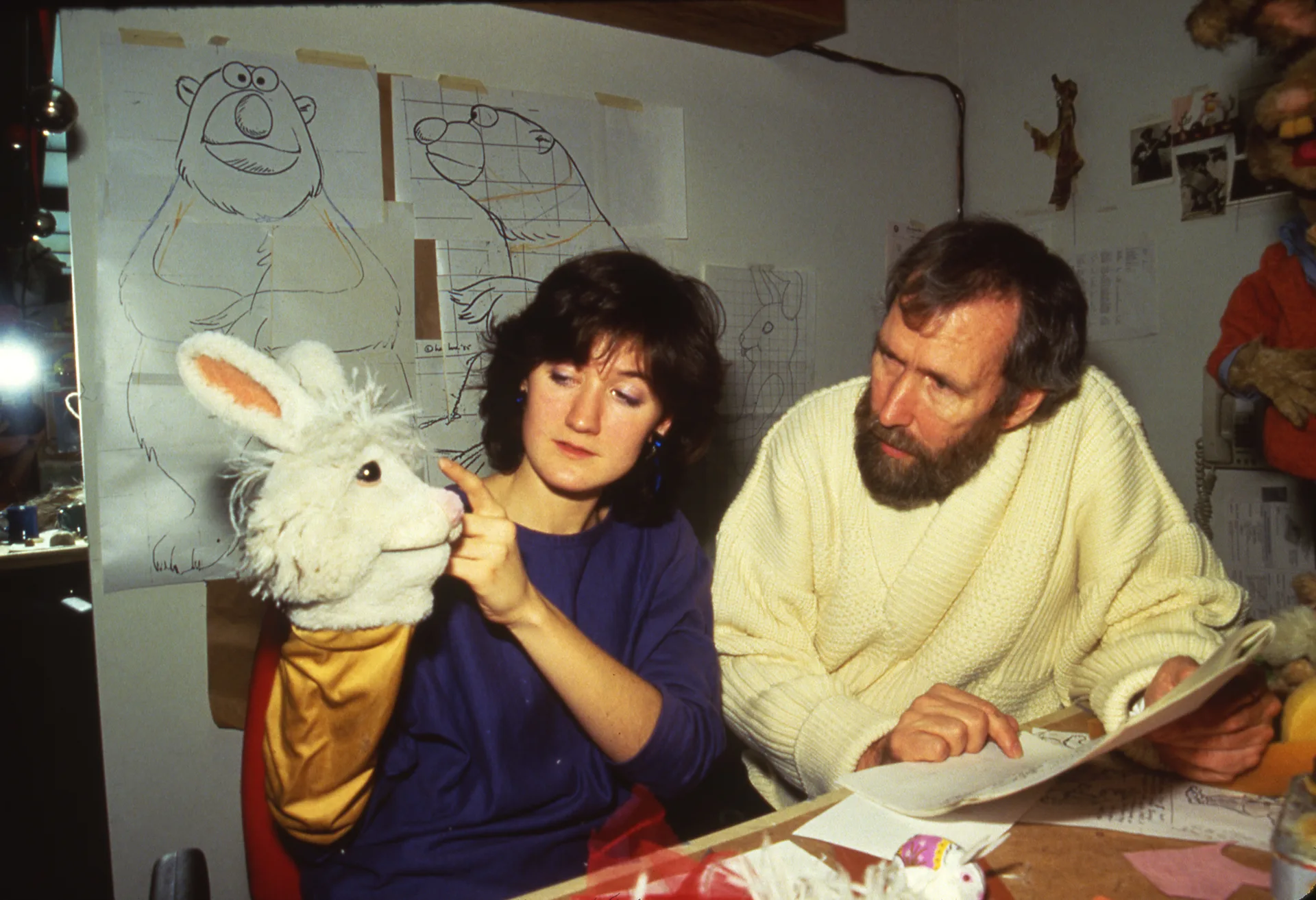
This creative inheritance would allow her, decades later, to step into Jim’s shoes to finish a project he began in 1968.
An exhibition photo captures Lisa and Cheryl testing puppets for a film, Turkey Hollow, in the woods behind their house in 1968. The project was set aside to focus on Sesame Street’s 1969 debut. But Lisa produced the film in 2015 after discovering her father’s original script and puppet prototypes.
“I hope he would love this film,” she tells The Weekly of continuing her dad’s legacy.
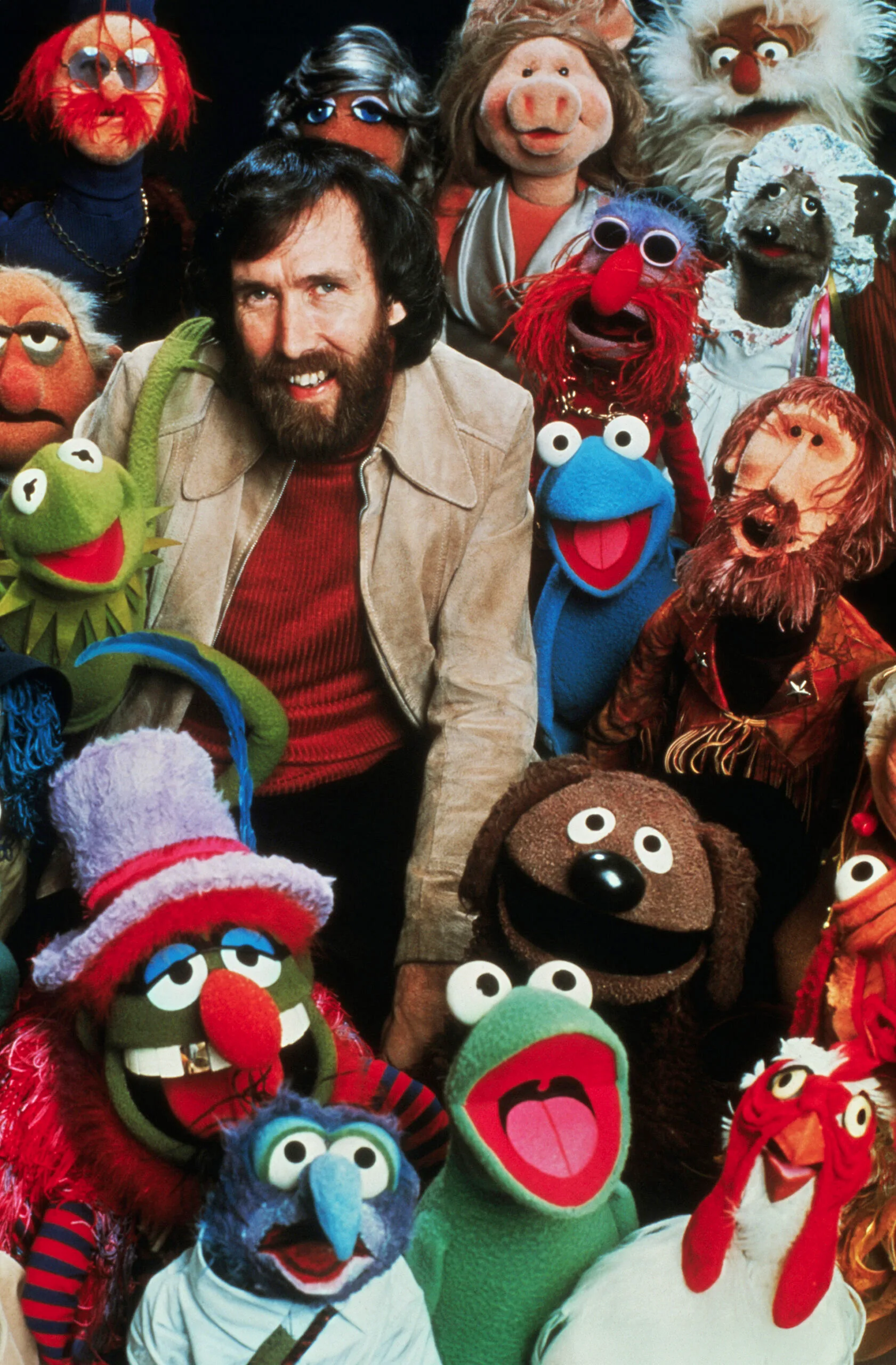
While Sesame Street brought global fame, Jim wanted his Muppets to be more than children’s entertainment. He spent 15 years unsuccessfully pitching The Muppet Show to various networks.
Finally, he filmed a presentation reel for CBS, lampooning various executives in the company, with Kermit the Frog introducing clips and joking with the executives by name. While CBS passed, the reel convinced UK production company ITC to sign on for 26 episodes in late 1975.
From there, the show was to run for six years, reaching a peak audience of 235 million people in 106 countries. Jim summed up his artistic drive best. “I know I drive some people crazy with what seems to be ridiculous optimism,” he said. “But it has always worked out for me.”
“As a child, I could see my father brainstorming or working on something at the very, very earliest stages of a project, seeing how something might be. And I saw how fun that was for him,” says Lisa.
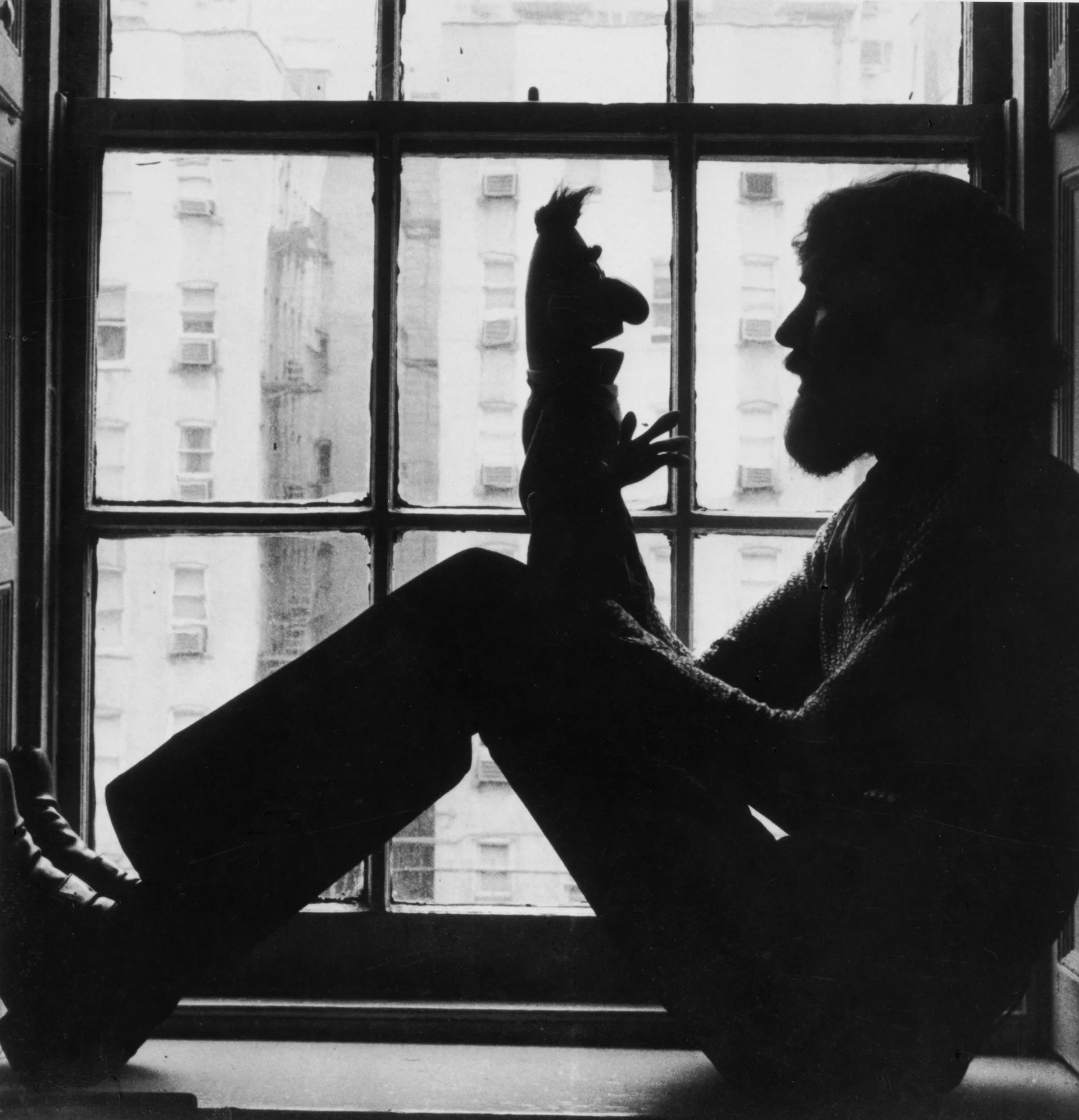
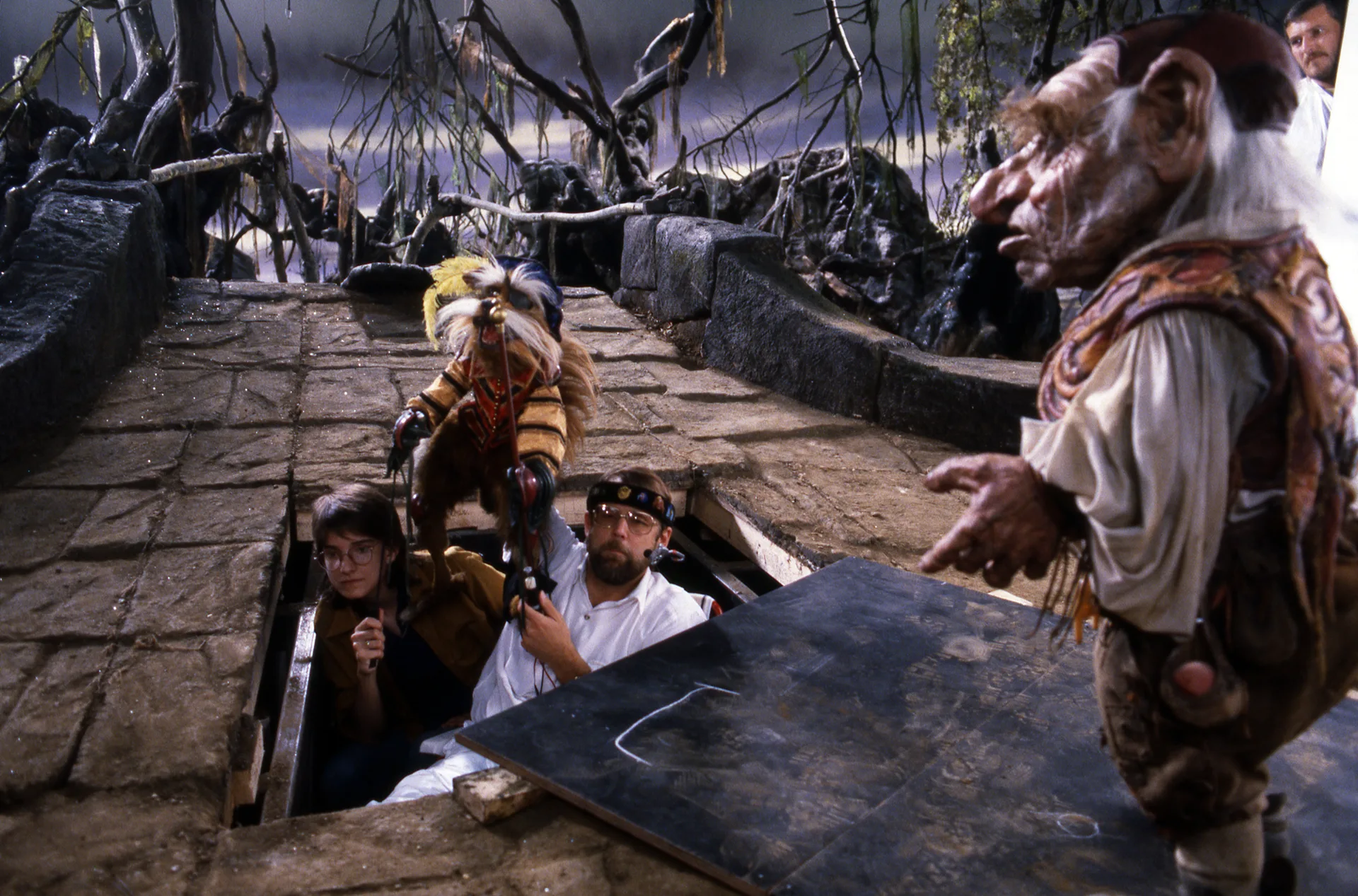
“It was magical every time we visited the Creature Workshop, where the puppets were built. It was an incredible space filled with the smell of foam latex and watching the artistic puppet builders design creatures. They came equipped with many skills. But my father had a way of pulling people from different arts to work together.”
Although close to her father, Lisa never got the urge to be a puppeteer. Instead, she worked with him on production, script development, and discussing original ideas for projects. She later worked as his assistant and then a production assistant on films.
“My father directed each of his kids into the business in a different way,” she says now. “He was a very loving father, although he did travel a lot for work. But he also took us on great vacations like hot air ballooning in France.”
Lisa and her siblings also rode on The Muppet Movie Electric Mayhem bus during the 1979 Macy’s Thanksgiving Day Parade while a massive Kermit balloon flew overhead.
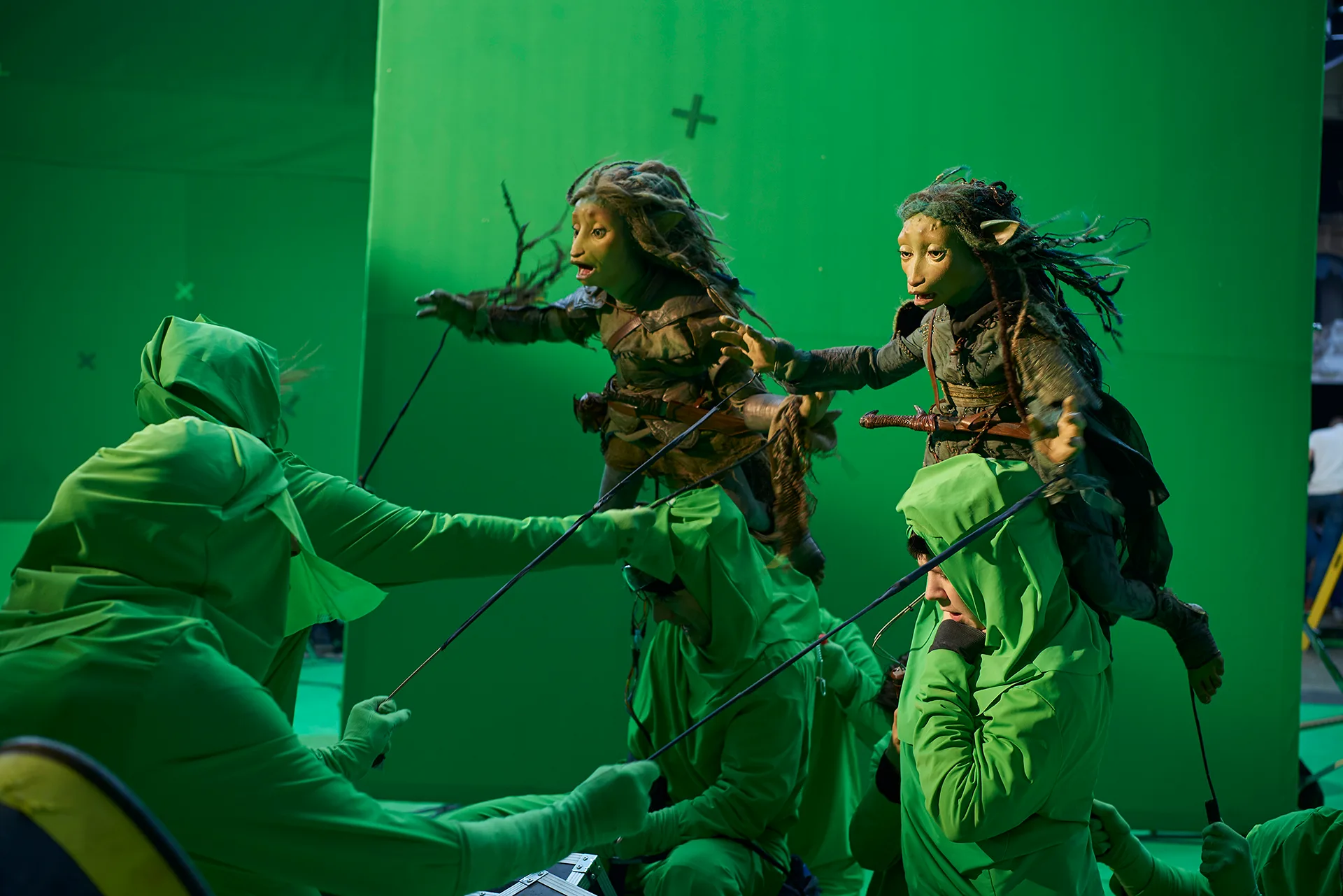
While Lisa’s favourite Muppet, Rowlf the Dog, isn’t the star of the Brisbane show, her other favourite characters, the Gelflings from The Dark Crystal: Age of Resistance, play a major role. After working as a production assistant on The Dark Crystal in 1982, she became the executive producer of Age of Resistance. The film first aired on Netflix in 2019.
While producing the series in London, Lisa stayed in her father’s former home. She’d start each morning with the same walk across Hampstead Heath he had taken decades earlier while filming the original movie. It seems it might have been the closest she could get to actually walking in his footsteps.
“I’ve done many things in my professional life. But this was the project that brought me the closest to my father in many years.”
Of Make, Believe, Magic, Lisa says: “This is the first museum exhibition that has extended beyond my father’s lifetime. Other shows have been about his personal art and artistry. And we felt that as the company continues to create so many incredible productions – and launch so many careers since 1990 – there is much more story to tell.”
When exhibition curator Amanda Slack-Smith visited the Creature Shop in New York, she found decades of creative history at every workstation and hanging from the rafters.
“I was amazed at how the company embraces passion, curiosity and innovation with so much generosity,” she tells The Weekly. “Somehow, Jim Henson’s DNA is part of everyone. He might have led the vision but always allowed others to contribute and make it happen.”
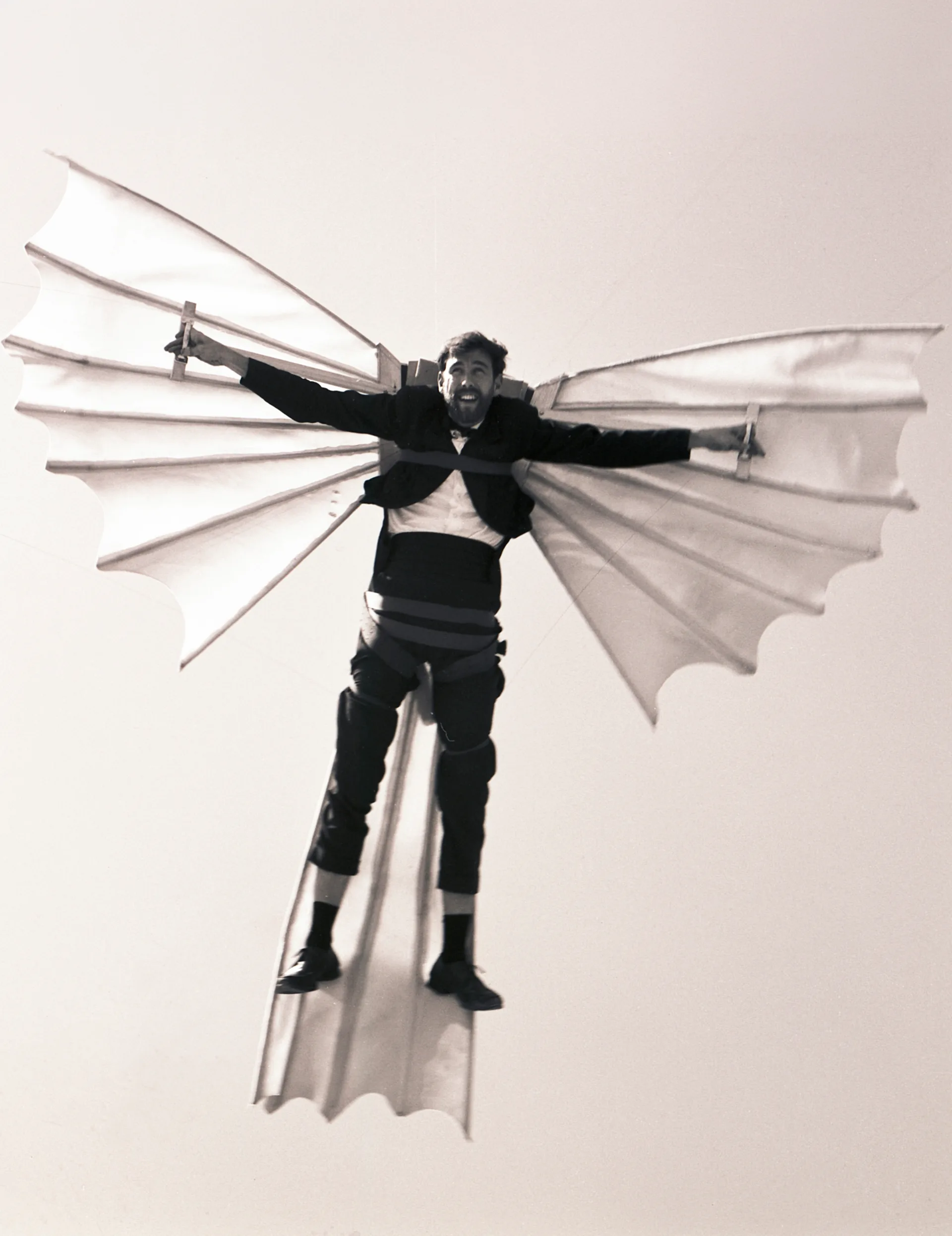
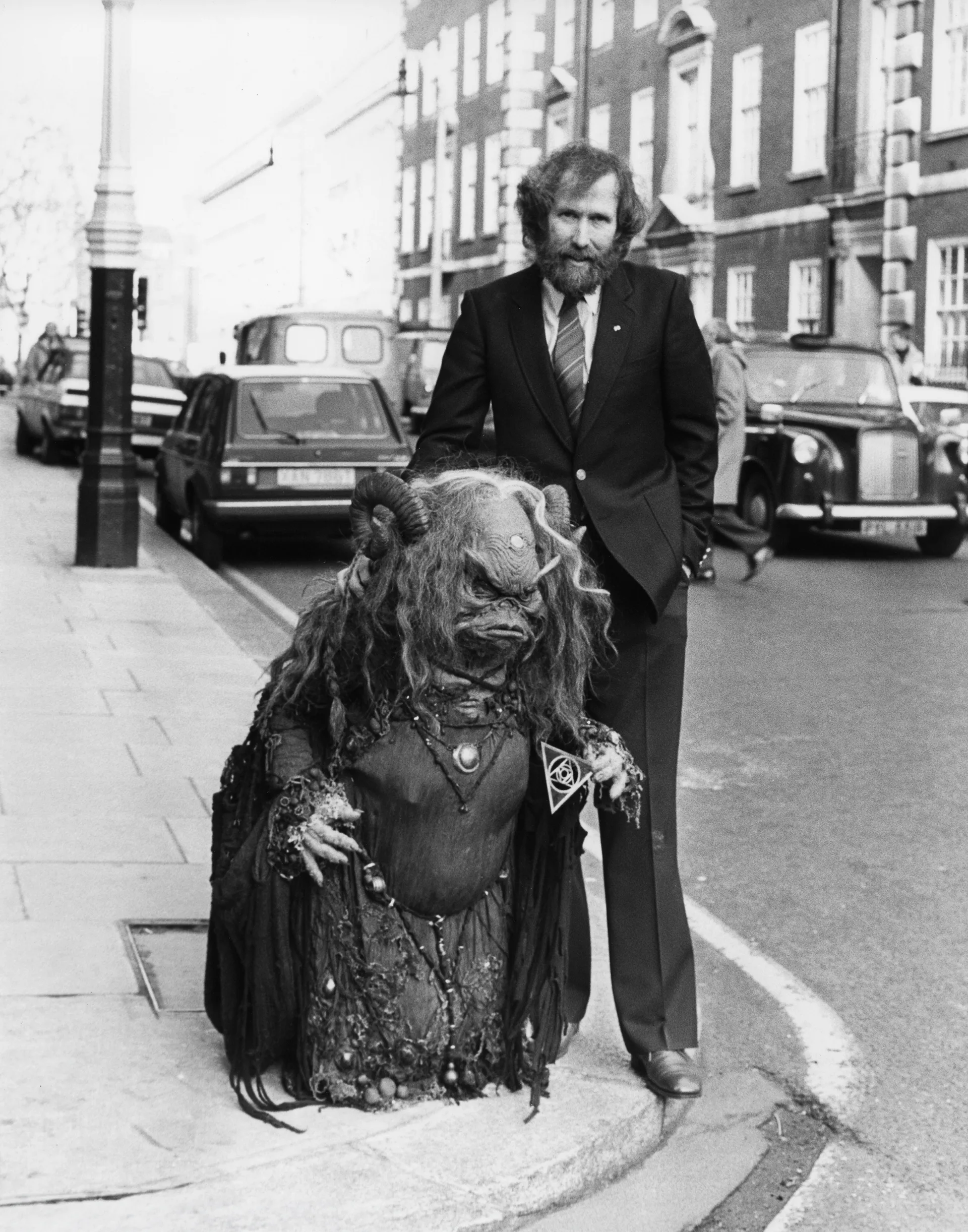
The exhibition features 182 puppets, animatronic creatures and dazzling digital wizardry. “While there are original drawings on everything from napkins to writing pads, there’s also movies and television clips,” adds Amanda. “The creatures too. The Storyteller dog and the Thought Lion from The Jim Henson Hour, which will be glorious because it looks so real.”
Lisa wants kids to walk out of this exhibition considering a career in the arts.
“Nowadays, tools for creativity are pretty accessible, particularly digital tools,” she says. Hopefully everyone will feel the immense creativity and try it themselves.
“For everyone who grew up with Sesame Street, The Muppet Show or Labyrinth, they might be touched to see something they’ve only ever seen on screen before. People can be a little emotional when they see the puppets. You can’t meet a cartoon character like that.”
Jim Henson died suddenly in 1990 at only 53, from a bacterial infection that led to toxic shock syndrome. But he left behind a final gift. In a letter written during a family vacation in France, intended to be read only after his death, he urged his children to remember that “life is meant to be fun, and joyous, and fulfilling”. It was the final, lasting act of his trademark “ridiculous optimism”.
Thirty-six years after his death, new generations are still finding Jim’s work. Still a family-led business, The Jim Henson Company continues his legacy – pure joy.
Make, Believe, Magic: The Worlds of the Jim Henson Company is at QAGOMA until April 18, 2027. Head here to learn more or buy tickets.
This article appeared in the October 2026 issue of The Australian Women’s Weekly. Subscribe so you never miss an issue.


Share this post