




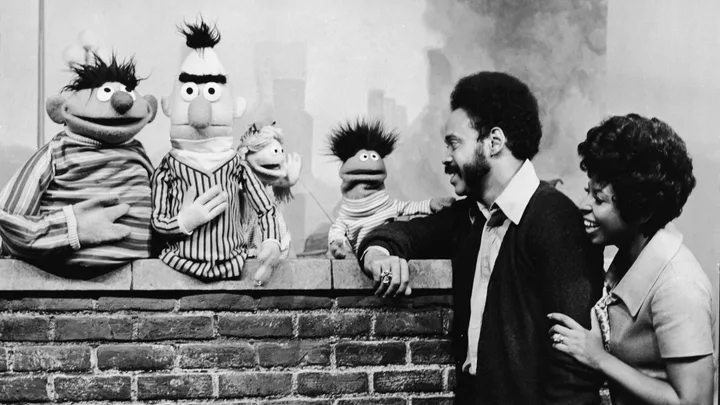
On Thanksgiving in 1983, families across America crowded around the television together, ready to take in a history making moment. It was an occasion that would bring tears, but also understanding. And the four-and-a-half-minute segment resonates just as strongly today as it did when it aired close to four decades ago.
Will Lee, who originated the role of Sesame Street’s gruff grocer Mr Hooper, had passed away from a heart attack at the age of 74. But rather than write the character out of the show or recast, producer Jon Stone decided that – just like all other segments of the children’s series – it would become a teachable moment.
“We decided Will would really like to have his death used in an educational way that might help kids cope with that,” he explains in archival footage in the documentary Street Gang: How We Got to Sesame Street.
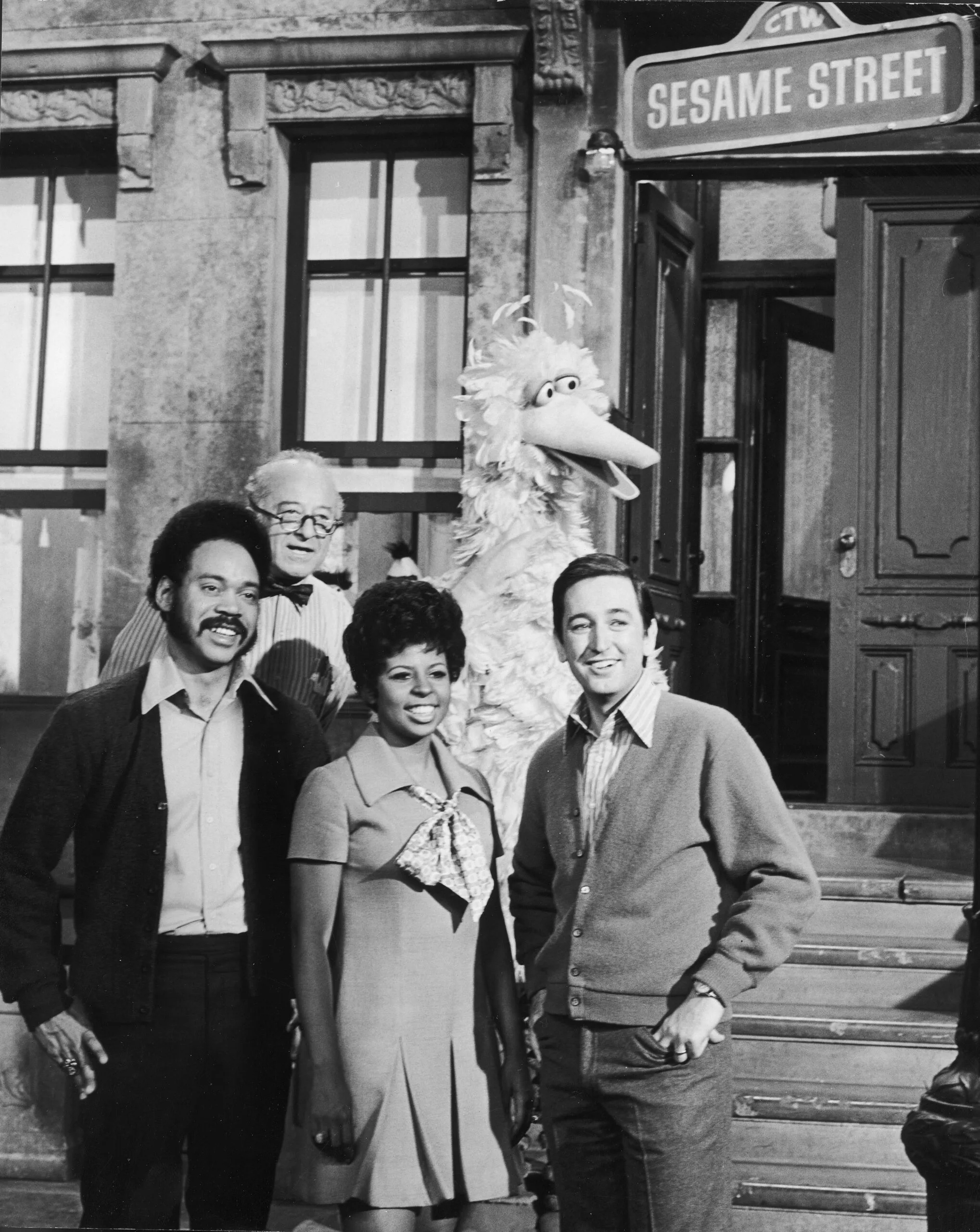
“We carefully and thoroughly researched what children’s normal reactions to a death are. And we tried to deal with it in the form of Big Bird’s reaction to Mr Hooper’s death. It’s hard to watch. It was a difficult show to do.”
As Big Bird greeted each of his human friends in the episode, they gently explained to him that Mr Hooper, sadly, would not be coming back. That death was final. And that it was okay for him to feel sad. Or angry. Or any other emotion that came flooding up. And around the country, parents were now able to have those same conversations with their own children. They could break down a hard-to-grasp concept in language that youngsters could understand and hold on to.
“They had a soft way of telling hard truths,” Street Gang director Marilyn Agrelo tells The Weekly of the important role the show played – and continues to play – for generations of children around the world.
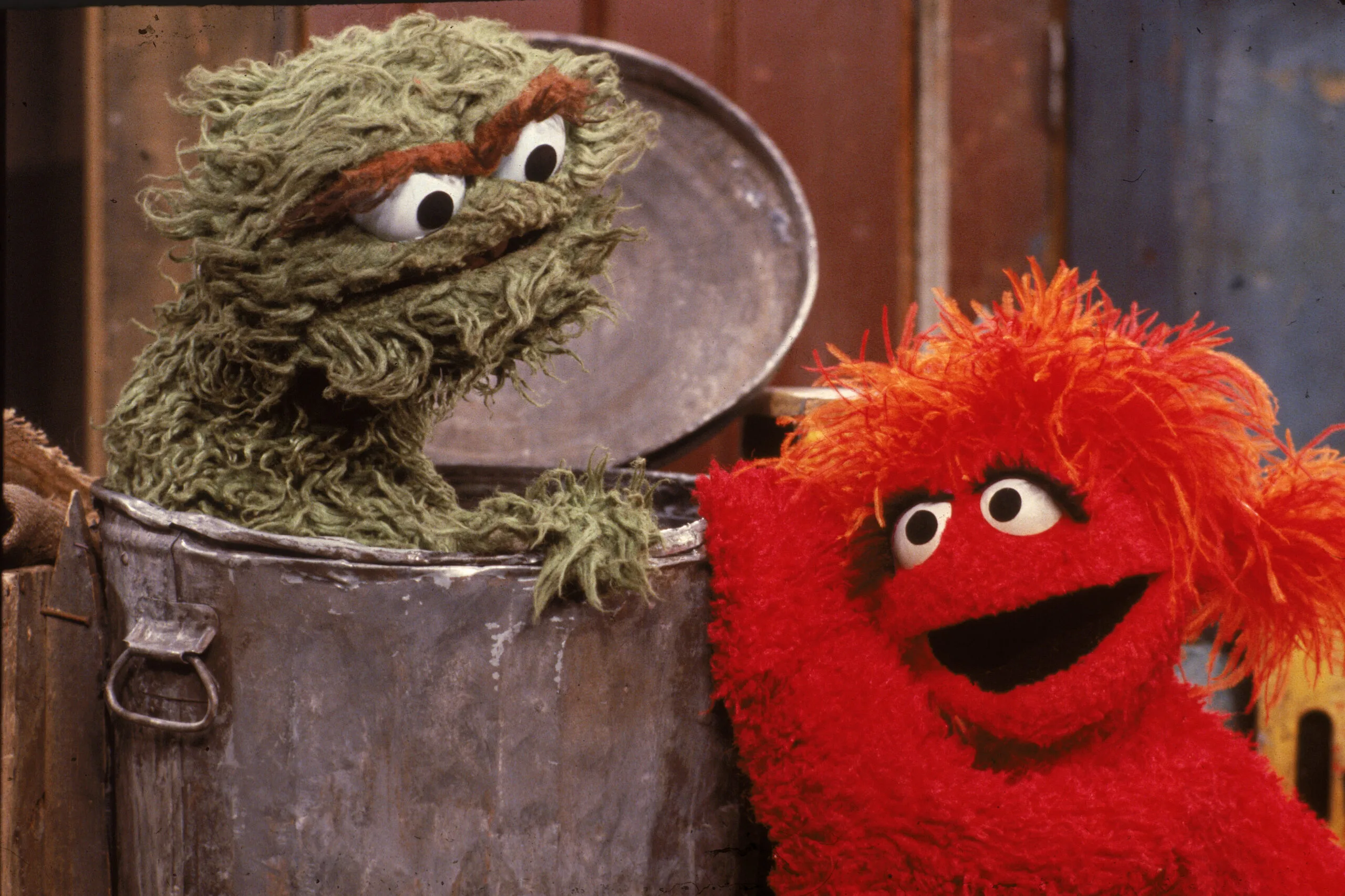
“They taught difficult concepts to children, like families being separated, issues of loneliness, of insecurity. Even the invention of Oscar the Grouch was a way to introduce the idea that not everybody you deal with is going to be easy in life. That some people are quite contrary and unpleasant even.”
The show itself was the brainchild of documentary producer Joan Ganz Cooney, a passionate activist. In the 1960s, America became incredibly politicised. The Vietnam War was raging, while a war on poverty was taking place within the US’ own borders. The civil rights movement was in full swing and the women’s liberation movement was gaining traction. Then Joan met Lloyd Morrisett at a dinner party one night in 1966.
Lloyd was a psychologist at the Carnegie Corporation of New York. And he was hoping to close socio-economic and racial gaps in the education system. At that time, inner-city kids – primarily black children – would often enter school three months behind their peers. By the end of first grade, they’d fallen even further behind, with the knock-on effect increasing in the ensuing years. And he’d been wondering … could TV help?
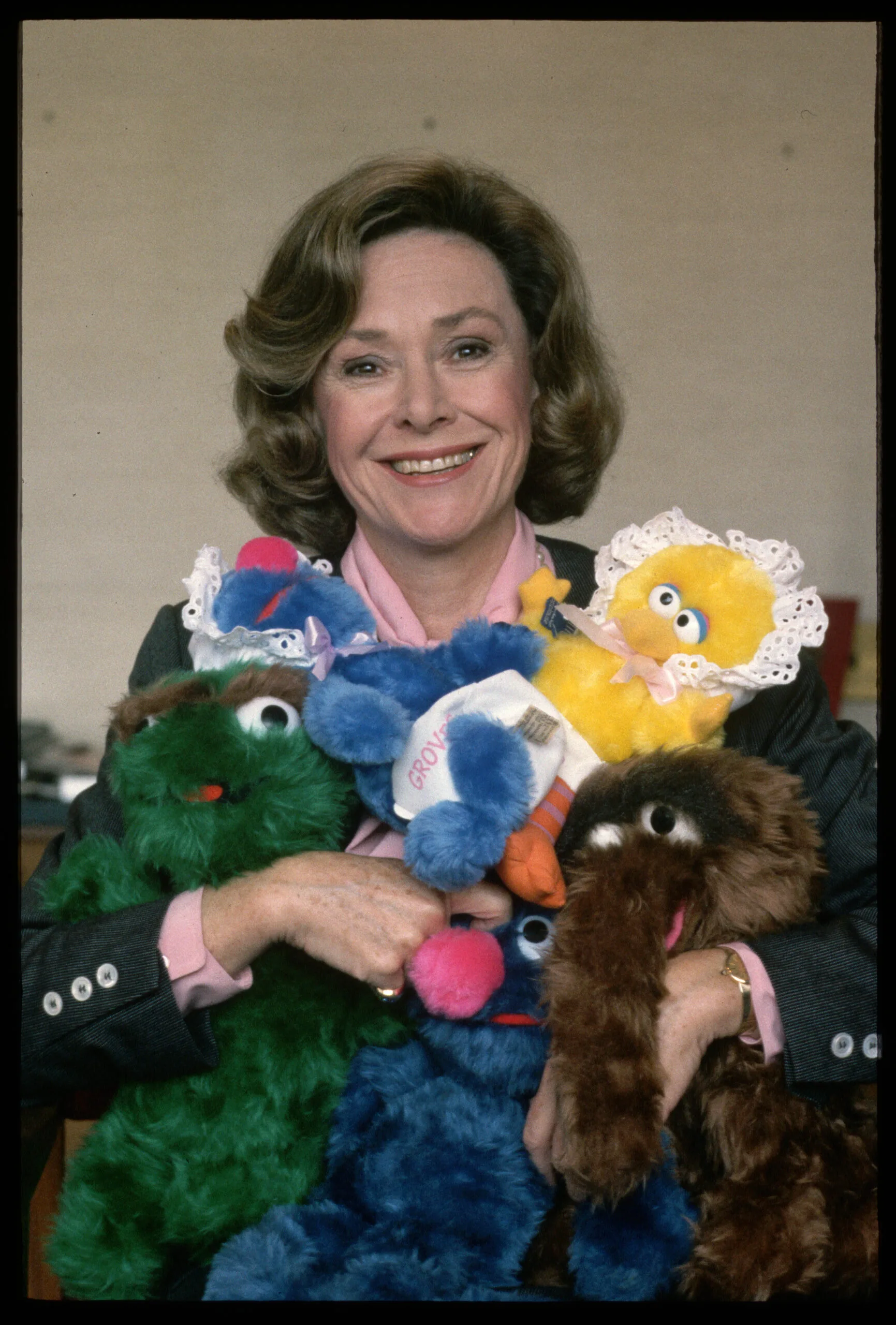
“In the 1960s, children’s television was in very idealised settings,” Marilyn explains. “They were always in a beautiful house with a white picket fence or a fairytale-like castle. And the real purpose behind 90 per cent of children’s programming was to sell cereals, toys, candy. It was really just a marketing tool and was treated as such. The power of advertising is so strong, and Joan had this idea to harness that and use it for good. Because all kids watch television – rich kids, poor kids, black kids. So can we use this to teach?”
After securing an unprecedented $8 million (mostly from the Department of Education) to launch the project, Lloyd assembled a group of educators. Joan enlisted Jon Stone – the man who would become the creative force behind the project. Jon too was an activist. He’d quit the world of television after becoming disillusioned with the times they were working in.
But he was fascinated by the idea of selling the alphabet to preschoolers. So, after accepting the role, in turn reached out to Jim Henson, a radical young puppeteer who had been making waves in late-night television and parody segments.
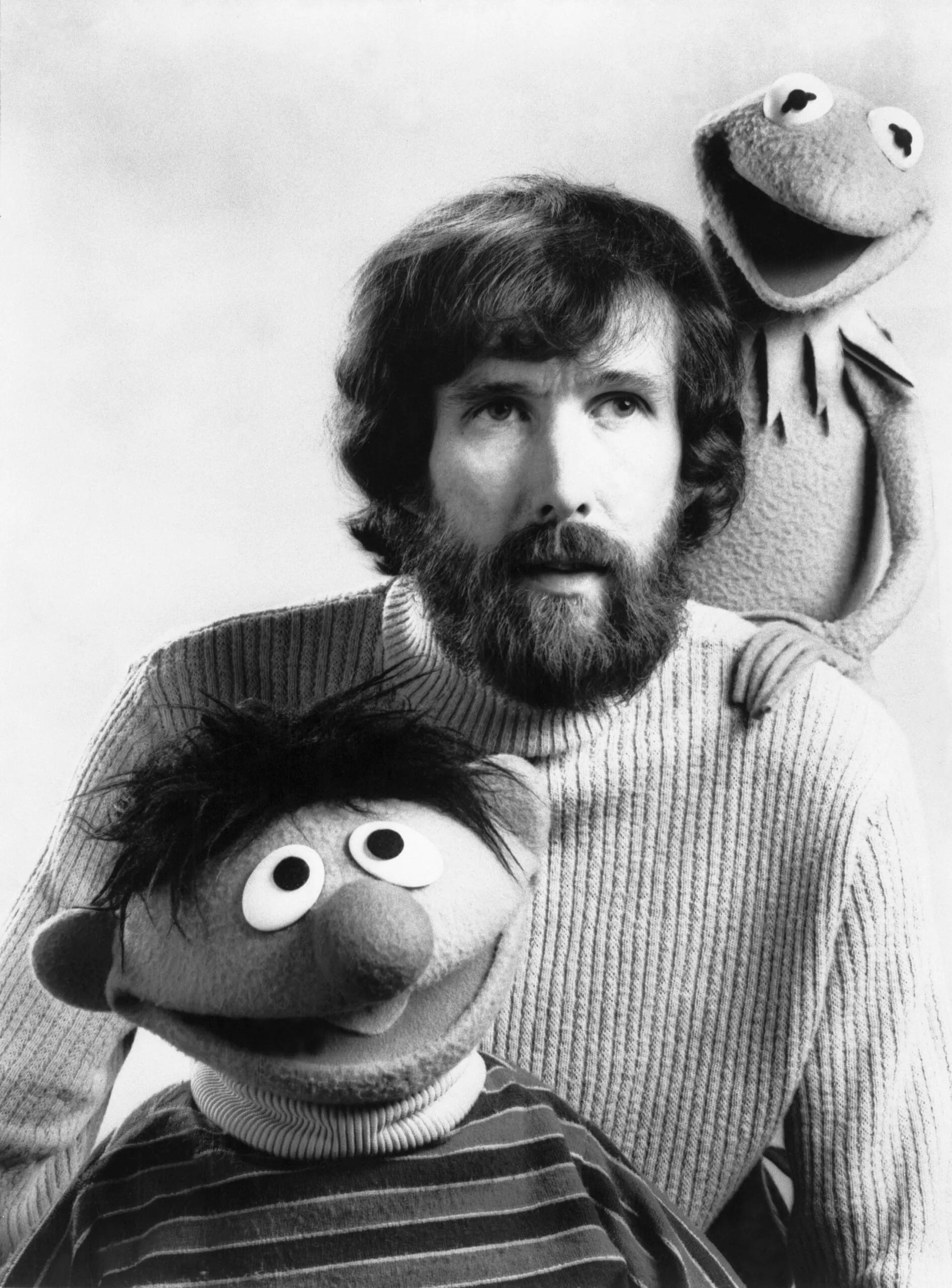
“Most of our work was sophisticated and it had a sort of black humour quality,” Muppets creator Jim reflected in an archival interview shown in the documentary.
“Our audience was college age. This would be the first time that we’d ever worked for children, really. When I first heard the idea from Jon, I loved the whole idea of it. Of taking commercial techniques and applying them to a show for kids.”
The educators Lloyd hired assembled the writers’ notebook which was filled with ways to break down the educational concepts needed for the show. Jon then enlisted a team in which members busied themselves coming up with ways to not only entertain their target audience, but the parents of the kids as well.
“The research had shown that if children watched the show with their parents, the retention of the information was greater than if they watched it alone,” the documentary’s co-producer, Ellen Scherer Crafts, explains.
This would prove the key to Sesame Street’s success. “It was a different world back then. There was only one television in the house, so if you wanted them to tune in, you had to make it entertaining for everyone in the family. The writers on the show were at the top of their industry. They were either writing for The Tonight Show, National Lampoon, MAD magazine or Sesame Street.”
“There was a lot of risk in what they put together,” adds co-producer Trevor Crafts. “You have got this merry band of players who are all comedy freaks and love that subversive type of humour. To have it on a children’s show was a big gamble.”
As Jon hit upon the idea of setting the show on an inner-city street, the team hired community outreach advocates who visited neighbourhood centres, schools, day care centres – anywhere they hoped they could spread word of how to access this television show that would be seen only on public television, not commercial networks. Ads were taken out in local newspapers showing people how to wiggle their TV’s “rabbit ears” to get the best reception.
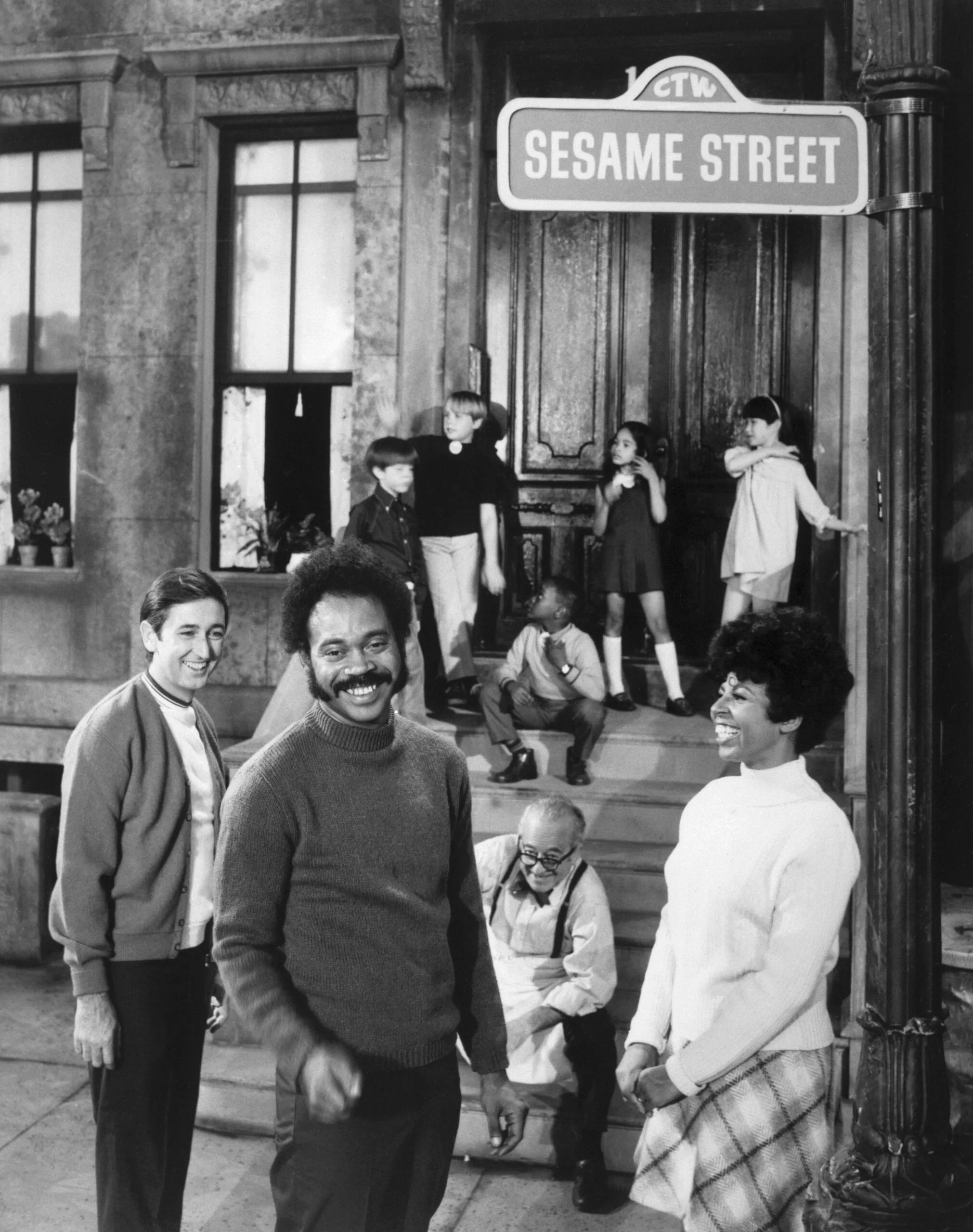
Finally on November 10, 1969, after five test shows and years of preparation, Sesame Street went to air.
The first show to feature an integrated cast, co-existing happily on one friendly neighbourhood street, it was an instant hit. Less than a year after that first broadcast, the cast was touring the country’s major cities, with member Matt Robinson (the originator of the role of Gordon) declaring, “This is like Woodstock!” after warming up the eager crowd.
It would prove so pervasively popular that when Mississippi’s Authority for Educational Television decided not to air the show in the Deep South state, a commercial television network jumped at the chance to buy the hottest property on the box. They topped the ratings as a result.
“Joan once said, ‘I thought Sesame Street was the quintessential American show,’” Trevor explains. “And it turned out to be one of the most amazing international brands ever. It’s because, at the core of what Sesame Street is and continues to be, it’s really about helping children. Giving them the tools that they need to make the world what they need it to be. And it all started on a Harlem brownstone stoop.”
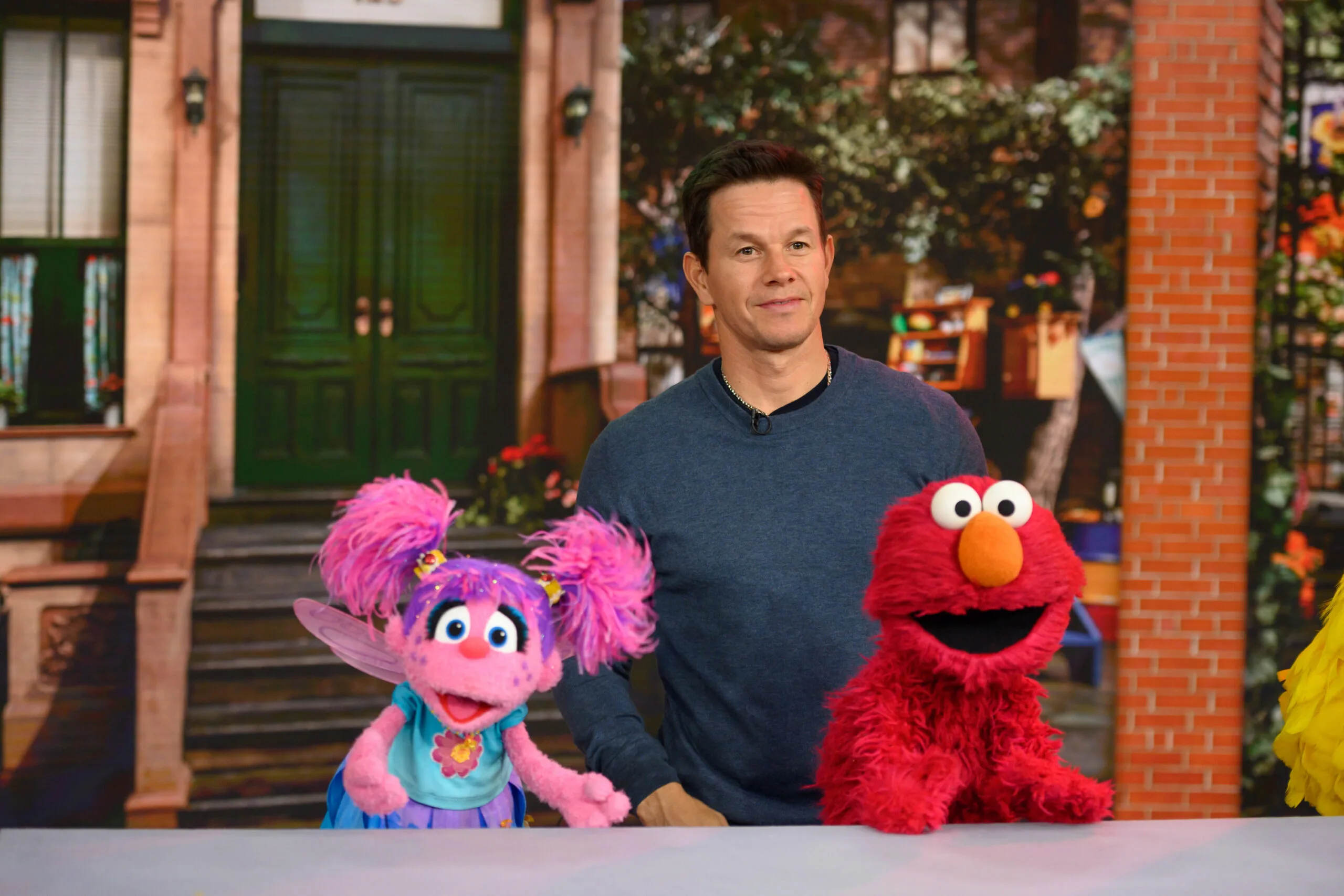
So many celebrities, politicians and activists clamoured to be on the show that, jokes Ellen, “it’s probably easier to find out who hasn’t been on”.
Stevie Wonder, the Reverend Jesse Jackson, Paul Simon and more have visited to share a tune, a tale or a rousing rally. Johnny Cash was so desperate to appear on his children’s favourite show that he agreed, for the first time ever, to wear blue denim.
“No character wears black on Sesame Street,” Trevor says of the astonishing concession from the Man in Black himself. “That’s the only time you’ll ever see Johnny Cash not wearing black.”
The documentary focuses on the first 20 years of the show’s history. But today Sesame Street continues to make hugely important strides in helping children see themselves reflected on screen while learning important facts of life – alongside, of course, their ABCs and numerals.
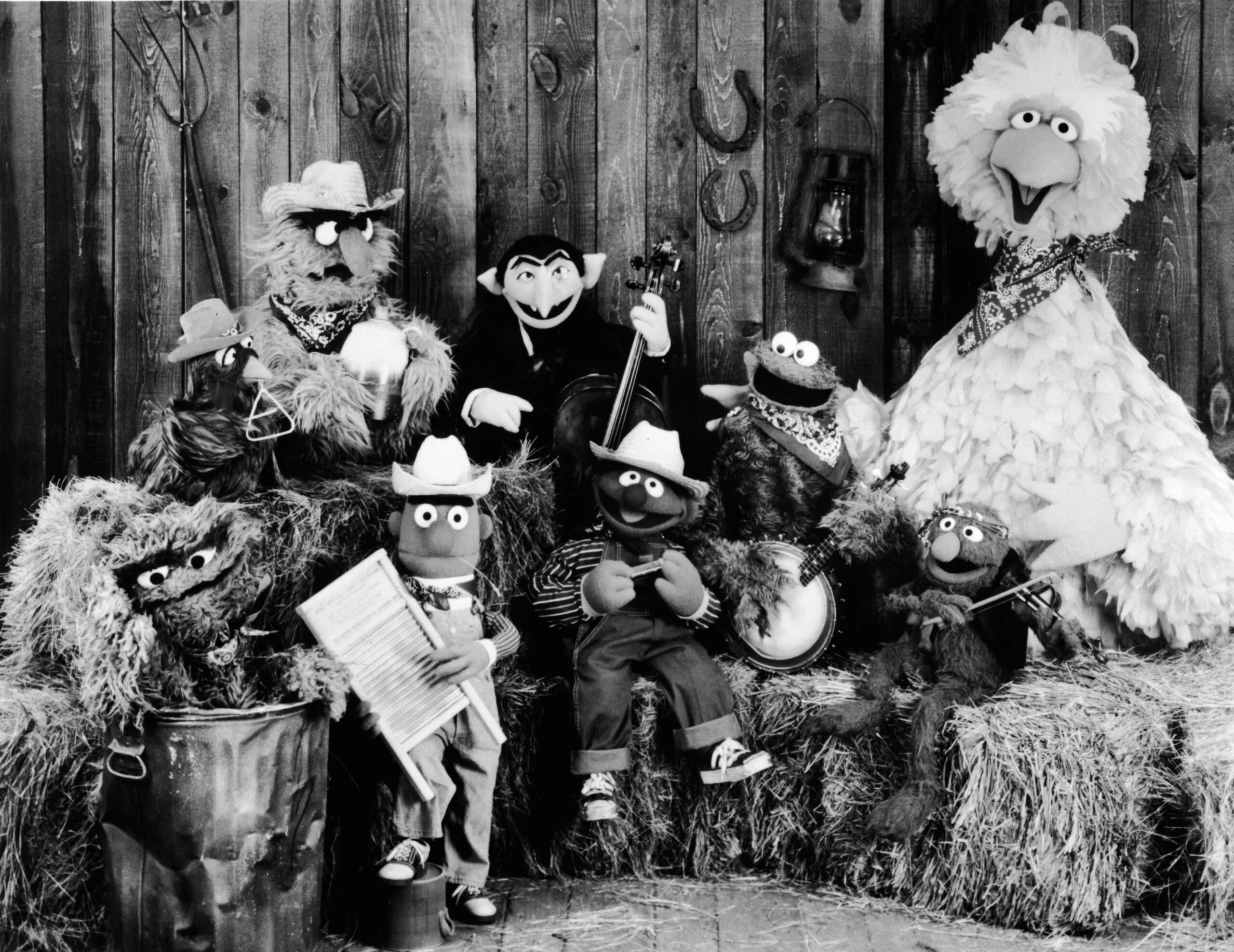
“Just recently Big Bird put out a commercial to talk about the importance of vaccination,” Marilyn says of one vital role Sesame Street played during the COVID-19 pandemic.
“There are now also Muppets that are mixed race, autistic and more. In its own way, Sesame Street continues to put a mirror up to what society is, and what society should be, to children.”
And that’s why Ellen believes that revisiting the early days of the show is especially important now. “Street Gang is about a group of people who came together for a purpose that was larger than themselves,” she says. “They thought that they could change the world by using their talent, their creativity, their smarts. But they did it as a team. We all need inspiration and the feeling that we can make a positive change in both our lives and our world.
“It doesn’t need to be as grand as creating one of the most iconic shows, but let’s feel inspired to do something. And to have hope.”
Street Gang: How We Got to Sesame Street is available to watch on Apple TV.
The article originally appeared in the February 2022 issue of The Australian Women’s Weekly. Subscribe so you never miss an issue.


Share this post