




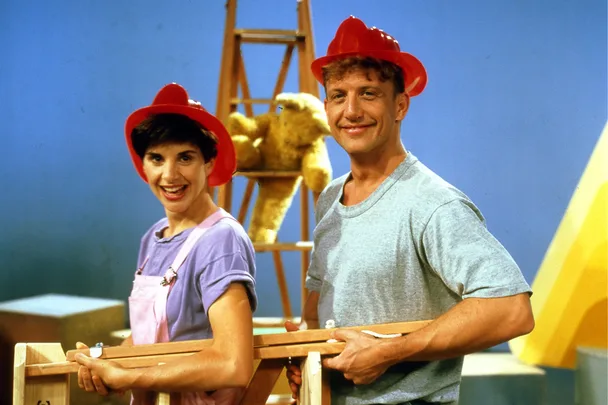
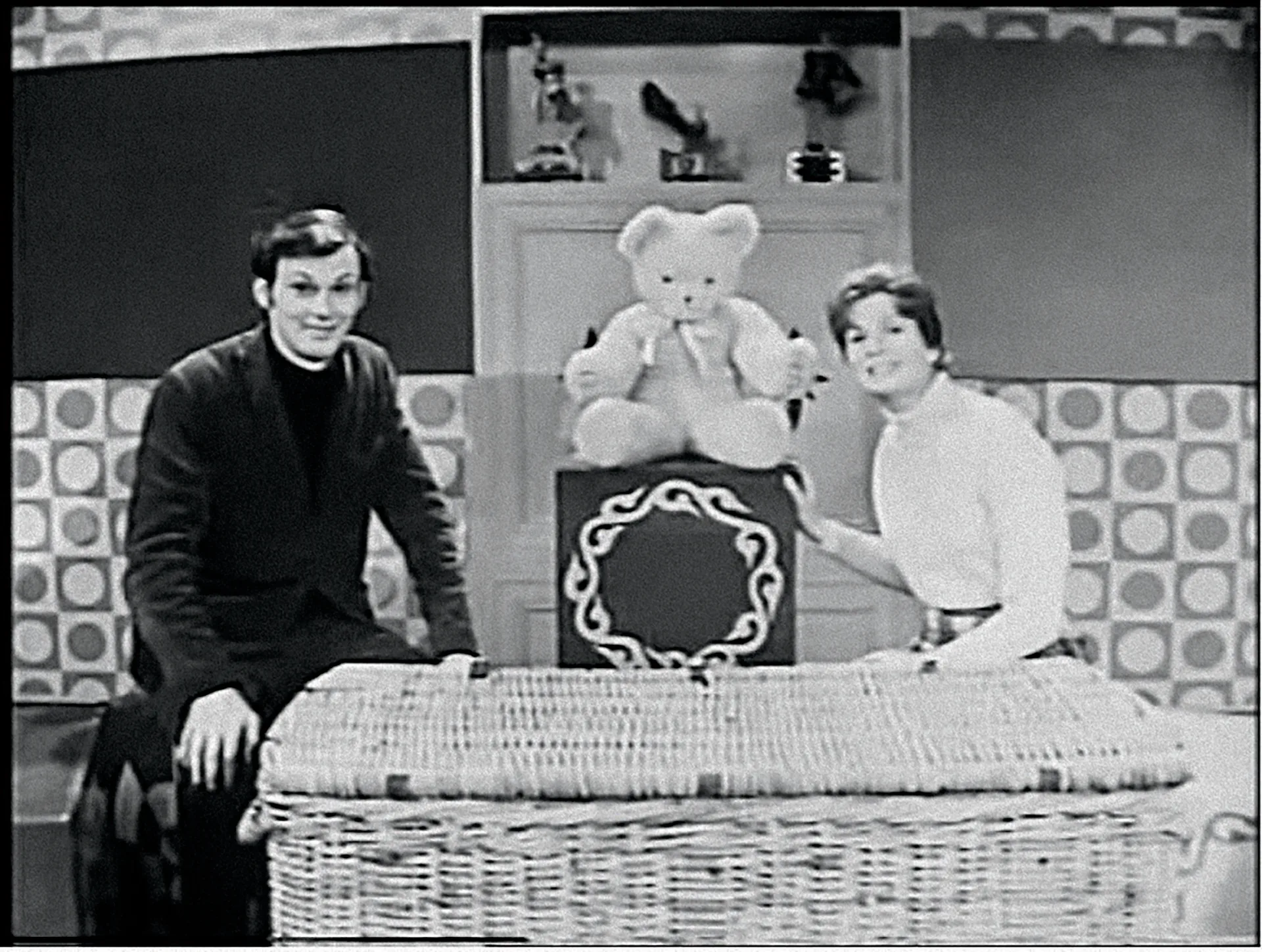
At 10.05 am on July 18, 1966, a gentle percussion strain signalled the debut of a new children’s show on the ABC.
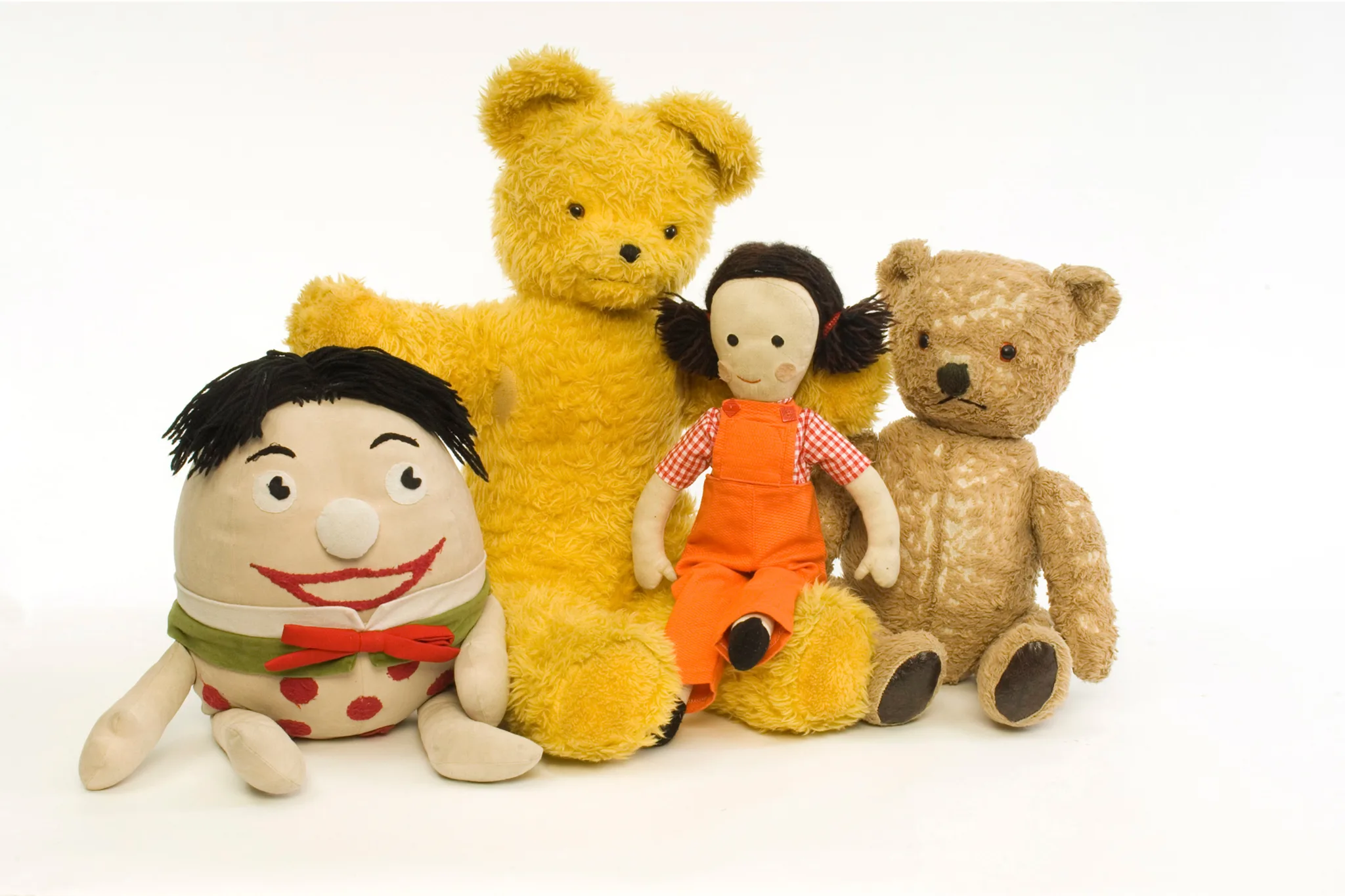
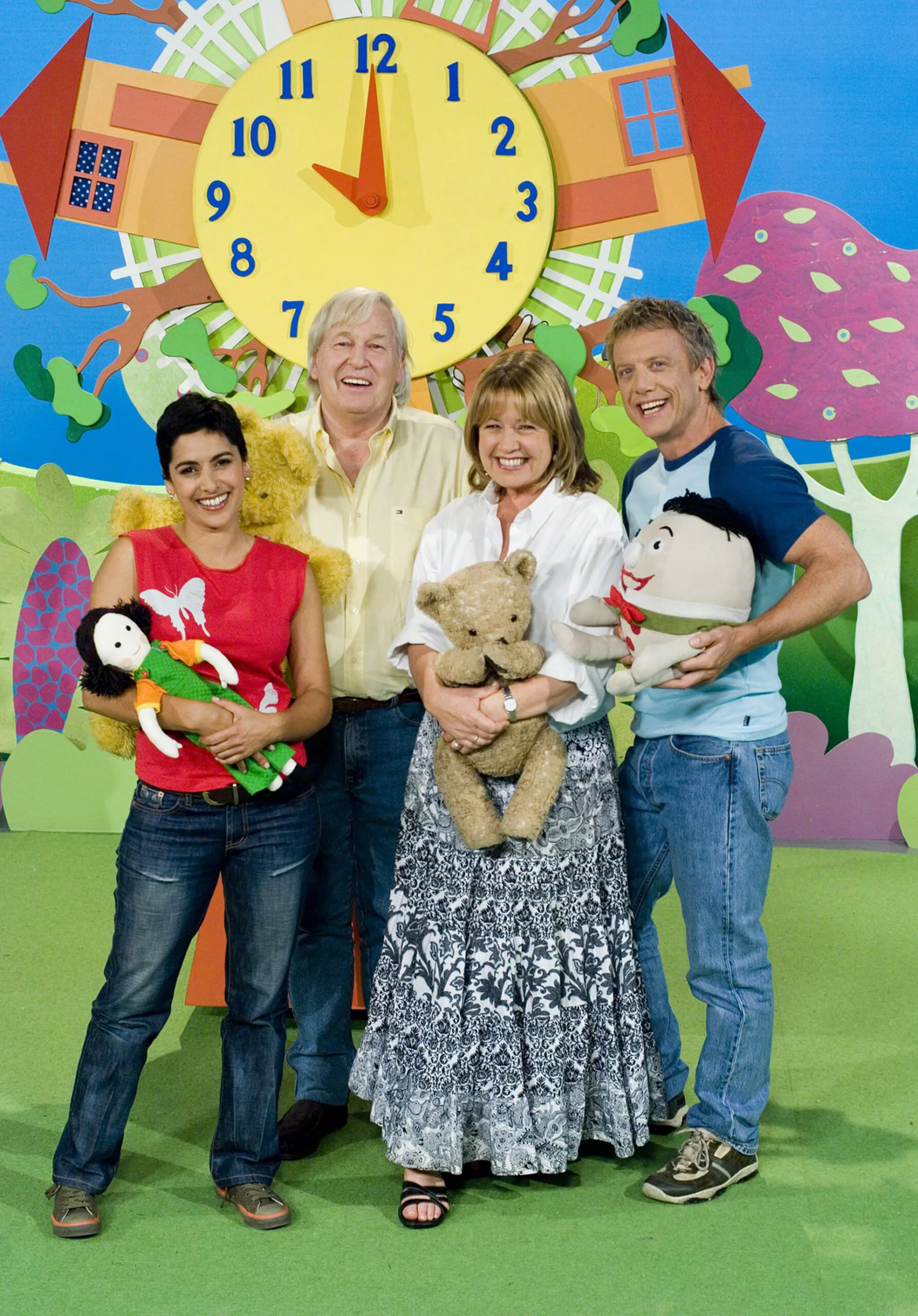
“There’s a bear in there,” began the lyrics, “and a chair as well … ” before Play School presenters Diane Dorgan and Alister Smart arrived on screen with pals Big Ted, Little Ted and Jemima, ready to lead the activities of the day for their preschool viewers.
Shot live in black and white and adapted from the BBC’s format, soon Play School would become a twice-daily must-see viewing. Sixty years on, it’s the second-longest continuously running children’s series in the world. (The UK’s Blue Peter just pips it to the post, having started in 1958).
Play School is now uniquely Australian, seen in colour, on demand and available across a variety of devices. But the simple draw of a show built on the mantra of play first, education second is undimmed.
Many of its staples – including that theme tune – remain unchanged.
“In the last two or three years we’ve seen ratings really pick up,” Play School’s current executive producer Lyndal Mebberson tells The Weekly.
“Kids are still watching a full half-hour of Play School right to the end. Which is quite stunning given the popularity of YouTube videos and shows with really high energy, computer-generated imagery that give kids a huge hit of dopamine. But we are finding that families and children are returning to Play School, which is slower. It’s very tactile, and it’s what we call ‘get down on the ground and play’ television.”
When did Play School start?
The secret to its enduring success, many would argue, is twofold. First is the integral role that early childhood educators play in the show. And second is the fact that Play School offers kids a realistic and inclusive glimpse into the world they live in – all cultures, all genders, all abilities and more.
And both of these were deeply embedded in Play School’s structure from the start.
Sydney preschool teacher Jenny Mackenzie was one of the earliest childhood educators to ensure the show was on the right track. Producers would take televisions into preschools to watch alongside their pint-sized viewers to get true, unfiltered reactions as well as feedback from teachers.
“In the 1960s I would go out in the playground and tell the children, ‘Play School’s on’,” she told ABC Radio National in 2016. “That was the best first test. Did the children really want to come and look at it? And they did.”
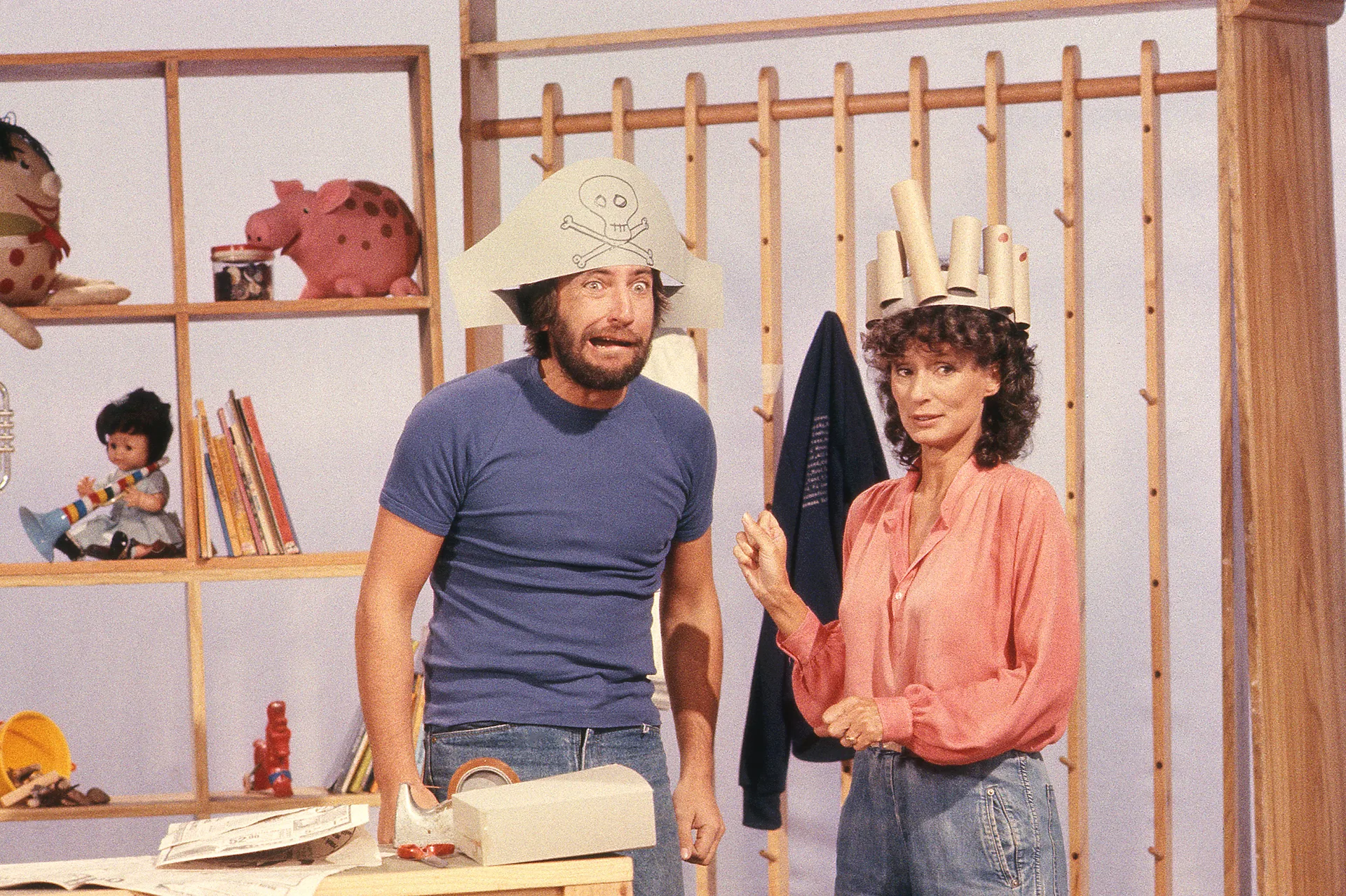
Each batch of episodes would follow the same format, with a theme of the week and a different activity each day. Story time, arts and crafts, singing and dancing and participation from those at home were asked for throughout. And while new segments and themes have been crafted since then, the format itself remains the same today.
“The research 60 years ago was that play was essential for children,” Angela McLean, current early childhood adviser and scriptwriter for Play School, tells The Weekly. “And it’s even more relevant because of technology. Play has become even more important.”
How is Play School made?
Angela has been working with Play School since 1982. Her role is to underpin any creative idea with the early childhood learning framework in Australia, to align and supplement what children are learning in preschools. The care, she says, that’s put into each episode is key to its continuing success and resonance with children.
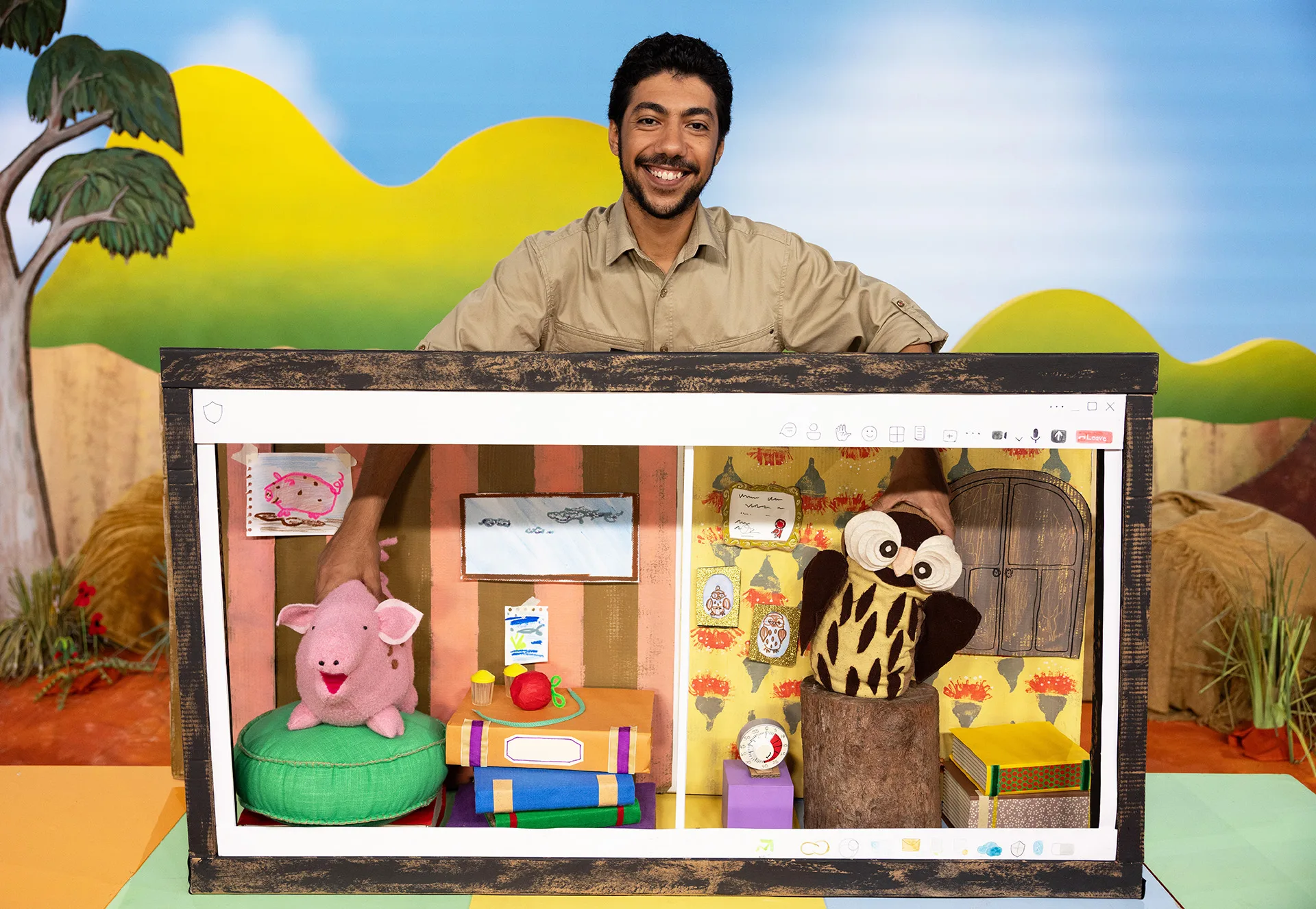
Today, each week’s batch of episodes is six months in the making. There’s the original brainstorm where an overarching theme is decided upon. Then there’s the writing, rehearsals, filming, and editing. And at every step, the team take meticulous care to ensure they not only keep a child’s attention for a whole 30 minutes – something that’s increasingly hard to do in a modern world of YouTube videos and social media content – but broaden their education in the process.
“Children don’t have great attention spans,” says Angela. “But we make a program so that they attend for half an hour. For young children, concentration is a big thing to develop.”
The importance of inclusivity
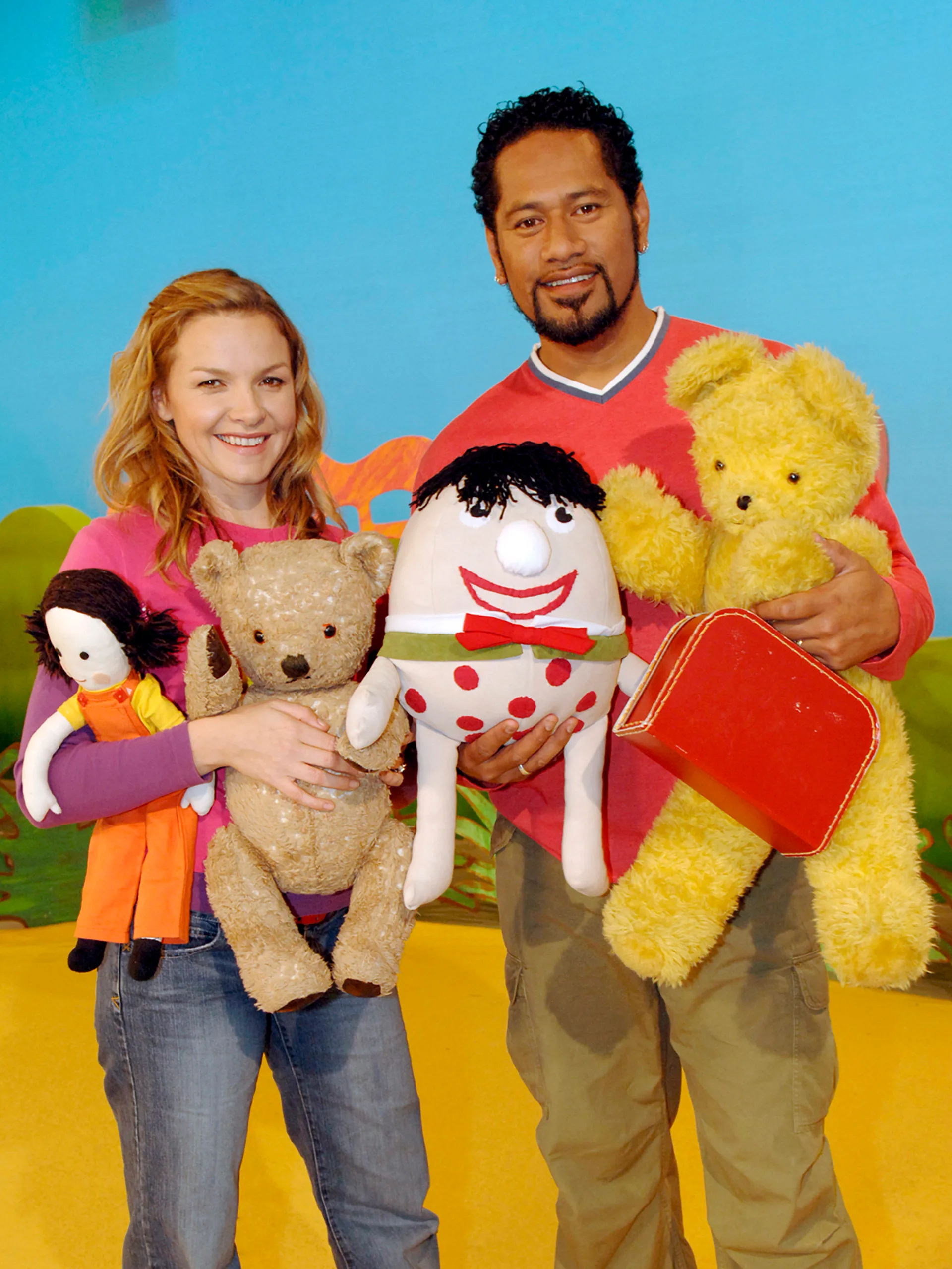
Inclusivity has also played a key role, from the presenters to the toy family. Alongside the “core four” of Ted’s Big and Little, Humpty and Jemima, the show has seen more diverse dolls join the family over the years. That includes Korean twins Kim and Lisa. And Kiya, an Indigenous doll from Noongar country who made her debut in 2019. Not that she was the first doll of Aboriginal descent – the show has also included Jim alongside current toy Dan.
Kiya’s introduction marked another big moment in Play School history: The historic Acknowledgement of Country special, devised by Hunter Page-Lochard for NAIDOC Week.
Hunter – a descendant of the Nunukul people of the Munaldjali clan of the Yagambeh tribe – was joined by proud Larrakia and Tiwi woman Miranda Tapsell in her debut episode as well as proud Wiradjuri and Ngunnawal man Luke Carroll. It was the first all-First Nations presenter line-up for the show. And it was received by all viewers with open arms.
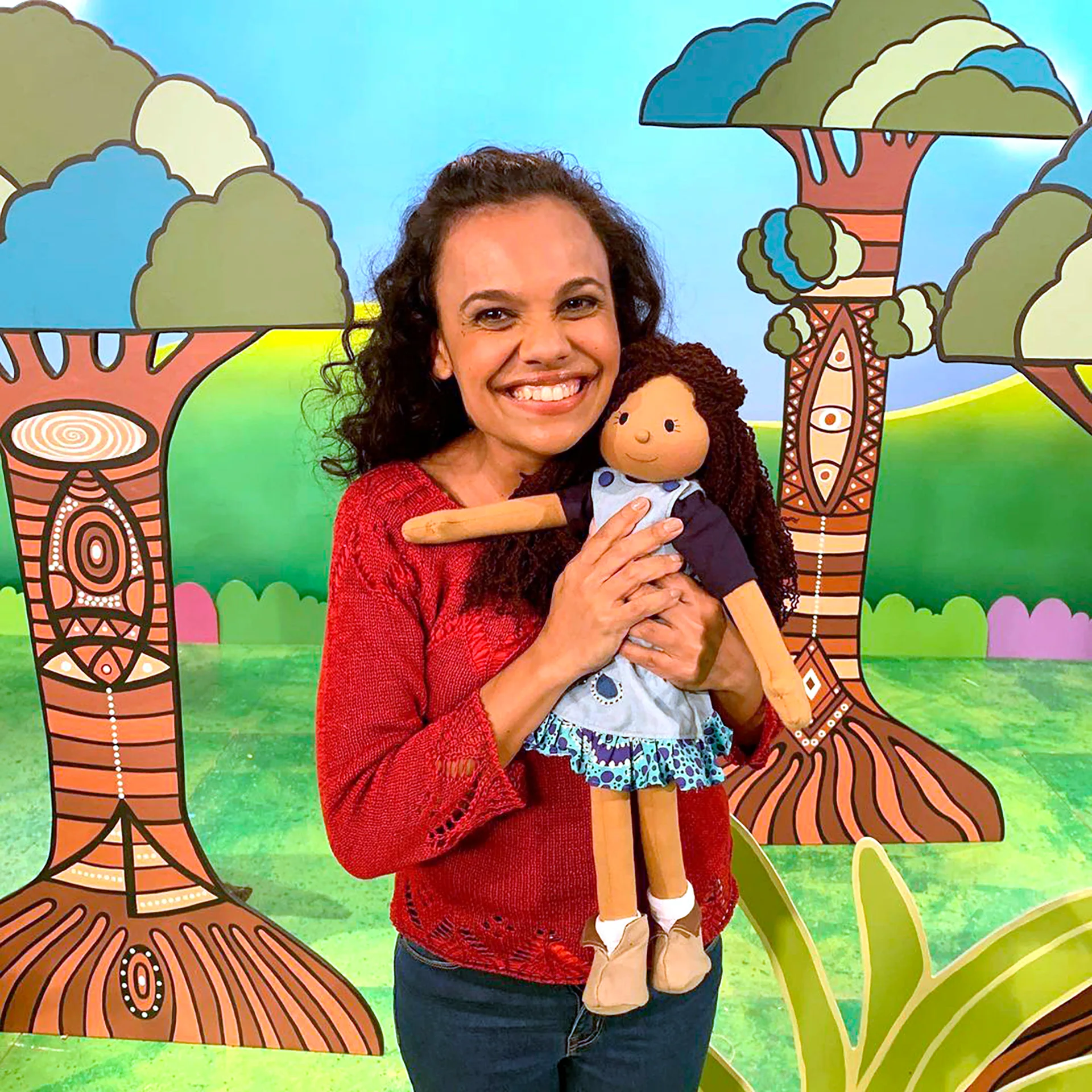
“One of the main things I loved was how many non-Indigenous kids were really enraptured by that episode,” Hunter, who joined the cast in 2018 and has gone on to write and direct for the show, tells The Weekly.
“We started to introduce a lot of Indigenous teachings, which is great because we don’t really have that in our curriculum. It’s something I’m really proud of and happy that we are showcasing to kids. The whole point of Indigenous stories is about oral teachings and sharing the knowledge.”
The magical windows
And then there are those windows. When Simon Burke landed his job on Play School in 1988, aged 27, he referred to himself as “the missing link”.
“I was four when the show started, the target age,” he tells The Weekly of being the first presenter to grow up watching the series. “I did my screen test with Benita [Collings, who presented from 1969 until 1999]. It was a real pinch-me moment. Forget seeing all the presenters. Seeing Big Ted, Little Ted, Jemima – all the gang – up close is a pretty full-on moment because it’s such a constant in our lives.
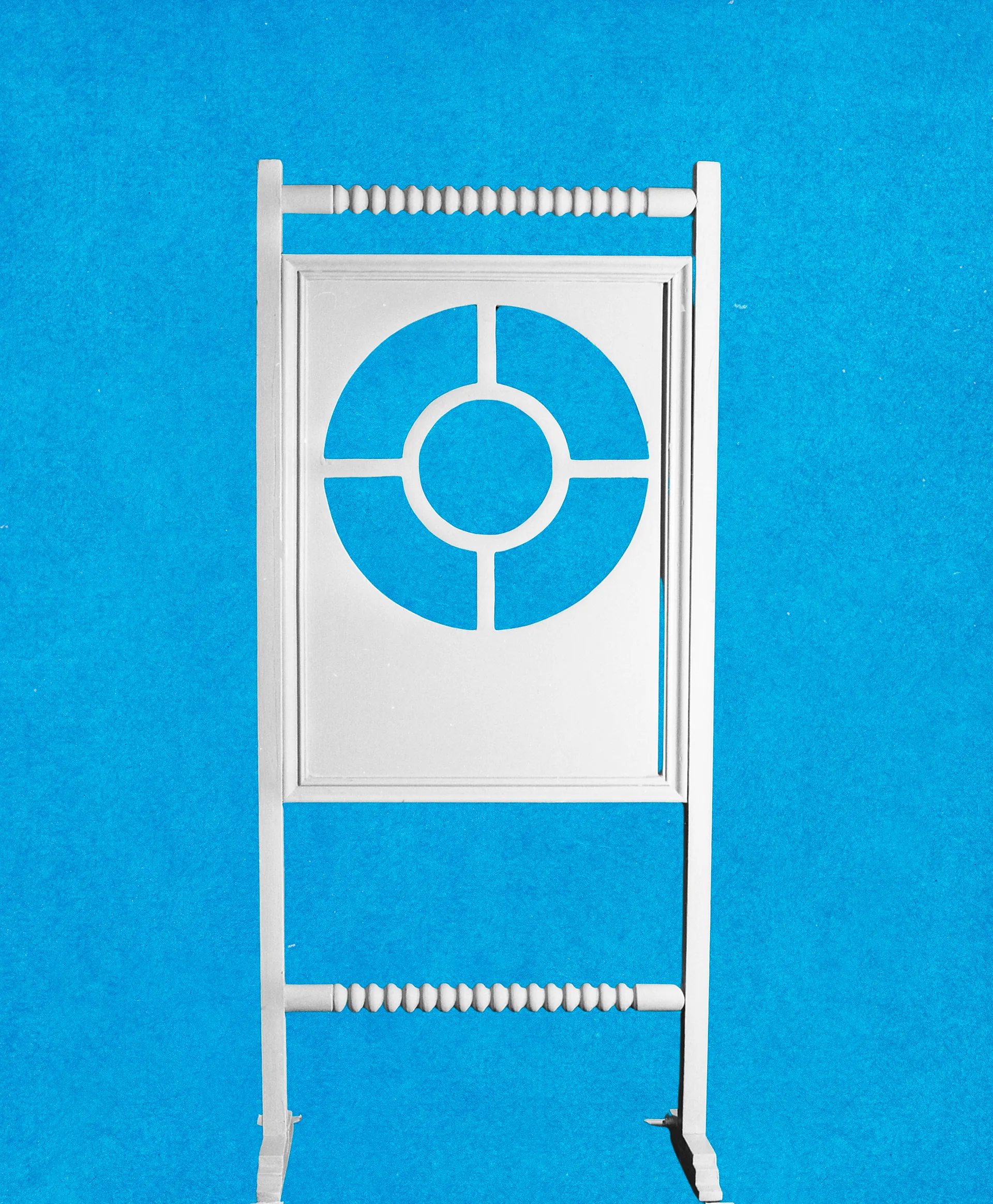
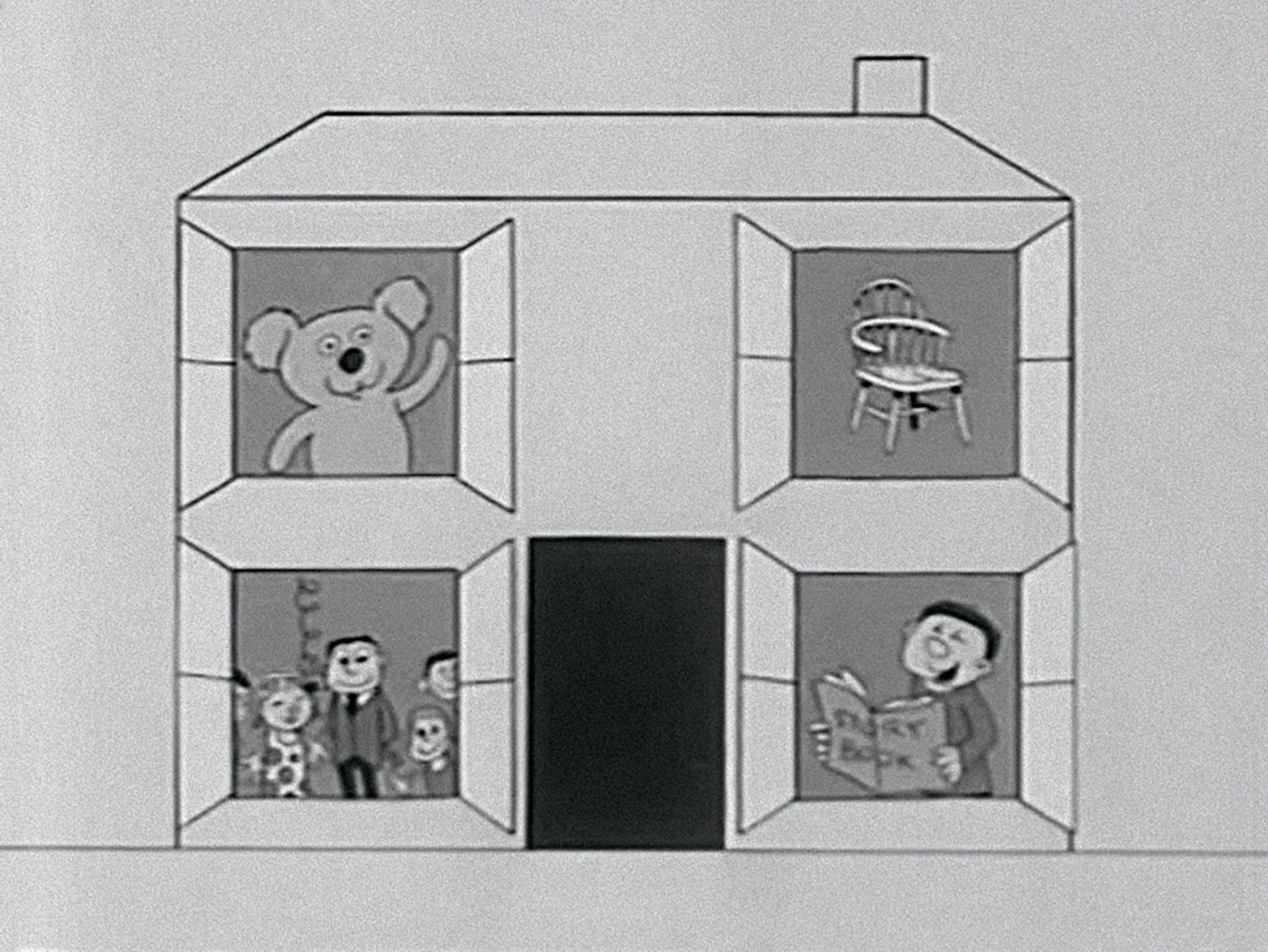
“But the thing that really got me was seeing the windows because they are such a magical thing. It’s such a simple concept.”
Through either the arch, round, square (or later) the diamond window, a series of short films have shown scenes of life around Australia, from the beach to the bush and beyond. It was – and remains – a wonderful way for kids to learn about the world and see their own lives represented in organic and meaningful ways.
“We hear all the time about those films, even from adults, saying, ‘That was the first time I saw a family like mine’,” says Lyndal Mebberson of the segment. “Be it the food or some kind of cultural activity, we are all shown in the way we are living.”
The importance of inclusivity
“We had the first same-sex parents through the window,” adds Monica Trapaga, who joined the show in 1990. She was the youngest at that time to do so, as well as the first with a child.
“That was a huge move for Play School to go through the window and show two gay mums dropping their kid at school. “The important things they keep dealing with mean a lot to me. They always tried to do different languages. I remember when they brought Sofya [Gollan], who is deaf, onto the show. Trisha Goddard [who worked on the show from 1987-1998] was one of the first black presenters on Australian TV.”
Play School has produced episodes about friendship and allyship. It created a Beginnings and Endings series, which tackled the big topics of life and death for littlies. Not to mention episodes about starting school – the biggest event in a young watcher’s life.
“The good thing,” says Simon of this always-on approach to inclusion in the series, “is that it’s not virtue signalling. It was just like, well, this is Australia now, and we’re not doing our job unless we’re representing it.”
Fun for the young and the young at heart
It’s important work, yes. But there’s also a lot of fun that goes into the making of the show. And there are definitely gags intentionally designed to entertain the big kids tuning in.
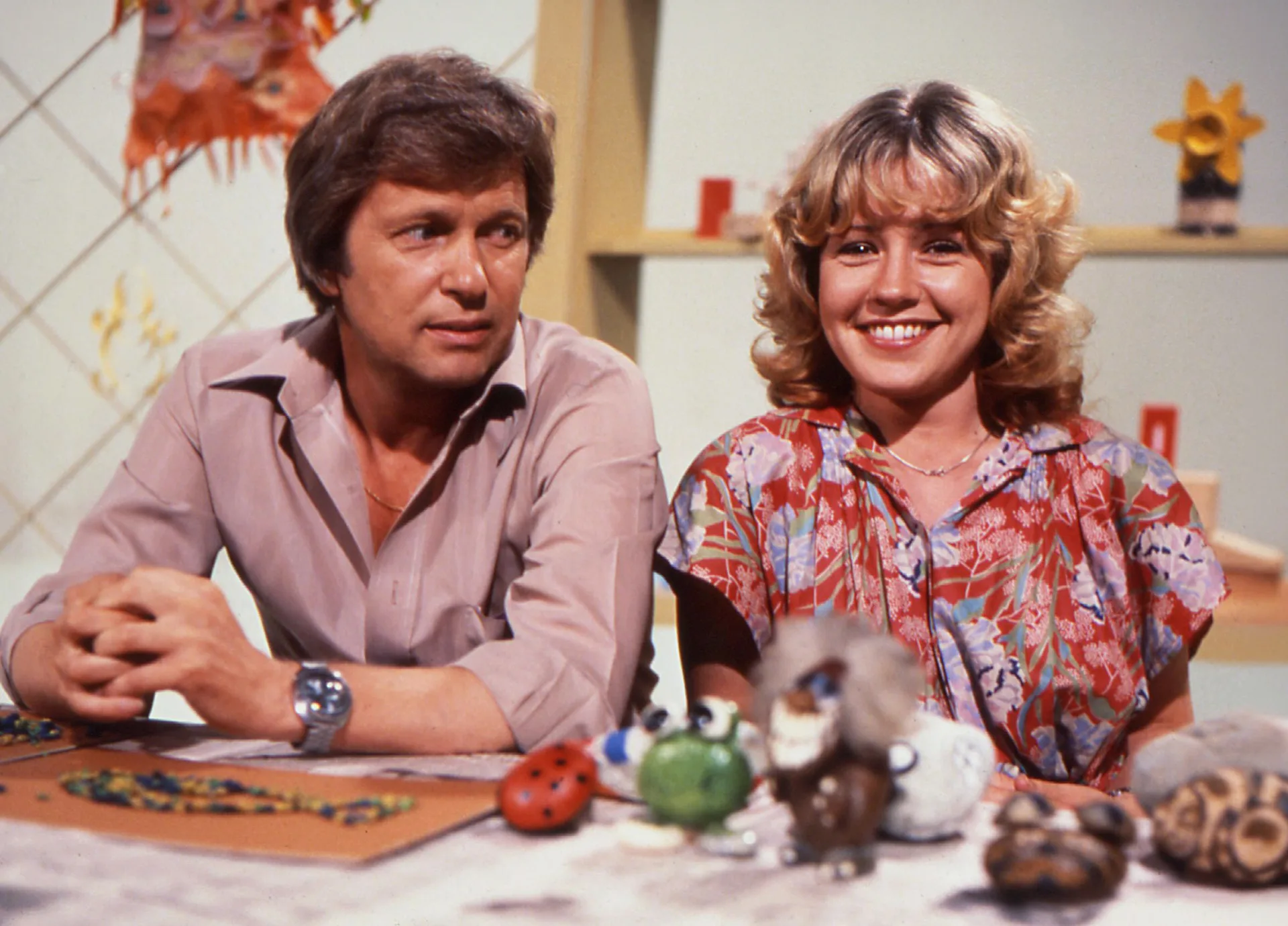
“It’s made for children, but fun for adults,” says Simon of why the show has remained popular with parents watching with their kids. “In the heyday, the double entendre was encouraged. And I got taught by the best – Noni [Hazlehurst] and Trisha Goddard were both particularly naughty. And, of course, John Hamblin was always my idol. Once you got a bit comfortable, you could slip a little double entendre in. It would go straight over a child’s head. But the mum or dad, carer or grandparent that’s singing it for the 47th time? They will go, ‘Oh, I’m glad that’s still there.’
“There are jokes for the adults and jokes for the kids. And that’s what happens in the very best Pixar films.”
“I loved the dancing and dressing up,” adds Monica. “I particularly remember George Spartels [who was on the show from 1986-1999] and I sharing a tutu, one shirt and one pair of shoes to do the wobbly walk. People still remember that particular episode.
“And of course I had to hump across the floor singing, ‘I’m a slug, I’m a slug, I’m a slippery, slimy slug’ in a sleeping bag with a swimming cap on my head with antennas. That’s gone down as one of my more memorable moments. The camera crew were in tears. If you can laugh at yourself, you’re always going to do well on Play School.”
A lasting legacy
Presenters were taught to talk to the camera as if it were a child standing right in front of them. To talk to them as friends, not down to them as adults. To encourage them to join in the fun.
Simon recalls being on a plane 25 years ago and being approached by a flight attendant who asked to take a photo with him so she could show her daughter.
“She said, ‘She’s going to kill me for saying this, but when she was four, you were her imaginary friend. And every night we had to set a special place for you at dinner.’ I mean, what’s better than that? To have been someone’s imaginary friend?”
As a dad to two young girls who are right in the Play School viewership pocket, Hunter is thrilled to be making TV that resonates not just with them, but with their peers.
“I get recognised for Play School more than anything else I do, especially if I take my kids to a playground,” he says. “I’ll always get a kid that’s staring at me, trying to work out where they know me from. I’ll smile as I do on Play School and they’ll freak out and run to their parents to tell them.”
Play School belongs to all Australians
During her time on Play School, Monica was an ambassador for a children’s hospital. She would visit young fans of the show, sometimes taking rag dolls with little embroidered hearts saying ‘I love you’, made by her grandmother.
During one of her recent jazz concerts, she was approached by a young woman who had made her a card. “She said, ‘You came to visit me, and I didn’t have long to live,’” Monica recalls of the emotional moment. “She said, ‘I still have that doll and look at me, I’m 31. You were just my favourite [Play School presenter], and I’ve called my daughter Monica.’”
Those stories are just the tip of the iceberg when it comes to the lives that have been touched across the decades; of the children – and adults – who have tuned in to the show that has shared our childhood journey.
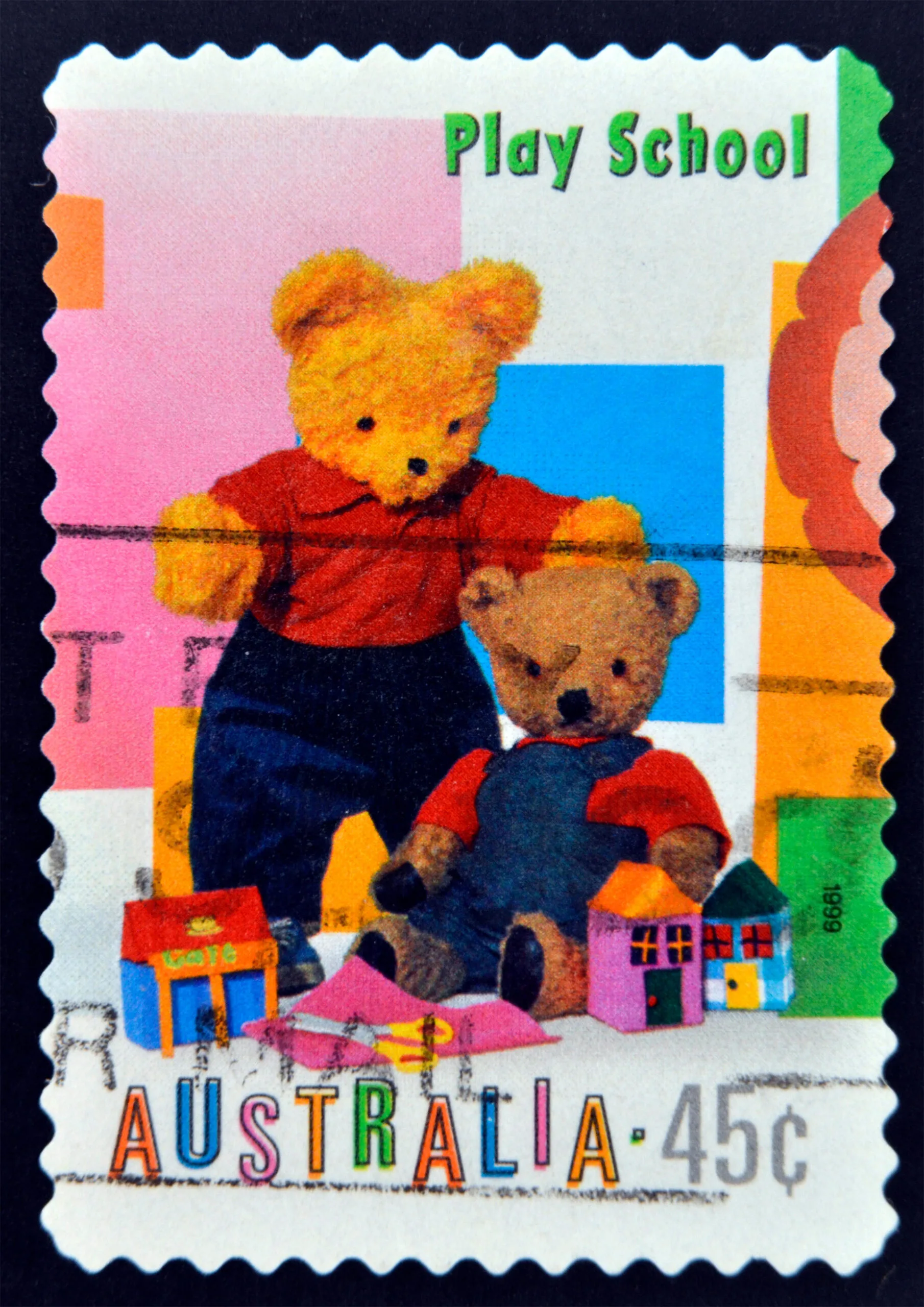
“Play School belongs to all Australians,” Lyndal says of the role all the executive producers have played in its continuing success. “It doesn’t belong to us. We’re just the caretakers of it for a short while.”
This article originally appeared in the July 2026 issue of The Australian Women’s Weekly. Subscribe so you never miss an issue.


Share this post