




At a glance…
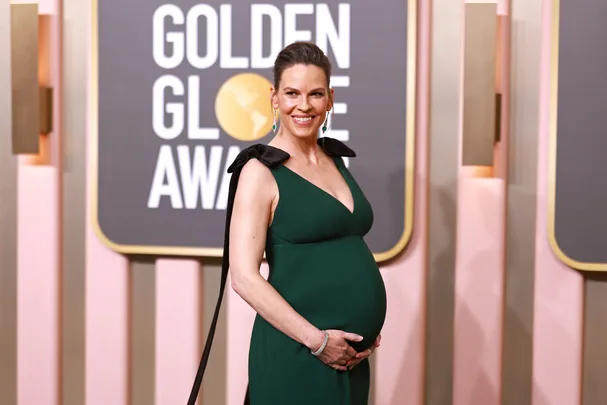
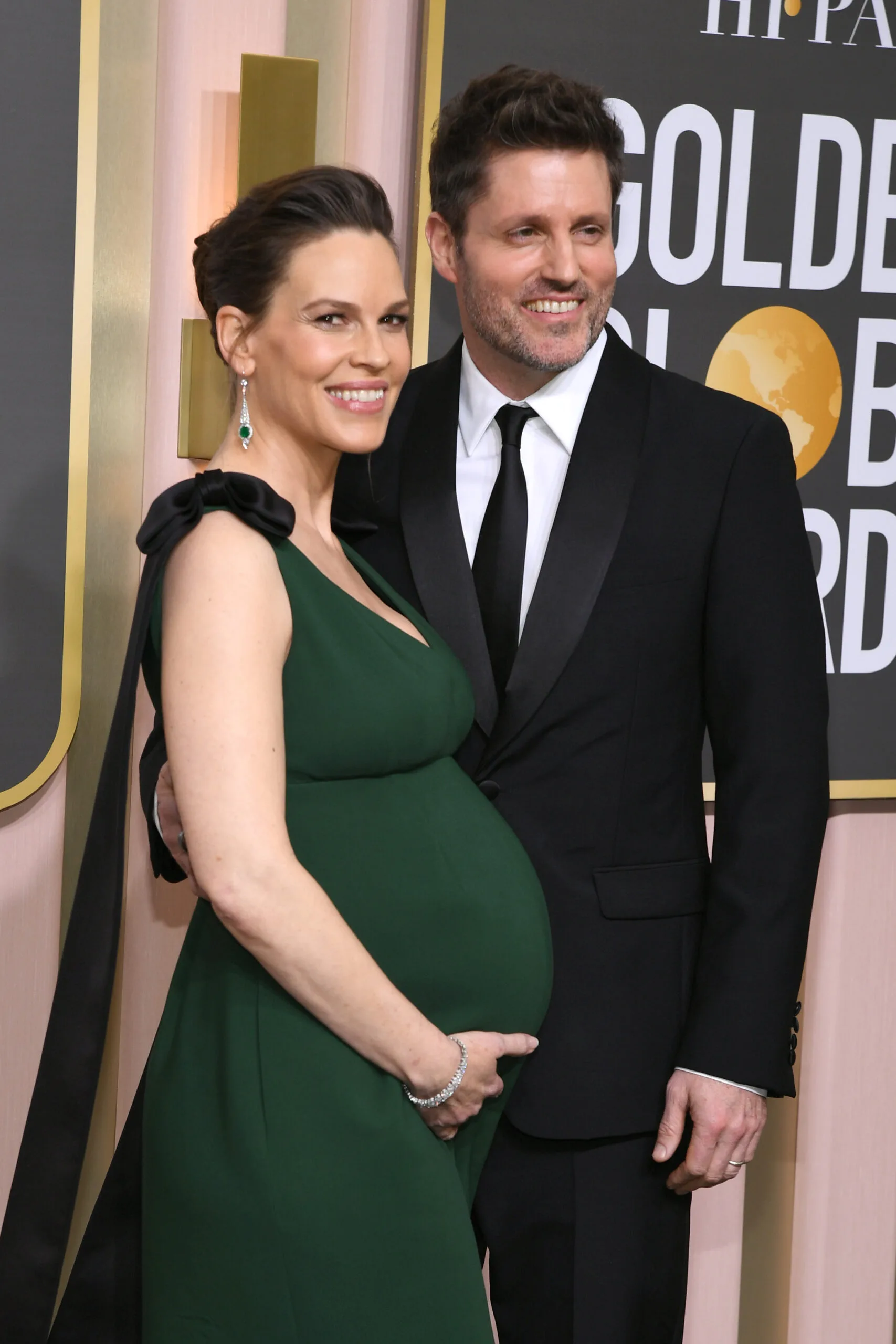
- Oscar-winning actress Hilary Swank has announced she’s expecting her third child at 52, three years after welcoming twins.
- Australian women are increasingly having children later in life, although pregnancy in the late 40s and 50s remains uncommon.
- From Nicole Kidman to Sonia Kruger, The Weekly revisits the experiences of famous women who have navigated later motherhood and the realities of fertility.
At 52, Hilary Swank is preparing to welcome her third child. The Oscar-winning actress is the latest high-profile woman to announce a pregnancy later in life, reigniting a conversation about fertility, motherhood and the changing expectations placed on women.
Hilary shared the news in an Instagram video, teasing that her latest “project” is arriving in December 2026. The announcement comes three years after she welcomed twins in April 2023, having become pregnant at 47.
While more women are choosing to start or expand their families later in life, pregnancy in the late 40s and 50s remains relatively uncommon. But behind the celebrity announcements is a much broader conversation about reproductive choice, fertility and the realities of modern motherhood.
In an April 2025 interview with Women’s Health, Hilary discussed freezing her eggs at 37 to preserve her fertility options. She described it as one of the most important decisions she made in preparation for motherhood.
“Thankfully, I had that ability to freeze eggs for later,” she shared. “It takes some of the pressure off.”
She acknowledged that egg freezing offers no guarantees, and that the process isn’t available for everyone, but advised that if you want to have a family and have the resources, she recommends doing it.
“I would have had kids earlier,” she admitted. “I’m not saying I actively waited until 47. But that was a magical time in my life, when it all culminated. It was the right time for myriad reasons.”
Hilary’s experience reflects a broader trend towards motherhood later in life, which is reflected in Australian birth statistics from the ABS (Australian Bureau of Statistics).
“The average age of both mothers and fathers has steadily increased since the mid-1970s,” explained ABS Head of Demography, Emily Walter. “In 1975, less than 20 per cent of births were to mothers between 30 and 39 years old, but now nearly 60 per cent of births are to mothers in this age group.”
Emily also noted that while Australia’s overall fertility rate remains low, the fertility rate for women in their 30s and 40s has “significantly increased.”
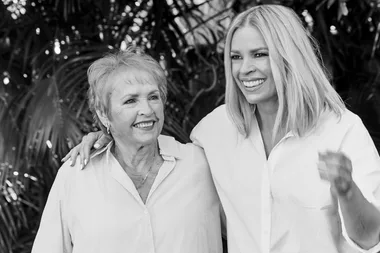
However, those figures don’t tell the whole story. While births among women in their late 30s and early 40s have become more common, pregnancies at more advanced ages remain relatively rare. In 2022, the fertility rate for Australian women aged 45 to 49 was just 1.1 births per 1,000 women, according to the ABS.
There are countless reasons why women are having children later in life. Today, greater opportunities for education, career progression and financial independence have given women more choices than previous generations enjoyed. Advances in contraception and reproductive medicine, including IVF and egg freezing, have also changed the conversation.
But there’s another factor that is perhaps harder to quantify; that is that the traditional milestones of adulthood no longer follow quite the same timeline. Like many of my thirty-something and forty-something friends, I don’t own property or have children. But those traditional milestones, once expected steps in a person’s adult life, aren’t always achievable, desirable or even relevant to everyone.
The prospect of buying a home can feel increasingly out of reach, while decisions about relationships, careers and whether to have children don’t always fall neatly into place. And although we’re fortunate to have more choices than generations of women before us, those choices don’t necessarily make the decisions any easier.
But for mothers who do have children in what is considered “later in life” (or the not-very-attractive term “geriatric pregnancy”), Hilary stated that motherhood later than expected came with the benefit of perspective.
‘I’m a very different parent than I would’ve been, even in my early 40s,’ she said. ‘I’m much more patient, I’m much more understanding. And I have my career that’s already established, so I’m not divided. I’m able to really sink in and be present with them and be a hands-on parent.’
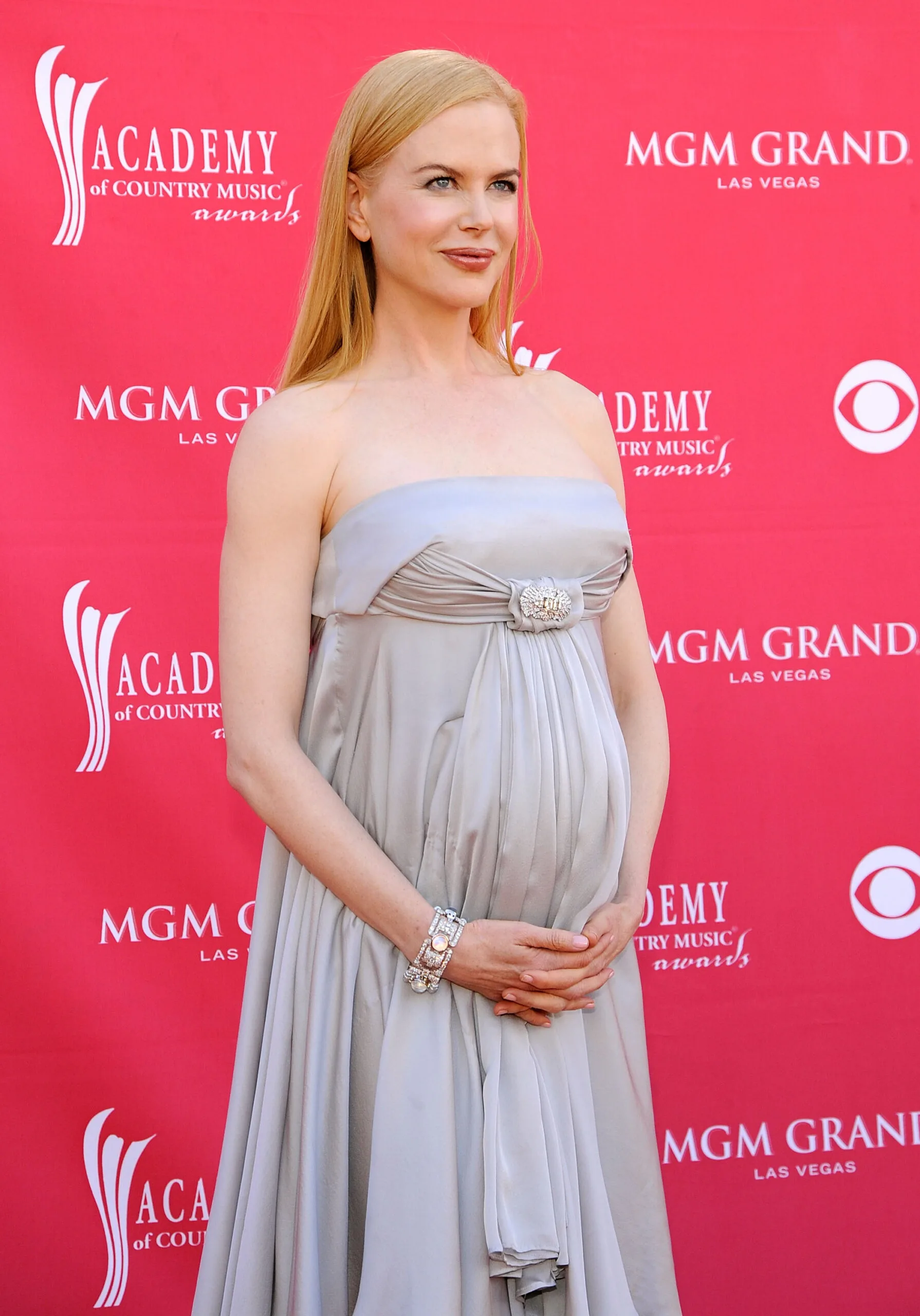
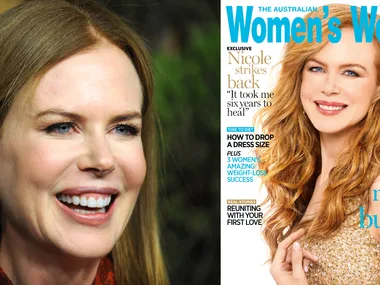
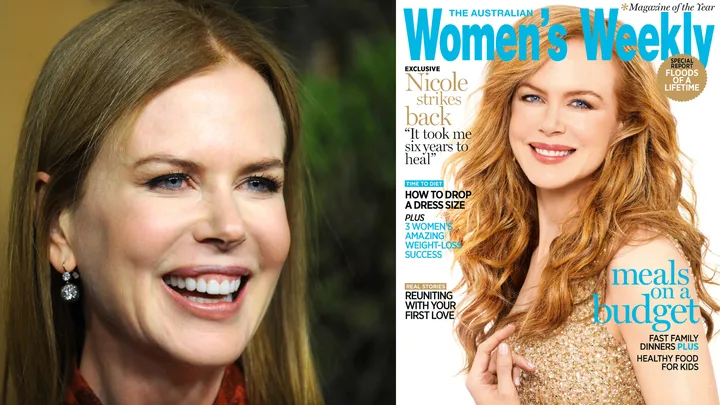
Hilary isn’t the only high-profile woman to share her pregnancy is what is considered “later in life”. Rachel Weisz welcomed her daughter with Daniel Craig in 2018 at 48; Susan Sarandon welcomed sons Jack and Miles in her 40s (46 and 48); Janet Jackson welcomed her first child, Eissa in 2017, at 50. At 41, Nicole Kidman gave birth to Sunday Rose in July 2008, her first child with then-husband Keith Urban. Their younger daughter Faith Margaret was born via gestational surrogate in 2010. At the time, Nicole spoke exclusively to The Weekly about her daughter’s birth.
“As you can imagine, we spent Christmas on tenterhooks,” Nicole wrote. “And after Faith Margaret was born on December 28, a healthy 8 lbs 9 oz, we spent New Year on cloud nine. We have been having a wonderful bonding experience with Faith Margaret. And it is really wonderful to know that our delight is being shared by you and your readers. We feel truly blessed.”
Nicole faced considerable public scrutiny for her family choices, but took the jabs with grace.
“I’m 43 now. I live my life knowing who I am and knowing that it will play out over however long it is that I have left to live. It’s my life. It’s my whole life, and I’ll lead it how I choose.”
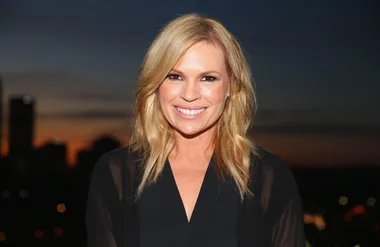
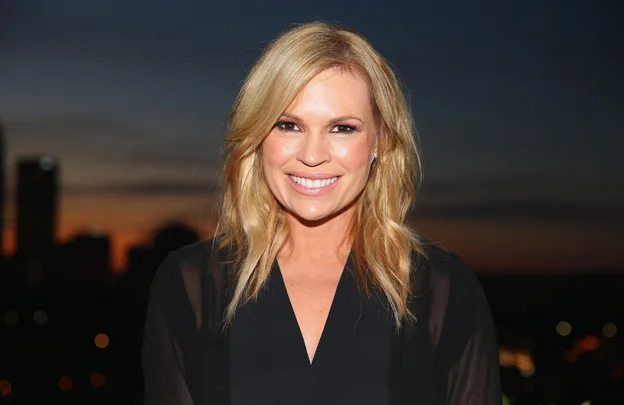
Television presenter Sonia Kruger welcomed daughter Maggie in January 2015 at 49 years old after undergoing IVF using a donor egg. She has spoken openly about the emotional challenges of trying to conceive later in life in an exclusive interview with The Weekly.
“I want to be really open with people about the fact it is an egg donor baby because we occasionally see in the media women over the age of 40 falling pregnant and having babies,” Sonia told The Weekly in an exclusive interview in August 2014.
After welcoming Maggie in January 2015, Sonia spoke to The Weekly again about the joys of motherhood and whether she would consider another child.
“It’s been such a joy for me. I’m just so happy.”
While advances in reproductive medicine have created more possibilities for women, they haven’t removed the biological challenges that can accompany trying to conceive later in life.
And perhaps that’s the conversation we should be having: not whether women are leaving motherhood too late, but how we can better support them to make informed choices about if, when and how they want to have children.

