



At a glance
- A new search is being carried out in the middle of the Pacific, in the tiny Nikumaroro Island to find Amelia Earhart’s missing plane.
- The pioneering aviator disappeared on June 1, 1937, alongside her navigator Fred Noonan, as she made a quest to be the first woman to fly around the world.
- As we await news of findings, we revisit this piece from the fourth issue of The Australian Women’s Weekly ICONS which recounts her extraordinary life and legacy.
On the morning of 17 June, 1928, a telegram was delivered to a fretful Amy Earhart. “Don’t worry stop,” it said. “No matter what happens it will have been worth the trying stop Love A.”
That same day, Amy’s daughter, Amelia, would make history, becoming the first woman to fly across the Atlantic, albeit as a passenger. And it was just one of many triumphs the groundbreaking aviator would rack up in her illustrious and sadly cut-short career.
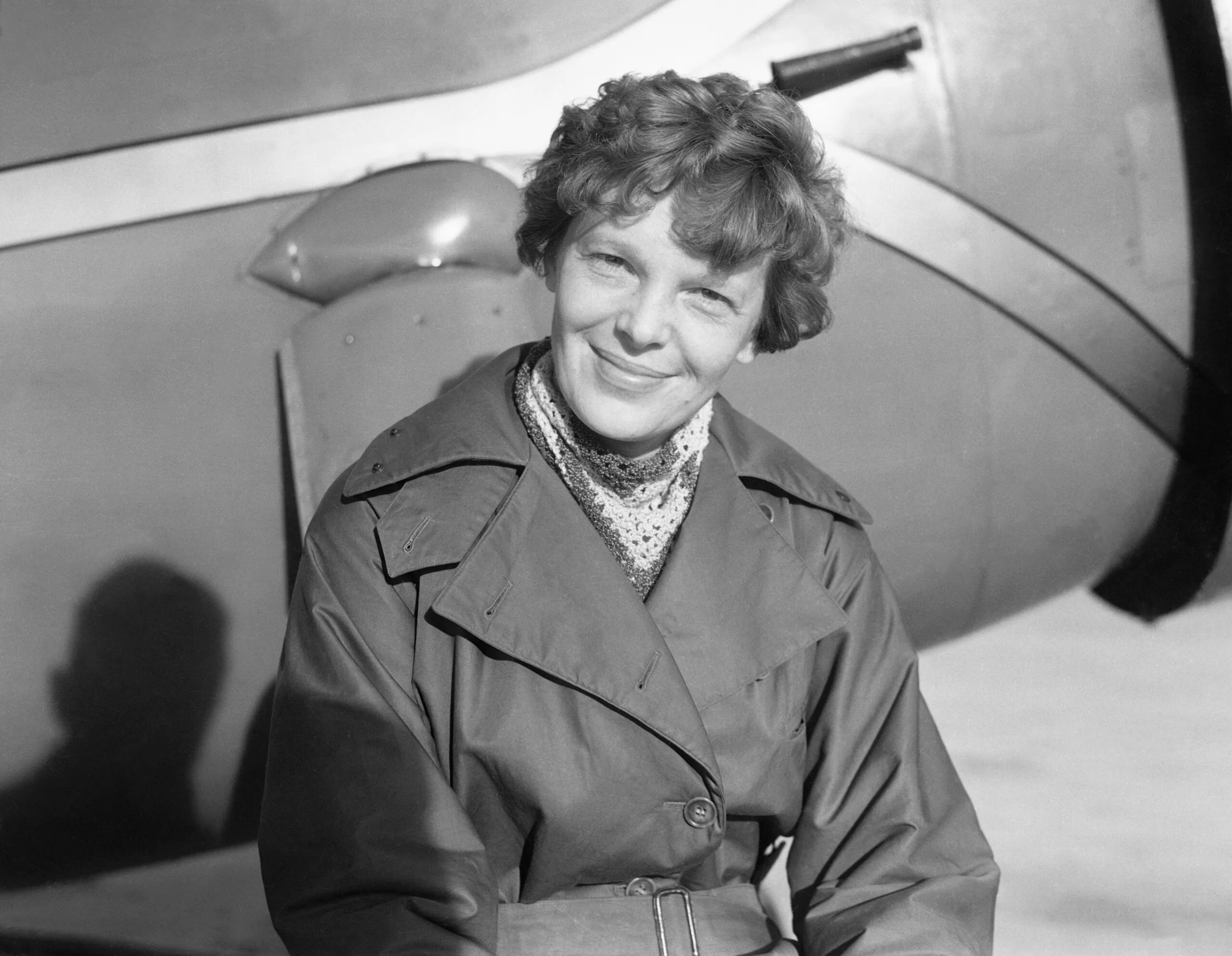
Born in Atchison, Kansas in 1897, Amelia was the eldest child of Samuel “Edwin” Earhart and his wife Amy. Their marriage would prove turbulent and end when Amelia was still a teenager, after Edwin failed to win a battle with the bottle.
Nicknamed “Meeley”, alongside her younger sister Grace (otherwise known as “Pidge”), Amelia lived an unconventional life from the start. Amy held firm that her girls should be able to run as freely as boys, popular opinion be damned.
Amelia developed her life-long and unshakeable belief that women are every bit as capable as men. Certainly, she had the grit and determination to prove it. As a child she climbed trees, hunted rats with a rifle and kept a scrapbook of newspaper clippings about successful women in male-dominated fields.
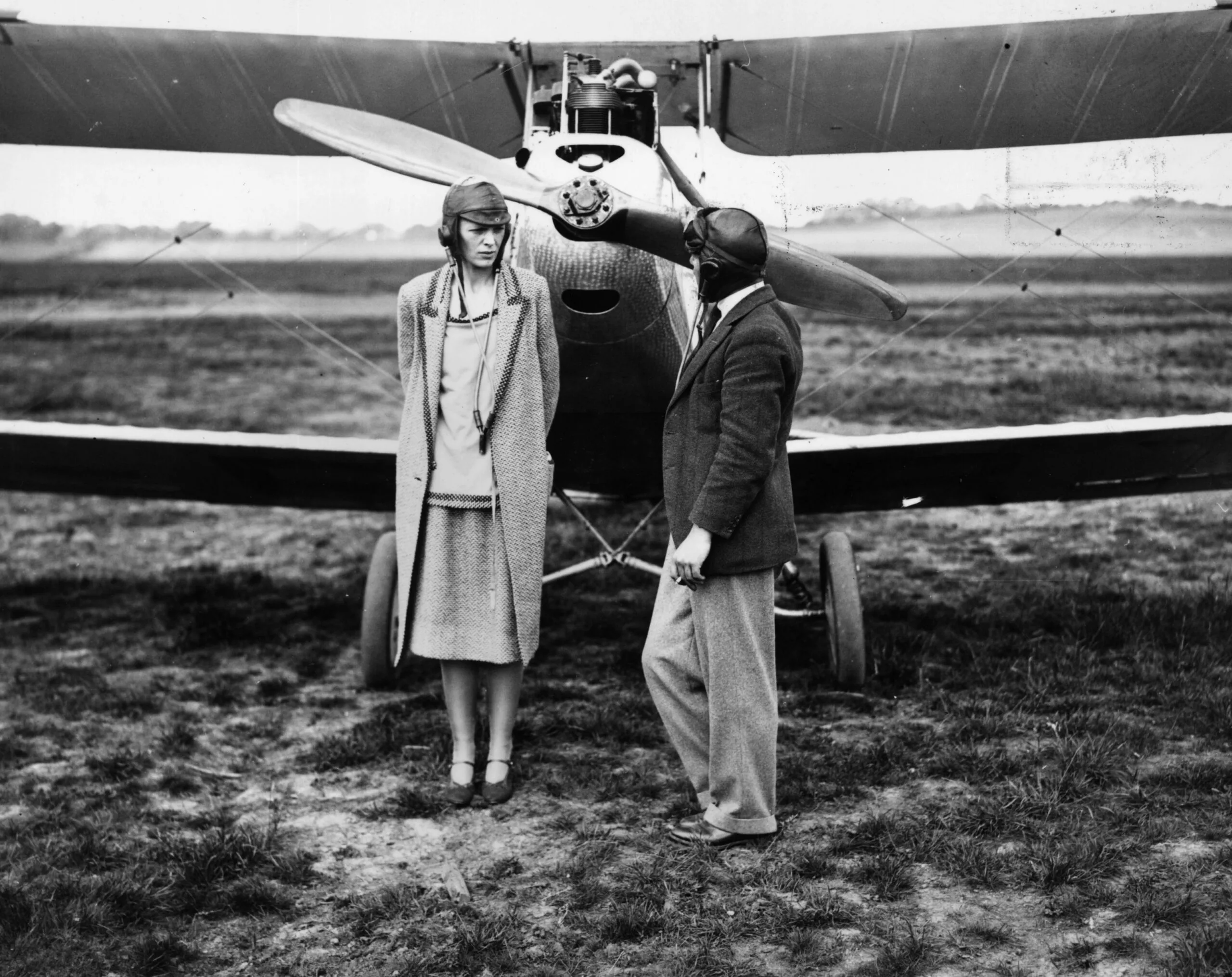
In 1908 she clapped eyes on a plane for the first time at the Iowa State Fair. But it failed to impress.
“It was a thing of rusty wire and wood, and looked not at all interesting,” she would later state. Almost nother decade would pass before her opinion was changed.
An excellent student, Amelia excelled in science. But she would have trouble making friends during her high school years.
“A.E – the girl in brown who walks alone,” her Yearbook entry read. With World War I raging, however, she left school to serve as a nurse in a hospital in Toronto, Canada, afterwards training as a social worker. It was during this time that her passion for aviation was awakened.
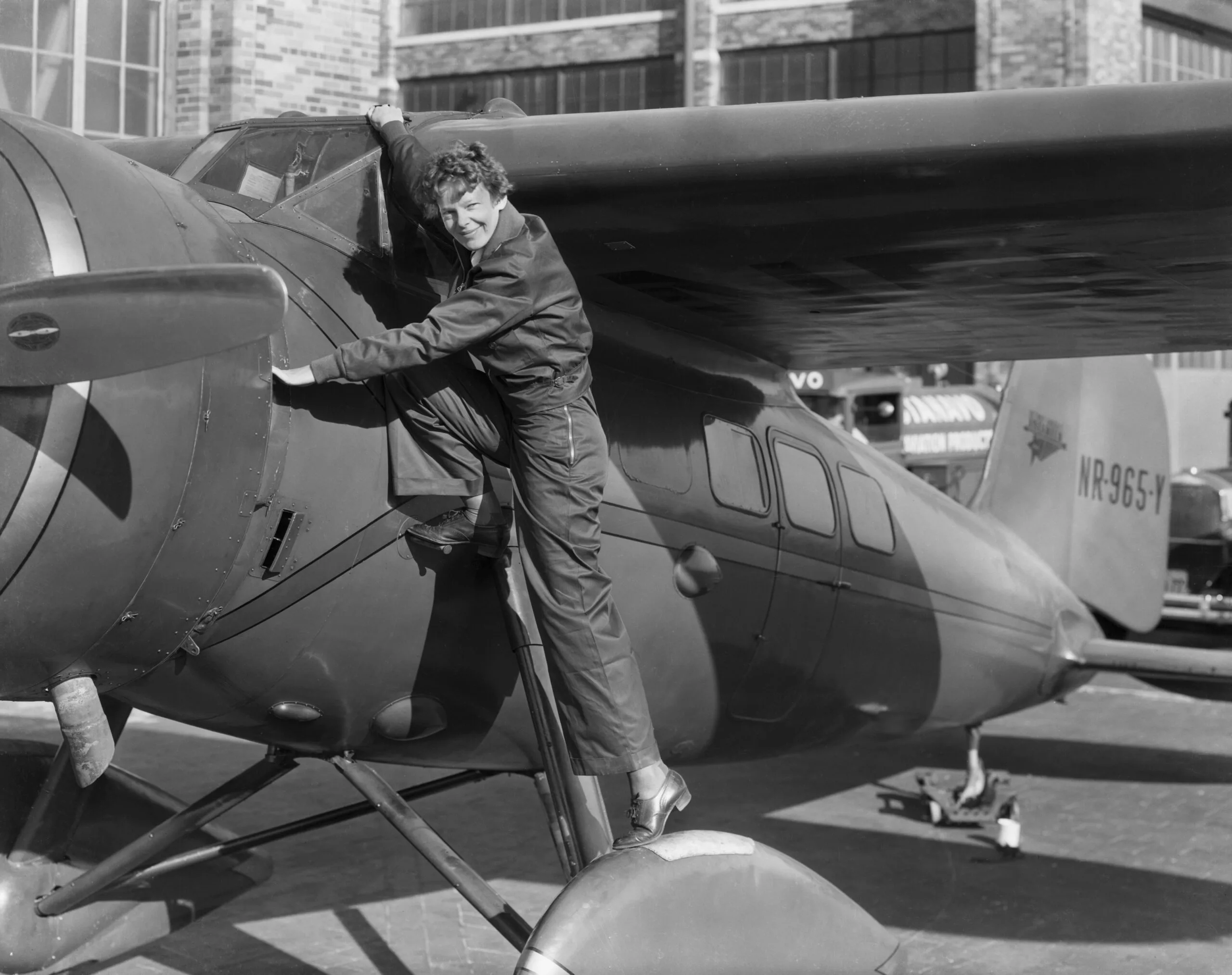


Attending a flying expo with a friend, Amelia had an unusual response when a stunt pilot dived playfully at the duo – she stood her ground.
“I am sure he said to himself, ‘Watch me make them scamper,’” she would later laugh of the moment. “I did not understand it at the time, but I believe that little red airplane said something to me as it swished by.”
When Amelia attended another air show with her father a year later in the US, the message from that little red airplane became clear as she climbed on board to take her very first ride alongside pilot Frank Hawks (for the then-princely sum of $10).
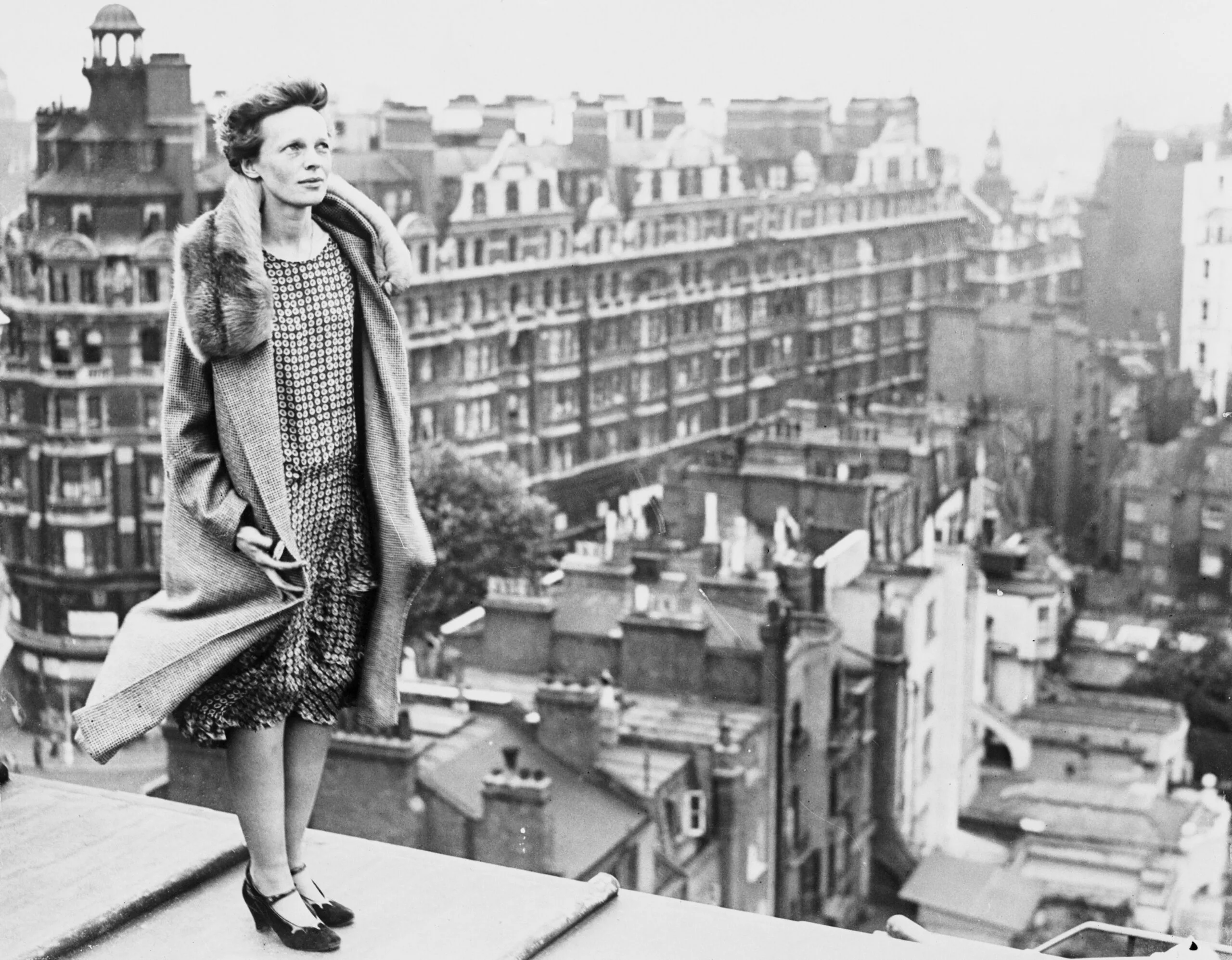
“By the time I had got two or three hundred feet off the ground, I knew I had to fly,” she said.
And once again Amelia drew on her characteristic grit and determination to make it happen.
Working a variety of jobs, she scrimped and saved to take her first flying lesson on January 3, 1921. And in six months she’d managed to save enough money to buy her first aircraft – a bright yellow biplane nicknamed “The Canary”.
Swiftly passing her flying licence tests, Amelia soon set her sights on breaking records even as she took employment as a teacher, among other things. Then one phone call changed her life. A small group had been trying to set a record for the first woman to fly across the Atlantic as part of a team. Amelia didn’t need to be asked twice.
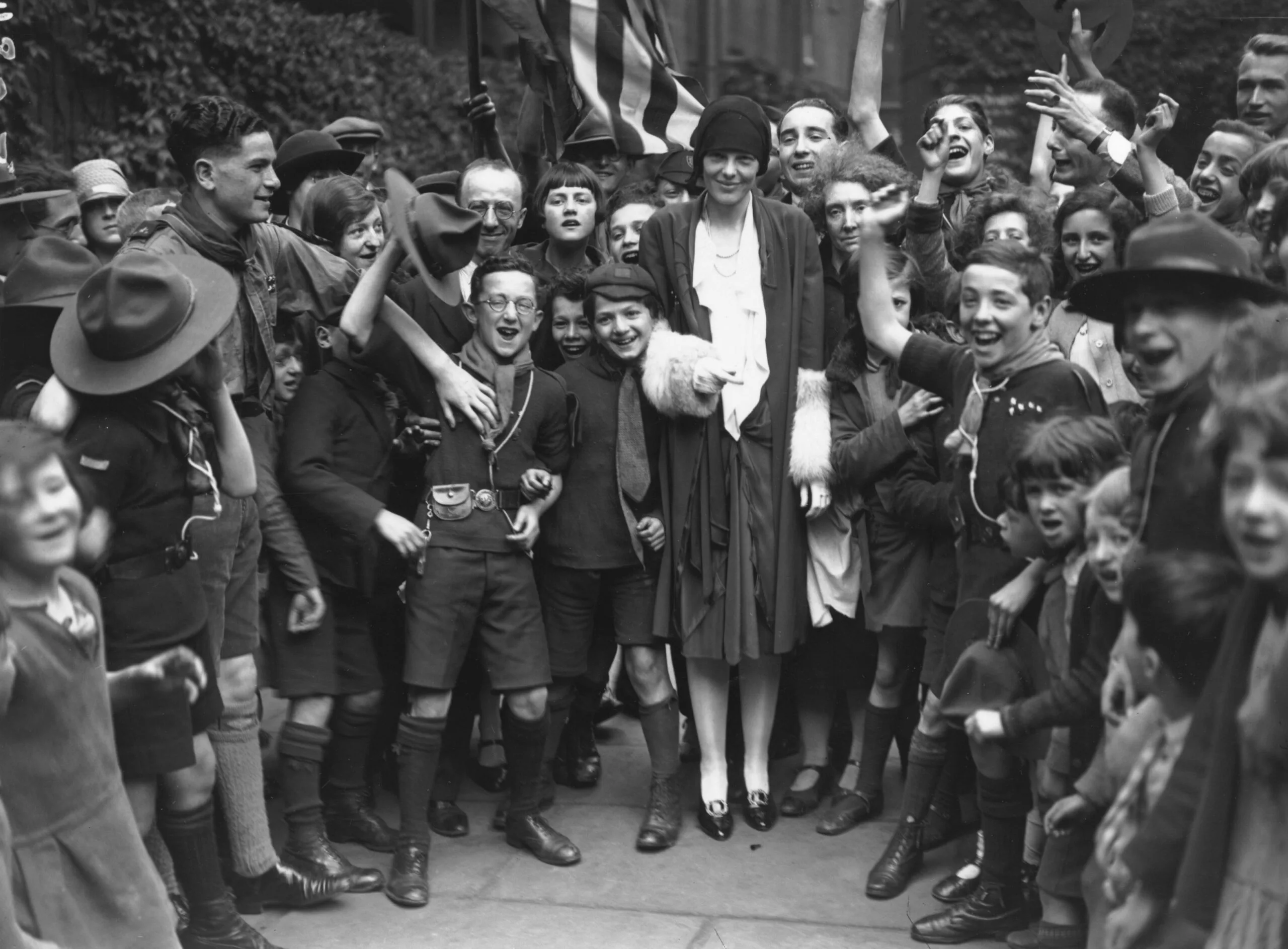
In June 1928, Amelia made headlines when she and pilot Wilmer “Bill” Stultz and co-pilot/mechanic Louis “Slim” Gordon took a Fokker F.VII named Friendship across the vast ocean in 20 hours and 40 minutes. They were welcomed back to America with a huge ticker-tape parade and White House reception.
Amelia became a celebrity overnight, earning the nickname of “Lady Lindy” – due to her resemblance to aviator Charles Lindbergh, who had crossed the Atlantic solo in 1927 and whom she greatly admired. She wrote a book, endorsed products from cigarettes to clothing to luxury luggage, and took on a role as an associate editor at Cosmopolitan magazine – with all of these funds going towards financing her exploits.
Three years after that record-breaking flight, Amelia married George Putnam, the book publisher who’d help coordinate the big Atlantic project. But independent as ever, Amelia referred to the marriage as “a partnership with dual control”.
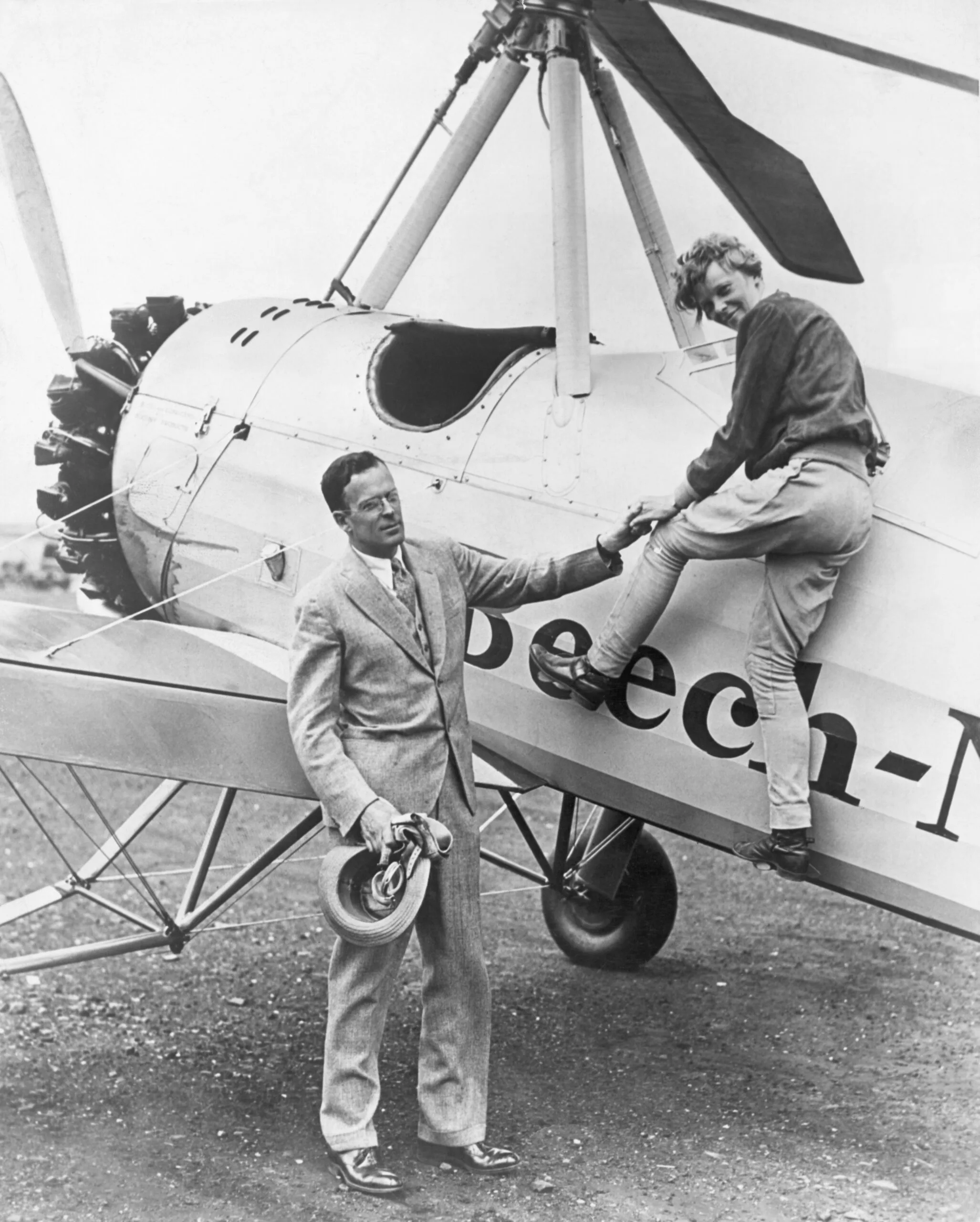
Secretly the pair worked on plans for Amelia to be the first woman to make the Atlantic crossing by herself.
She set off on 29 May, 1932. And despite strong north winds, icy conditions and mechanical problems, successfully landed in Culmore, Ireland – with the media again going wild. Amelia was awarded the Distinguished Flying Cross. It was the first given to a woman, and finally felt she had proved that all genders were equal.
Amelia continued to break records. She was the first aviator to fly solo from Hawaii to the mainland (Oakland, California) and the first to do a non-stop flight from Mexico City to Newark in New Jersey, along with capturing a number of other women’s speed and distance aviation records. But as she approached her 40th birthday, Amelia wanted one final victory. She wanted to be the first woman to fly around the world.
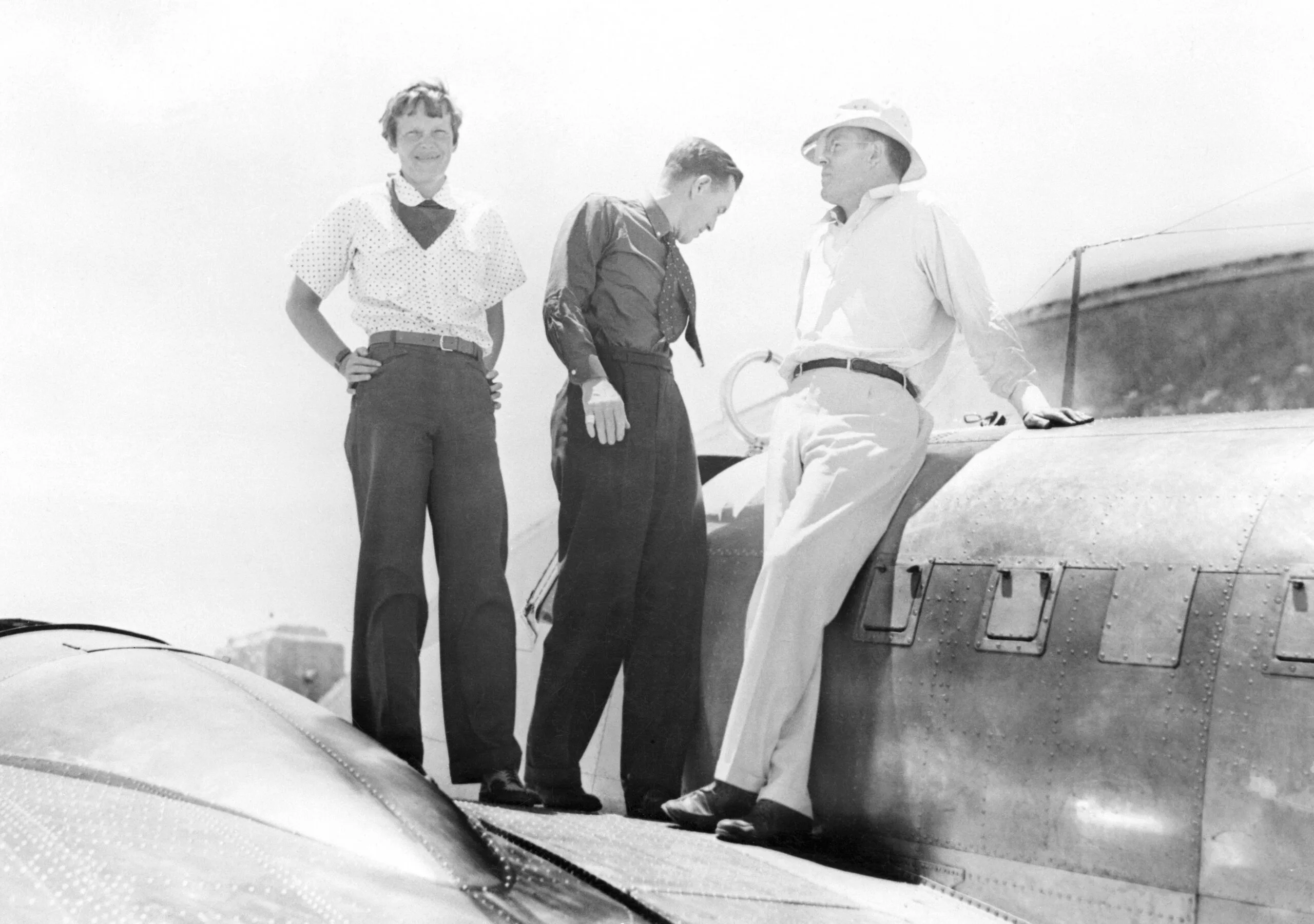
“I have a feeling that there is just one more good flight left in my system,” she said.
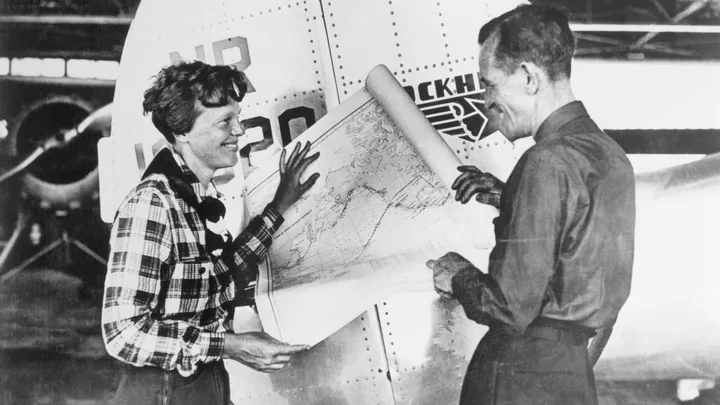
On June 1, 1937, Amelia and navigator Fred Noonan left Miami, Florida and began the 47,000km journey. By June 29 they were in New Guinea, with just 11,000km left on their trip.
Their next 4,113km hop was the most challenging yet. They were heading for Howland Island, a tiny strip of land in the mid-Pacific. The pair took off. But despite ideal weather reports soon flew into overcast skies and rain showers that made navigation extremely challenging.
At 7:42am the US Coast Guard cutter Itasca picked up a radio message. “We must [be] on you but cannot see U but gas is running low.”
At 8:45 Amelia reported something along the lines of, “We are running north and south.” Nothing further was heard.
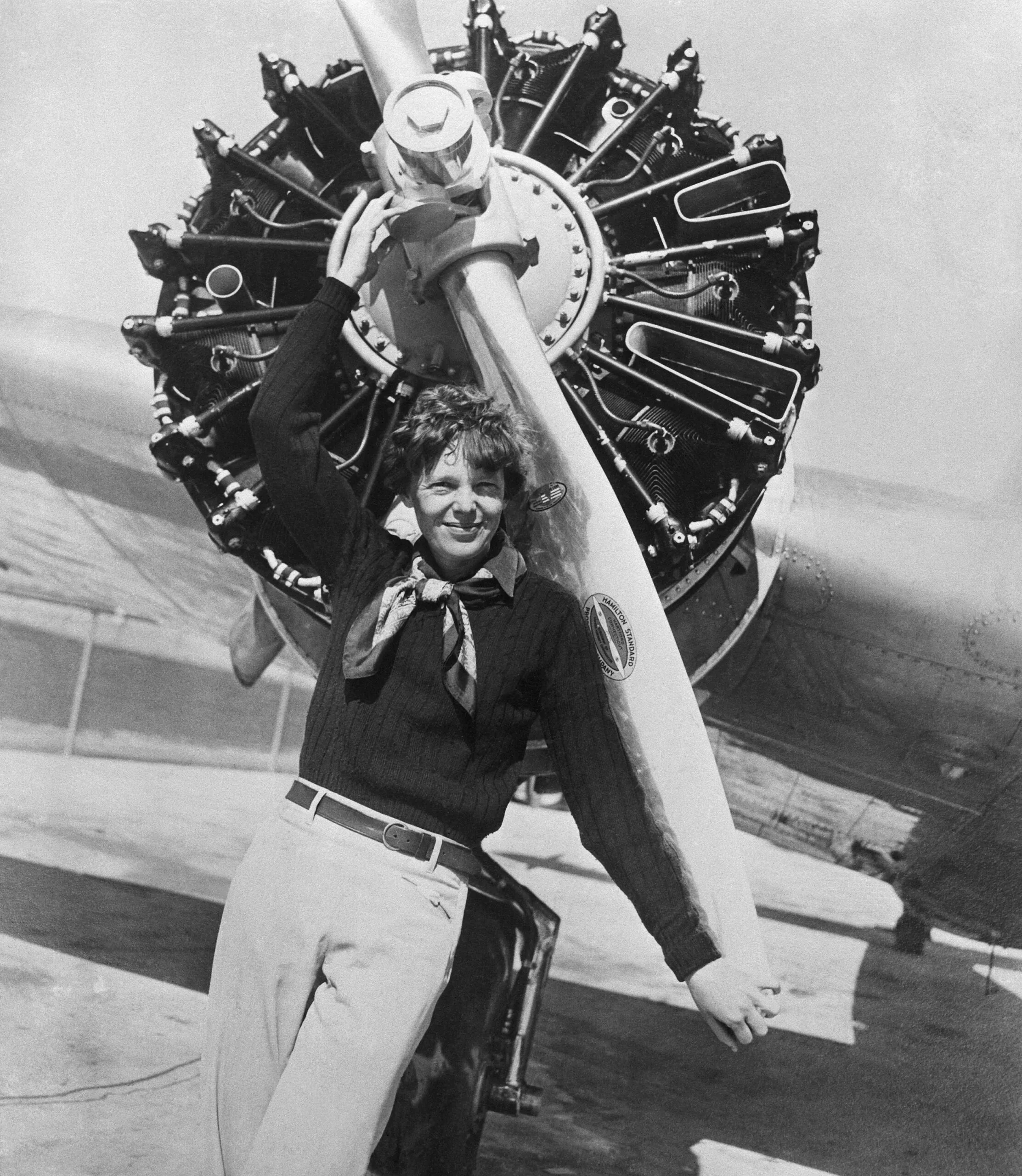
The most intensive air-and-sea search in naval history was quickly launched. But after 17 days and US$4 million scouring 388,000km2 of ocean, the US government reluctantly called a halt to operations. Amelia’s husband George financed additional searches, but in 1939 Amelia and Fred were officially declared dead.
In a letter to her husband, written in case of disaster, her brave spirit shone. “Please know I am quite aware of the hazards,” said Amelia.
“I want to do it because I want to do it. Women must try to do things as men have failed. When they fail, their failure must be but a challenge to others.”
This story appeared in the 15th issue of The Australian Women’s Weekly ICONS. Buy back copies HERE.