At a glance
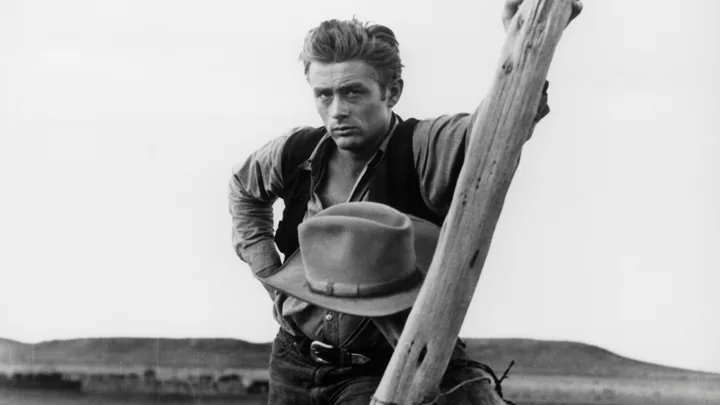
- James Dean would die in a car crash before his final film, Giant, was released in 1956.
- The actor clashed on set with both his director, George Stevens and his co-star Rock Hudson.
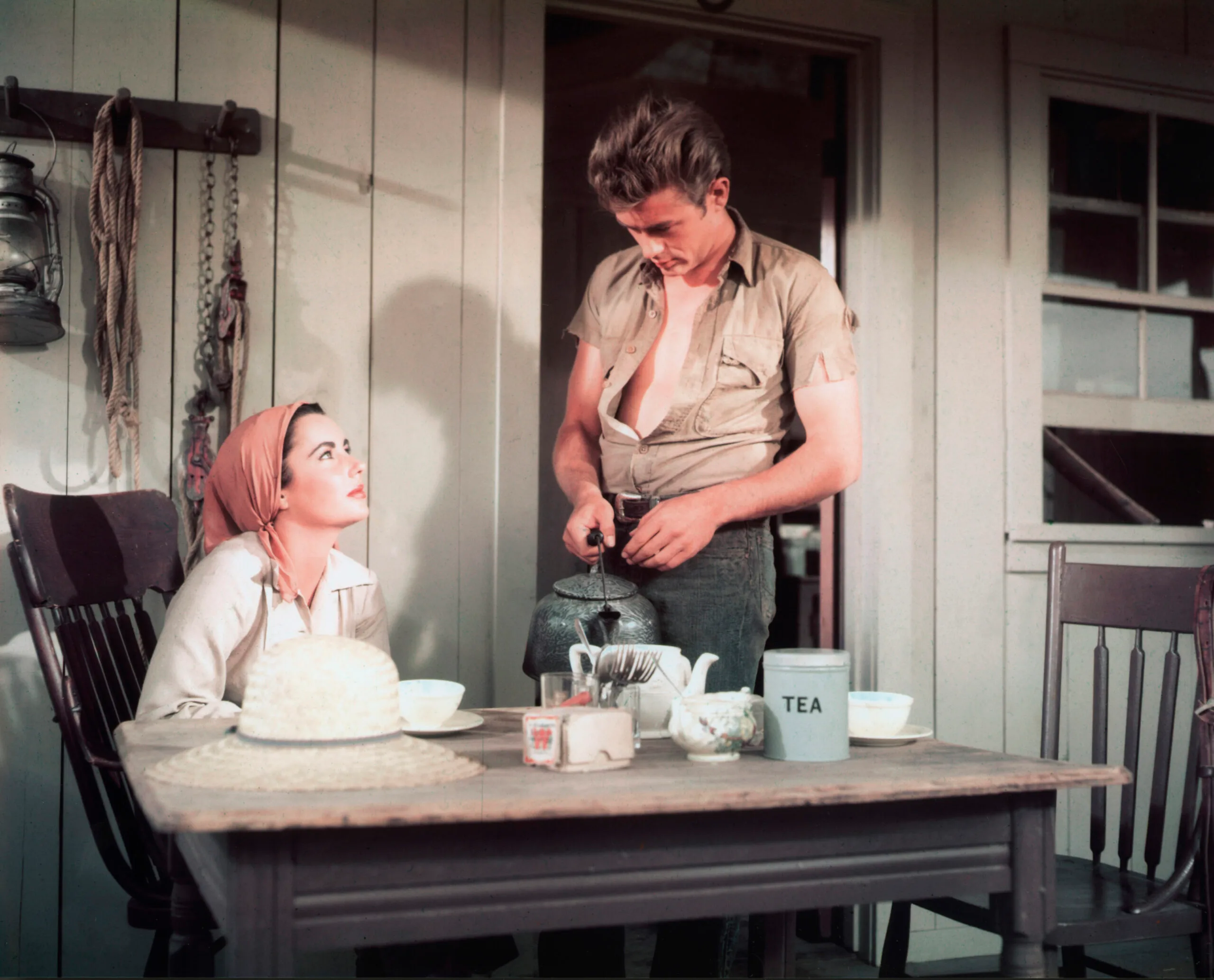
- However James would form a fast friendship with his female lead, Elizabeth Taylor, who attempted to mediate on set.
- Despite the turmoil on set, the movie was a hit with both audiences and critics.
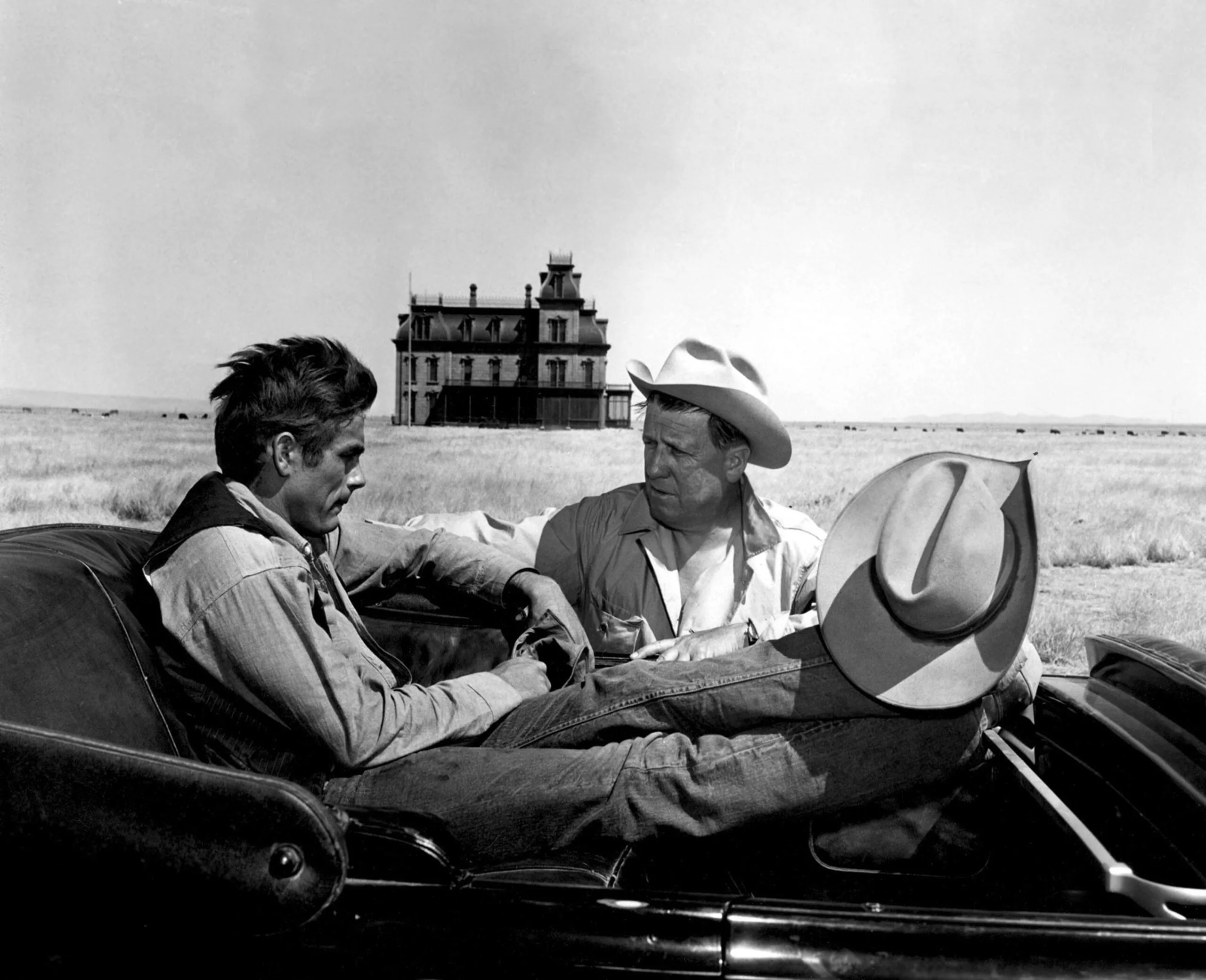
It was that time again – restless James Dean was packing up and moving house for the umpteenth time, all while dealing with the rigours of shooting a high-stakes major motion picture. Finding decent places to rent was stressful, even for on-the-up movie stars. But the man he mockingly called “Fatso” – director George Stevens – just didn’t get that. And it was a Saturday, for crying out loud. To hell with it.
The chiselled charmer skipped the Saturday set call for 1956’s Giant and headed to pick up the keys to an ‘A’-framed cottage in Sherman Oaks, rented off his favourite maître d’. George, of course, went ballistic and, when James showed up for his next scheduled day of shooting the following week, vented his apoplectic rage.
It didn’t help that Mercedes McCambridge fronted on time, even after getting stitches in hospital the night before. George let James have it in front of the assembled cast and crew, accusing him of going on strike and holding up his picture, and then left him in the lurch as a taste of his own medicine: An assistant director was delegated to take over steering James’s scenes after George stormed off.
“I see myself capable of arrogance and brutality,” the director reflected. “That’s a fierce thing, to discover within yourself that which you despise the most in others.”
When James met George
James Dean, 24, was on the cusp of greatness when the cast of Giant convened in Virginia in late May 1955, before moving to the Warner Bros back lot.
And what a troupe of players it was: Elizabeth Taylor, Rock Hudson, Rod Taylor, Dennis Hopper and Mercedes McCambridge the big names of the ensemble.
James wasn’t overawed to be rubbing shoulders with such luminaries – after hours, he and Liz were thick as thieves, and his Actors Studio pal Carroll Baker was a co-star – but this was a step up. Rebel Without a Cause (1955) was already in the can and he had gained outrageously glowing notices for East of Eden (1955).
“I can’t remember when any screen newcomer generated as much excitement in Hollywood as did James Dean in his first picture, East of Eden,” gossip columnist Hedda Hopper gushed.
As for George Stevens, 50, this was the conclusion of his “American trilogy” of flicks, which had gained traction with A Place in the Sun (1951) and peaked with the mysterious, affecting Shane (1953). Hailing from a storied showbiz family, George had been making hit films for decades, interrupted only by service in World War II.
Across various locations, the stage was set for a cinematic masterpiece, the coming together of the cream of Hollywood’s talents – and a true clash of the titans.
A heated set
A couple of years earlier George had formed Giant Productions, acquired the rights to Edna Ferber’s titular novel, embarked on a screenplay treatment, and begun nutting out casting the leads.
“It’s like trying to be a traffic cop and write a poem at the same time. You need an executive head to handle all the vast paraphernalia of moviemaking,” he said. “You need another, more sensitive head to get the delicate human emotional values you are trying to put on film.”
In his book Giant: Elizabeth Taylor, Rock Hudson, James Dean, Edna Ferber and the Making of a Legendary American Film, Don Graham reveals that George – and James – came to embody the iconic western locationsand mythmaking of the frontier.
“He wanted to be as far away from studio control as possible,” Don wrote. “Marfa, Texas, was about that far. It was a long way from Hollywood … he went out to win Texans over because he felt he had to do that, considering it was a Texas film … He could have filmed it in Hollywood, but Hollywood would never look like Texas.”
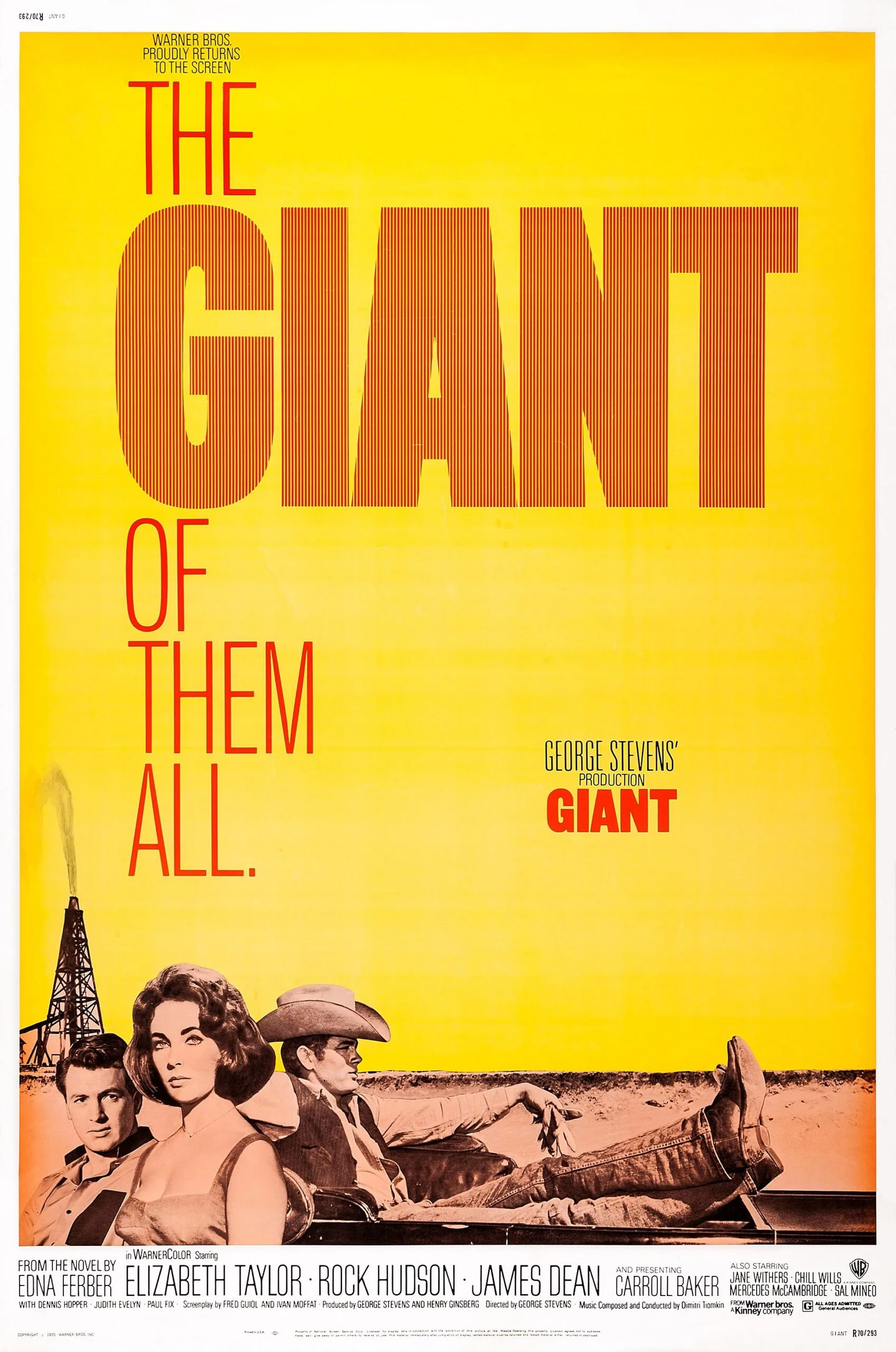
In the end the love letter to the American west was a 72-day journey that took the rather unhappy band around Virginia, Texas, California and Arizona. The scenery was a major player up there on the big screen, complementing the exquisite, genius casting of Rod, Liz, Rock and, crucially, James himself as Jett Rink.
But places like Marfa were hot, up to 49°C, isolated, prone to sweeping dust storms, and it was almost impossible to get away. From the heat, from each other, from the blazing arguments.
The great divide
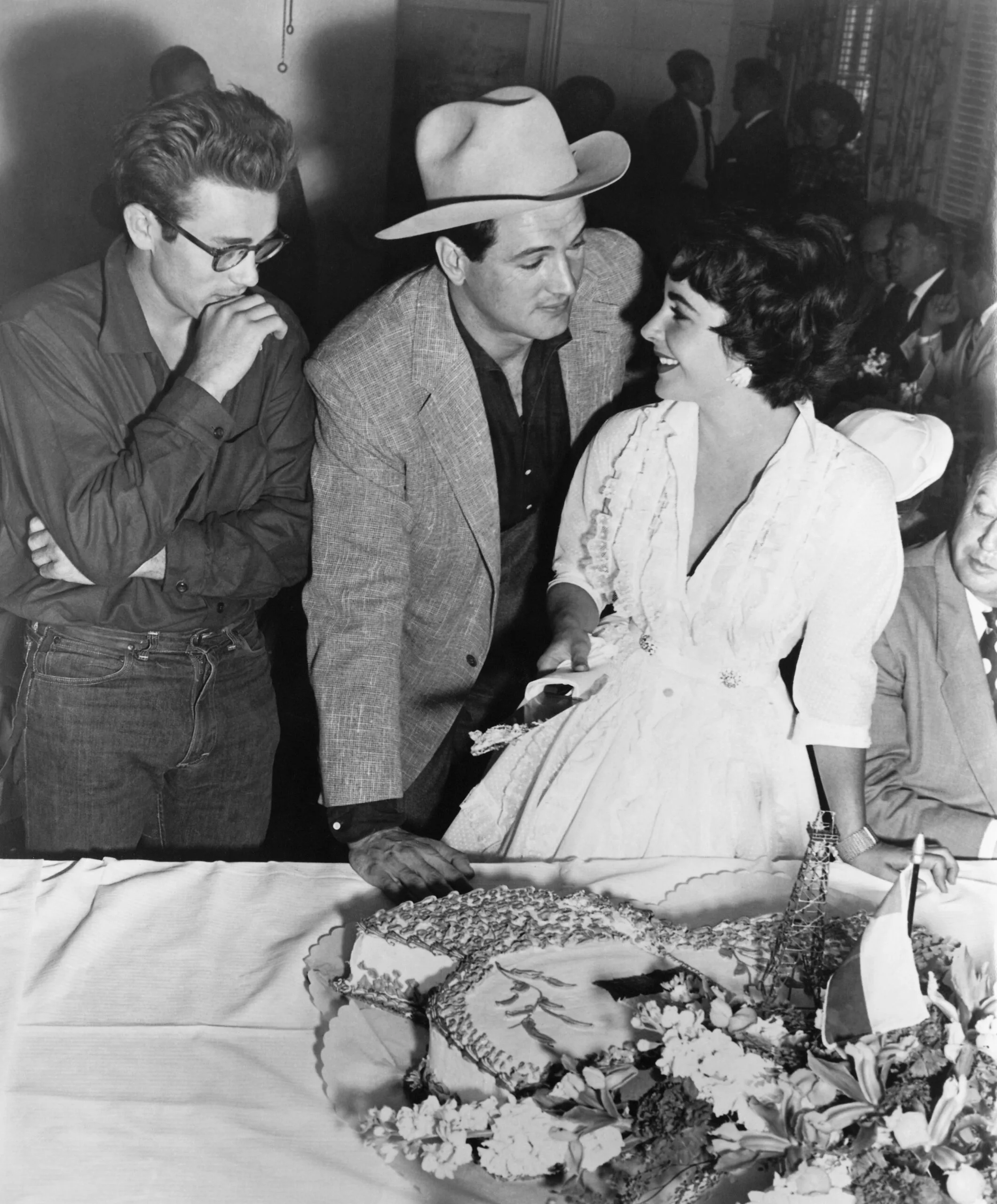
It wasn’t just James and George who butted heads.
“Rock Hudson absolutely hated James Dean and vice versa,” author Don claimed.
“They fought all the way through the film. Elizabeth Taylor had to mediate between the two. She became very good lifelong friends with Rock. And she was very good friends with James Dean as well. In a way, the two of them were competing for her affections, just as in the film.”
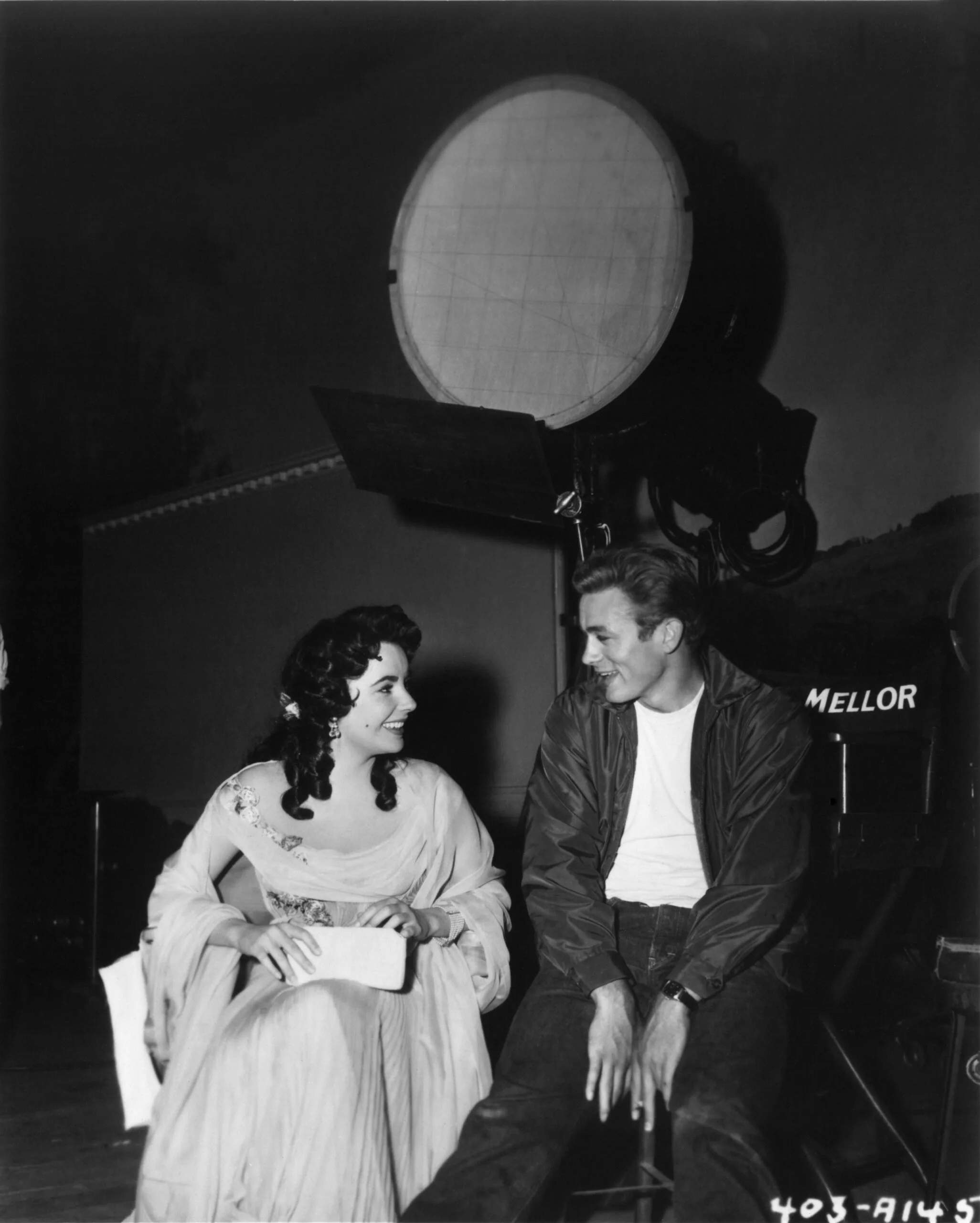
For the director, the problem with his young star was largely twofold: His seemingly incurable lateness, and the insistence on method acting; annoyingly bad habits, in George’s mind. His technical precision was an immovable object colliding head-on with James’s improvised “emotional truth”; George couldn’t bear all the head-bobbing and hopping from foot to foot while delivering dialogue.
James would deliberately ruin scenes by urinating or yelling, “Cut!”
“Both Rock and Elizabeth hated James’s methods or antics really,” Don wrote. “He wouldn’t really hit the mark where he was supposed to be … (James) would mumble or do tricks with this little rope that he would carry, or pull his hat down. He was always busy doing something to capture the reality of his character.
“But these two were more formally trained to stand, read their lines, hit the mark and take direction. James just blew that all off. And that made them really mad. And George really had trouble with James … He would argue with him and James would be late.”’
Flashes of brilliance
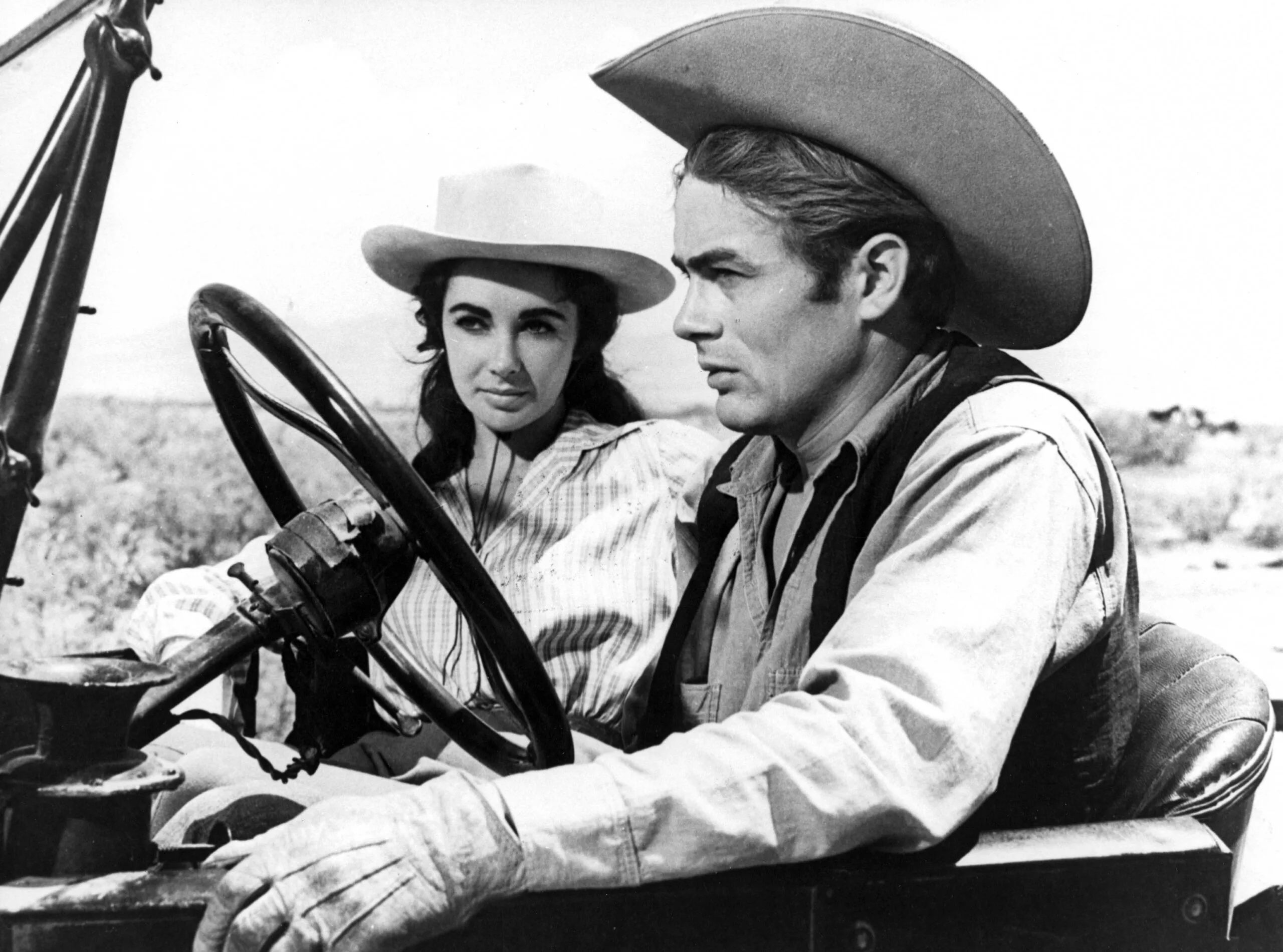
The upside was that differences of opinion could spark pure flashes of brilliance, as stuntman/Texas dialogue coach Bob Hinkle recalled.
“I was there when George shot that scene where Jimmy paces off the property that [Jett] inherited. We were shooting on a ranch in Marfa, Texas, on location. There were just four of us there that day, including the cameraman. It was like a second unit.
“George told Jimmy: ‘I just want you to walk right straight for that fence post’, indicating that Jimmy should measure the land with his boot steps. He said okay, and George told the cameraman to roll it. Jimmy hardly got a few feet when George yelled, ‘Cut’. We all kind of stood there for a minute. Nobody said anything.
“Then, George took a page from the back of the script and started tearing it up into little pieces. Without saying a word, he threw a little piece of paper down and put a rock on it. Then he went about three metres and did the same thing. ‘What the hell is he doing?’ Jimmy asked me. I said, ‘I don’t have any idea.’
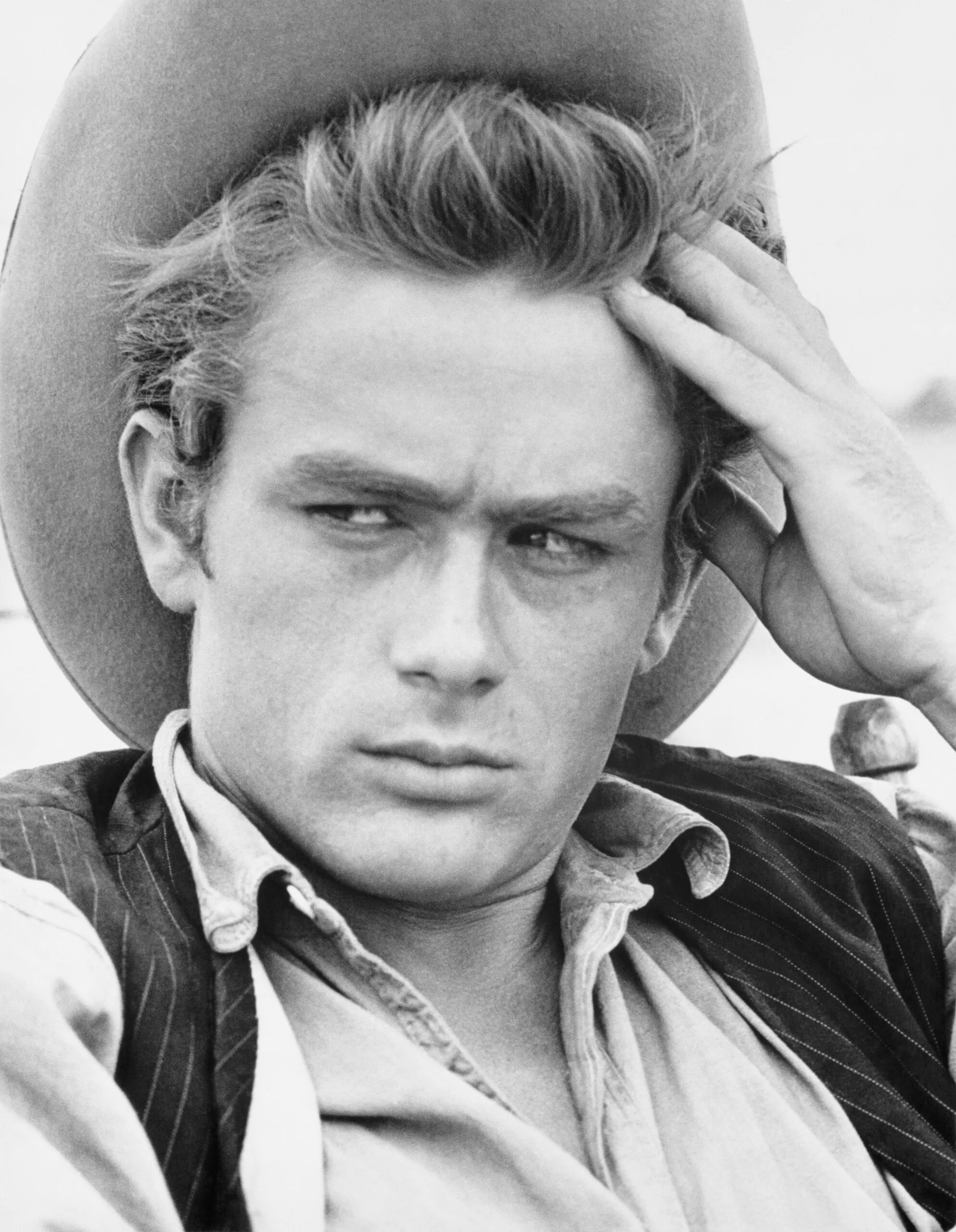
“George made this trail out to the fence post, then walked back, and said to Jimmy, ‘Do you think you could follow that line?’ He replied, ‘Yeah, I think I can.’ The camera started to roll. Jimmy walked over to the first rock, picked it up and tossed it away. George yelled cut but Jimmy ignored him: He kept walking, picking up every one of those pieces of paper. Then he came back and dropped them right in the director’s lap.
“Jimmy stared at Stevens and said, ‘Look, if I need marks, I’ll put down my own marks. All you need to do is to tell me what you want me to do, like a director is supposed to. Then I’ll do it. Otherwise, I’m going to get my ass on a plane and go back to California.’
“George reacted real calm. He said, ‘Well, okay, let’s just shoot it.’ The camera began rolling again. But this time Jimmy Dean was pissed off. He reared back and began strutting over to this windmill instead of heading toward the fence. I realised Dean was improvising, but the director wasn’t angry. He told the cameraman, ‘Stay on him, Bill. Stay with him.’
“George Stevens was excited by Jimmy’s reaction, even though none of this was in the script. He climbed up on the windmill, crossed his legs, and sat up there. All the time, George kept telling the cameraman, ‘Hold on to him. Keep on him. You got him, haven’t you? That’s perfect, perfect. Oh, man.’”
An elaborate set-up by a director trying to wring magic from his charge? Undoubtedly.
Triumph to disaster
In the wash-up, the grief had all been well worth it. Giant was the box-office success and compelling celluloid vision that made reputations, and a high earner for Warner Bros. However, it would forever be tainted by the tragedy of a high-speed disaster. James’s scenes were done and he had only to re-record some lines of mumbled dialogue on the sound stage, but fate intervened in the form of twisted, crumpled metal, a convertible’s spinning wheels, smoke and a life cut drastically short.
“He died on a Friday and then on Saturday, they kept shooting,” Don Graham wrote. “But Elizabeth Taylor was distraught. She eventually got sick and was hospitalised. It cost them more days. She took it the hardest out of everybody … Rock Hudson broke down in tears … But Elizabeth Taylor was the most devastated of all.”
When she asked George if he could believe such a tragic accident could occur, his response was reportedly, “Yes, I can. He had it coming”.
The vaunted director would double his Academy Award tally with Giant, and go on to make The Diary of Anne Frank (1959) and The Greatest Story Ever Told (1965). He died in 1975, aged 70.
Don wrote, “George said at one point that he would never work with James Dean again. It turned out to be true.”
This story appeared in the 15th issue of The Australian Women’s Weekly ICONS. Buy back copies HERE.