




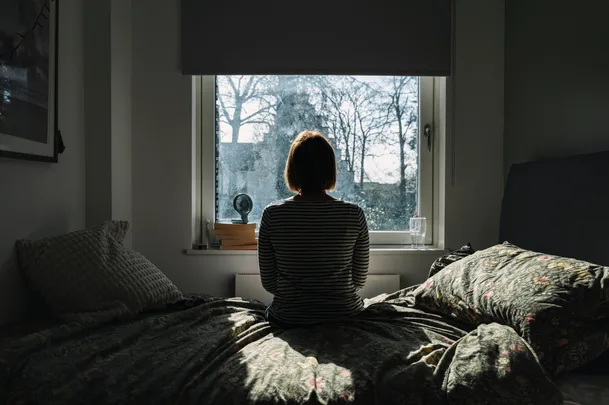
Australian researchers have identified a new subtype of depression linked to disruptions in the body’s internal clock, known as the circadian rhythm.
Called “circadian depression”, it was found in nearly a quarter of study participants, who mostly had severe, recurrent or persistent depression. The University of Sydney researchers believe recognising it earlier could help people access treatments better suited to them.
What did the study find?
Published in The British Journal of Psychiatry, the study analysed clinical and genetic data from 11,380 Australians. Of these, 2,604 participants had circadian depression.
People in this group were more likely to have developed depression earlier in life and reported more severe mental health symptoms, including mania and higher levels of suicidal thoughts.



The researchers also found differences in the group’s genetic profile, including a higher genetic risk for ADHD as well as inflammatory and cardiovascular health problems.
“Depression is not a uniform illness and understanding the characteristics of different subtypes mean that we can give people earlier access to treatments that will be most effective for them,” first author Dr Emiliana Tonini, from the University of Sydney’s Brain and Mind Centre, said.
What is circadian depression?
Our circadian rhythm is the body’s internal 24-hour clock, which helps regulate when we feel sleepy and awake. But it also influences our hormones, metabolism and immune system.

For this study, participants were classified as having circadian depression if they had at least three of six features:
- A seasonal pattern to their illness
- Sleeping at later hours
- Sleeping more when depressed
- Being a night owl
- Feeling very tired when waking
- “Social jetlag” – a difference between sleep times on workdays and days off.
Could it change how depression is treated?
The findings suggest commonly prescribed antidepressants may be less effective for people with circadian depression.
Co-senior author Dr Jacob Crouse from the Brain and Mind Centre said: “Because circadian depression is linked to people’s internal body clock, treatments targeting the circadian rhythm, such as light therapy and melatonin, may be much more relevant, and clinicians should reach for these much earlier in people with this presentation.”
Professor Ian Hickie, co-director of the Brain and Mind Centre and a clinical psychiatrist, said recognising circadian depression earlier could help young people avoid unsuccessful treatments and side effects.



“We really want young people to receive the most appropriate treatment early in their course of illness.
“Most young people will be offered SSRIs first up, but for at least a quarter there are better circadian-focused medical and behavioural options to help treat and manage their condition.”

