




At a glance…
- For Susan Sarandon, 2020 was a year of finding joy in simple pleasures and learning to say goodbye.
- From the loss of her mother to the birth of a new grandchild, she looks back with Samantha Trenoweth in the March 2021 issue of The Weekly.
- Read on for that exclusive feature.
The sun dips behind the Manhattan skyline outside Susan Sarandon’s window. It’s a crisp winter evening in the last days of 2020, a year that has swept through her life bringing gusts of challenge and change.
There was lockdown in New York and the death of her much-loved Maltese-Pomeranian, Penny – “curious and bright … ambassador of love, friend of 17 years,” she wrote. “You leave a hole in my heart. Travel on, sweet girl, surrounded by our love”.
Also last year, Susan sold the enormous Manhattan loft in which she and her long-time partner Tim Robbins raised their three children and where she lived for almost 30 years. Then Susan’s mother, Lenora, passed away. She died peacefully in August, at the impressive age of 97, surrounded by family and friends in Susan’s sister Meredith’s home in Easthampton, Massachusetts.
Susan’s relationship with her mother was grounded in love, but it had been through ups and downs, perhaps because the pair were entirely contrary in some respects (most famously their politics) but disconcertingly similar in others.
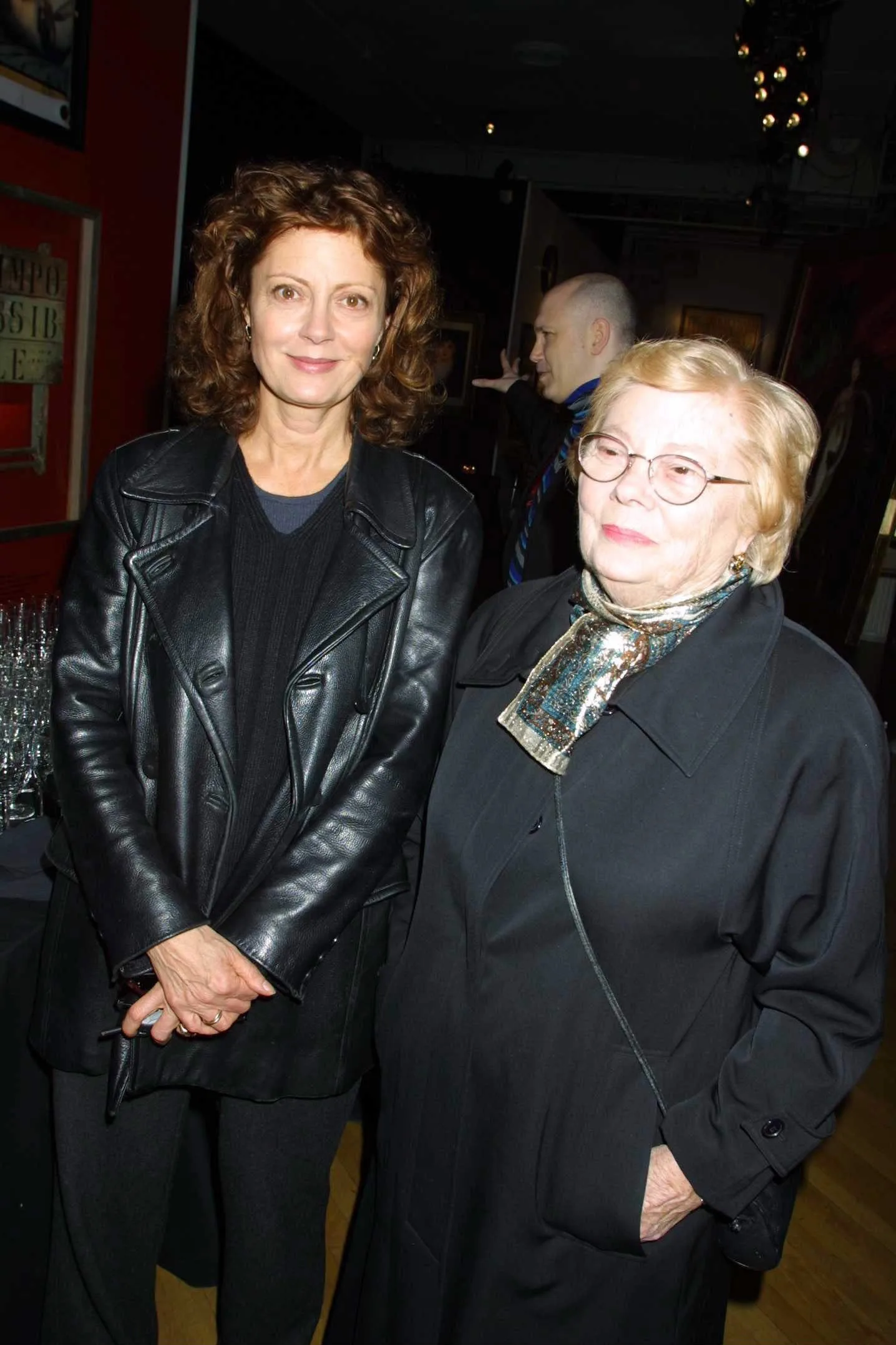
“I think she was very opinionated,” says her outspoken actress-activist daughter now. “She was smart, but she grew up in a very unusual bubble.” Abandoned by her teenage mother, Lenora was raised in a convent by nuns. “She had a very isolating, cold childhood, with no mother.” Susan pauses for a moment, then carries on, reflecting a little on Lenora’s life, and the ways in which it’s influenced her own.
“She married a man who she didn’t know very well. She met him on a train,” she explains. “He was a band singer… They married, and she ended up with all these children. She had nine children, but she lost three others, so it could have been even more. She was pregnant all the time, and she did the best she could, but I think she was exhausted, as you can imagine. Like many women of that era and that upbringing, especially before birth control, she felt that a lot of her life had happened to her. Looking back on her life – at the years when she was in her prime, because she was incredibly beautiful and very smart – I think she could have accomplished whatever she wanted to as a person. But she was captive in this house with all these children.”
Susan was the first of those nine, “acting as a kind of mother to my siblings,” which she suspects influenced her own approach to parenting. “I certainly didn’t have a romanticised idea of what having children was like,” she says with a quiet chuckle. “I didn’t feel the need to rush into it for sure.”
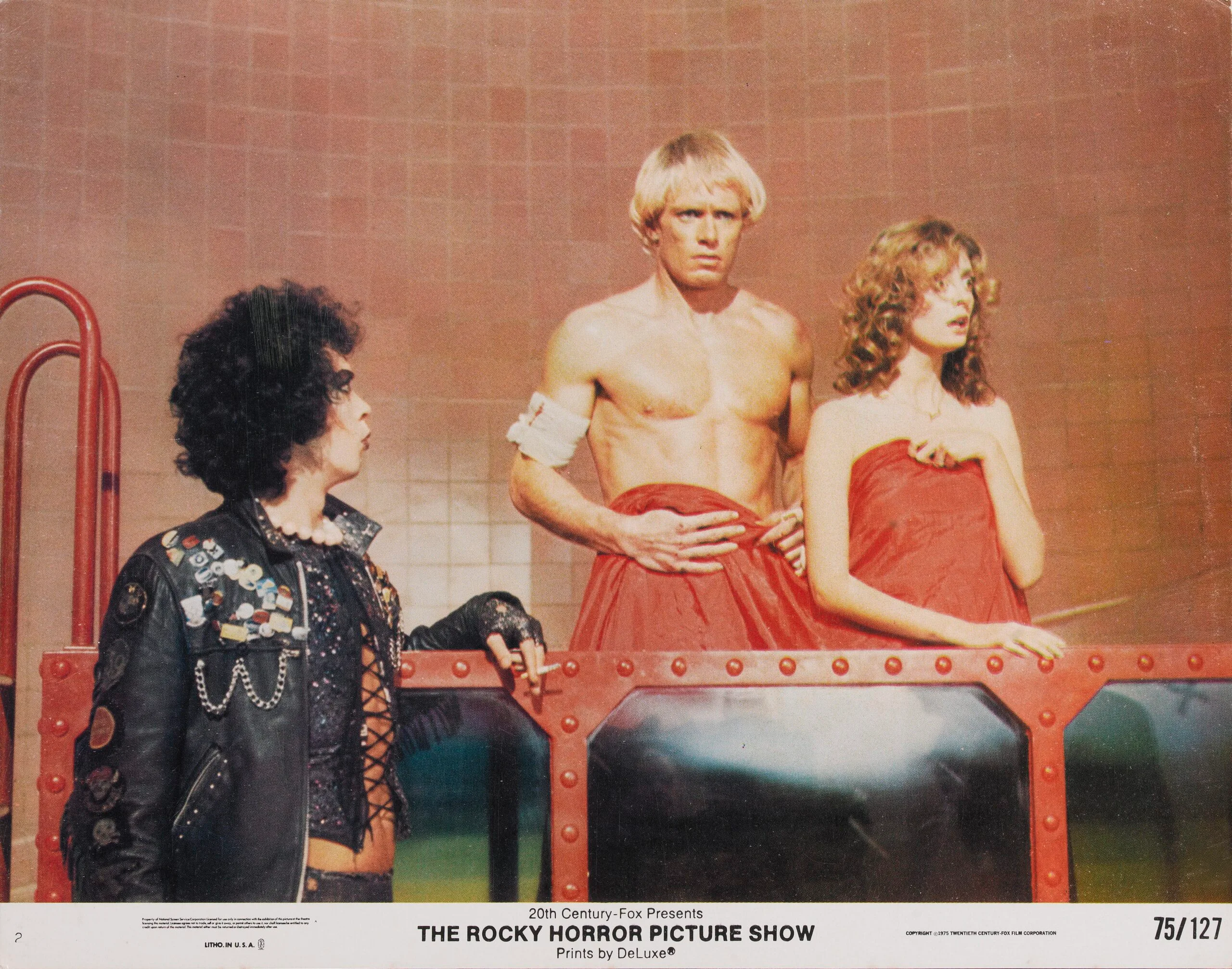
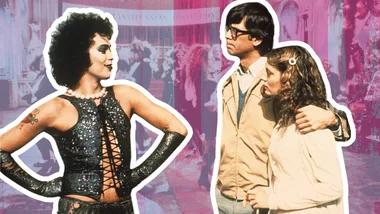
Her first child, Eva, was born in 1985, when Susan was 38. She had already established an impressive reputation with roles as diverse as Mussolini’s daughter in the critically acclaimed docu-drama Mussolini and I (in which she co-starred with Anthony Hopkins), and Janet, an ingénue who falls in with a troublesome, if liberating, crowd of transsexual Transylvanians in Jim Sharman’s cult classic The Rocky Horror Picture Show.
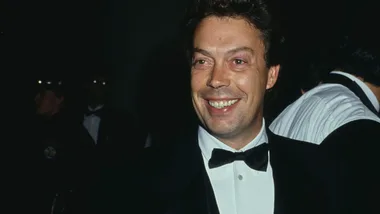
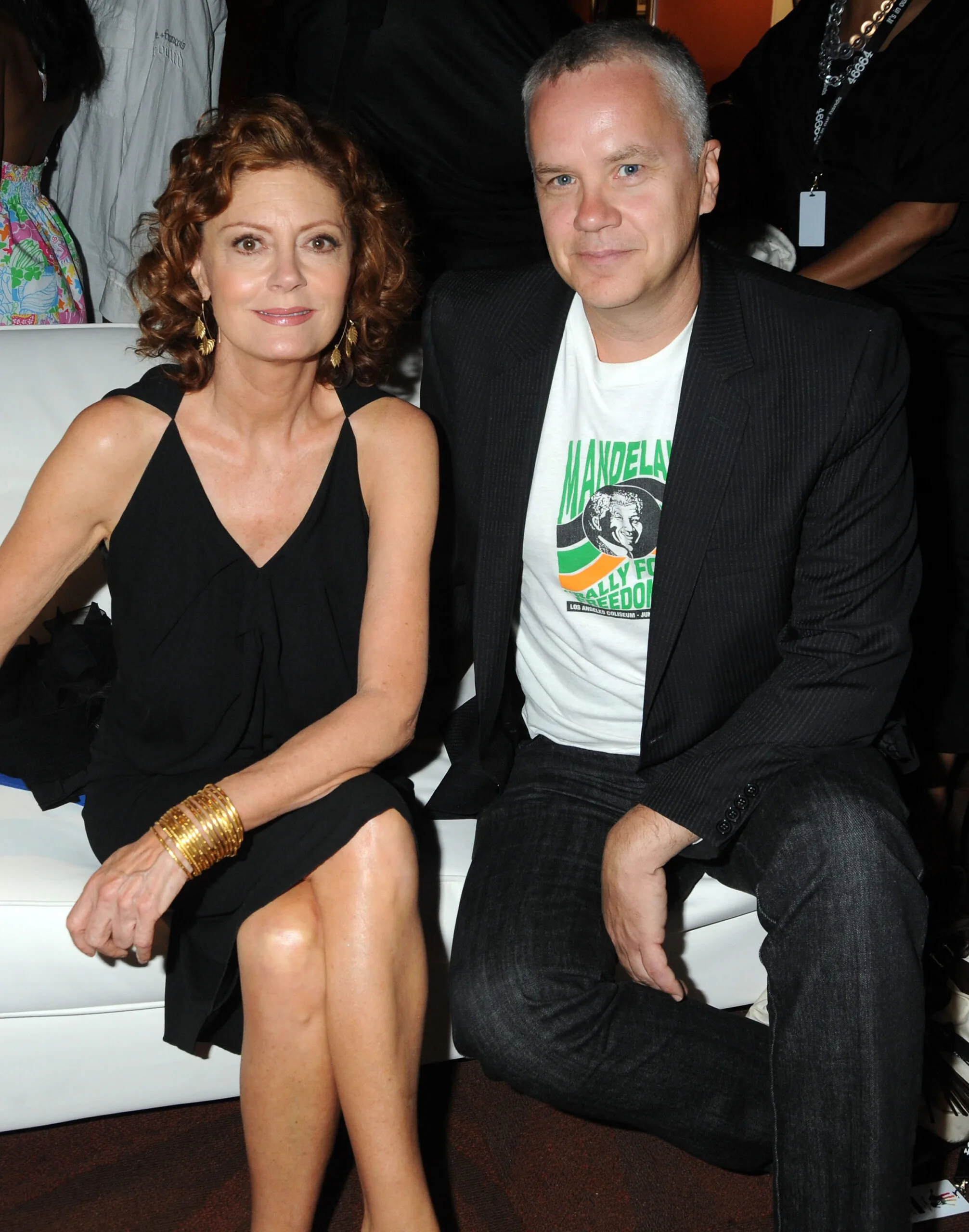
Eva’s father was the Italian filmmaker, Franco Amurri, whom Susan said at the time was the luckiest man alive because doctors had diagnosed her with endometriosis and predicted it would prevent her from conceiving. In fact, Susan went on to have two more children (Jack Henry and Miles) with Tim Robbins, who she met in 1988 on the set of Bull Durham.
When she did become a mother, Susan didn’t do it by halves. She and Tim raised three creative, questioning kids and welcomed friends and extended family in their sprawling Manhattan apartment. Susan limited her workload, but if she needed to travel, the children were often taken out of school to tag along. She once told American talk-show host David Letterman that her children would travel everywhere with her “until they’re old enough to give a really articulate explanation of why they shouldn’t”.
Letterman was incredulous. “I wish I’d been even less respectful of the school system,” she says now, continuing, “I wish I had taken them when I was making trips for UNICEF, for the UN. I wish I’d dragged them around more, even to demonstrations. But I kind of thought that it was up to them to find their own way and that I could lead by example. I think, if you’re raising privileged kids, it’s important that they understand at least that they are privileged. I think they developed an expanded sense of the world and their place in it, and I think they have a flexibility that is valuable.”
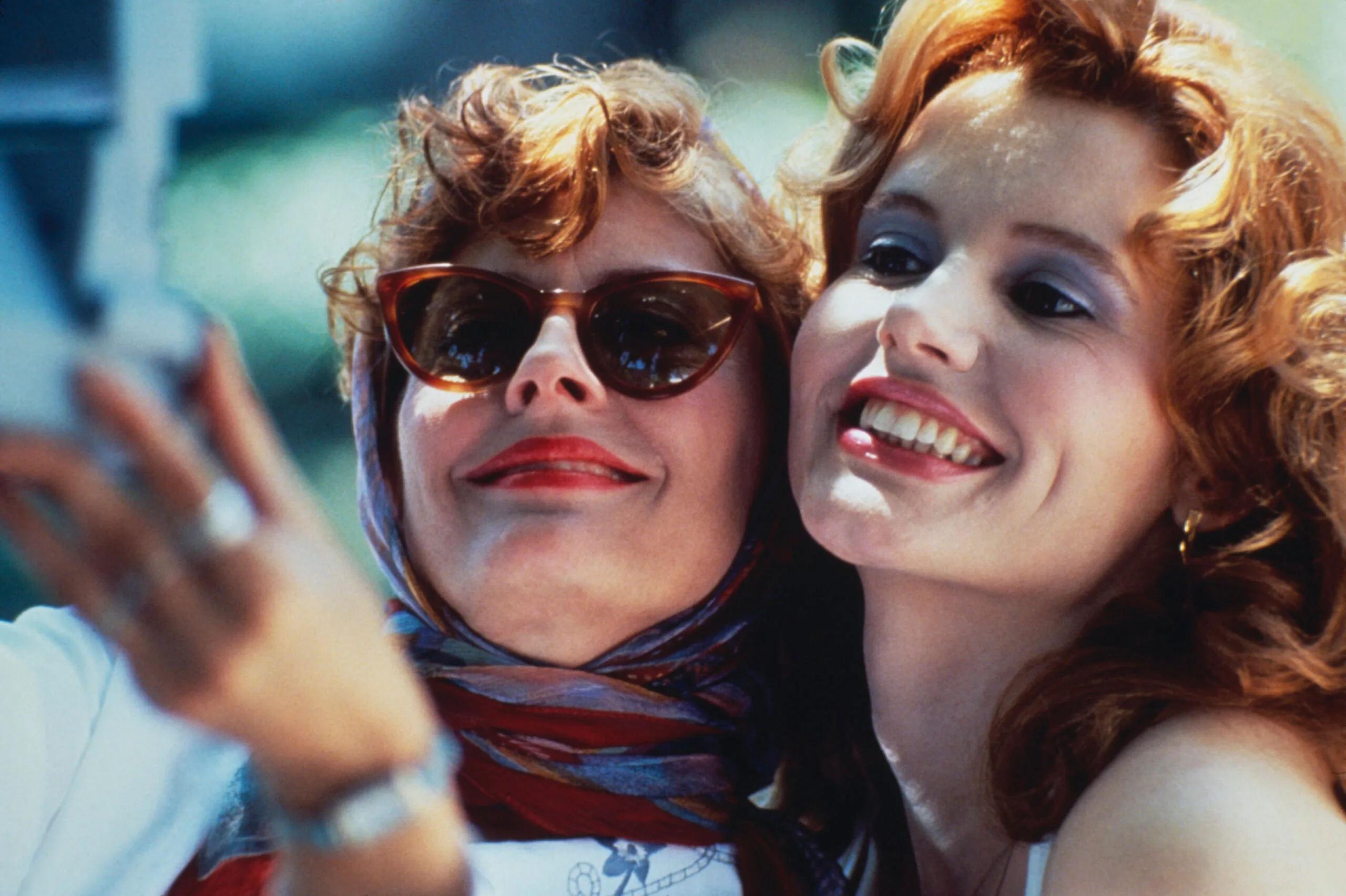
Susan kept making films all through her children’s school years, though by then she could afford to be picky and as a result took on some of her most powerful roles, including the iconic Thelma & Louise with Geena Davis in 1991, George Miller’s heartbreaking Lorenzo’s Oil in ’92 and Dead Man Walking, directed by Tim and co-starring Sean Penn, in ’95.
The empathy and iron-strong will she poured into that role earned her the Best Actress Oscar. The American author, George Saunders, once wrote in Interview magazine: “Sarandon doesn’t so much disappear like a chameleon into her characters as amp up their humanity, intelligence, resilience and faults. As a result, her performances do something far more than persuade; they live.” This was one of those roles.
Susan has just been speaking on the phone with Sister Helen Prejean, the nun whose work on death row was the subject of Dead Man Walking. They have kept in touch and still campaign together against the death penalty from time to time. They’re campaigning now.
“It’s horrible, what’s happening,” Susan says. “A woman is about to be executed. The only good thing to come of it is that it has renewed a discussion about the death penalty here: what’s wrong with it, how arbitrary and capricious it is, how racist it is, and how alone we are, as a free nation, in still having it.”
We’re speaking in the final days of Donald Trump’s first presidency. By the end of his term, Trump will have overseen more federal executions than any president in 100 years. Vice President Kamala Harris has a strong record of opposition to the death penalty and President Joe Biden has pledged to end it, but Susan’s not getting her hopes up yet. “We’ll see,” she says sceptically.
As of 2026, capital punishment is currently a legal penalty in 27 states in the United States, at the federal level, and for specific military offences. However, in July 2021, Attorney General Merrick Garland placed a formal moratorium on all federal executions. This meant that the federal government did not execute anyone during Biden’s presidency. Furthermore, in December 2024, as his term was ending, Biden used his executive clemency power to commute the death sentences of 37 out of 40 federal death row inmates to life imprisonment without parole. This emptied nearly the entire federal death row, leaving only three prisoners convicted of mass acts of terrorism or hate crimes (including such as the Boston Marathon bomber).
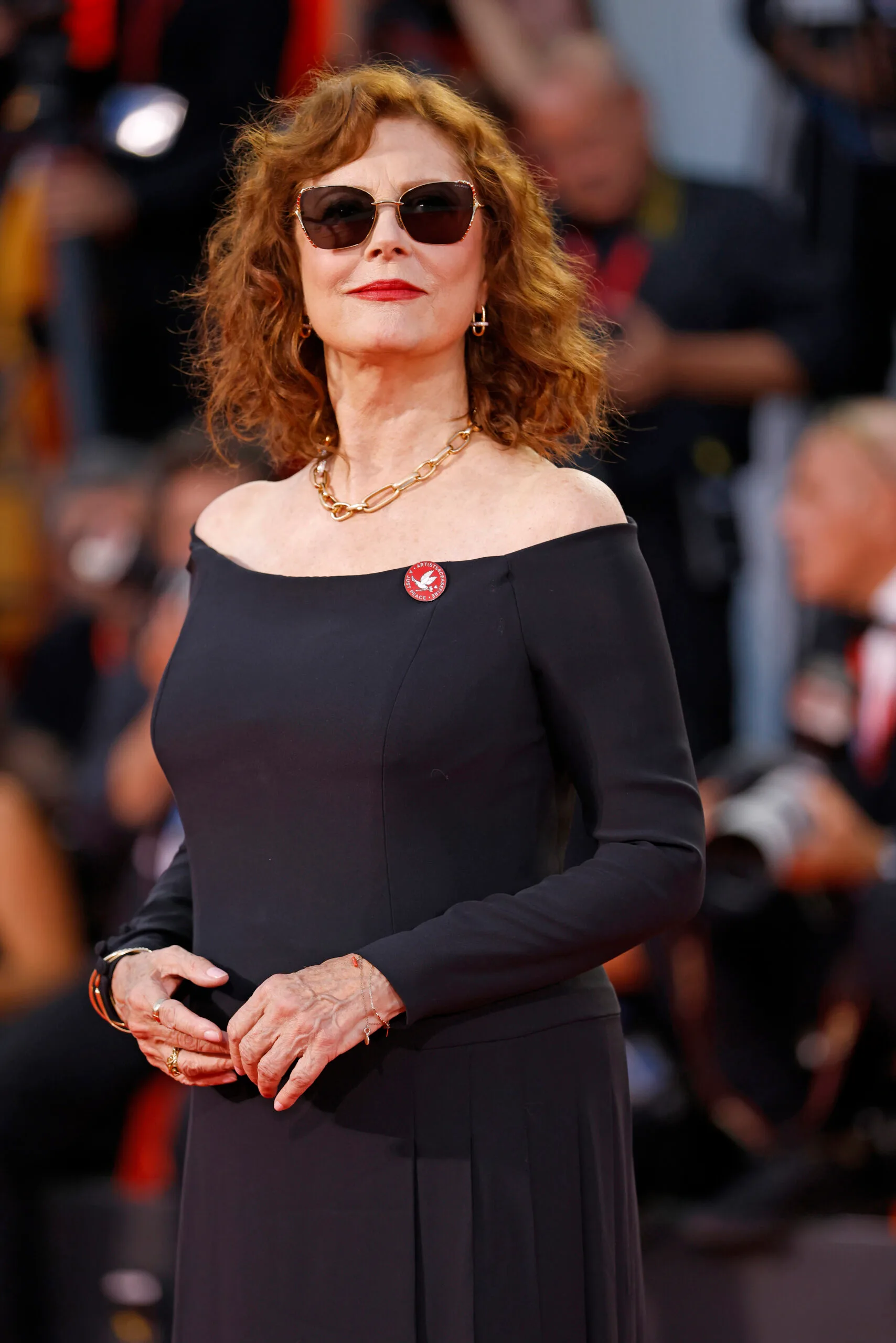
Susan was a vocal critic of Hillary Clinton in 2016, and on inauguration day this year, she tweeted a meme of Bernie Sanders wearing mittens, sitting in the back seat of a 1966 Thunderbird convertible with Thelma and Louise. Biden’s a little bit middle-of-the-road for this 74-year-old human rights campaigner, festival-goer and standard-bearer of the left.
At the 2026 Venice Film Festival, while promoting her film The Echo Chamber, Susan shared that she was losing roles in Hollywood due to her outspoken support of Palestine and criticism of the state of Israel.
“I think that the narrative has completely changed in terms of the historical relevance of Palestine and the ties of Zionists with America and our politics,” she told reporters. “That has been a major revelation for people, how much money the United States gives to Israel; nobody really understood that.”
“I’ve still had movies taken away recently because there are agencies that are telling people not to hire me still,” she continued. “But that’s the power structure. I think [among] people, certainly internationally, I feel welcome.”
She was dropped by talent agency UTS in 2023 for her activism. That impulse towards justice has been with Susan since she was a girl, keeping an eye out for those younger siblings, and swapping her dolls’ dresses around regularly so they all got equal time in the nicest outfits.
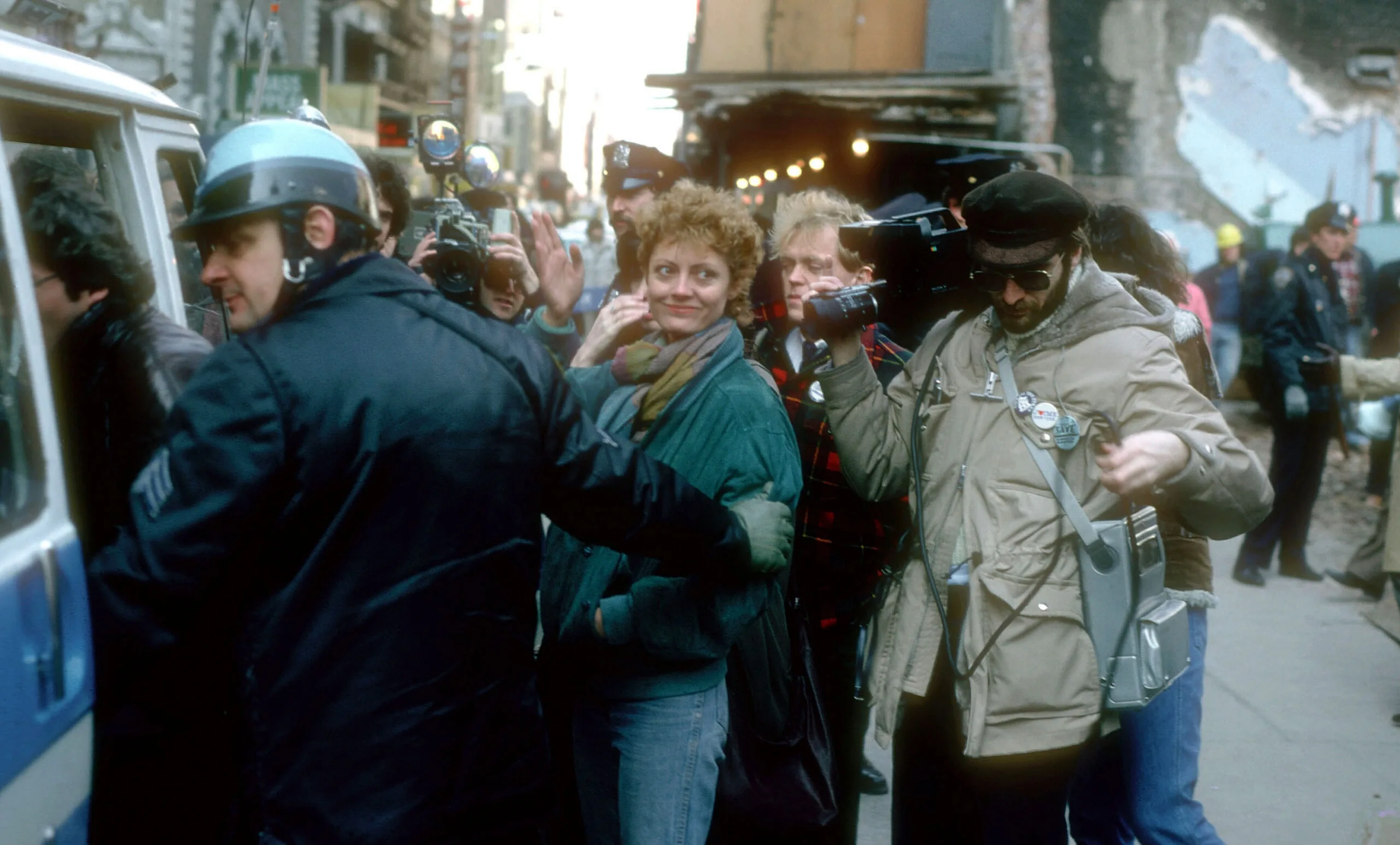
She joined the Vietnam Moratorium Movement while she was still at school, and acting honed her moral compass further: “What happens as an actor is that you’re trained to listen and to be open and have empathy,” she told Saunders. “It’s such a natural consequence that you end up being more political. You can empathise with the mother whose kids are going to be sent to Iraq, or you can empathise with the mother who is losing her child to a disease. How could you not then be active?”
In her film, Blackbird, Susan plays a woman in the final stages of Amyotrophic Lateral Sclerosis (ALS) who has made a decision to end her life and calls her family (including her two daughters, played by Kate Winslet and Mia Wasikowska and co-starring Sam Neill) together for one final weekend. Susan is the lynchpin grounding this film with her deep reading of character and that powerful empathy. She was drawn to the script because it offered an opportunity to shine a light on ALS, a progressive motor neurone disease in which voluntary muscle movement deteriorates, eventually affecting the ability to eat, speak, move and breathe. Most sufferers die from respiratory failure, and at present there is neither an effective treatment nor a cure.
“That disease needs more press,” she says. “I hadn’t had any experience of ALS until I started talking to people for this film, and it is a devastating and horrible disease. Because it is an orphan [rare] disease, there is not much research, and there’s not much press about it, so I’m happy to have been able to talk about that.”
Susan also feels strongly about the right to die, or voluntary assisted dying. Back in 2010, she worked with Al Pacino on a docu-drama about assisted dying campaigner Dr Jack Kevorkian, and many years ago she was approached to work on a film, which regrettably didn’t go further, about the “death and dying” pioneer, Dr Elisabeth Kübler-Ross.
“I do think it should be your right to decide how and what your death is about,” Susan says. “When I was doing research for Blackbird, and we were meeting people who were making those choices, it makes you think about what is really important to you, and would you be brave enough to do that?”
Faced with the situation that her character confronts in the film (not all the family supports her decision), would Susan be brave enough to go? Or brave enough to stay and risk personal suffering? Both options demand courage.
“There was a video of Elisabeth Kübler-Ross that I always remember,” she says quietly, thoughtfully. “In it, she was speaking to a mother who had five daughters and they wanted her to stay at home [to die]. They wanted to take care of her, but she wanted to go to the hospital – she didn’t want to be a nuisance. And Elisabeth said to the mother, ‘They need to do this. They need to be there for you’. I did think about that conversation when I was doing this project. The family dynamic around that decision is such a tough thing. But if my daughter said that she wanted another month with me, I am sure I would give it to her… I would not be able to go.”
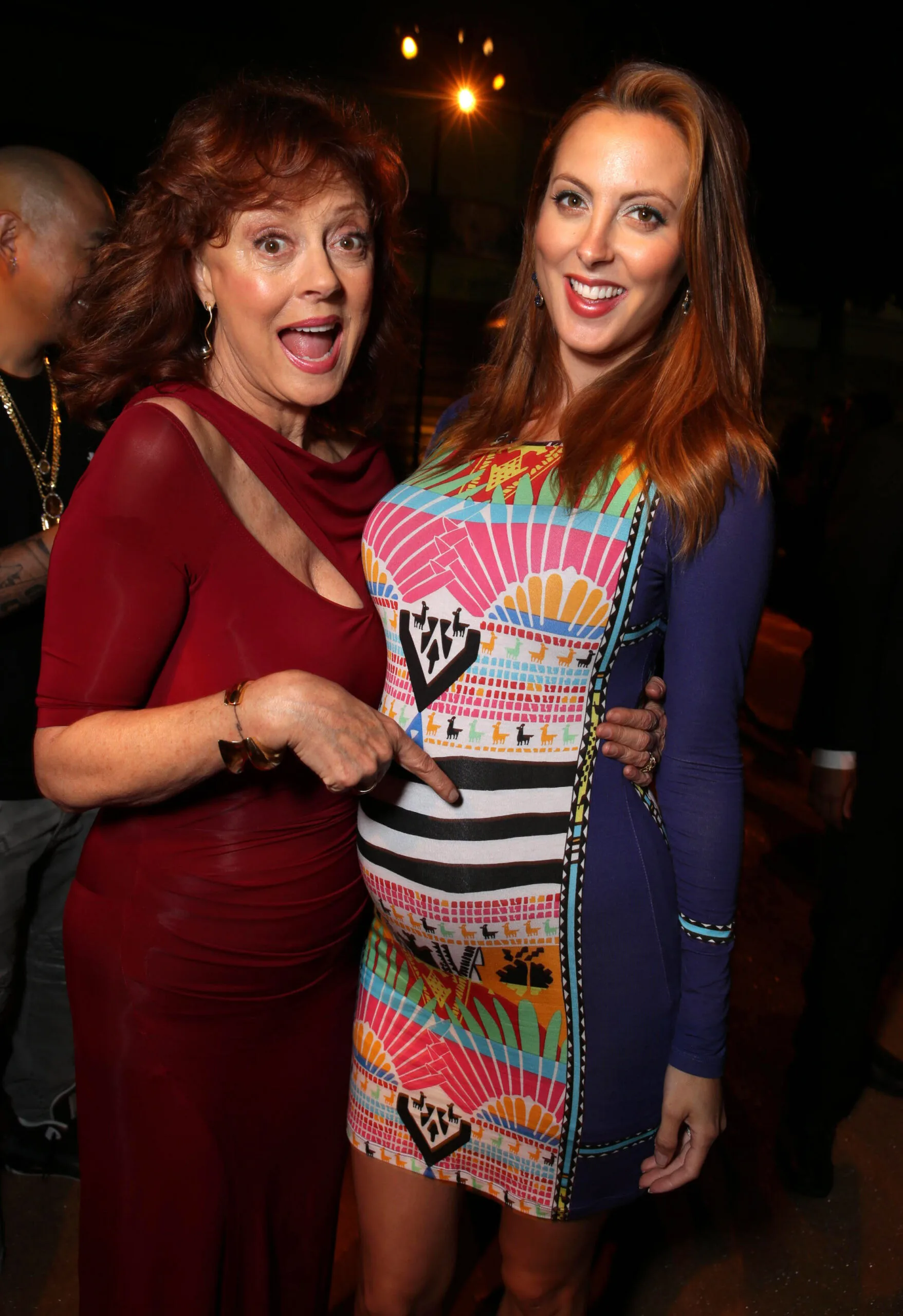
It’s not in the same league, of course, but it can’t have been easy when the COVID lockdown prevented Susan from spending time with her own daughter as she tackled some critical challenges last year. Eva, who is an actress and a popular lifestyle blogger, gave birth to her third child at home in Westport, Connecticut, in March, within months of her divorce from soccer player and sports broadcaster Kyle Martino.
“She had her baby at home,” Susan explains, “and I couldn’t get out there. I didn’t see Eva or the baby for a while, and I couldn’t see my son in California. It was a tricky thing when you had kids in school, or you were travelling, and they were very protective of me.”
There was a lot of family discussion around how they could get together “and make it safe for everyone”. And while that discussion was underway, Susan spent a couple of months alone in her apartment in New York. After her relationship with Tim came to an amicable end in 2009, she dated her much younger business partner, Jonathan Bricklin, but she currently lives alone. At one point during lockdown, her son Jack, a filmmaker who lives in California, posted on his Instagram: “You probably know who my mom is. She’s a pretty wonderful person and, like so many smart people, is isolating super-hardcore right now. I was wondering if we could fill up this post with love for her,” which his followers did. For Susan, though, those solitary months sometimes felt like a welcome respite.
“I’d never had so much time without working – either working as a mother or working on something,” she says with the hint of a mischievous smile. “I’d never had a space of time that I could remember where I was by myself, and how I spent my time was at my own discretion. I’ve got to say I kind of dug it. I was in a small apartment, and I could be messy and eat when I wanted.”
“Eventually, after two and a half months, I joined our sons at our country house with their girlfriends. My son from California [Jack] drove to the East Coast, and the one from Brooklyn [Miles, now a DJ and musician] came across too, and we all sheltered not far from where my daughter lives in Connecticut, so I could see her at last. That was wonderful. I was cooking for the family, and I started a vegetable garden and all these kinds of things. So I was very, very fortunate to be able to quarantine with them. Now I’m back in New York – we’re all in our different places again – and luckily everyone has been fine.”
Susan came back just in time to put the family loft on the market and within days it had sold, which has been both melancholy and liberating.
“We’d been planning to sell for a while,” she explains. “So we gave a great New Year’s Eve party in that space [in 2019/20]. Everyone who had ever stayed there and the kids and their friends – that apartment was always filled with people who were staying for anywhere from a month to three years. And we all had a big party, very homey, with all these different kinds of people to just say goodbye to the space. Then I started clearing it out. We were going to sell at the start of the year, but then COVID hit so no one could see it, and that gave me some time to get used to the idea.”
It was an immense apartment: two storeys with five bedrooms, two kitchens, multiple living areas, a library, a wood-burning fireplace, the sweeping staircase where Susan and Tim sat to watch the kids’ impromptu performances, the famous blue bathroom in which Susan kept her Academy Award. They lived there as a family for decades and Susan kept the place after she and Tim went their separate ways. But it was home.
“It was an incredibly warm and beautiful place with gorgeous sunrises and sunsets, and I definitely miss that,” Susan says now. “It is the end of a section of my life.”
But in saying that, she admits, it is also the dawn of something new. Susan had already moved into a smaller apartment in the same neighbourhood before the loft sold, and she’s liking both her new sense of freedom and her new view.
“It was time to move on. It was time to let go,” she says finally, still with that warm, sultry, slightly musical voice that brings to mind Louise. “But from the apartment that I’m in now, I can still see sunrises and sunsets. I am addicted to sunrises and sunsets. So even though it’s a teeny, teeny, teeny place, because I don’t need much, I have a view of the Empire State Building and downtown and uptown … and I’m happy.”
This exclusive feature originally appeared in the March 2021 issue of The Australian Women’s Weekly. Subscribe so you never miss an issue.

