


At a glance…
- Following the attack on Helen Haines in Wangaratta, Australians are being urged to reflect on the growing culture of aggression, hostility and disrespect in public life.
- As candlelit vigils take place across the country, politicians and community leaders are calling for greater kindness, compassion and respect to help bring about meaningful change.
- Content Warning: This article discusses topics which may be upsetting to readers.
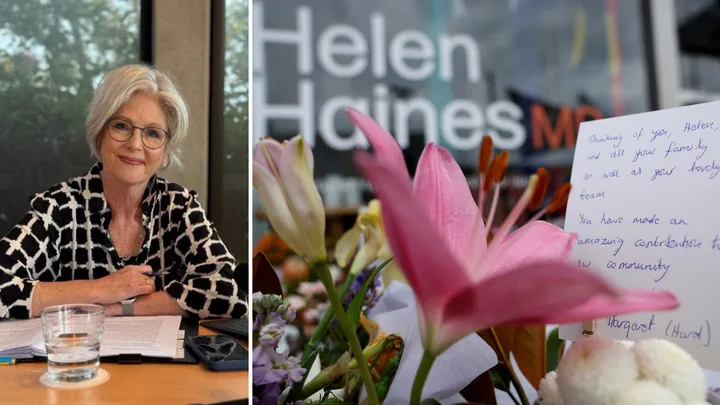
Tonight, all over Australia, people of good heart will light candles and stand quietly for 15 minutes to express their support for the Federal MP for Indi, Helen Haines, her family and her staff. And to contemplate the ways in which we might, as the Governor-General Sam Mostyn has said, “encourage care and kindness”.
The much loved and respected Member for Indi was critically injured on Monday when she was hit multiple times by a four-wheel-drive vehicle outside her electorate office in Wangaratta in north-eastern Victoria. It felt like the final and most horrific straw in a teetering tower of aggression that has, for some time now, threatened to topple and engulf those notions of a generous, fair-minded, compassionate Australia which so many of us – especially The Weekly’s readers – continue to, perhaps optimistically, hope for.
A watershed moment for Australia
We’ve learned this week that police reports of threats and harassment against federal parliamentarians rose from 279 in 2020-21 to more than 1000 in 2023-24, and continue rising. As do reports of violence against women, and of abuse levelled at teachers, doctors, nurses, retail staff, and almost anyone in a public-facing role.
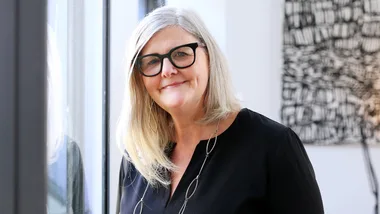
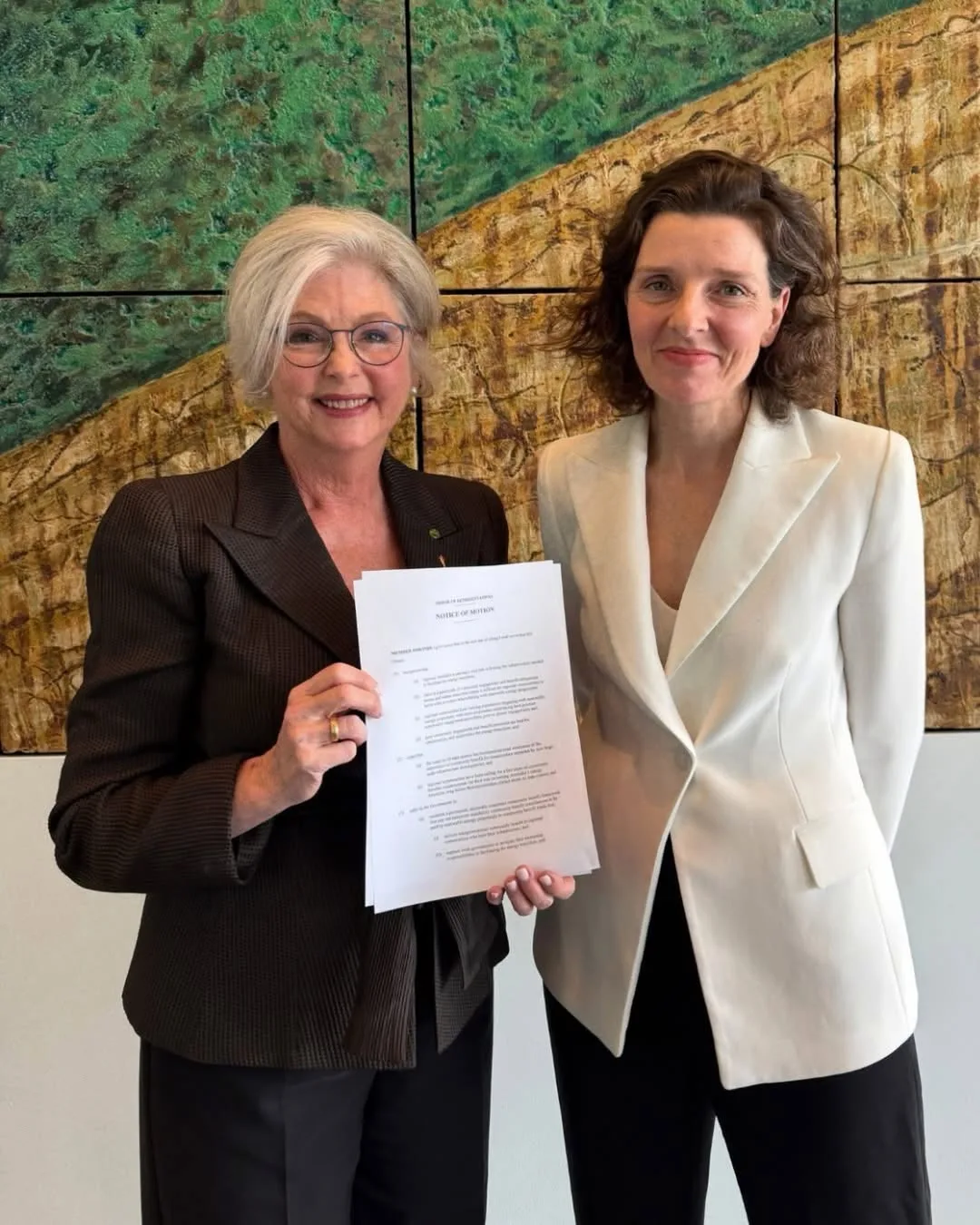
Writing in The Sydney Morning Herald this week, the Federal Member for Wentworth, Allegra Spender, asked how we have come here as a nation. “And how do we turn it back?” She described this moment as “a watershed”.
“We have crossed lines as a country,” she added. “The terrorist attack at Bondi and this attack are vastly different in cause and impact. But they are both devastating to who we are and how we see ourselves.”
“We need to disagree better.” – Tanya Plibrsek
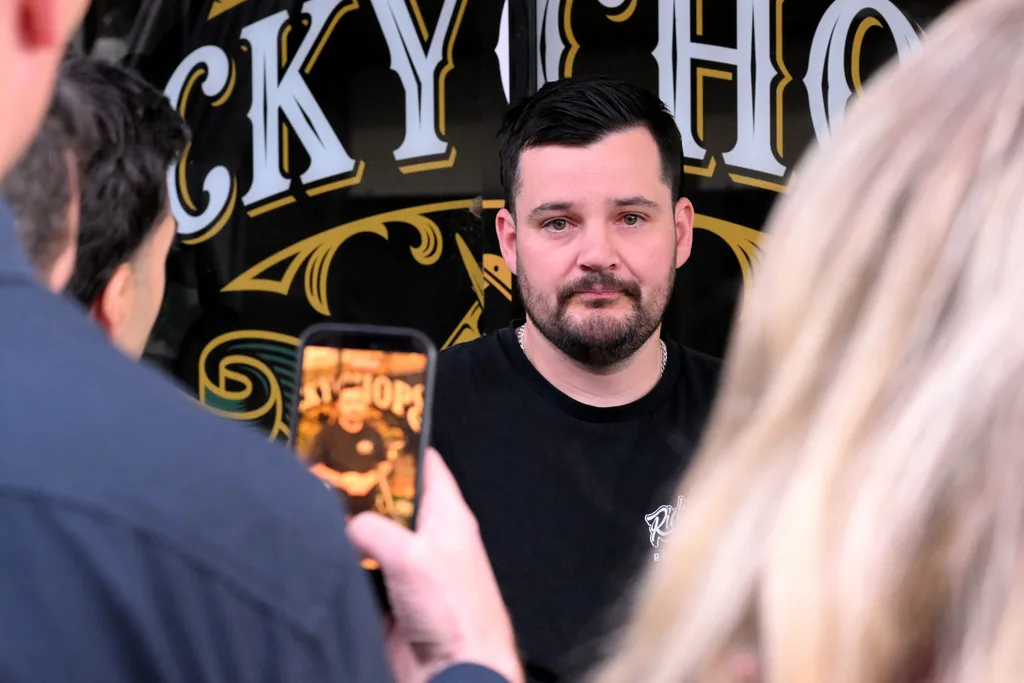
We don’t yet know what motivated Brendan Nugent, Helen Haines’ alleged attacker, but even so, some factors have been brought to light this week that have, as the Prime Minister says, “raised the temperature” of our public and private discourse, and influenced our national trajectory.
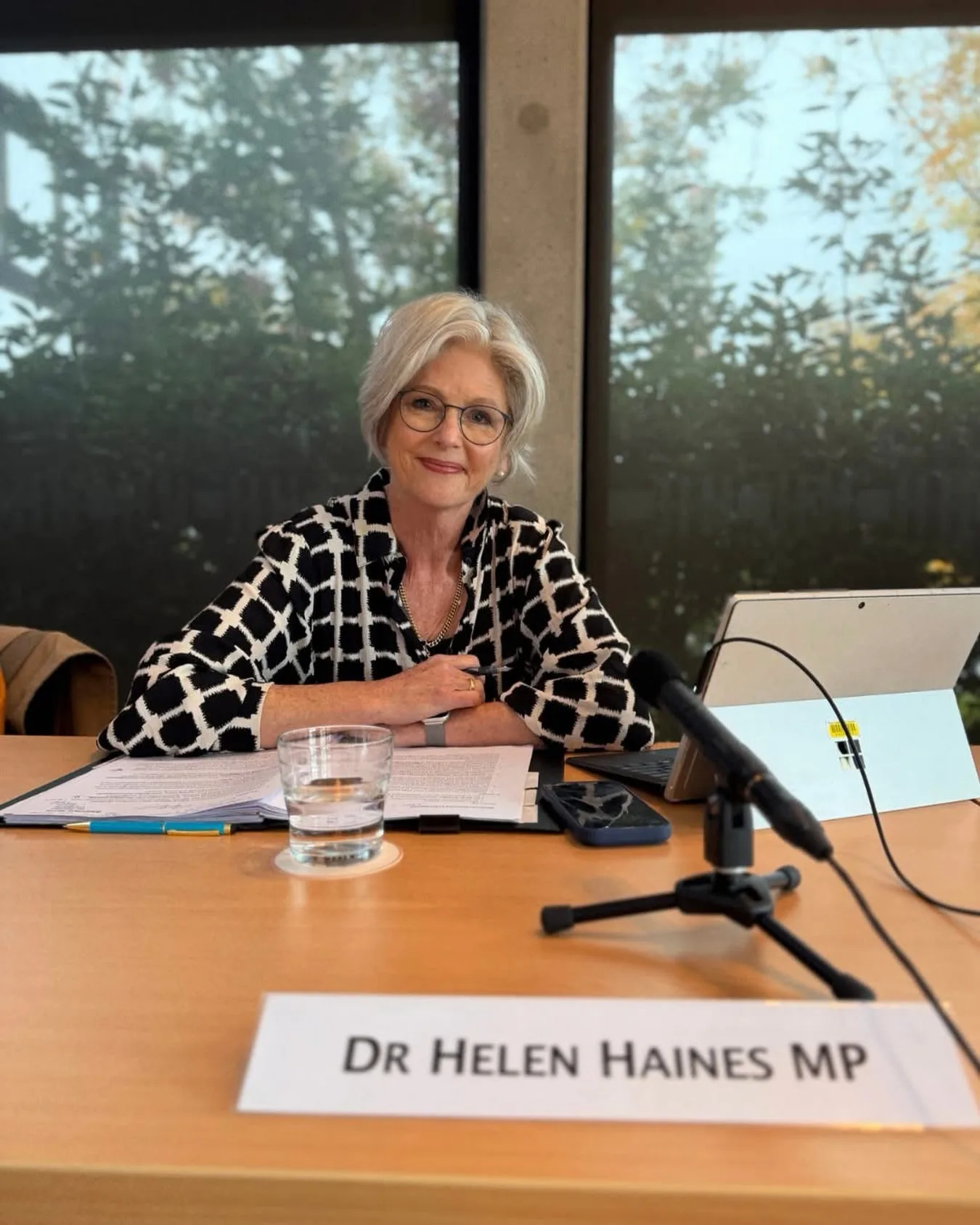
“I’ve said, for a long time, that we need to learn to disagree better,” Minister for Social Services, Tanya Plibersek, said this week. “We don’t have to agree. We have different visions for how the country should be, how we should run things. We’ve got different visions for the sort of country we want to see in five or ten or fifty years’ time. We need to discuss those issues in a way that leaves room for disagreement, but does it in a way that is safe and respectful. There is no need to be using violent language, to be normalising this sort of language … and we have seen that recently … We all need to do better, to focus on the issues, to disagree respectfully.”
A real-life social reckoning
There is a bank of studies now indicating that social media is not helping us to engage respectfully either on or offline. Its algorithms appear to prefer emotionally inflammatory content, outrage and division, as those reactions encourage greater engagement and make the billionaire owners of the platforms ever more money. And yes, spending time feeling outraged online does spill over into day-to-day life and make for generally unhappier, more emotionally volatile people.
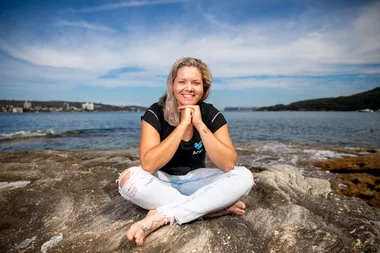
Kath Koschell, founder of the Kindness Factory, who grew up in north-eastern Victoria, points to other factors that are “raising the temperature” too.
“This year in particular, everything has felt heightened.” – Kath Koschel
“This year in particular,” she tells The Weekly, “everything has felt heightened. We’ve got wars going on, which increase the pressures around us. More expensive fuel, increased cost of living … And the icing on the cake, for Aussies, is mortgage rate increases. If we can’t meet those basic human needs, the rest of it starts to crumble around us. We know that, as stress rises, our resilience starts to drop, our emotional regulation goes out the window, and as adults, we start throwing tantrums.”
And all those factors weigh far heavier on people who are emotionally or psychologically vulnerable.
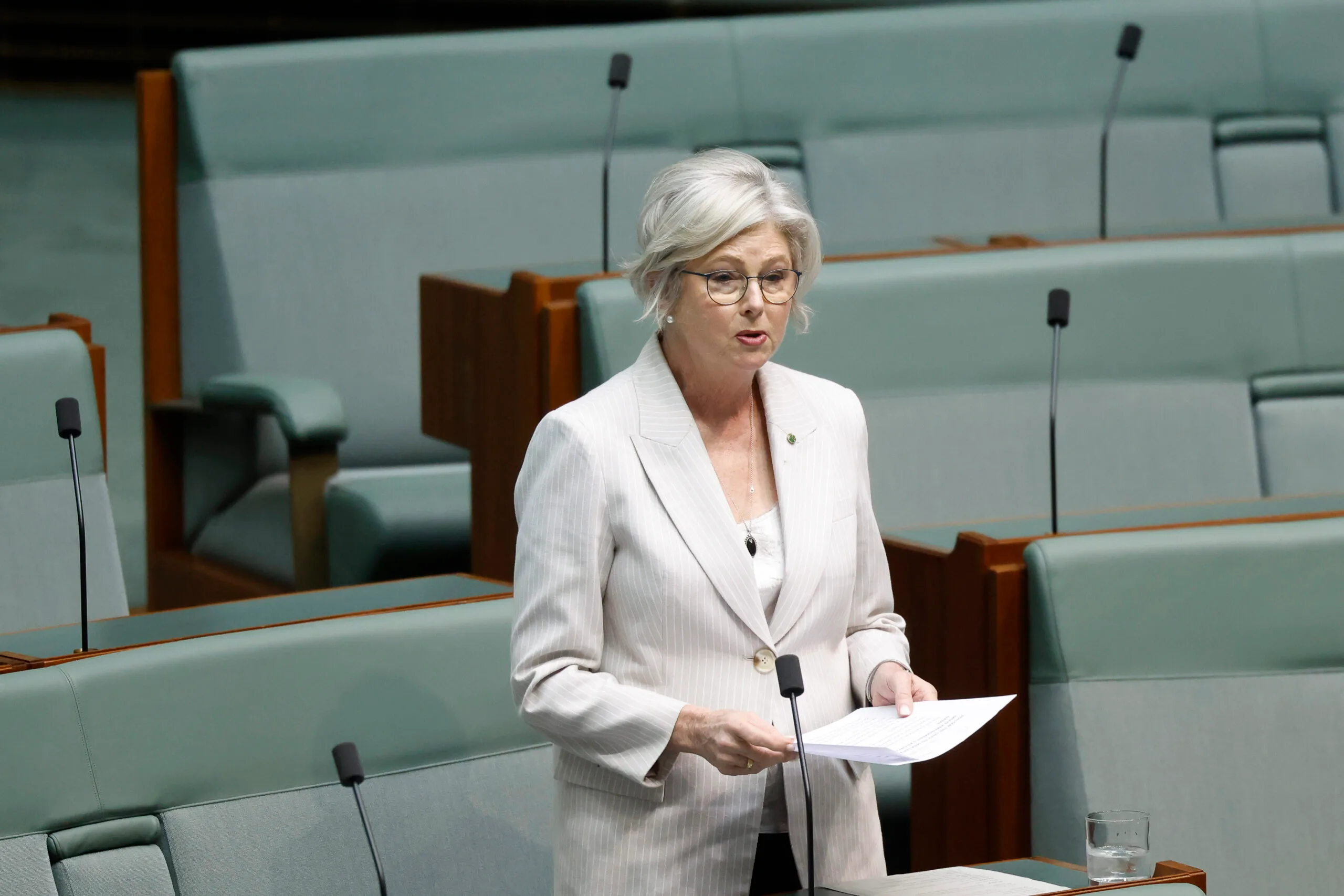
Helen Haines, a former nurse and midwife, with a doctorate in Medical Science, had lobbied only recently for increased health funding for Indi, where mental health presentations are significantly higher than the Victorian state average.
Lessons from the bear pit of parliament
However, it is our more general tolerance for aggression and disrespect that has been the subject of the most impassioned debate this week.
“When abuse is normalised at the highest level,” Allegra Spender pointed out, “it makes room” both for “extremism” and “obsession”.
Both she and Tanya Plibersek have both stressed the need for our members of parliament to lead by example.
“Politicians are regularly asking our community to disagree well,” Allegra wrote,” but our hypocrisy is often on display.” Question Time in Parliament, she insisted, “quickly descends into an hour of rancour and abuse that would lose you your job in any other workplace.”
“We have to be working much harder on the consequences for our communities of poor mental health, of domestic violence, of this sense of unsafety.” – Cathy McGowan
Cathy McGowan, who was the independent member for Indi before Helen was elected in 2019, while agreeing that our parliamentarians could lift the tone, insists that there’s no passing the buck here. Responsibility for the culture that we live in rests with each and every one of us.
“We have a choice,” she told Fran Kelly on the Radio National Hour. “Do we want to let violence and poor mental health determine how we are as a nation? Or will all of us – every single one of us – step into the space and be better?”
Be the change we want to see
There are myriad influences at work behind the horror we’ve witnessed this week. “We have to be working much harder,” Cathy says, “on the consequences for our communities of poor mental health, of domestic violence, of this sense of unsafety … and call out bad behaviour, stop the violence. When it happens in the media, when it happens on our social media, do something about it – don’t just put up with it …
“We’re not going to let violence win. To be our best selves, be the change we want to see – that’s the only way we’ve got to really change the political environment and make politics better. We’ve got to be the change.”
Begin with kindness
Kath Koschel says that change can begin with being kinder to ourselves and then letting that kindness ripple out towards others.
“Self-reflection helps,” she tells The Weekly. “There are a lot of people probably not aware of their own emotions and how heightened they are at this point in time. So I would say, even just spend half a day of your weekend considering how you’re going at the moment. Give yourself a bit of a pulse check and ask, ‘Am I snapping at people around me? Am I showing up with kindness? Am I showing up with the values that are mine?’ And if the answer is no, why is that? Start to unpack that.
“I think we need to start being kind to ourselves, first and foremost, and that will almost immediately create a ripple effect that will rub off on our kids and all the people that are around us as well.”
“Australia is full of good people, like Helen.” Allegra Spender
“Australia is full of good people like Helen – people of a variety of political views, but of decency, good faith and honesty, who are proud of this country and want to make it better,” Allegra adds. “We must make it safe for those sorts of people to take part in public life. We must keep asking ourselves the hard questions on how we can do this.”
Will this be the watershed moment that Allegra has suggested? It would be an extraordinary tribute to Helen Haines if this tragedy was the shock that turned our public conversation around.
Kath, who has devoted her life to spreading compassion and understanding, says her feelings this week have been “just sadness, to be honest. Sadness that the state of humanity has taken us here. We’ve got to be better. We’ve got to start doing better and treating each other a lot better.”
How to bring back hope
She does, however, believe we can do that. “When these bigger moments happen and they become part of our history,” Kath says, “you do often see an influx of kindness, because people want to counteract what they’ve just experienced and bring back hope.”
Which is what tonight’s vigils are all about.
Tonight, we all have an opportunity to shine a light in the darkness, and keep that light shining in our hearts in the days and weeks and years to come.
As the Governor-General said this week, “Australians have good hearts, great hearts”.
To join the candlelit vigil tonight, all you need to do is light a candle at 8 pm AEDT, 7 pm AEST, 7.30 pm ACDT, 6.30 pm ACST and 5 pm AWST. Then, sit or stand quietly for 15 minutes outside your front door, on your veranda, or by a window, and hold Helen in your thoughts. Some communities, particularly in Victoria, have organised to go a little further.
In Wangaratta, the town beacon will be lit in amber light. Geelong locals will gather at Johnston Park and the City Hall will be illuminated. In Tawonga, locals will gather with their candles in the SK Pearce Park, following an earlier event in Helen’s honour at the Hydro Park. The early birds in Tarrawingee will gather at The Plough Inn from 9- 11 am. Check community noticeboards for more information.
Helen Haines’ family has asked that, instead of sending flowers, well-wishers make donations, if they can, to Save the Children.
If this article has raised any issues for you, help is available. Call Lifeline on 13 11 14 for 24/7 crisis support and suicide prevention. You can also chat online at lifeline.org.au. More services are available here.

