




At a glance…
- After losing her husband to Parkinson’s and surviving pancreatic cancer, Neysa King reassessed what she wanted from life and found herself drawn back to her first love: nursing.
- At 70, Neysa graduated from university and returned to nursing after almost 40 years, eventually moving into Intensive Care, where she draws on both her training and decades of life experience to help patients feel safe, seen and understood.
- Now 72, Neysa believes older women are an overlooked resource in Australia’s workforce and wants to see more pathways helping them return to meaningful, purposeful careers.
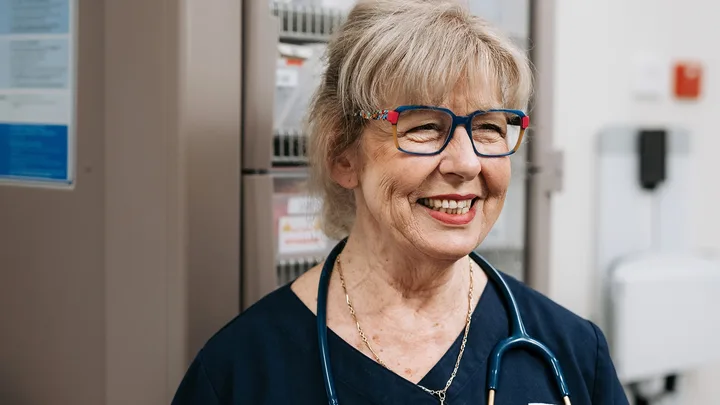
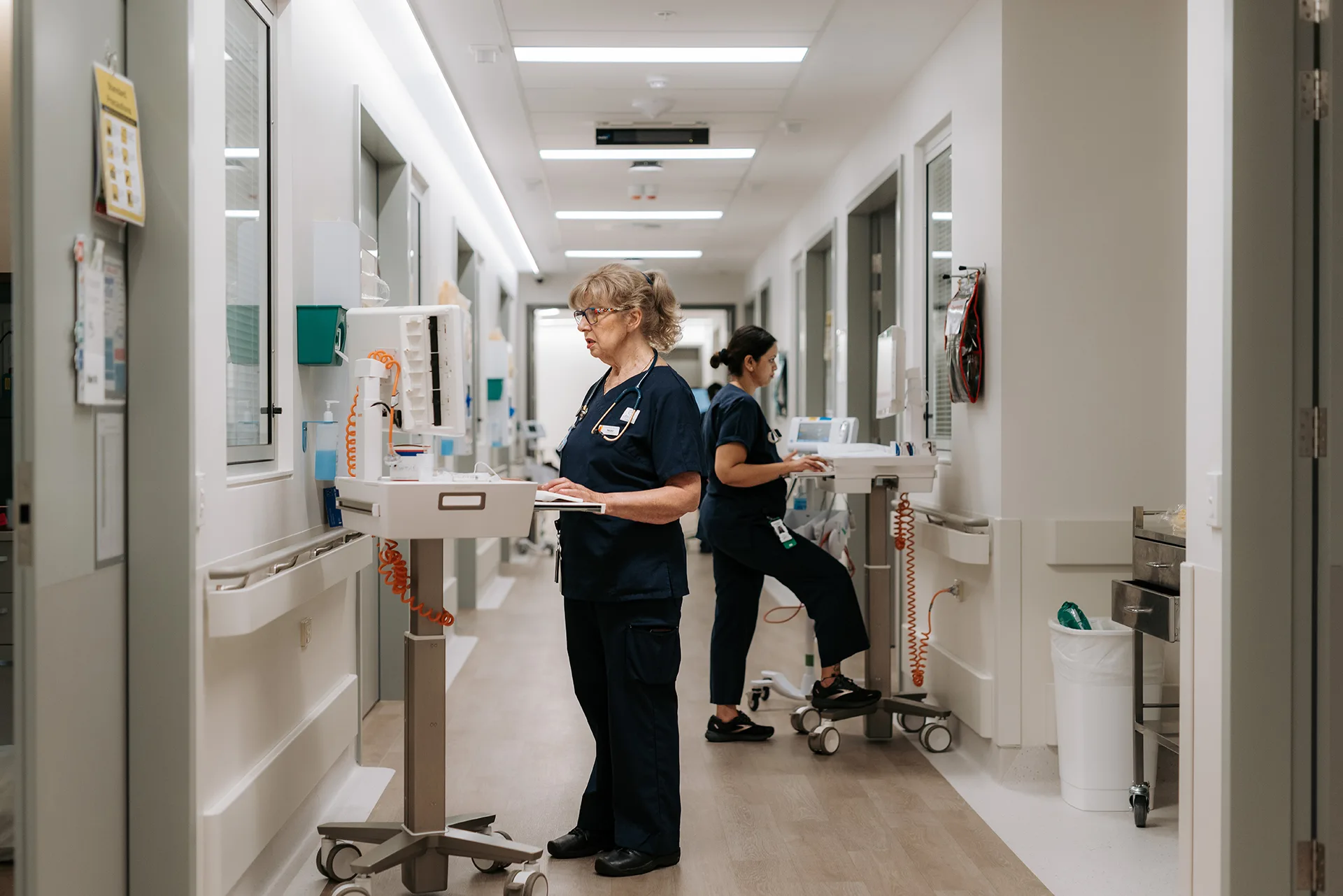
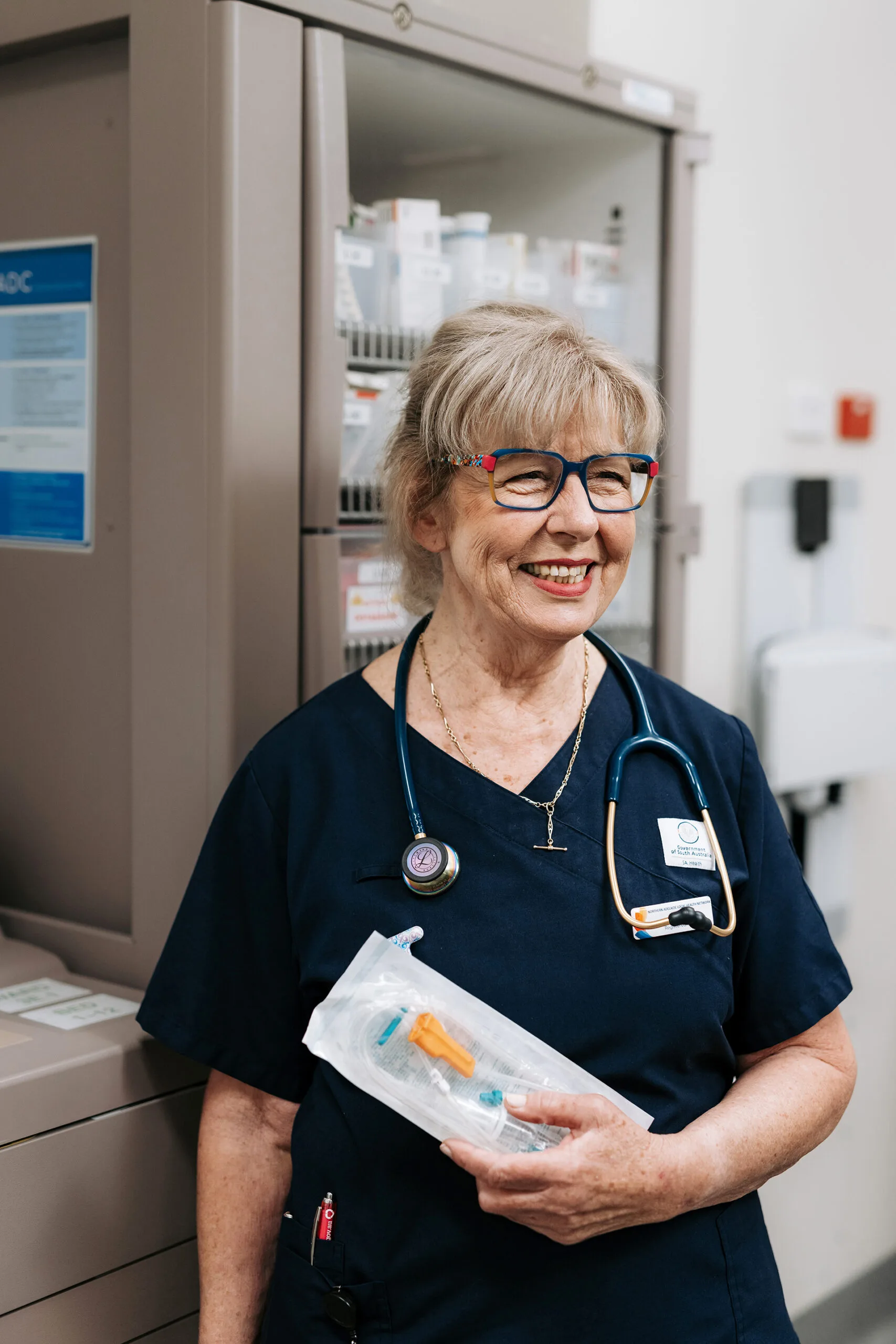
Neysa King has a spring in her step as she walks the hospital corridor. Noiselessly, she crosses the threshold to Intensive Care where she checks on one of her charges. A gentle hand on the shoulder. Neysa has a gift for this work. It’s hard to believe that, after a business career, she only found her way back to her first love – nursing – two years ago.
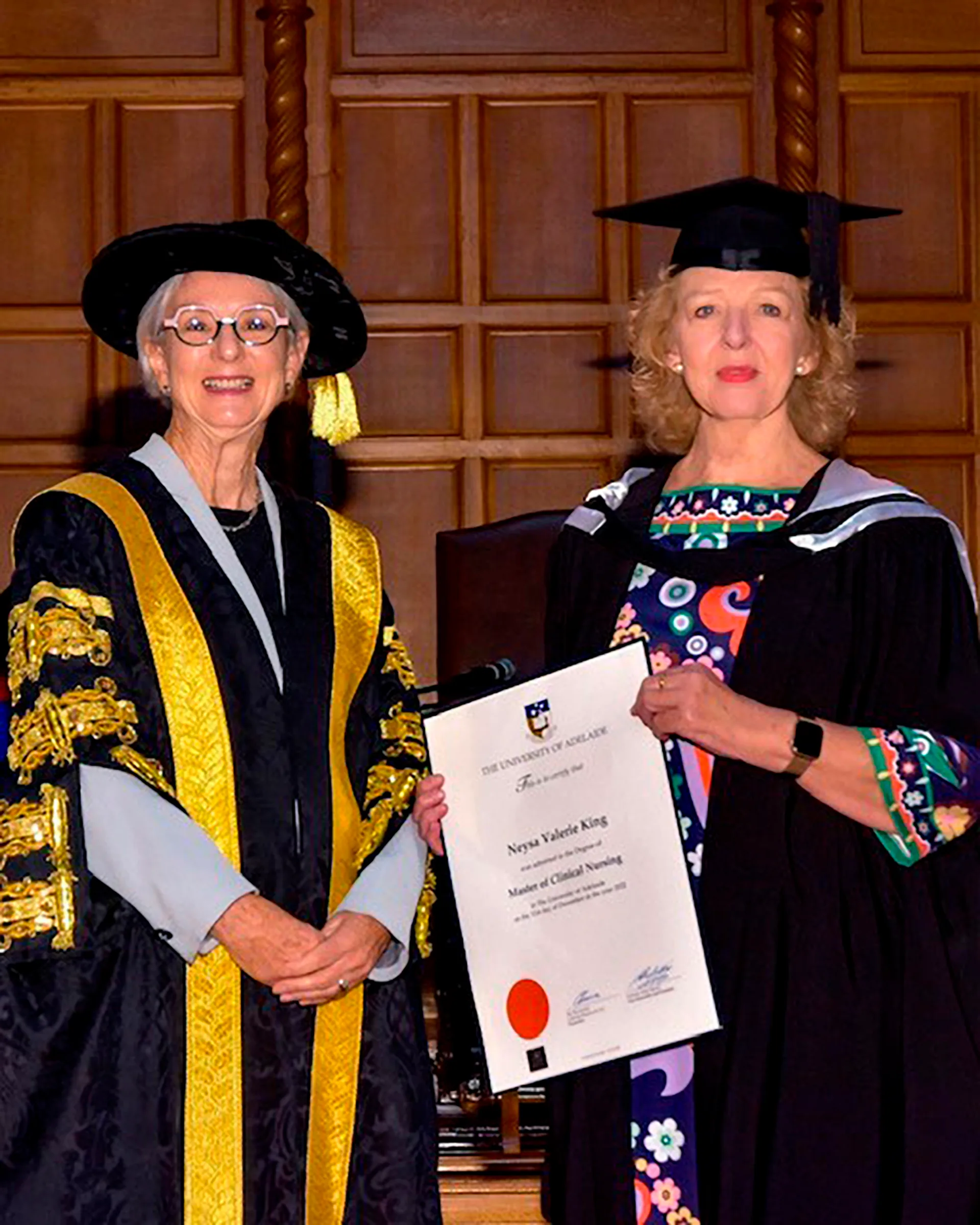
She was 70 when she graduated from university and put on her navy nursing scrubs for the first time in almost 40 years.
“It’s bloody hard work,” she admits. “It’s exhausting, but I love it because it’s meaningful, and it’s purposeful and there is always so much to learn.”
Neysa’s first round of nursing was in her 20s. “I did hospital-based training, and then I went overseas, as young people do,” she tells The Weekly. “I went to America and ended up getting married and divorced.”
Back in Australia 14 years later, she segued from nursing into the pharmaceutical industry, and from there into the business world.
In the meantime, Neysa had met and married her second husband, Tony King, a handsome paramedic and pharmaceutical salesman. They had a son, Anthony, and
lived not far from the sea on the NSW Central Coast, and Neysa’s work took her around the world.
Then Tony was diagnosed with early-onset Parkinson’s disease.
“He worked for the first couple of years,” Neysa explains, “but his cognitive decline was quite rapid. Then it was a real juggling of the balls for a while. I was the sole income earner, and I was trying to get my son through school and also ensure that Tony had a good quality of life. It took a toll.”
Six months before he died, Tony transferred into residential care just across the road from the family home. By then, Anthony had moved away to university, and Neysa was working flexibly, so she visited often.
“When Tony did pass away,” she says, “I’d expected to have him with us for another five to seven years. I’d expected that this would be my life – working from home and going across the road to visit him.”
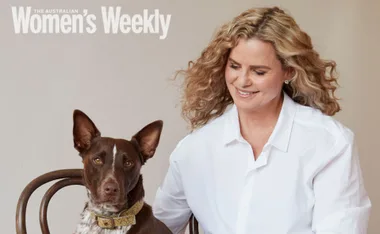
Neysa took compassionate leave and then went back to work. “There was just a really weird, flat feeling,” she remembers. “It wasn’t overwhelming grief. Everything felt kind of empty, but it went on … It was a realisation that I’d lost an identity. I was used to being a mother and now my son was at college, so my mother role had diminished significantly. I was used to being a wife, but now I was no longer a wife. And I was used to being a carer, but now I was no longer a carer. All I had left was my identity as a worker because I hadn’t invested any time in myself … So it was a bit confronting and a bit isolating.”
Then, out of the blue, came a pancreatic cancer diagnosis. But thankfully, they’d caught it early, and the prognosis was good. Even so, Neysa was frightened.
“Not so much for myself,” she says. “It was not wanting my son to be an orphan. He’d been through a shitty start in life, having a dad who gets Parkinson’s. To then end up being an orphan when the boy was only 20 years old – I was not about to let that happen. I was not going to die.”
The surgery was a success, but recovery was gruelling. “It was three months,” Neysa explains. “I had some close moments that rattled the core.”
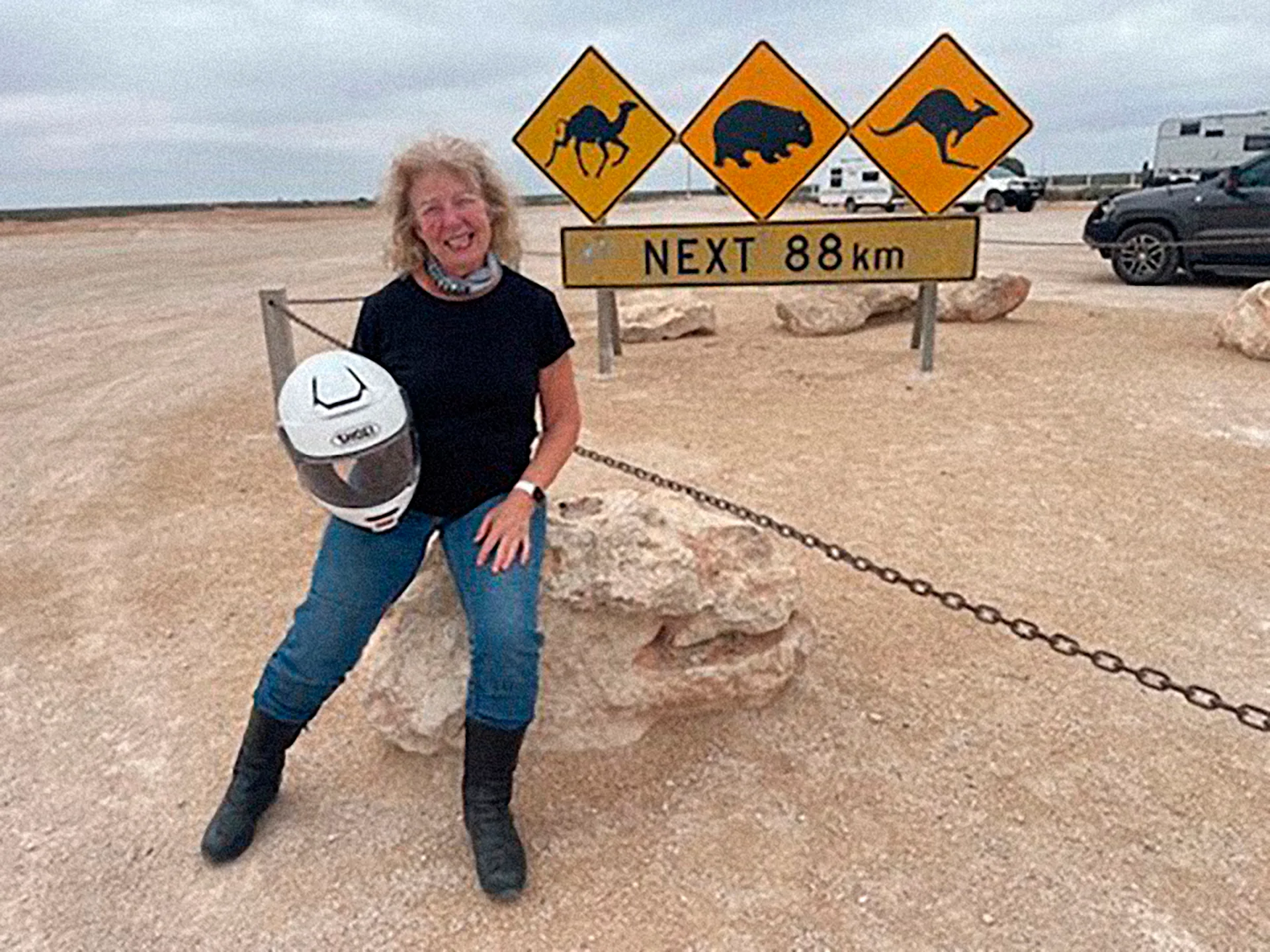
Neysa did recover, and after such a close brush with mortality, she retired from work. Determined to live every moment, she learned to ride a motorbike and went with her sister on long rides across Australia. “I thought, ‘This is living’,” she remembers. They went skiing in the USA and Canada, and travelled across Europe as well.
“Then I got back and thought, now what? It had taken me ages to stop feeling guilty about reading a book,” she says with a musical laugh. “But I realised I needed something more purposeful to do. I thought, I’ve got 20 years ahead of me, and it would be total disrespect to the value of my life to not do something with it. I began
to think about my values. What did I value? What would make me happy? How would I like to invest that time?”
And gradually the idea of nursing began to play on her mind.
During those three months in hospital, Neysa says, “There were some amazing nurses. One or two of them were literally my life rafts. They caught me when I fell – mentally and physically. They saved me. And their voices were in my ear. When I was in a resuscitation crisis, there was one nurse in particular whose voice was in my ear, and it grounded me.”
During the pandemic, Neysa worked in home care. “I did it for a year and absolutely loved it,” she says. “Some of the people I cared for were in wheelchairs, some had had strokes, some had dementia. I loved the challenge of giving them a sense of quality of life. One lady was living with severe dementia, and one day I said, ‘Christmas
is coming, let’s clean the silverware.’
We sat and polished and touched things that were her past. She’d tell me stories. She became so animated… “I saw my role as bringing life to these people – respecting the life they had and trying to tap into that.”
Neysa realised that her nursing qualifications were too old to allow her to practise. She would need to begin her training again. She found a Master’s-level course at the University of Adelaide for people who already had degrees in other disciplines, and she was accepted. Neysa packed up her life and moved west. At first she felt out of place in lecture halls packed with rowdy students in their twenties, but it wasn’t long before she’d become “part of the gang”, chatting in the corridors and invited to drinks after class.
With her final exams under her belt, Neysa was accepted into a one-year graduate program at the Alice Springs Hospital. “One of the reasons I elected to go to Alice,” she explains, “was that there’s a lot in the university course around culturally-centralised care and the challenges in Indigenous health… I felt I needed to form threads of connection beyond the textbook theoretical – to learn from lived experience – and I learnt far more than I expected. I was exposed to people trying to maintain culture and live in both worlds, and the struggle is real… It was a very rich education, though not deep enough by any means.”
Neysa’s fellow nurses also inspired her. “Some of the most passionate, caring people from all over the world are nursing out there. They’re all working together and delivering incredible quality of care – just rich, and from the heart.”
Back in Adelaide, Neysa moved into Intensive Care nursing. She relishes the challenge. “I find every single day there’s something new to learn,” she says. And she appreciates the opportunity to incorporate her life experience as a 72-year-old woman into her work.
“There’s the complex nursing side of the role,” she explains, “and then there’s the humanity side – the opportunity to make people feel safe and seen. I was in Intensive Care three or four times during my own health journey, and it’s scary, and you feel very vulnerable, and you’re not sure whether you’ll get out of there. So when someone
offers to wash you, clean your teeth, give you some ice chips because your mouth is so dry, or tells you what the weather is like, it makes you feel human again.”
Neysa believes that mature women are an unfathomed national resource. Particularly in caring and nursing, they can bring immense skill, wisdom, life experience and empathy, yet they’re too often overlooked for professional roles.
“Older women have traditionally been the mothers, carers and the nurturers in the family,” she explains, “and therefore have these skills to read the fundamentals of care that are core and foundational to nursing. “I feel like my maturity gives me a level of communication where I can build rapport rapidly, and connect with patients and make them feel safe, seen and understood. Having that connection has enabled me to pick up when a person’s not going so well. I might think, I can’t put my finger
on it, but they’re not okay. I’m able to step in and say, ‘I think we need to watch this person a bit more closely’. The doctors and the other nurses are really good about listening to that.”
As Australia’s population ages, we need more doctors, nurses and carers. “And we actually have this pool of experienced people,” Neysa insists, “older women who for one reason or another have left the workforce and not been able to get back into the roles they once had.”
She would love to see more pathways through which women like her could return to the workforce.
“Older women don’t want to be on JobSeeker looking for jobs they’ll get turned down for. They want to have a sense that their work has purpose,” she explains finally.
“That’s what I want. I want to know, when I finish my day, that it mattered – that I touched somebody’s life.”
This feature originally appeared in the August 2025 issue. Subscribe so you never miss an issue.

