




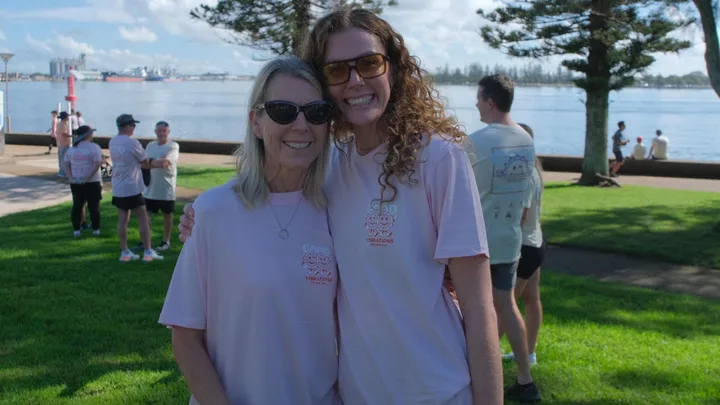
When Steph returned home after a month overseas, she knew immediately something wasn’t right with her mum, Li.
“Her facial expressions and just her mannerisms and her confidence… we just could see straight away,” Steph tells The Weekly. “She didn’t have the confidence to drive or to speak up.”
Just weeks earlier, Li had been the “life of the party” – outgoing, social, full of energy. Now, she was gripped by anxiety and reluctant to leave the house.
But it would take months – and appointment after appointment – before they understood what was happening.
“I walked up and down the hallway and I turned and [the neurologist] said, basically, you’ve got Parkinson’s,” Li recalls. “It was an out-of-body experience.”
Not just an “older man’s disease”
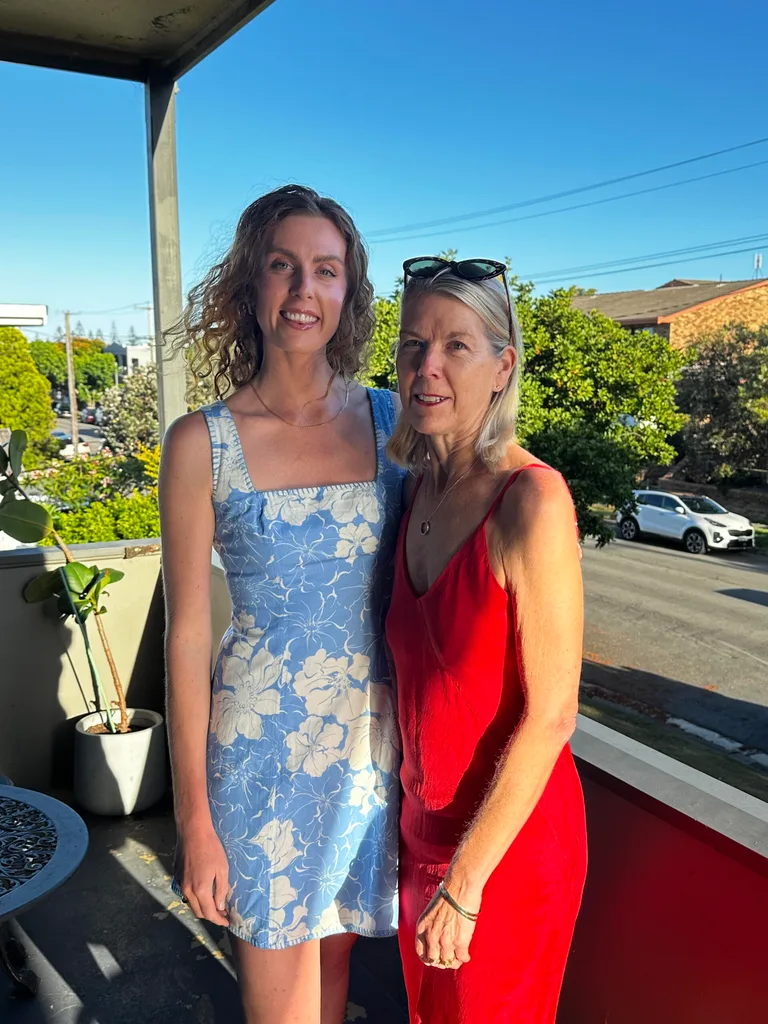
Parkinson’s disease is the fastest-growing neurological disorder in the world, with more than 10 million people affected globally, according to the World Health Organisation. In Australia, over 150,000 people are living with the condition, with around 50 diagnosed every day.
It’s 1.5 times more common in men – which explains why many women don’t recognise the signs, and why it wasn’t initially suspected in Li’s case.
At 54, Parkinson’s never crossed Li’s mind.
“I was in denial,” she says. “I thought, no, that’s not right. It can’t be right.”
Like many people, Steph had a very specific image of the disease.
“You think of an older male with tremors,” she says. “Mum was young, fit, female and had no tremors.”
“We were so uneducated in all of the symptoms Parkinson’s can have,” she adds. “Seeing someone like Mum… it just didn’t make sense.”


The symptom many people miss
What made Li’s diagnosis even harder to recognise was that her earliest symptoms weren’t physical.
There were no tremors. No “obvious” Parkinson’s signs.
Instead, it began with something far less expected: anxiety.
Anxiety and depression aren’t just a response to a diagnosis – they can be early symptoms of Parkinson’s itself, caused by changes in the brain chemistry.
Li had never experienced anxiety before.
“When it happened, I didn’t know what it was,” she says.
Steph remembers how unfamiliar it all felt.
“Mum had to describe her feelings to us so we could tell her, that is anxiety, that is depression,” she says. “It was so unknown to her.”
For Li, the experience was overwhelming.
“You just feel so isolated,” she says. “People think they know and give advice, but no one really knows.”
Learning to live with the unknown
In the years since Li’s diagnosis, one of the hardest things has been living with the uncertainty – and grieving the life she once imagined.
“You think, what’s going to happen tomorrow?” Li, now 58, says. “Am I going to get up and not be able to walk?”
“You just don’t know what’s around the corner.”
Steph found that sense of helplessness confronting too.
“There’s not really much you can do,” she says. “We felt a bit at a loss.”
So she decided to channel that feeling into something positive to focus on.

Bringing people together
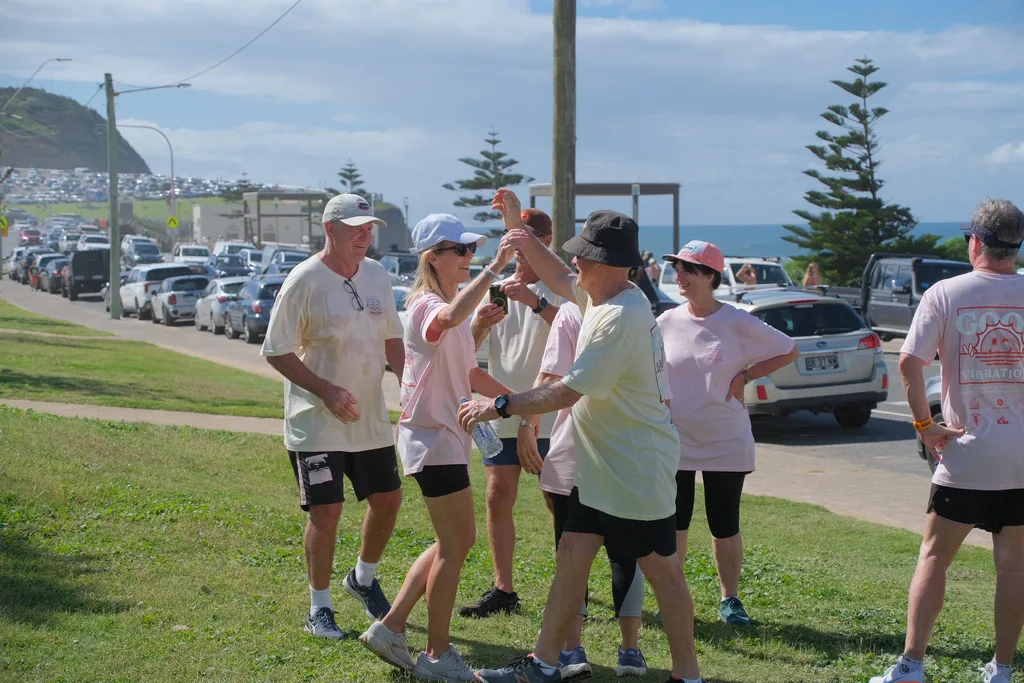
What began as a way to help her mum rebuild confidence has grown into the “Good Vibrations” Walk – now in its third year – raising funds for Parkinson’s research through Shake It Up Australia Foundation.
“I wanted something that she had to get out of the house for,” Steph says. “Something she had to train for… to show her that life isn’t over and that we can keep going.”
Originally planned as a one-off, the event turned into something bigger – not just a fundraiser, but a way to raise awareness of the lesser-known symptoms of Parkinson’s.
“It was a way of telling friends and family that mum had Parkinson’s,” Steph says. “And now it’s become about education.”
For Li, it’s brought a sense of connection in what can often be a lonely experience.
“All my friends, none of my family have got it,” she says. “I just thought, why me?”
Now, surrounded by community, things feel a little different.
“The fun run is great. It gets everyone together,” she says. “Even people we don’t know just join in, which is amazing.”
“Just live each day as it comes”
Four years on, Li says she is learning to live with the uncertainty.
“You have good days and bad days,” she says. “But I just get on with life.”
And if there’s one thing she hopes others take from her story, it’s this: “Just live each day as it comes.”
This April (Parkinson’s Awareness Month) Steph and Li are hitting the ‘Pavement for Parkinson’s’. You can register your own creative ‘P’-themed fundraiser or donate directly via shakeitup.org.au/PAM

