




 Channel 10
Progressive, incurable and life-limiting, motor neurone disease (MND) is one of our cruellest neurological illnesses. Affecting the nerve cells that control movement, it gradually robs people of their ability to walk, speak, swallow and, eventually, breathe.
In Australia, two people are diagnosed with MND every day – and two die from it – a stark reality that has driven decades of urgent advocacy, fundraising and research.
This week, that reality was felt across the country with the death of Neale Daniher AO, the former Essendon AFL player and coach who became Australia’s most powerful voice in the fight against MND.
“Neale’s fight was never his alone,” his family said in a statement following his passing. “It became something bigger – something shared – and it touched the lives of many.”
“His wish was simple but powerful – to help create a world where no one has to face this disease.”
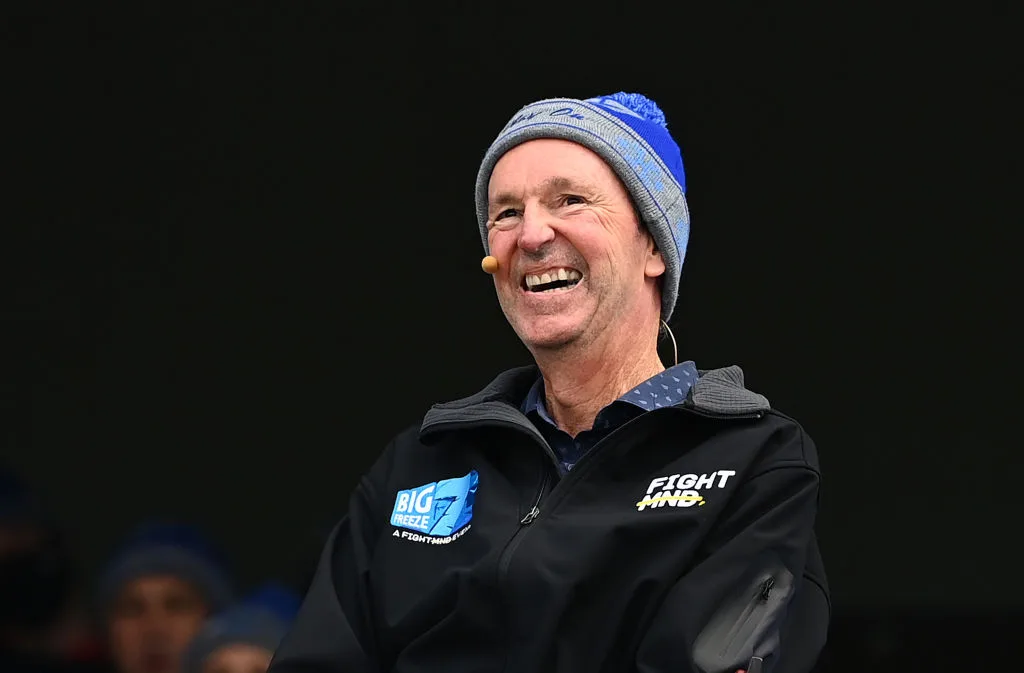
Neale, who was diagnosed in 2013, dedicated the years after his diagnosis to raising awareness and funding for research through FightMND, the charity he helped establish. Its Big Freeze campaign has become one of the country’s most recognisable fundraisers, helping raise more than $100 million for MND research and care.
Named the 2025 Australian of the Year, his advocacy helped push MND research further into the national spotlight. In January, the Federal Government announced $40.1 million to establish the Neale Daniher National MND Clinical Network, designed to expand access to clinical trials, improve care and accelerate research for people living with MND across Australia. At the time, Neale described the funding as a step toward “turning hope into action” for future generations affected by the disease.
For many families touched by MND, the news has also stirred up grief of their own. Former MasterChef Australia contestant Steph De Souza, whose sister Therese died from MND in 2022, shared on Instagram that she was “feeling very flat today”.
“There’s a lot of MND talk at the moment and it brings memories back, makes me think about my sister a lot and how much I miss her,” she said.
Steph has previously spoken to The Weekly about Therese, describing her sister as her “guardian angel”.
“Therese makes me brave,” she said. “Every day, she inspires me to live my life to the full. If ever I am uncertain about taking on a new challenge or doing something a little left of centre, I ask myself if the thing stopping me is fear. If the answer is yes, then I jump in headfirst.”


Steph had recently decided to become an ambassador for MND Australia, making Neale’s death feel especially close to home.
What is motor neurone disease?
Motor neurone disease is a progressive neurological condition that damages the nerve cells (motor neurones) responsible for sending messages from the brain and spinal cord to voluntary muscles.
As these neurones die, muscles weaken, leading to difficulties with movement, speaking, swallowing and eventually breathing. It is progressive and, at present, has no cure. Symptoms and progression vary between individuals, but most people experience increasing loss of mobility and function over time.
What are the signs and symptoms?
Early symptoms of MND can be subtle and vary widely, but commonly include:
- Muscle weakness, cramping and twitching
- Clumsiness or tripping
- Slurred speech or difficulty swallowing
- Fatigue and muscle wasting
- Emotional and behavioural changes in some people
Diagnosis can be challenging because there is no single definitive test; it often involves ruling out other conditions with neurological exams, imaging and nerve studies.

Is there a cure or treatment?
Currently, there is no known cure for MND. Treatment focuses on managing symptoms, supporting quality of life and maintaining independence for as long as possible.
One medicine, Riluzole, is approved to slow the progression of some forms of MND and is available on the Pharmaceutical Benefits Scheme. Other therapies –including multidisciplinary care teams, mobility aids and communication support – are also critical parts of managing the condition.
Clinical trials offer access to emerging treatments and play a vital role in expanding the understanding of MND and uncovering potential new therapies.
The new network aims to build on FightMND’s existing work, which has already helped fund 17 clinical trials involving more than 700 people with MND across Australia.


