




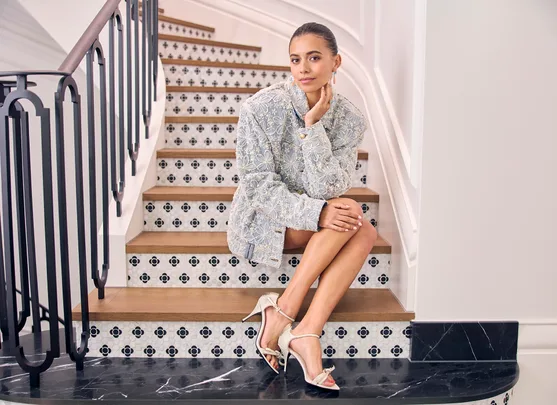
When Miah Madden talks about acting, she doesn’t describe it as a career choice. It feels more like a current she stepped into, something already flowing through her long before the proud Gadigal and Bundjalung actress could name it.
“I did The Sapphires when I was 9 years old, and I did my first gig when I was 8,” she says as we speak on the day of The Weekly’s Leading Ladies photoshoot with fellow rising screen stars Yerin Ha, Mia Morrissey, Sophia Wright Mendelsohn and Philippa Northeast. “I was just saying to girls before, I don’t really remember life before acting.”
There was no grand childhood declaration, no carefully plotted five-year plan. “Having that desire for what I want to do for work wasn’t really at the forefront of my mind back then,” she explains. Instead, opportunity arrived early, and she recognised something in it immediately. “It sort of just fell into my hands, this opportunity to do The Sapphires. And from there, I knew. I was like, this is something that I really, really gravitate towards.”
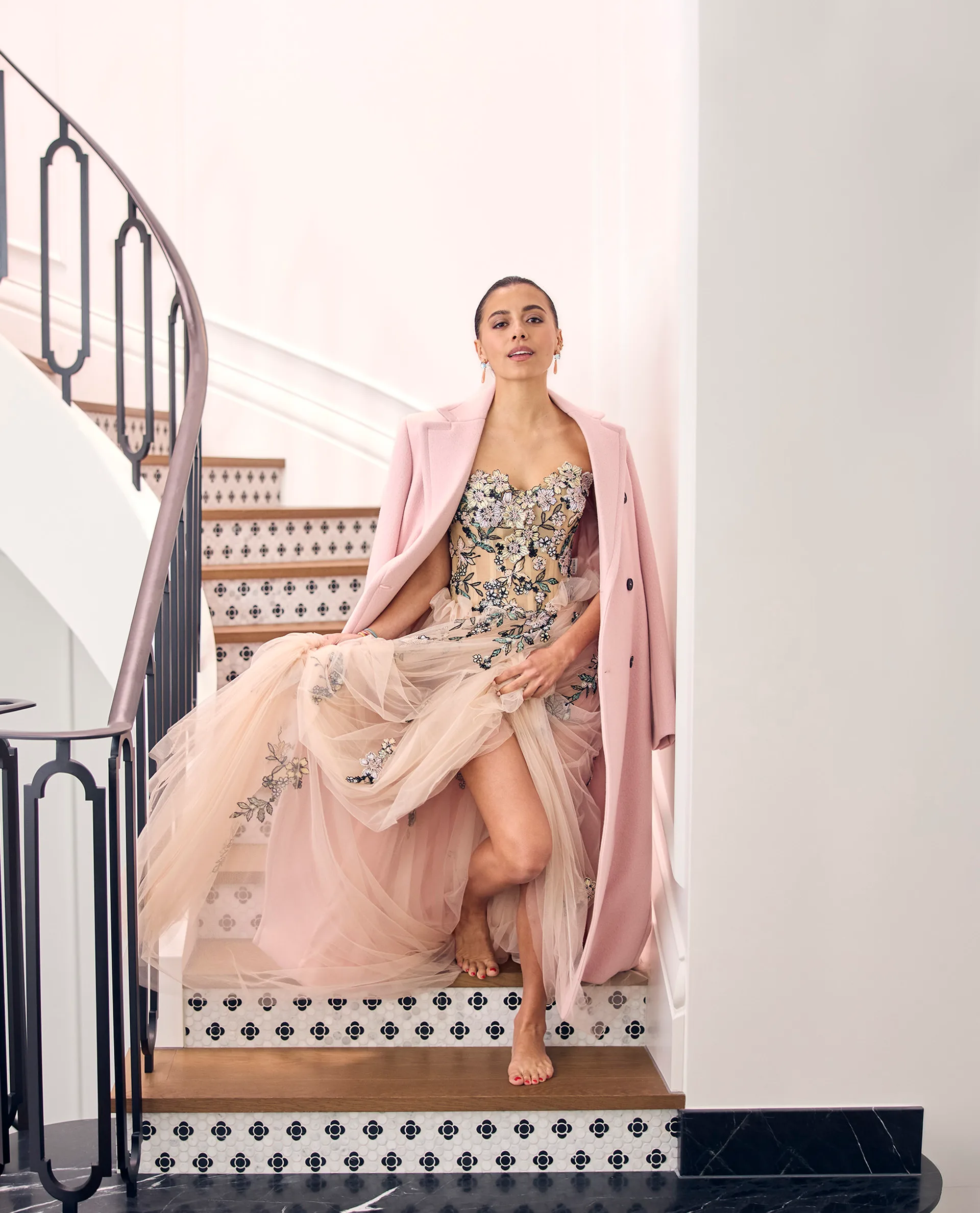
Her debut in The Sapphires placed her in a room filled with established Indigenous creatives, including Deborah Mailman and Jessica Mauboy, at an age when most children are still navigating primary school playground politics. For Miah, it didn’t feel like entering a workplace. It felt like entering a living archive.
“It was incredible having those people that I already looked up to be role models for me in that space,” she shares. “I’ve always been somebody who has just always wanted to sit down with older people and hear the wisdom and just absorb everything that I can. So I really gravitated towards working on set when I was young.”
That first set would shape her far beyond technique. “It was the first time I was surrounded by other incredible Indigenous creatives, and I felt like my presence was so valued,” she reflects. “And I think that gave me a lot of self-worth at a young age to be like, okay, I can walk into a room and I can tell my story about what I’ve gone through in my early life and what my grandparents have gone through.”
For Miah, storytelling is inseparable from legacy. As a proud Indigenous woman, she speaks about the “intergenerational connected story that us as Indigenous people have” — a lineage of experience that informs how she approaches every role. The confidence she found on that early set has followed her ever since.
Her sister, Madeleine Madden, is also an accomplished actor in her own right. The daughter of community activist Lee Madden and famed art curator Hetti Perkins, Madeleine has appeared in high-profile projects, including Amazon Prime’s The Wheel of Time, Picnic at Hanging Rock, and Redfern Now. In 2019, she made her big Hollywood debut in the Nickelodeon film Dora and the Lost City of Gold.
Having her family in the same industry is a huge comfort to her, even if they have only worked together once in 15 years.
“It’s so great knowing that anything I’m going through or anything that I’m struggling with, she has most likely had to go through as well,” Miah shares. “She’s just a really incredible support person to have and to just like flesh out, okay, have you worked with this person, or what’s the vibe of this production company, or what can I expect meeting this casting director? Things that you might think about asking somebody else, but with your sister, you can just talk candidly and be honest.”
“And I think as women in the industry, it’s really important to have that person and the fact that we have each other, it just feels really safe. So it’s great.”
Growing up in the industry, however, came with its own challenges. Transitioning from child actor to adult performer can be notoriously difficult. Miah acknowledges the shift.
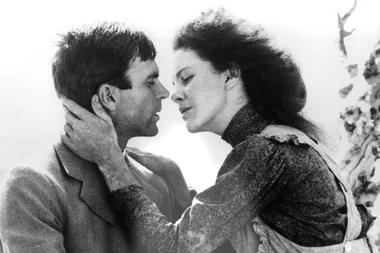
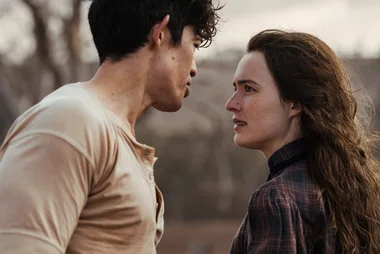
“I took work so seriously because it was really something that I clung onto,” she says. “I could kind of understand that it was a really special space and it was a privilege to be there, and I didn’t want that to go away.”
Even as a teenager, she was intent on professionalism. “I was probably quite hard on myself for wanting to be professional and not do irrational things.” She laughs lightly at the memory, but there’s steel in the admission. Being “very type A,” she says, meant she often had her “whole life planned before I could really, you know, understand the way of the world.”
Still, she learned that adulthood on set required something else too: life experience. “Making time for me, Miah, to go and live life. Time for me to go and be a fully fledged human being that has gone and had experiences and things… I think that’s been the biggest thing.”
As her career evolved, so did the scale of her roles. In Paper Dolls, she stepped into one of her most demanding characters yet. “Singing, acting, dancing,” she lists. “The acting storyline was, you know, really intense with that character and the singing. I’m not a singer, and then the dancing… like we were doing rehearsals a lot of time.”
It was exhilarating, but exhausting. “It was the perfect job to do at that time of my life,” she says. “And I’m proud of myself for going into that. But it was definitely the biggest challenge that I’ve had to juggle.”
Beyond the choreography and vocal coaching, there was also responsibility. The series, set in the 1990s music industry, explores the treatment of women in that era. “It was a different time for women in the music industry back then,” Miah says. “And unfortunately, it’s not that different now, and it should be.”
While she thrives in dramatic roles, Miah’s career holds a beloved chapter. She was the youngest-ever presenter on Play School at just 19.
“I actually love it,” she says brightly. “I loved Play School. So going into that, I was like, my God, this is like perfect.”
Children’s television offers a different rhythm, lighter, but no less meaningful. “They also tackle really important themes,” she notes. “Like we just did an episode on like allyship and what it means to be a good friend to people who have all different types of needs.”
Though creatively she leans toward drama, her broader passions align closely with education and advocacy. “I study law, I’m super passionate about closing the gap, and I think that education is the most crucial thing that we need to focus on for the next generation,” she says. “It is awareness, and it is health, and it is safety, and it all comes from the education access that you have.”
For Miah, film itself is a tool of education. “Somebody who might not care about Indigenous perspectives might turn on the TV and might just watch this show or film, and suddenly they walk away with a different perspective that they had before,” she explains. “I think it is a really sort of great minor way of bridging an education gap and developing compassion and empathy.”
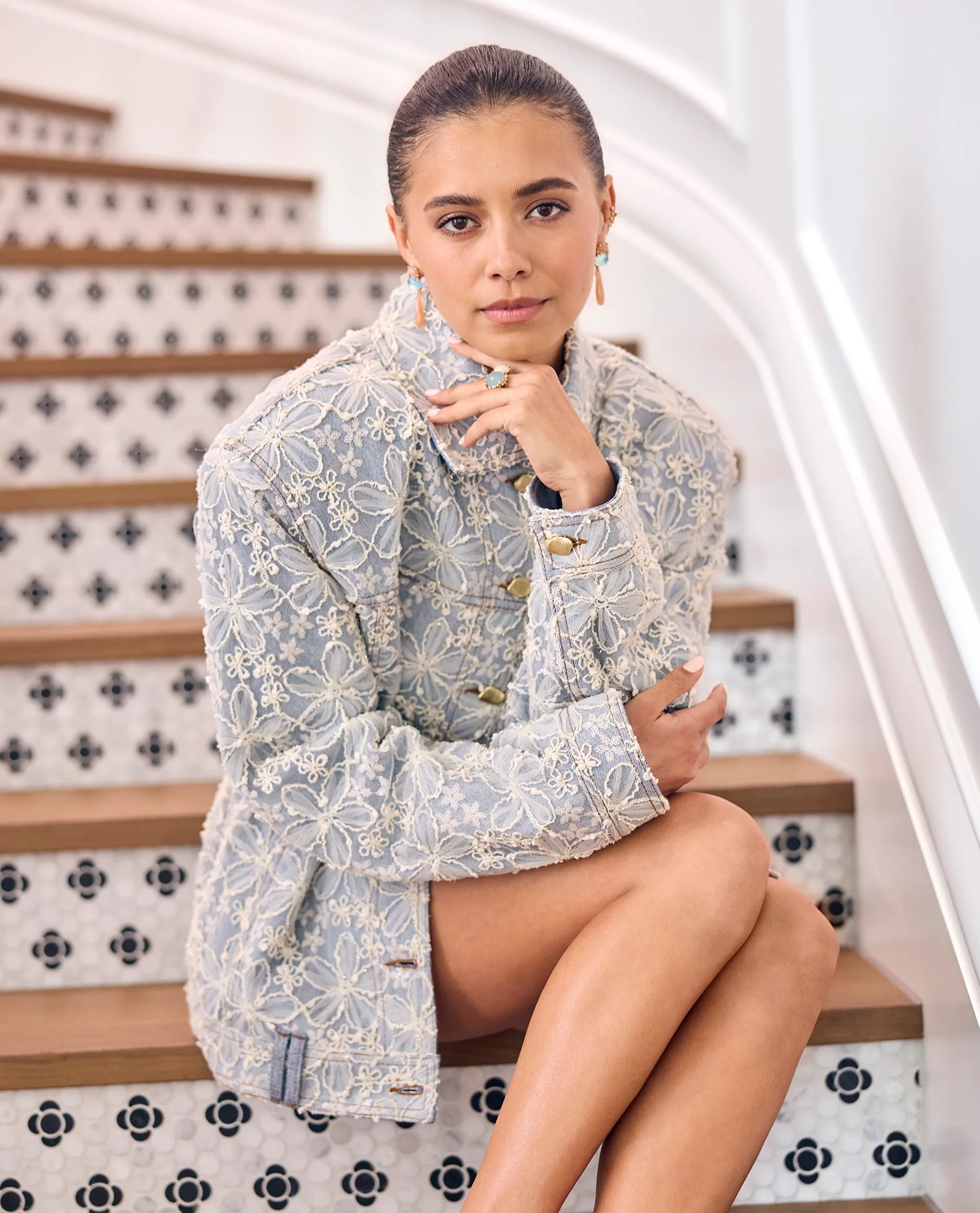
Representation, she insists, must be handled with care. “If it’s a bunch of non-Indigenous people writing a story about only Indigenous people, then we need to figure out what we’re doing,” she says plainly. Authenticity begins behind the scenes.
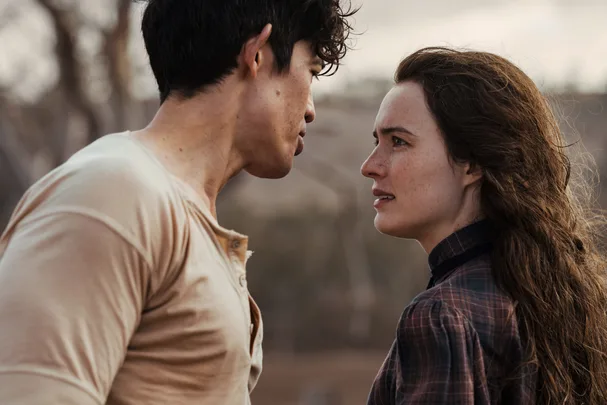
That sense of responsibility extends into projects like Netflix’s upcoming My Brilliant Career, where she was part of a reimagining that integrates Indigenous perspectives into a classic 1890s story. “There were Indigenous people, very much so,” she says. “And they always were there.” Bringing those voices into historical narratives, she felt, was a “great liberty.”
Off set, Miah returns to grounding rituals that tether her to family and Country. “I spend a lot of time with my elders, with community, on country, that keeps me present,” she says.
One of her favourite places is Bundjalung Country in the Northern Rivers, where her grandmother was raised.
“Being up there really makes time feel like it’s paused.”
There, she turns her phone off, she reads, she practises yoga, and she even knits. “I’m like 80 years old,” she jokes. “I knit, play chess, do the crossword, and read a book.”
But perhaps it’s that very stillness that fuels her forward motion.
If she could offer advice to her younger self, it would be simple. “To be more present in spaces where you’re always worried about the next job,” she says. “If you just sit there and you just enjoy the job that you’re on for that time.”
In an industry built on what’s next, Miah Madden is choosing to anchor herself in what’s now, in legacy, in community, in story. And as part of this new generation of Leading Ladies, she isn’t just inheriting Australia’s screen history. She’s helping to write its future.
An excerpt of this interview originally appeared in the March 2026 issue of The Australian Women’s Weekly. Subscribe so you never miss an issue.
Check out the rest of our leading ladies: Mia Morrissey, Philippa Northeast, Sophie Wright Mendelsohn, and Yerin Ha.


Share this post