




At a glance
- The Brett Whiteley Studio has reopened after a tw- year renovation with a new exhibition titled Coming Home.
- The exhibition takes in his years in Fiji alongside then-wife Wendy Whiteley and their daughter, Arkie, in addition to their return to Sydney.
- Wendy Whiteley continues to be the keeper of Brett’s legacy, including talking about the new exhibition on an episode of The Australian Women’s Weekly Love Stories podcast.
At an artist’s studio in Surry Hills, there’s a wicker chair no one is allowed to sit in. It belonged to a man who died in 1992.
The paint splatters on the floor surrounding it were carefully sealed under a waterproof membrane during a recent two-year renovation — so that when the doors reopened this year, it would look as vibrant as when he was last there.
But the woman who made sure of that isn’t the artist. She is his ex-wife.
Wendy Whiteley is the woman who was the love of Brett Whiteley’s life as well as his muse.
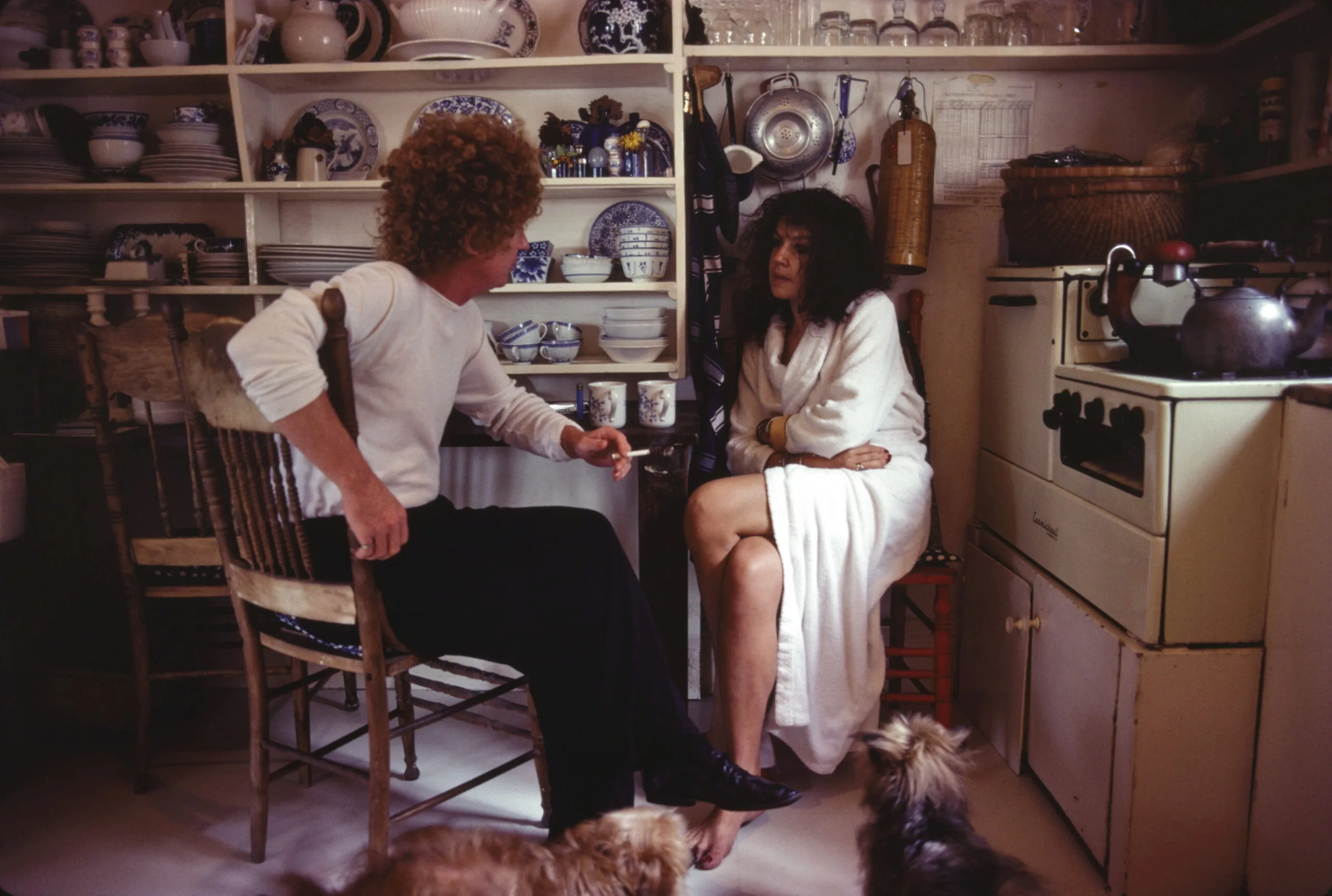
She raised their daughter, Arkie Whiteley. She nursed her grief for Brett when he passed away and again nine years later when Arkie Whiteley lost her short battle with cancer. With her own hands, she created a garden in which she honours them both. And now, 30 years after their marriage ended and more than three decades after his death, she joined me for an episode of The Australian Women’s Weekly Love Stories to talk about why she still considers herself the keeper of his spirit.
Listen to the episode:
What is showing at the Brett Whiteley studio?
Wendy is also celebrating a new milestone for the Brett Whiteley Studio. They reopened last month after those aforementioned renovations with a brand new exhibition titled Coming Home.
“The previous exhibition had been the ’60s, so it had been London and New York and before that Italy,” Wendy told me. “They said, ‘Oh we’ll do the ’70s next. Then we started looking at the ’70s and how prolific Brett had been… I just said, ‘No. We can’t possibly do it service by trying to cram everything into the one space.'”
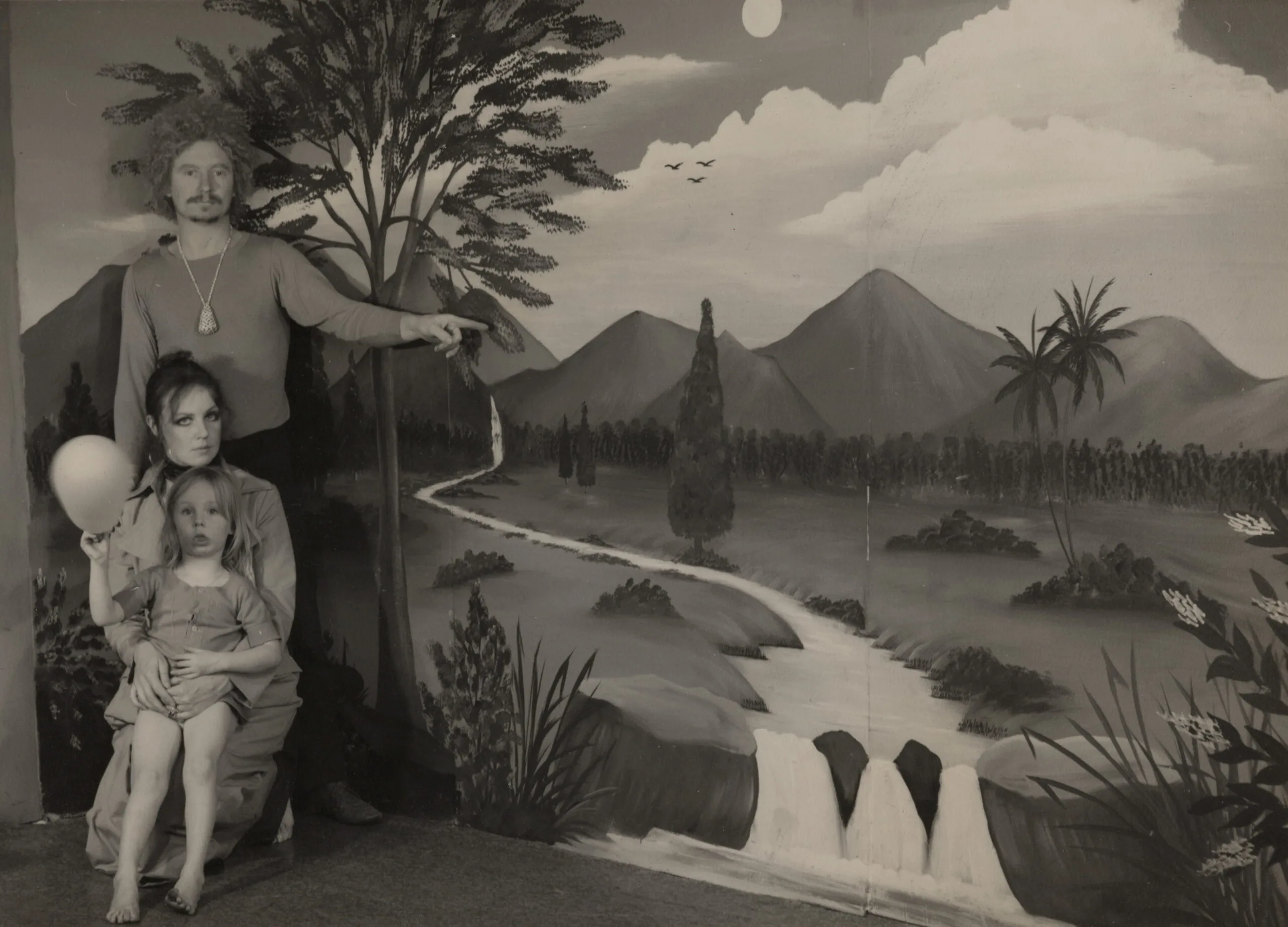
Instead, they chose Coming Home which included their years in Fiji (“which we hadn’t actually done before and which we don’t have very mcuh left of,” Wendy said) as well as their return to Sydney.
Keeping everything as he left it in the studio was intentional. “And it’s increasingly becoming something that successful artists are doing for themselves, actually,” Wendy added.
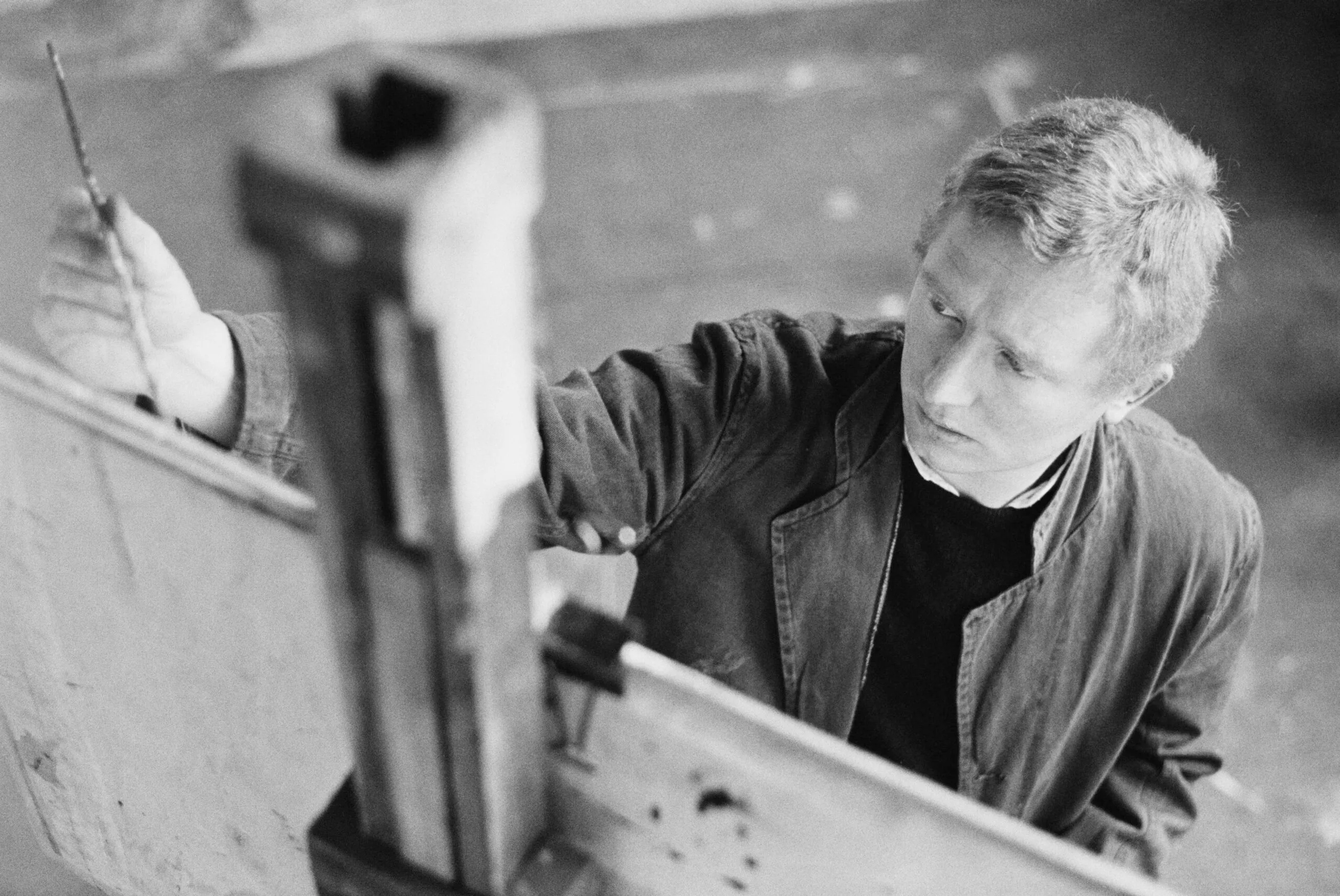
Artists quite often go in and out of fashion. Brett Whiteley, however, remains a fascinating character over three decades since he last put a brush to canvas.
“That’s because he’s so good,” Wendy said of his longevity. “He’s a fascinating character, but none of it would be interesting to anybody if he wasn’t the artist he was, the painter he was.
“His judgement about where to put stuff on a canvas is acute and unique and very much Brett Whiteley, and people love it or hate it. I don’t think very many people are indifferent.”
Keeping Brett’s work alive
That is true of Wendy herself, of course.
As the woman who has kept his legacy alive for all this time I asked, does this still feel like love to her? Or is it something else entirely?
“It feels like real love,” she said firmly. “Real love, admiration. And when I say real love, I mean, that’s balanced by a lot of things. There’s good hair days and bad hair days in the love exercise, you know. You can love somebody intensely. You can also hate them intensely. And I’m a very firm believer in exactly that situation. In duality. And I think Brett certainly was interested in duality. That you can’t, you don’t, feel intense love without the capacity to feel also intense hatred. And you have to know how to deal with those things.”
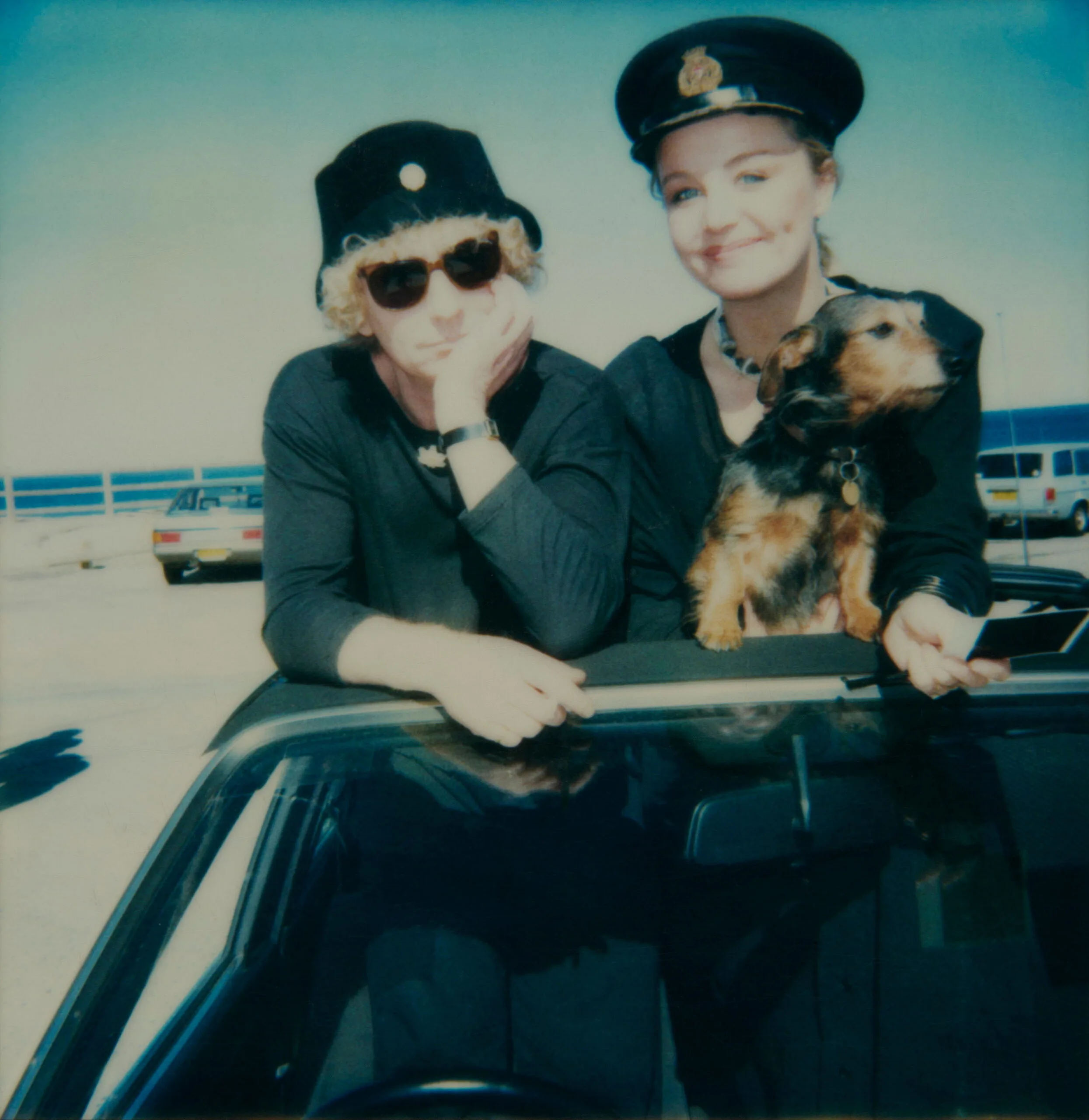
Brett, she told me, would no doubt be “very pleased” at the state of his legacy today and of the care she has taken to honour his work.
“I view it as a job,” she said. “But of course, I wouldn’t be doing it without the love and respect for his work. And memories and, you know, as the father of my beautiful daughter. I mean, the whole complexity of a relationship, which, you know, fell apart at the end. But the connection was very close and very important and just very, very sad it’s not still there.”
The Australian Women’s Weekly Love Stories podcast is brought to you by Vixin Skincare and Wounded Heroes. Find out more information here.

