





When the first signs of ageing appear, they often arrive quietly. A softening along the jawline. A heaviness through the eyelids. A neck that suddenly seems to sag more than it used to.
For many of us, the instinct is to reach for a new cream or serum or book an in-clinic treatment. But facial massage is increasingly being embraced as a more holistic, physiology-based approach to supporting mature skin.
Advocates say it works not on the surface alone, but beneath it – where many visible changes actually begin.
What is facial massage?
At its core, facial massage involves using the hands (and sometimes tools) to release tension in the muscles of the face, stimulate circulation and encourage lymphatic drainage.
But according to face wellness expert Olga Newman, founder of the Face Up Method, the real shift happens when you understand what is occurring under the skin.

“Wrinkles and sagging are not created by the skin itself,” Olga explains. “They are formed by what is happening in the muscles beneath the skin. Trying to correct them only from the outside, by working on the skin alone, simply cannot address the real cause.”
The face contains more than 40 small muscles, all interconnected not only with one another but with the neck, scalp, jaw and even posture through the upper back and chest. Over time, repetitive expressions, stress and habitual tension patterns can cause certain muscles to tighten and shorten.
When that happens, circulation becomes restricted. Blood flow slows, oxygen delivery decreases and lymphatic drainage is compromised. The result can be puffiness, dullness and a gradual softening of facial contours.
“In most cases, what the face needs is not more contraction, but relaxation,” Olga says. “By gently releasing tension, we help restore healthy blood flow and lymphatic drainage.”
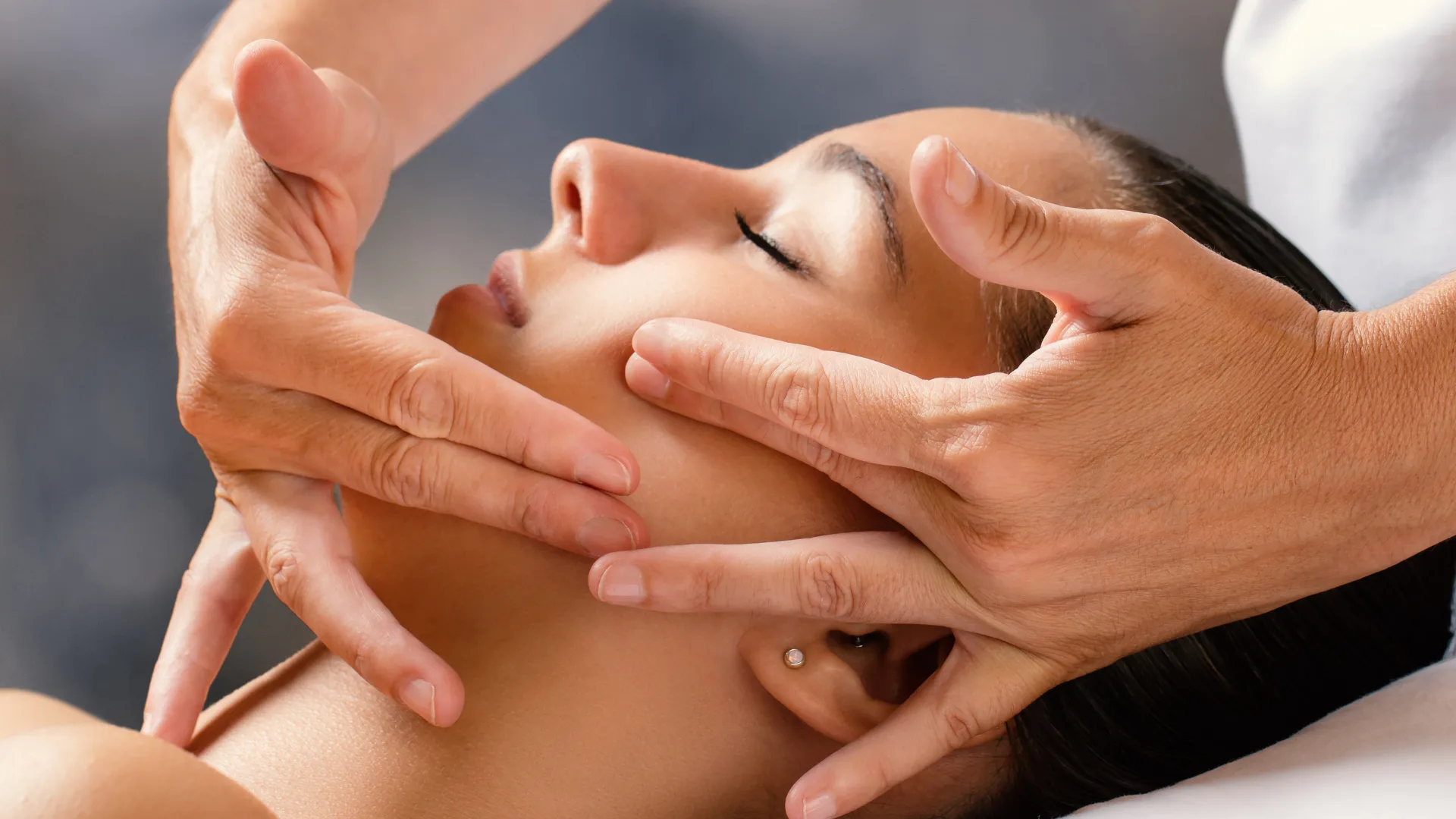
How it works beneath the skin
The eye area, jawline and neck are often the first places women notice change. And there is a reason.
“The eyes, the rounding of the jawline and the neck are usually the first ‘hot spots’ where women begin to notice visible changes,” Olga explains. “But the changes don’t begin on the surface. They begin under the skin.”
The muscle surrounding the eye is thin and highly reactive. It is closely connected to the forehead, jaw and temples. Constant squinting, frowning or clenching can contribute to tightness that eventually alters how the skin sits on top.
Our jawlines, meanwhile, often softens not simply because of age but because of long-standing tension patterns and posture habits. The neck plays a crucial role too.
“The neck tells the truth. Many treatments focus on the face, but the neck often reveals what is really happening. The muscles are thin, delicate and deeply connected to posture and overall body tension. If we ignore the neck, we ignore a key part of the lifting system.”
For this reason, effective facial massage is rarely limited to the face itself. Work on the scalp, base of the skull, upper back and chest can all influence facial lift.
Why skin responds differently as we age
In midlife and beyond, natural changes in circulation, collagen production and tissue regeneration become more noticeable. Skin may appear thinner, less elastic and slower to recover.
Facial massage does not stop ageing – nor should it promise to. But it can support what Olga calls the body’s “natural physiology”.
“Facial massage excels in restoring circulation, improving lymphatic flow, reducing chronic muscle tension, supporting posture and enhancing tissue quality,” she says. “It helps women look healthier and more vibrant, not artificially altered.”
Importantly, she is careful about unrealistic claims. “I never promise that someone will look 20 years younger,” she says. “Most mature women are not asking for that. They want to look healthy. They want to feel confident. They want their face to reflect how alive they feel inside.”
If you’re experiencing puffiness around the eyes, heaviness through the lids or jowling along the lower face, releasing tension in the jaw and neck can make a visible difference over time.
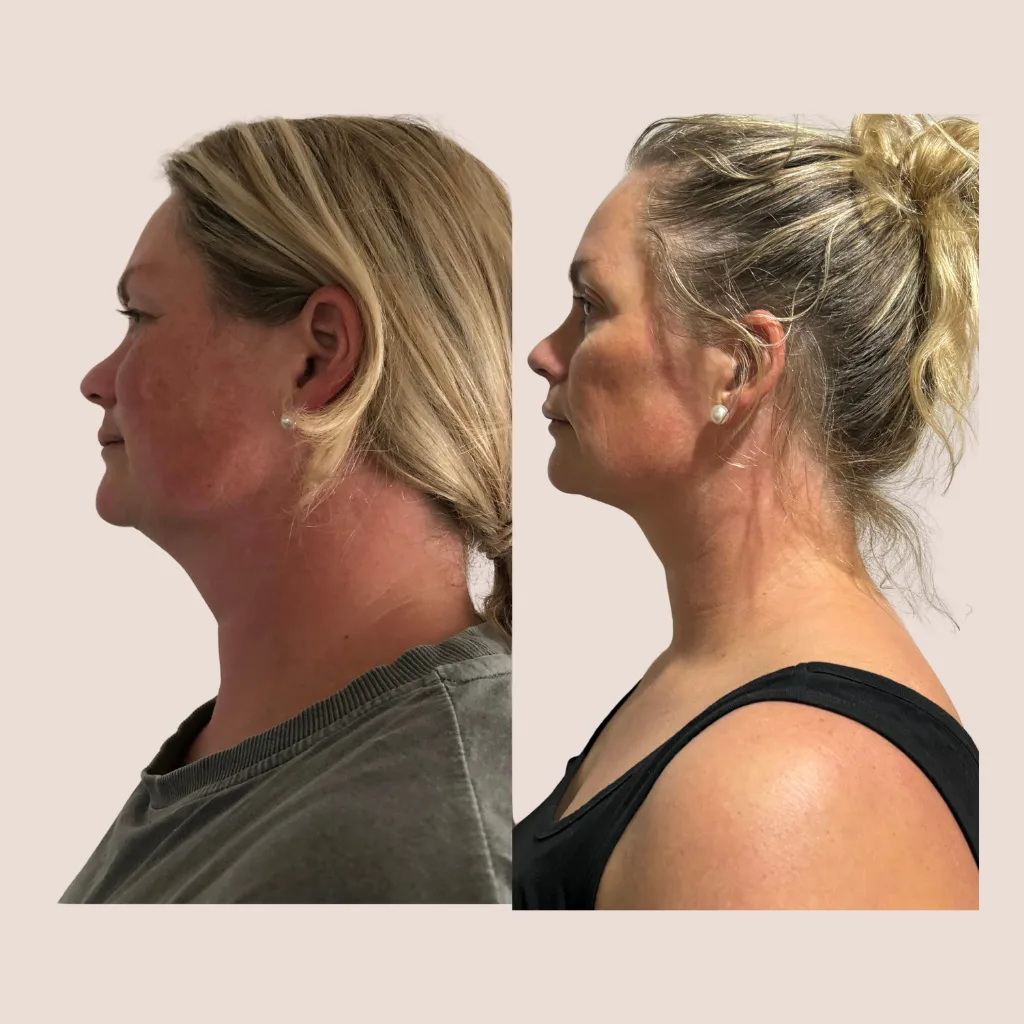
“Women can expect lifted eyebrows, reduced puffiness around the eyes, a sharper jawline, firmer skin and even a visibly longer-looking neck,” Olga says. “But it always depends on age, starting condition, stress levels and long-term habits.”

How long does it take to see results?
Consistency, rather than intensity, is the key.
“When we work with both posture and facial muscles – even for just 10 to 15 minutes a day – the face begins to respond,” Olga says.
Some women report a fresher look within one to two weeks. For others, more structural changes may take one to three months. “On average, around three months is a realistic timeframe for visible structural improvement,” she says.
She cautions against expecting instant transformation from isolated exercises. “The face does not function in isolation. It is deeply connected to posture, body tension and daily habits. Without addressing the full system, results will always be limited.”
Hands or tools?
With the rise of gua sha and facial rollers on social media, you’d think fancy tools are essential.
“One of the most beautiful things about facial massage is that you truly don’t need special tools to begin,” Olga says. “Your hands are your best tool.”
She explains that the hands provide natural feedback, allowing women to feel areas of tightness and adjust pressure accordingly. “In fact, your knuckles are the original gua sha,” she says.
Tools can be a helpful addition, but they are not a substitute for understanding anatomy or technique. And pressure matters.
“Very soft, surface-level touching… will not create lifting,” Olga says. “But lifting is not created through force. It comes from intelligent release.”
Overly aggressive massage can overwhelm the nervous system and increase tension rather than reduce it. “When the body feels safe, the muscles soften. When the muscles soften, circulation improves. And only then can visible changes occur.”
Seeing it as a self-care moment
Beyond aesthetics, facial massage may offer a secondary benefit: calming the nervous system.
“The face is like the entry filter of our life,” Olga says. “All of our stress leaves an imprint there.”
Releasing tension in the face can have a broader effect on how women feel. Many describe looking as though they have returned from a holiday – rested and lighter. Olga refers to this as the “holiday face” effect.
When you’re juggling work, family and everything in between, that sense of restoration can be as valuable as any lifting effect.
“There is also a deeper benefit beyond lifting and sculpting,” she adds. “When women choose even 10 minutes a day for themselves, something shifts psychologically… This simple, regular practice becomes a quiet statement: ‘I matter too.’”
As more women reconsider invasive procedures, facial massage is finding its place within a broader, long-term approach to ageing well.
“I often explain it this way: working with your deeper systems – fascia, muscles, bones, circulation and posture – is your foundation,” Olga says. “If you imagine building a beautiful house, you don’t begin with decoration. You begin with a strong foundation.”
She does not position facial massage as anti-injectables or anti-treatments, but as a different path. “Occasional treatments can absolutely be an enhancement – but they become a choice, not a dependency,” she says.
“Ageing is not something to erase,” Olga says. “It is something to support intelligently.”
How to try facial massage at home
If seeing a professional isn’t possible, facial massage can still be done DIY style. Here’s how.
1. Start with the neck (not the face)
It’s tempting to jump straight to the jawline or eye area, but preparation matters.
“The neck is essential for circulation and drainage – it is the main highway for blood flow and lymphatic movement,” says Olga, who also has an app you can use for guidance.
Begin by applying a small amount of facial oil or balm to create gentle slip (not so much that your hands glide without engaging the tissue).
Using your fingers or knuckles, work slowly down the sides of the neck toward the collarbones with firm but comfortable pressure. Then gently massage the sides and back of the neck to release tension before moving upward to the face.
2. Use enough pressure – but not too much
One of the most common mistakes is being too light.
“If the hands are just gliding over oil or cream, they are not engaging the muscle underneath,” Olga explains.
On the other hand, pressing aggressively can cause irritation or even bruising. The sensation should feel purposeful and warm – never sharp or painful. Think ‘firm and mindful’ rather than forceful.
3. Work from the bottom to the top for lift
To support lifting and sculpting:
- Begin along the collarbones and neck
- Move upward to the jawline
- Then to the cheeks and eye area
- Finish with gentle scalp work if possible
Releasing tension in the jaw can be particularly helpful if you’re concerned about jowls or lower-face heaviness. Use your knuckles along the sides of the jaw, pausing in tender spots and breathing slowly.
4. Always finish with drainage
After lifting-focused work, use lighter strokes to guide fluid downward from the face toward the neck and collarbones. This supports lymphatic drainage and can help reduce puffiness.
5. Keep it short and consistent
Long, intense sessions are not necessary and can be counterproductive.
“What truly works is a sustainable rhythm – around 10–15 minutes per session, about three to five times per week,” Olga says.
Visible changes typically build over one to three months. As with strength training for the body, gradual and consistent effort yields better results than occasional marathons.

