




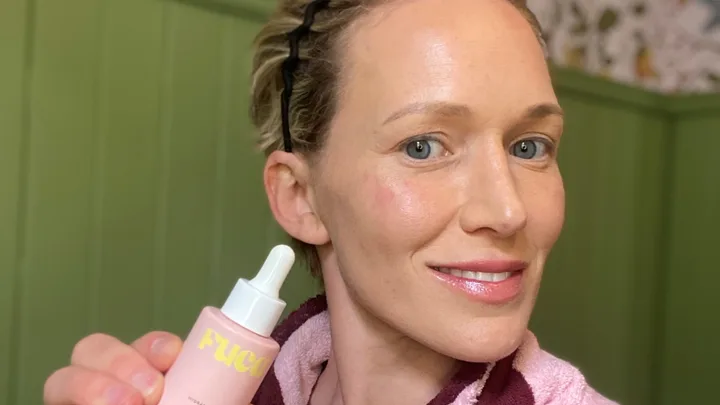
When Jess Armstrong was diagnosed with HER2-positive breast cancer in 2023, her life split into a ‘before’ and an ‘after’. She had a three-year-old, a five-year-old, no family history of cancer and, as she puts it, “it was a real shock, it flips your life upside down.”
Within a week of diagnosis, she began chemotherapy. “Your brain has no time to catch up,” she says. “I ended up doing 18 months of active treatment, which was a lot more than what we initially thought. But that’s the way a cancer journey goes. You’re only as good as your last scan.”
Like many women, she’d braced for the physical and emotional toll of treatment, but one side effect blindsided her: the impact on her skin. “The first round of chemo my skin really affected it,” she says. “Our skin is our biggest organ and it’s living, dynamic. My barrier was deeply compromised.”
For Jess, it wasn’t about vanity – it was about identity and control during a time when everything felt uncertain.
“Your skin is the first thing that shows up. Even when you have a pimple you feel self-conscious, so having that red, irritated, painful skin just added that extra element of: what else is this taking away from me right now?”
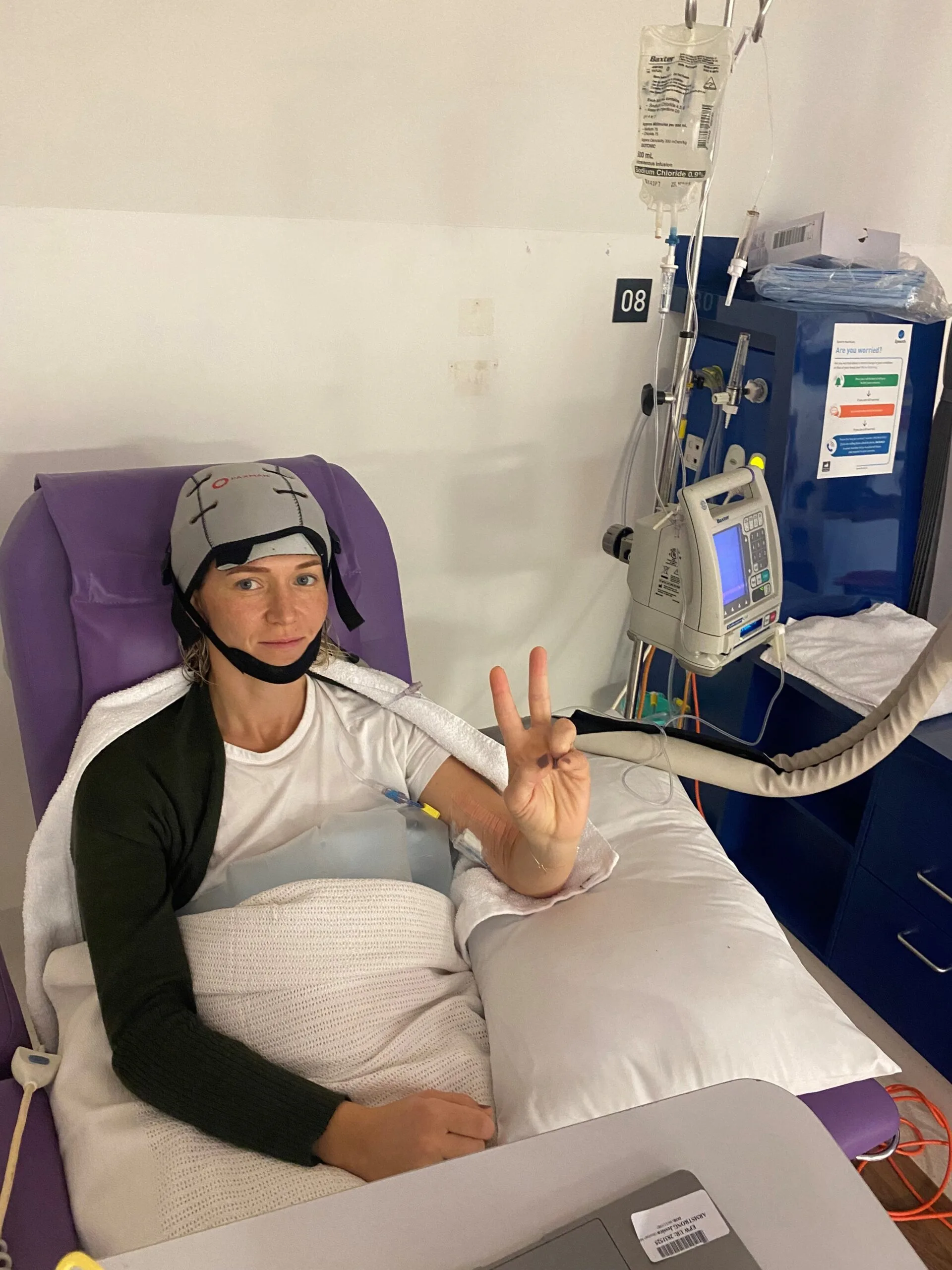
Her nightly routine – once a small but sacred daily ritual – vanished. “Skincare is not about vanity. It’s basic skin health. We have to live in our skin for at least 80 years,” she says. “That routine, that wind-down at night… that was taken away from me. I ended up using nothing, and it probably made it worse.”
When she turned to her medical team for advice, the guidance was minimal. “They’re focused on keeping you alive,” she says. “They don’t really care if your skin’s a bit sore.” The best suggestions she heard? “Maybe a bit of sorbolene or coconut oil,” she says. “I thought there has to be something better.”
What Jess wanted was simple: products that cared for her skin but also protected her confidence – something gentle, effective and beautiful. “You’re in hospital all day. You don’t want to feel like a patient when you’re going about your daily routine,” she says. “You’re already taking all these meds, and then suddenly the products that once made you feel indulgent now make you feel like a patient too.”
So, she went searching but soon found it was a futile exercise.
“I was convinced there had to be a brand out there,” she says. “There was nothing. None of the brands out there made me feel seen. There were no visuals of women going through treatment, nothing specifically formulated for me. It was like the beauty industry was saying ‘go away, come back when you look a bit better.’”
That feeling of frustration became the spark for what would become Fuca.
Drawing on her background in marketing and product development, Jess started sketching out what her dream brand would look like: safe for sensitised, treatment-affected skin, free from harsh ingredients, and, importantly, beautifully designed.
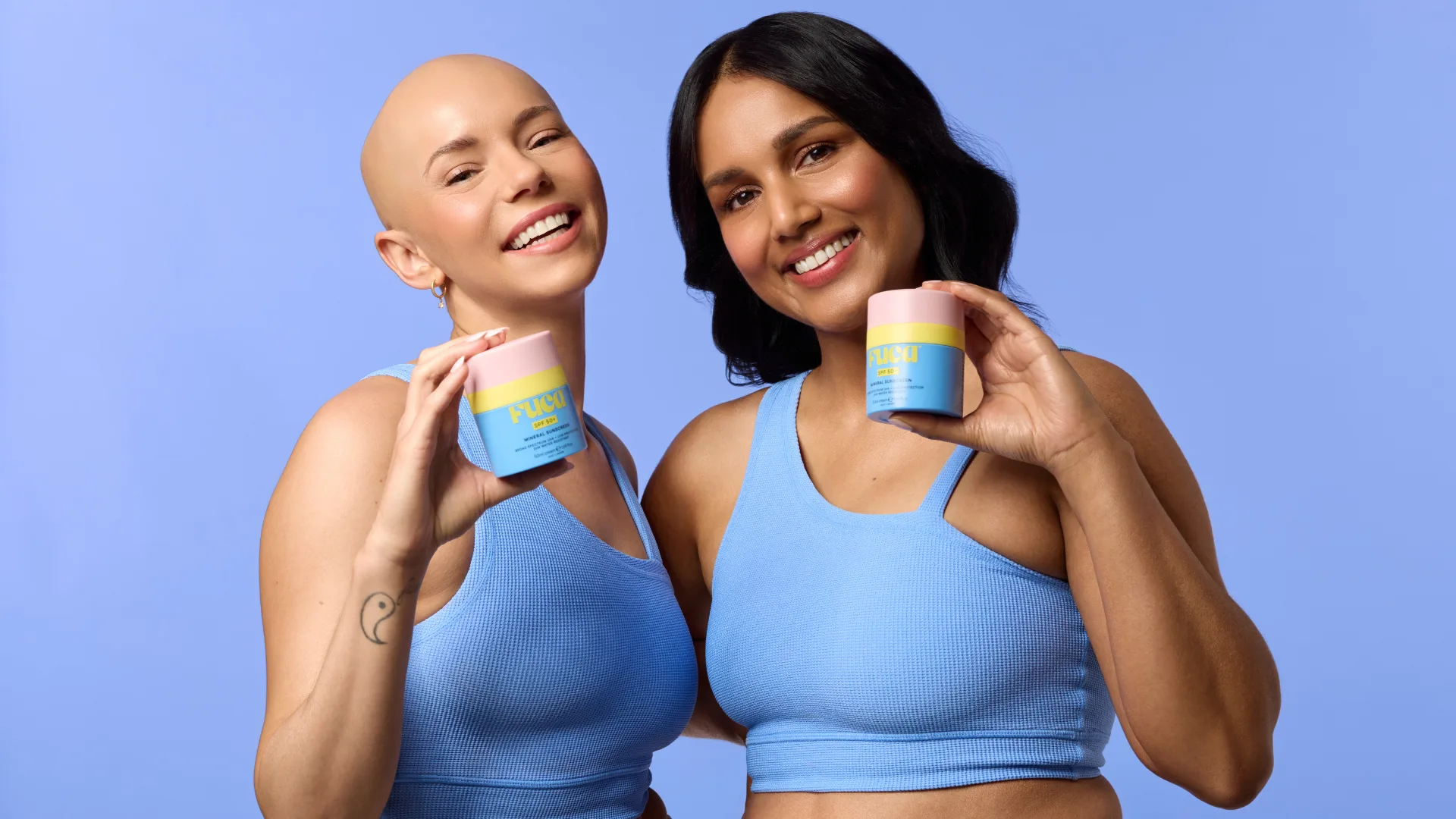
Her first non-negotiable? No fragrance. “Fragrance was the biggest one,” she says. “We’re conditioned to think skincare needs fragrance, but it gives zero benefit to our skin.” She points out that synthetic fragrance can hide a cocktail of undisclosed chemicals. “Even if you look at the back of a pack, that ingredient list could be doubled or tripled because of fragrance.”
For women going through chemotherapy – whose skin is reactive and whose senses can be heightened – fragrance-free isn’t a preference, it’s a need. “I didn’t want essential oils either. From the very start, I said: this brand is completely fragrance-free across the whole board.”
Fuca’s formulations also exclude what Jess calls the ‘dirty dozen’ – irritants commonly found in mainstream beauty products but unsuitable for compromised skin barriers.
Launching a brand while undergoing chemotherapy sounds impossible, but for Jess, timing was almost strange serendipity. “People ask how I balanced it, and honestly… I don’t know,” she says.
“A couple of days after chemo you’re put on steroids, and I think I was jacked up on steroids just pumping out all this work. Then for the next few days I’d crash and do nothing. It wasn’t consistent – it was bursts.”
There were moments of doubt, especially the first time she spent actual money. “Physically handing over your own money… that’s the hardest bit. That first bill, that first invoice, you’re like, okay, I’m actually financially investing in this now.”
But the more she spoke to people, the clearer the need became. “Half the people said, ‘that’s really niche,’ and the other half said, ‘oh my god, there’s nothing like that.’”
Standing for ‘f**k you cancer’, Fuca (pronounced ‘foo-kah’) came from a place of honesty and defiance.
“I feel the word cancer is considered taboo,” Jess says. “Especially in the beauty industry where everything is about youth and longevity. The word cancer makes people uncomfortable.”
She wanted that discomfort.
“To me, it was pushing the beauty industry. Saying: we are here, we exist, even if you want to ignore us.” The name was never in question. “It was always Fuca. It was my personal f**k you. Look what I can create if you’re going to try and kill me.”
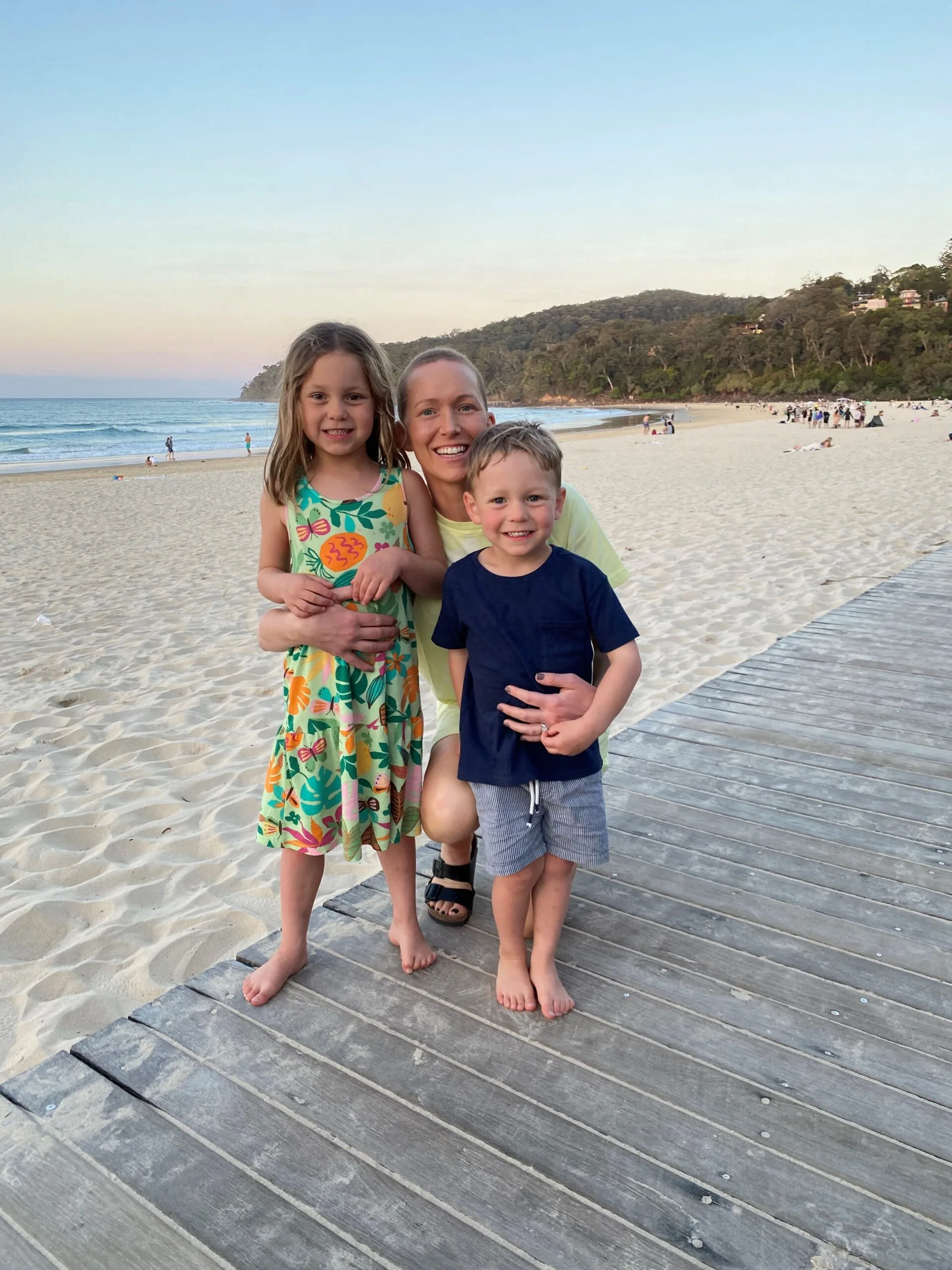
The response has been profound. “I’ve had messages from women saying, ‘I’ve just been diagnosed, and I’ve been on the website. This gives me hope.’”
Beyond the products, Jess has created something powerful: Fuca Club, a community that brings women at similar stages of life and diagnosis together.
“It’s not a big revenue stream. But in terms of giving back to the community and teaching women how to be well, it’s so much more important than any product.”
At the end of the day, Jess says created what she couldn’t find for herself. “A lot of cancer support was for older women. I didn’t identify with that. The worst thing someone can say is, ‘oh yeah, my aunty had cancer at 65.’ It’s different when you’re a young mum or trying to have kids.”
Fuca’s community aims to fill that gap: relatable, uplifting, practical – proof that life, beauty and joy don’t stop with a diagnosis.
Today, Fuca is stocked at Mecca and celebrated for its uncompromising formulas and unfiltered honesty. What’s more, one per cent of proceeds are donated to Breast Cancer Network Australia. But at its heart, it remains what Jess wished existed when she needed it most: a brand that recognises the whole woman, not just her diagnosis.
“We’re not a minority group,” she says. “One in two Australians will get cancer in their lifetime. Women going through treatment deserve to feel beautiful, safe, and seen.”
For more information head to fucaorganic.com

