
If you’ve ever felt self-conscious after a few glasses of red wine, worried you’re flashing unsuspecting friends your ‘red wine teeth’, it will come as no surprise that it’s almost number one on the list of food and drinks that stain your teeth. But what about those other things you’re eating and drinking unsuspecting of the potential damage to your pearly whites? It’s almost enough to make you book an unscheduled visit to your dental hygienist. Don’t worry, we’ve got you.
We’re here to bust those common misconceptions and reveal the real culprits (who knew that mug of hot chocolate was doing you dirty). Plus highlight the expert-backed ways to maintain a whiter, brighter smile at any age, including how to make yellow teeth white again without a trip to the dentist.
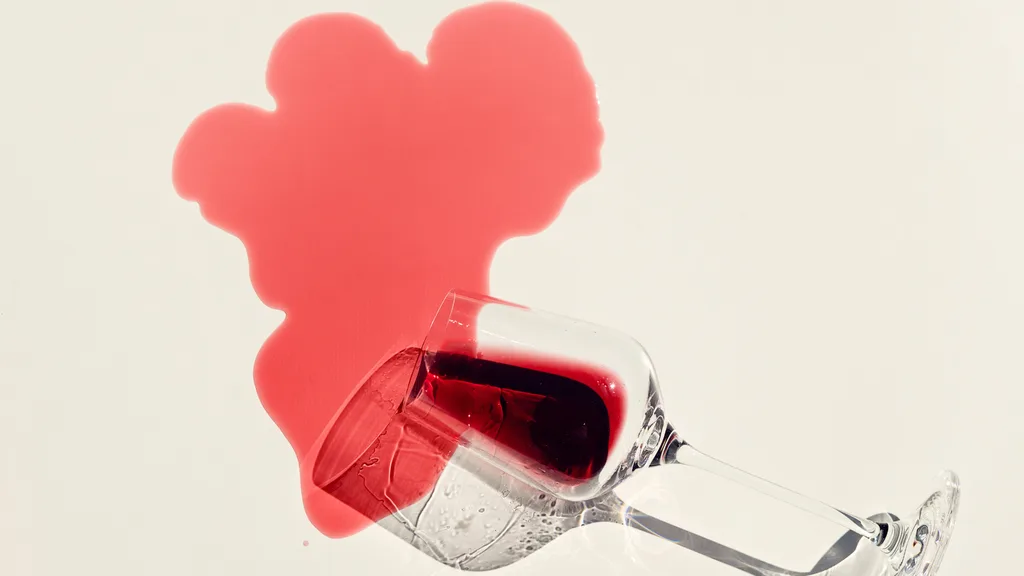
Mythbusting: What actually stains teeth?
So, what causes yellow teeth. Here we reveal the blatantly obvious (we’re looking at you, red, red wine) and surprising things that stain teeth. And before you swear off your favourite beverage or food, we’ll share dentist-approved ways to reduce the staining effects on your teeth both in the short and long-term.
Why is it that the things we love are often the things that don’t love us back, at least, not as much? Coffee, black tea, hot chocolate, red wine (and to a lesser extent white wine thanks to the acidity) and tomato sauce are on the tooth-staining taboo list. Yes, tomato sauce. Plus, those better-for-you blueberries and immune-boosting turmeric lattes can also leave a mark on your molars. Say it isn’t so!
If you’re looking for something that most of these foods have in common it is things like acidity, tannins and some kind of pigmentation such as the anthocyanin in blueberries and red wine, or the curcumin in turmeric. Acidity can erode and weaken the tooth’s enamel layer, additionally the tannins and other pigments bind to the tooth surface and intensify the colour of chromogens, making stains more noticeable.
How to prolong whiter teeth
The good news is that with a dentist-approved oral beauty regime, you can keep that staining at bay and turn that frown into a bright, white smile. Here are some simple steps you can add into your routine:
- Rinse or brush teeth after staining foods or drinks – wait about 30 minutes after anything highly acidic.
- Where possible, use a straw if drinking any staining or high-sugar content beverages such as cola or iced tea.
- Brush teeth thoroughly for two minutes, at least twice a day, using an enamel-safe toothpaste, especially before bed.
- Schedule regular dental cleanings – the Australian Dental Association recommends a routine dental check-up every six to 12 months.
The at-home whitening that actually works
When it comes to choosing a whitening toothpaste you can trust to work in with your home beauty regime, seek enamel-safe formulas that both remove surface stains and correct yellow tones visually. Colgate Optic White Pro Series is proven to remove 15 years of staining. It does this by using a formula that contains five per cent hydrogen peroxide – the same whitening ingredient dentists use to whiten teeth. If you’re seeking an extra brightness boost for that just-back-from-the-dentist-look, follow up your two minutes of brushing with another two minutes using the Colgate Optic White Purple Serum. The serum uses micro-polishing silica to gently lift stains, while purple pigments neutralise yellow discoloration much like purple shampoo brightens blonde locks. Simply add it into your twice-daily brush for a brighter smile that’s grounded in science, not hype.
Brightening your smile at home is as much about smart habits such as brushing with fluoride or an enamel-safe whitening toothpaste and rinsing with water after eating or drinking pigmented foods, as it is about avoiding stains in the first place.

The Pharmacy that offers complete health and beauty care, with friendly experts dedicated to keeping you feeling your best. Discover a wide range of great value health and beauty products, in-store or online today.