





By your 40s, your skincare routine starts working to a different brief. Hormones shift, texture changes, and radiance doesn’t arrive quite as effortlessly as it once did – which makes it harder to tell whether your products are truly earning their place on your shelf.
According to Sydney skin expert and founder of Belameres, Carina Gross, most women are judging their products far too quickly – or relying on the wrong clues altogether.
“Hydration can improve within days, but true repair takes one full skin cycle – roughly 28 to 40 days,” she explains. “If you don’t give it at least that long, you’re judging the surface before the deeper layers have even responded.”
Carina says that in midlife especially, patience is essential. “In your 40s and beyond, everything slows down – cell turnover, collagen production, recovery. The signs of improvement become more subtle at first, but they’re there if you know what to look for.”
The early signs your skincare is working
Some results arrive quickly – just not for the reasons you think.
“Instant improvements in hydration or texture can be a great sign,” Carina says. “The skin may feel smoother, softer or calmer, but those early changes usually happen on the surface.”
Hydrating ingredients pull water into the top layers of the skin, and gentle exfoliating actives can temporarily refine texture. These changes are welcome – but they’re not the full story.
“True repair and renewal take time to build within the deeper layers of the skin,” she adds. “It’s perfectly fine to want instant results – as long as they’re not at your skin’s expense.”
She also notes that skin gives clearer feedback than you might think. “If your makeup is sitting better, if your skin feels less ‘thirsty’, or if you’re not reaching for your moisturiser as often – those are great early indicators that the routine is aligning with what your skin actually needs.”
Some of the most reliable early markers include:
- Skin feels more comfortable and less tight
- Improved makeup application
- Reduced roughness
- A calmer overall appearance
Red flags that something isn’t right
Of course, some signs mean it’s time to step away from the serum.
“Obvious signs like stinging, burning or swelling can mean something isn’t right,” Carina says. But she warns that not all redness is bad. For some people, a little movement can be the first sign that the skin is waking up again.


“Sometimes the first sign of healing is movement – warmth, colour, circulation – especially in a skin that’s been stagnant for too long.”
Carina encourages clients not to panic at every flush or tingle. “Redness that comes and goes can be a response,” she says. “Redness that lingers or intensifies is a reaction.”
The red flags you should never ignore? Redness that increases after 24–48 hours, peeling or lasting tenderness, burning that doesn’t resolve and swelling.
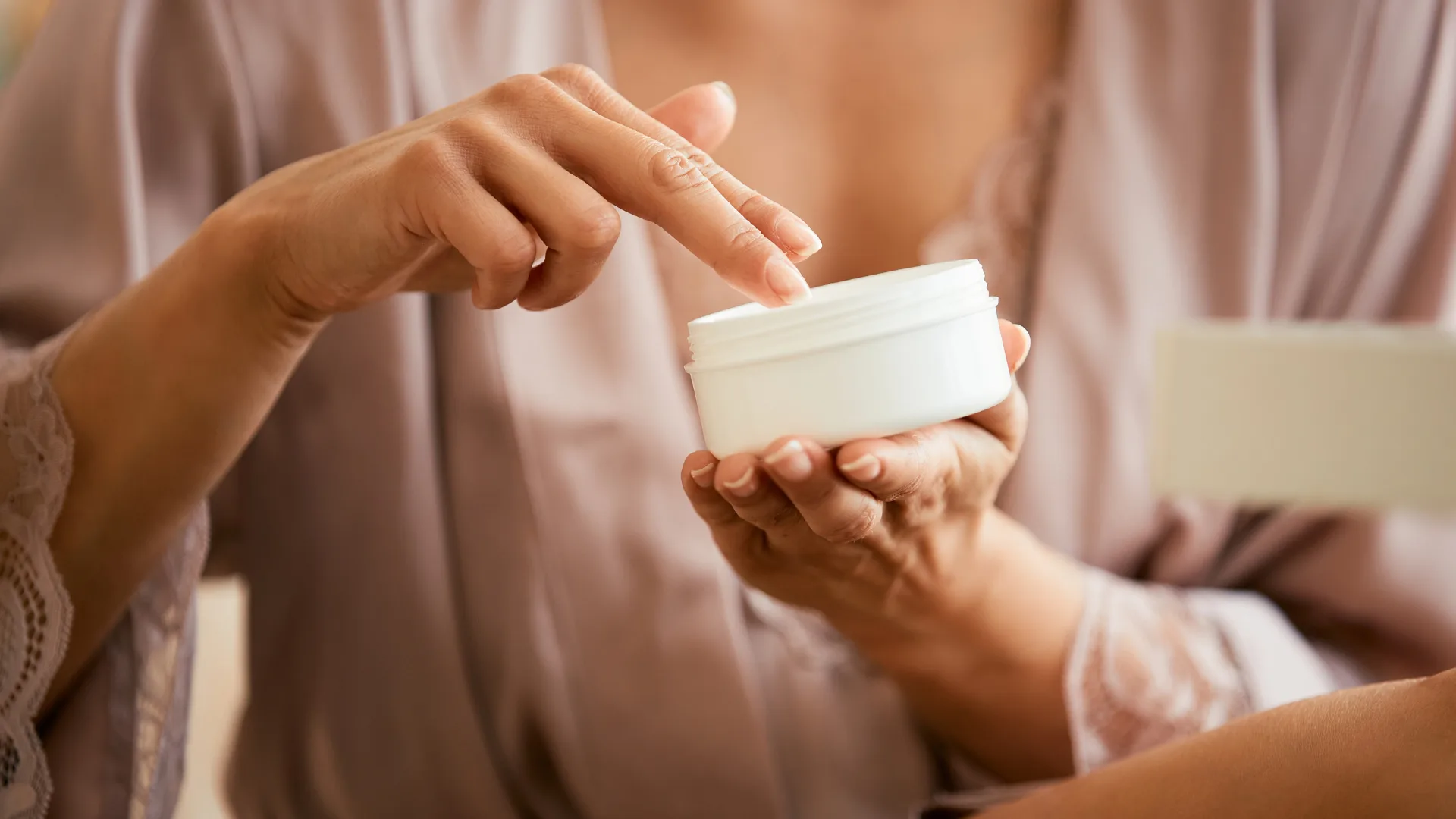
And then there are the unexpected causes. Many women arrive at Carina’s clinic with skin that appears hydrated and luminous – until cleansing removes their favourite moisturiser.
“We often see new clients whose skin has become ‘lazy’ from long-term use of thick, occlusive creams,” she says. “These products are comforting at first, but over time, they can make the skin reliant on that artificial barrier.”
Her term for this? The lazy skin effect. “You’re moisturising the surface, but the deeper layers aren’t doing any work – so they stop responding.”
Why results plateau – and what it means
You didn’t imagine it: skincare can stop working.
“Especially when a product only hydrates the surface,” Carina says. “Once the outer layer is satisfied, the skin stops receiving stimulation.”
That’s when actives targeted at deeper repair – like vitamin A, peptides or well-formulated AHAs – become essential. “When results plateau, it doesn’t always mean your skin is happy,” she adds. “Sometimes it means it’s bored.”
She says women often misinterpret a plateau as a failure. “A plateau isn’t your skin giving up – it’s your sign to level up your routine. Not with harsher products, but with smarter ones. Skincare should work with your skin, not bully it.”
Why consistency matters
If you’ve ever switched routines after a week or two, Carina has one piece of advice: stop.
“Your skin thrives on consistency,” she says. “Every time you change everything, your barrier has to readjust, and you lose progress. Consistency creates results.”
She also encourages midlife women to think long-term. “In your 40s and 50s, your routine should be designed to support your skin’s future – not just today’s glow.”
A good rule of thumb? Reassess every three to six months, ideally with the support of a skin therapist. “Skin is dynamic – stress, age and climate all shift its needs,” Carina explains. “That’s why a seasonal reset can be more effective than a monthly overhaul.”
How to know your skincare is working
Without access to a clinic-grade scan (though Carina notes they are invaluable), you can still track progress by watching for deeper signs over time:
- Fewer breakouts and faster healing
- Improved firmness or bounce
- Better long-term hydration, not just post-application
- A stronger tolerance to actives
- Less visible irritation
- Makeup sits more smoothly
- Overall radiance that doesn’t disappear by lunchtime
“The biggest mistake women make is thinking their skin needs more products,” Carina says. “What it really needs is consistency. When you stop chasing new jars and give your skin a routine it can rely on, that’s when the real transformation happens.”

