





When temperatures drop, heaters crank up, humidity levels plummet, and our skin is often the first to suffer. From dry, itchy patches to more serious inflammatory skin conditions like eczema, psoriasis and dermatitis, the cold weather can be challenging.
“Winter brings a combination of environmental stressors that can wreak havoc on sensitive skin,” explains Sydney dermatologist Dr Shreya Andric. “Cold air, low humidity and indoor heating all contribute to moisture loss. This disrupts the skin barrier, making it more vulnerable to inflammation and irritation.”
If you deal with eczema or psoriasis, where the skin barrier is already compromised, cooler weather can exacerbate symptoms such as dryness, flaking, redness and itching. Similarly, hormonal changes associated with perimenopause and menopause can lead to drier, thinner, and more sensitive skin.
“This increases susceptibility to barrier disruption and inflammatory skin conditions. Postmenopausal skin also heals slowly, so flare-ups may linger longer or feel more intense.”
Understanding your triggers and how to protect your skin through the season can make a huge difference.
“The skin barrier is like a protective wall made of skin cells and lipids or natural fats that keep moisture in and irritants out,” says Dr Andric. “In cold weather, this barrier can become ‘leaky’ due to reduced oil production and moisture loss. When this barrier is impaired, irritants can penetrate more easily, triggering inflammation and flare-ups.”
On top of the weather, hot showers, scratchy woollen clothing and even seasonal allergens like dust mites and mould can aggravate these common skin conditions.
Psoriasis
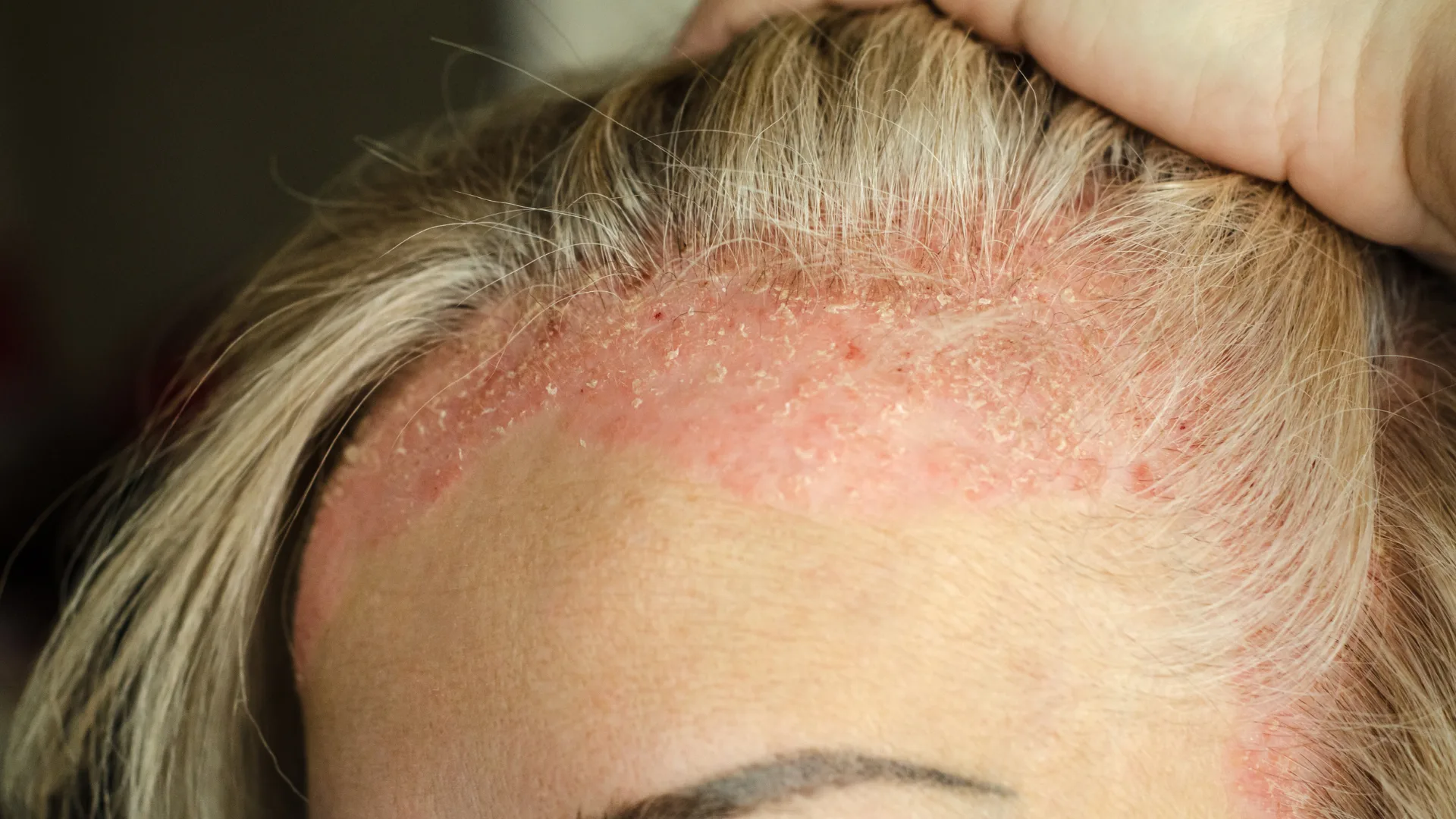
An autoimmune condition that causes the skin to produce new cells too quickly, leading to scaly, silvery plaques, often on the scalp, elbows, knees and lower back. While it can’t be cured entirely, it can be managed. Common triggers include infections, stress, alcohol and certain medications, but cold weather and dry air are known culprits.
“Cortisone creams such as hydrocortisone are effective but should be used for a maximum of seven days. They can help reduce symptoms such as itchiness, redness and swelling; however, should not replace the need for a daily hydrating moisturiser,” explains Priceline pharmacist Tayla Wooldridge.
How to treat it:
- Prescription creams and ointments containing corticosteroids or vitamin D.
- Phototherapy (light therapy) can be used for more severe cases.
- Ask your GP about prescription medications to reduce the inflammation.
Contact dermatitis
Often more noticeable in winter, as cracked, dry skin is more vulnerable, dermatitis occurs when your skin reacts to irritants like chemicals or soaps or to allergens such as nickel, fragrance or preservatives.
“Fragrances, soaps, alcohol, preservatives and parabens are common allergens and irritants in popular skincare products,” says Tayla. “The best way to avoid these is to check the ingredient listing on package labels and avoid products with common allergens. Patch testing is another great way to check if your skin will react with a particular product or ingredient.”
How to treat it:
- Identify and avoid the trigger.
- Apply emollient-rich moisturisers regularly.
- Use barrier creams when handling irritants.
- Ask your GP or pharmacist about anti-inflammatory creams and antihistamines, which can help relieve symptoms.
Eczema
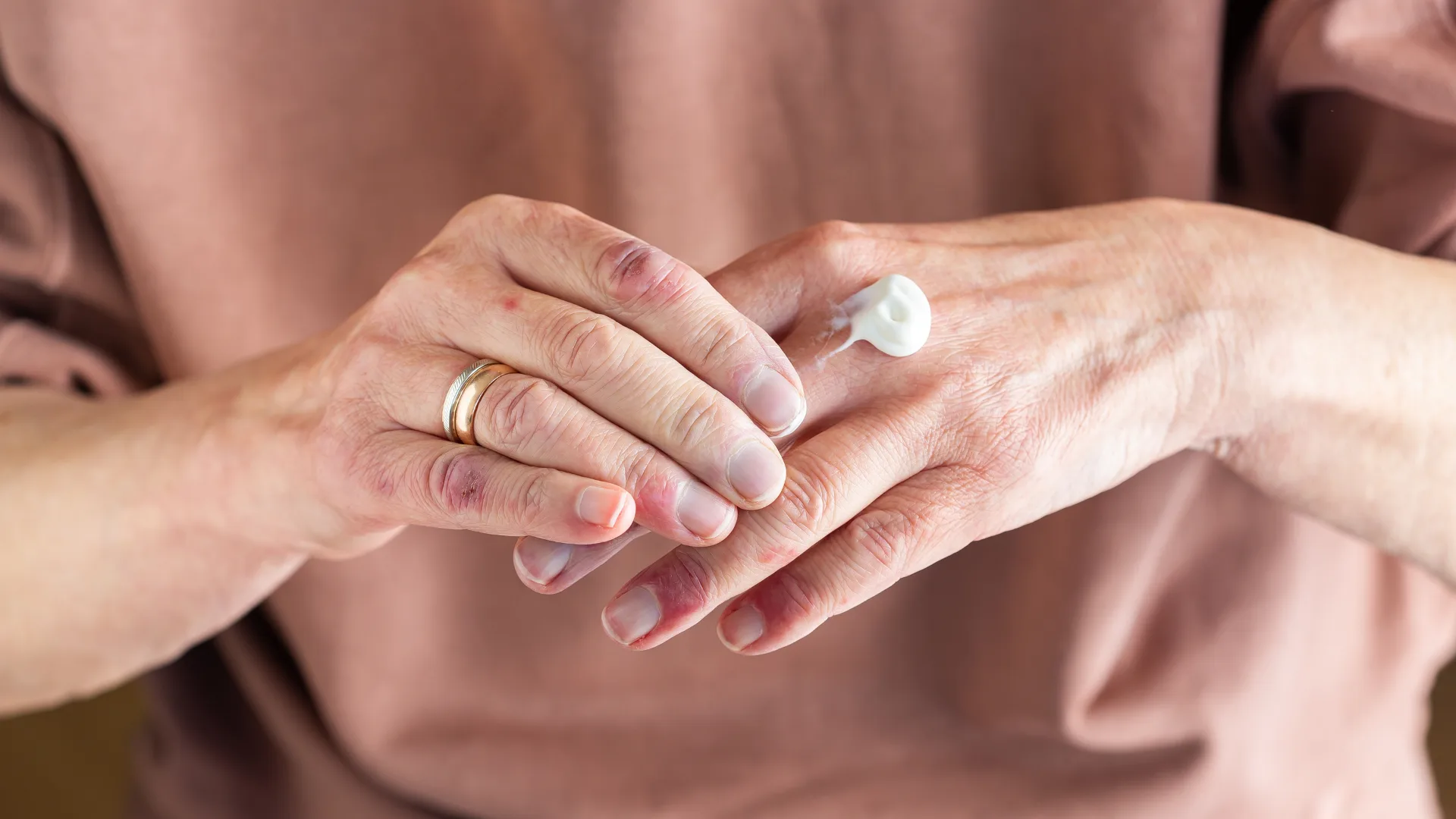
Also known as atopic dermatitis, eczema is a chronic condition marked by red, dry, itchy, inflamed skin. It often starts in childhood but flare-ups can develop later in life or during hormonal changes, cold weather, stress or exposure to allergens like pollen and pet dander, fragranced products, certain fabrics like wool, and harsh soaps.
“If you have a widespread flare-up that appears to be infected or affects your quality of life, you should see your GP. Mild to moderate eczema, however, can be treated at home or in the pharmacy,” advises Tayla.
How to treat it:
- Use a rich, fragrance-free moisturiser multiple times a day.
- Avoid hot showers and opt for lukewarm water.
- Choose gentle, soap-free cleansers.
- Ask your GP about topical corticosteroids.
Shelf saviours
Look for these ingredients when shopping for winter skin relief.
- Ceramides, to help restore the skin barrier.
- Colloidal oatmeal soothes itch and irritation.
- Urea gently exfoliates and hydrates dry, flaky skin.
- Petrolatum seals in moisture and protects against further dryness.
- Fragrance-free is always best for sensitive or inflamed skin.
Winter-proof your routine
Dr Andric suggests making a few tweaks to build a winter-friendly skincare routine.
- Use a gentle, non-stripping cleanser like Avène XeraCalm A.D Nutrition Shower Cream, $20.99, and resist the urge to reach for the hot tap.
- Hydrate top to toe after showering with a replenishing moisturiser like La Roche-Posay Lipikar AP+M Body Balm, $44.95, formulated to reduce redness.
- Use barrier repair ingredients like niacinamide, colloidal oatmeal and shea butter.
- Avoid harsh soaps or scented lotions.
- Wear breathable fabrics like cotton and natural fibres to reduce friction and irritation on inflamed skin.
- Use a humidifier. Heating systems dry the air, and adding humidity helps protect the skin.
- Treat flare-ups early. If redness, scaling or itching arise, use prescribed treatments promptly to avoid them getting worse.
- Don’t forget sunscreen, as UV rays can worsen inflammatory conditions in winter. We Are Feel Good Inc. Sensitive Sunscreen Lotion SPF50+, from $19.95, is gentle and fragrance-free.

Related stories