


At a glance…
- King Charles is currently on a 9-day tour of the Caribbean. He is visiting the Bahamas, Guyana, and Antigua and Barbuda. It is his first visit to the region since his coronation.
- The Bahamas and Antigua and Barbuda still recognise Charles as their head of state, but both have seen calls to become republics. Guyana removed the British monarch as its head of state in 1970.
- Caribbean leaders and campaigners are calling for Britain to formally apologise and provide reparations for its historical involvement in the transatlantic slave trade.
- BBC reports that the UK’s Prime Minister Andy Burnham is “open” to a formal apology, so all eyes are on the monarch on the final leg of his tour.
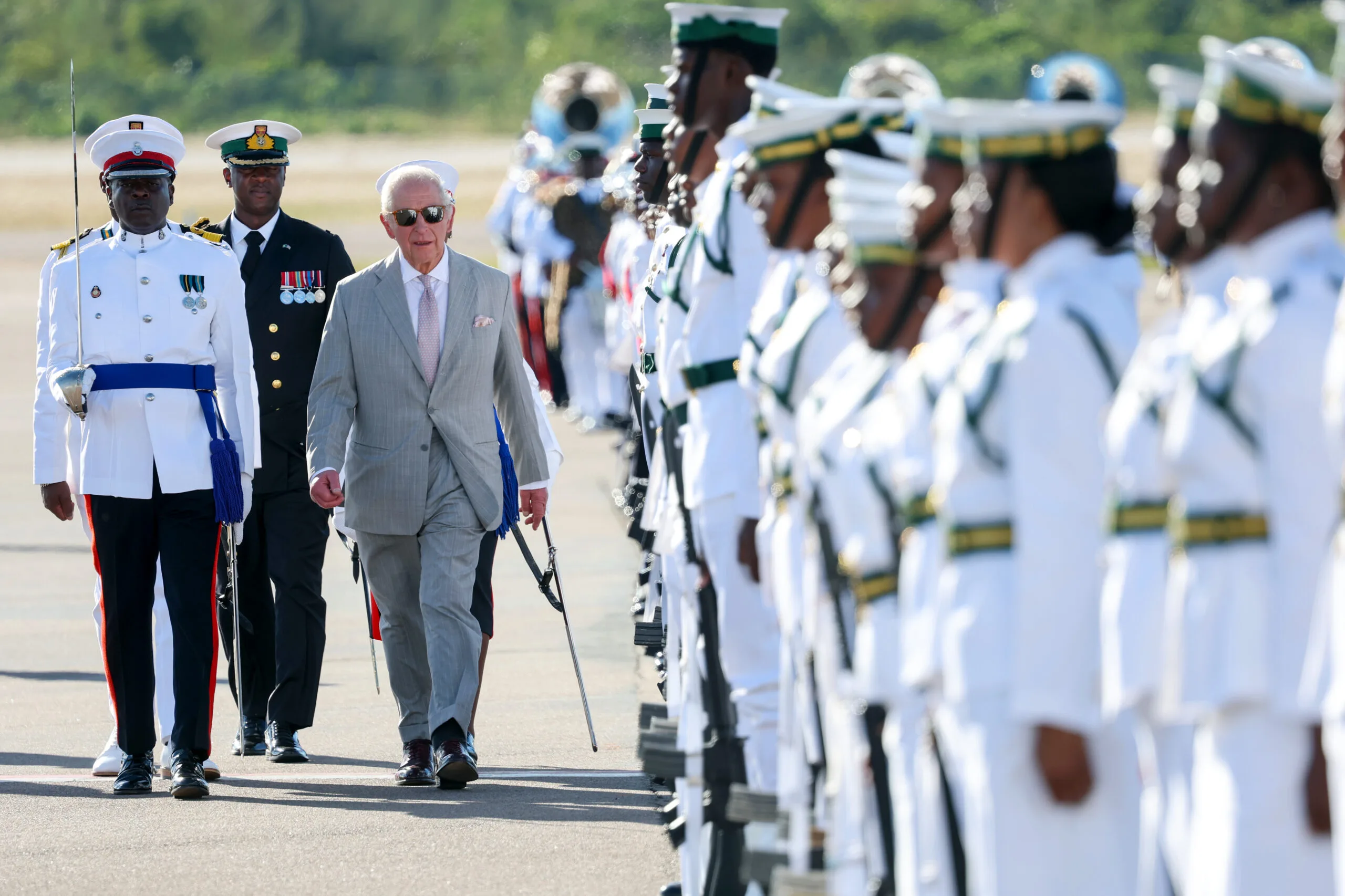
Within hours of arriving in The Bahamas for his first Caribbean tour as monarch, King Charles addressed one of the most contentious issues hanging over his visit: Britain’s historical involvement in the transatlantic slave trade.
But while the King acknowledged the suffering and injustices of the past, he stopped short of offering the formal apology that Caribbean leaders and campaigners have long demanded.
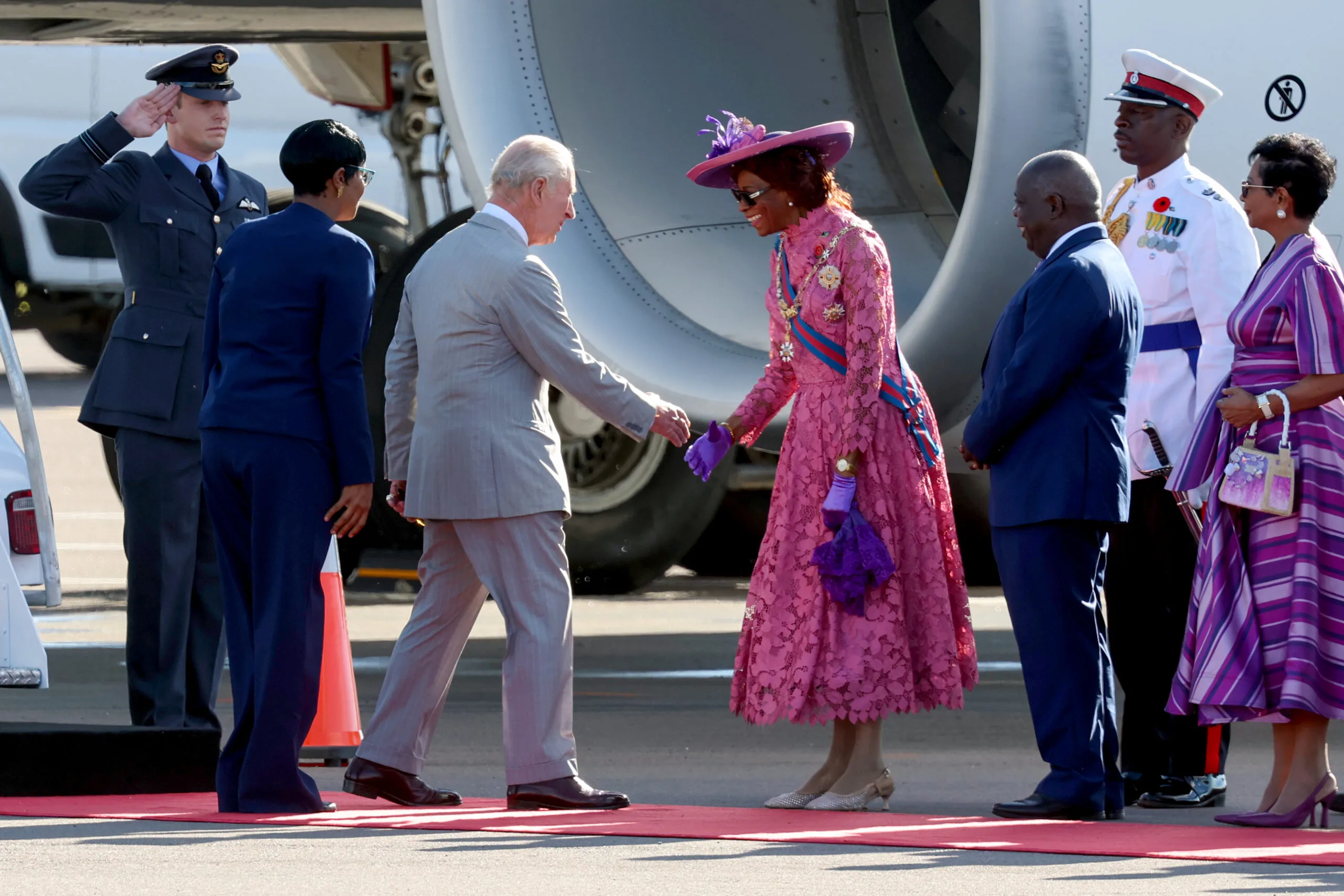
The three-country tour, taking in The Bahamas, Guyana, and Antigua and Barbuda, comes amid renewed calls for reparations and questions about the monarchy’s future in the region. In The Bahamas, protesters held placards reading “pay what you owe us”, reflecting demands for reparations.
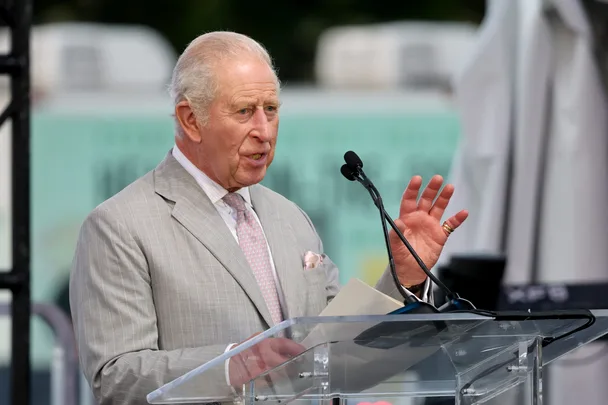
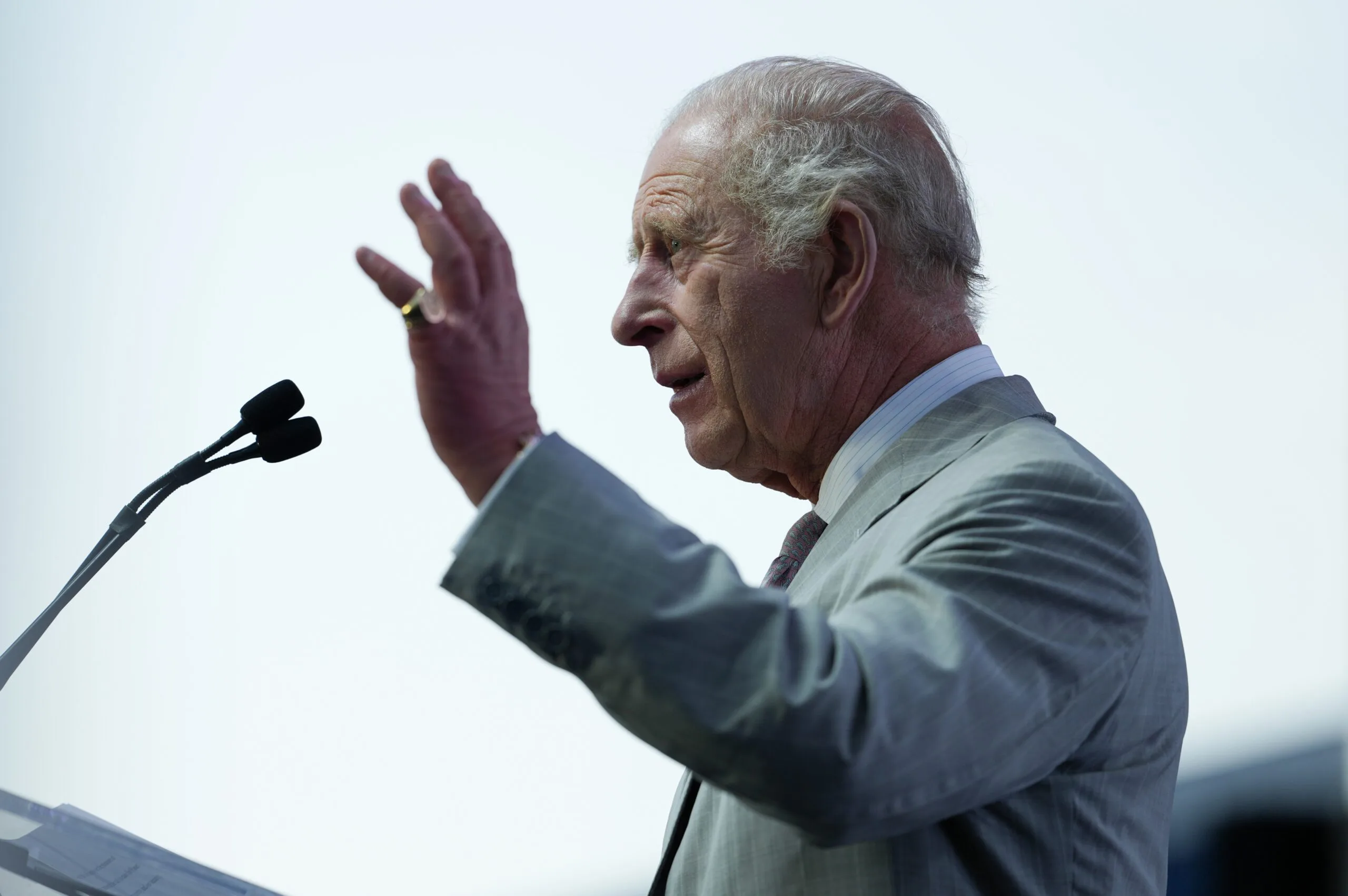
“It is only right that we should acknowledge the great suffering and injustices of the past in these islands and beyond, even as we rejoice in the successes of the present and build new opportunities for the future,” he said in his speech at a youth rally at Clifford Park, as per the AFP.
The Bahamas National Reparations Committee wrote in a statement that his comments “fall short of what justice requires”.
“We do not need King Charles to tell us how outstanding our culture is,” the committee said in a statement reported by The Guardian. “We need him to speak about his role in the darkness and how he plans to atone for it actively.”
The committee said his comments “fall short of what justice requires – a full and formal apology”.
Both The Bahamas and Antigua and Barbuda still recognise Charles as their head of state, although republican movements have called for change. Guyana, meanwhile, became a republic in 1970.
The AFP reports Charles confirmed that Commonwealth leaders would discuss the legacy of slavery at the upcoming Commonwealth Heads of Government Meeting (CHOGM) in Antigua and Barbuda. Commonwealth Secretary-General Shirley Ayorkor Botchwey has also confirmed that reparations will be on the agenda.
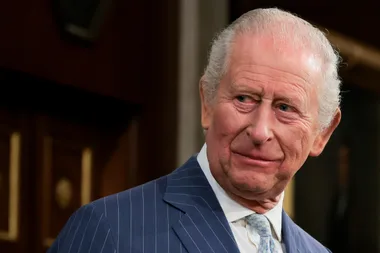


“This [tour] is the biggest risk of his reign so far with so much just outside of his control,” said author and historian Sir Anthony Seldon to the BBC ahead of the tour. “Questions about slavery, reparations and apologies mean the moral integrity of the monarchy is being questioned.”
Charles has previously described slavery as one of the “darkest days” of British history. However, Guyana’s President, Irfaan Ali, told ITV News that acknowledging this history was only the “first step”, with a formal apology next.
Ahead of the tour, it wasn’t expected that the King would apologise on behalf of the UK, as it is a government matter (as the British government would have to approve the apology). However, the UK’s Prime Minister Andy Burnham has said he is “open” to the possibility of an apology. If one is to take place, it would likely be on the final stop on King Charles’ tour during his speech at the CHOGM
According to a spokesperson, King Charles “will not shy away from confronting the most shameful aspects of the past during this visit.”
“You may therefore expect him to address them in his speech with unflinching honesty, sincere sorrow, and respect for the wider discussions that will be taking place between relevant governments on this issue at CHOGM and beyond.”
Whether that sincere sorrow will take place in the form of an apology…we shall have to wait and see.

