


At a glance…
- First Ministers of Scotland, Wales and Northern Ireland have united behind constitutional change, signing a new agreement calling for the right to self-determination and urging Westminster to facilitate change.
- The UK breaking up would have major implications for the monarchy; however, recent polling shows no clear majority for Scottish independence, Welsh independence or Irish reunification, while Westminster has shown little appetite for new independence votes.
- Our digital editor, a dual Irish-Australian citizen, explores the impacts for the monarchy and the nations involved.
For the first time since the modern United Kingdom of Great Britain and Northern Ireland was established, the First Ministers of Scotland, Wales and Northern Ireland are all backed by parties committed to independence or Irish reunification.
The three leaders – John Swinney, the SNP leader, Rhun ap Iorwerth, leader of Plaid Cymru, and Michelle O’Neill, Sinn Féin’s vice-president – met in Cardiff to discuss a range of issues, including their nations’ right to self-determination and their future constitutional relationships with the UK. The historic gathering raises the possibility that King Charles III could one day become the last monarch of the United Kingdom as we know it.
In a joint statement from the three political parties, they signed a Memorandum of Understanding (MoU) and wrote that they are working towards independence from the UK.
“For the first time ever, people across these islands have First Ministers in Scotland, in Wales and in the North of Ireland who are all committed to independence from the United Kingdom… there could be no clearer sign that Westminster’s time is coming to an end.”
The political parties (Plaid Cymru, the Scottish National Party, and Sinn Féin) have committed to working on strengthening their connections through the economy, energy resources, and connections to the European Union. The three parties signed the MoU as political parties, rather than the three governments formally signing it.
“No Westminster government has the right to block democracy or undermine the principle that our people will decide their own future,” the statement continued. “We call for the British Government to prepare for, plan, and facilitate constitutional change in each jurisdiction.”
Anyone who has a friend or work colleague who is Irish or of Irish heritage will undoubtedly be lectured about the complex history of the island of Ireland. As the person who is normally the one giving the lecture, I will refrain from rehashing history and focus on more current events.
But for anyone unsure, the UK is an abbreviation for the United Kingdom of Great Britain and Northern Ireland. It’s a mouthful, hence why it is abbreviated. Britain is an island which contains three countries: England, Scotland and Wales. And then Northern Ireland (or the North of Ireland, as supporters of a United Ireland often refer to it as) is on the island of Ireland, which also contains the Republic of Ireland. So although the UK is its own sovereign “country”, it is also “countries within a country.”
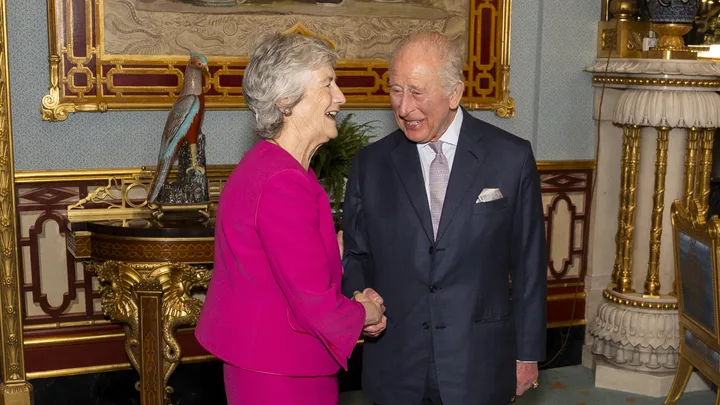
King Charles III is monarch of 15 independent countries, including the UK and Australia. He is also sovereign of three Crown Dependencies: the Isle of Man, Jersey and Guernsey, which are self-governing territories of the Crown but are not part of the UK.

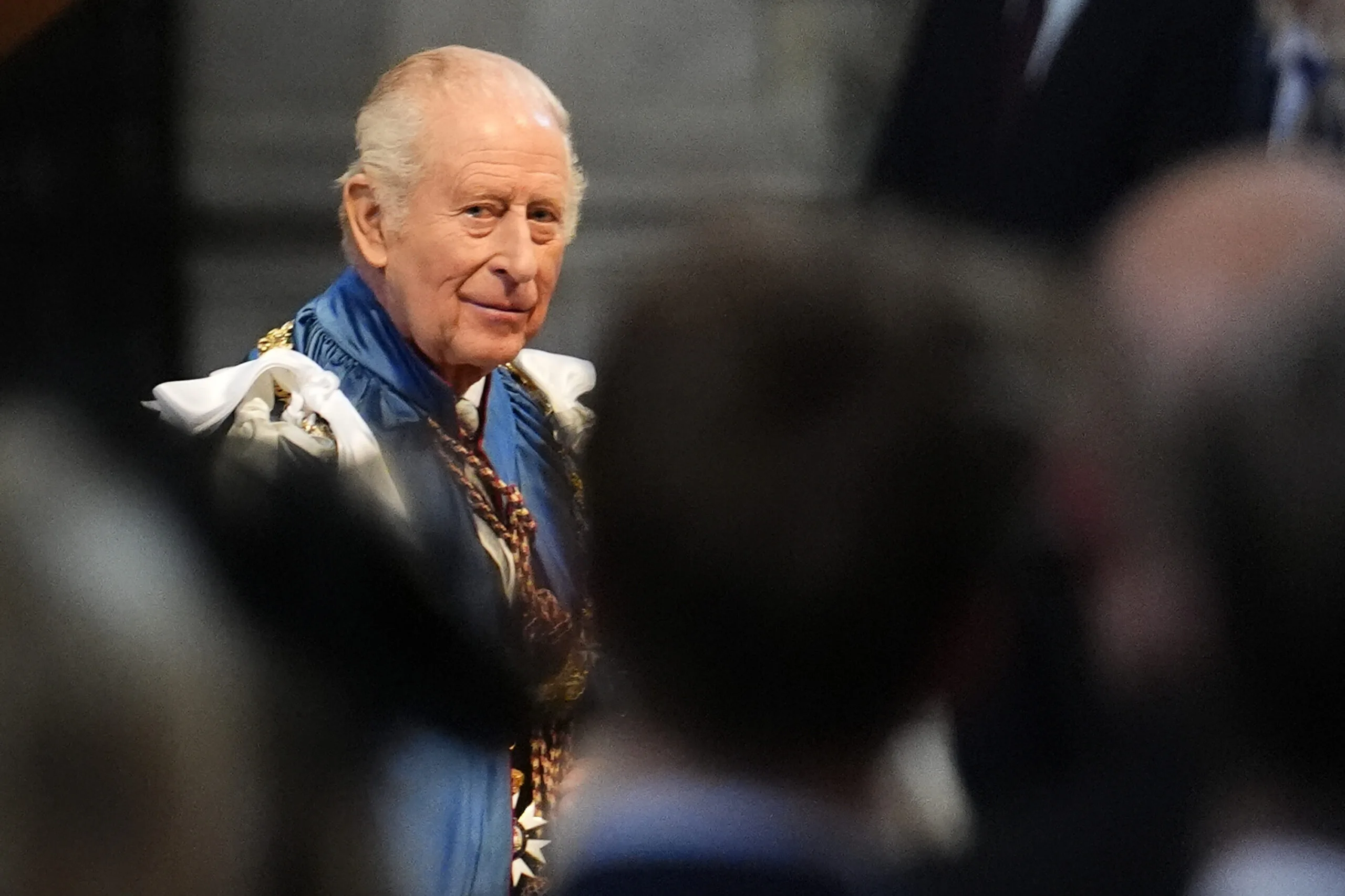
If Scotland or Wales became independent, they would also have to decide what form of government they wanted. They could become republics, or they could choose to remain constitutional monarchies with King Charles III as their head of state, as Australia is today.
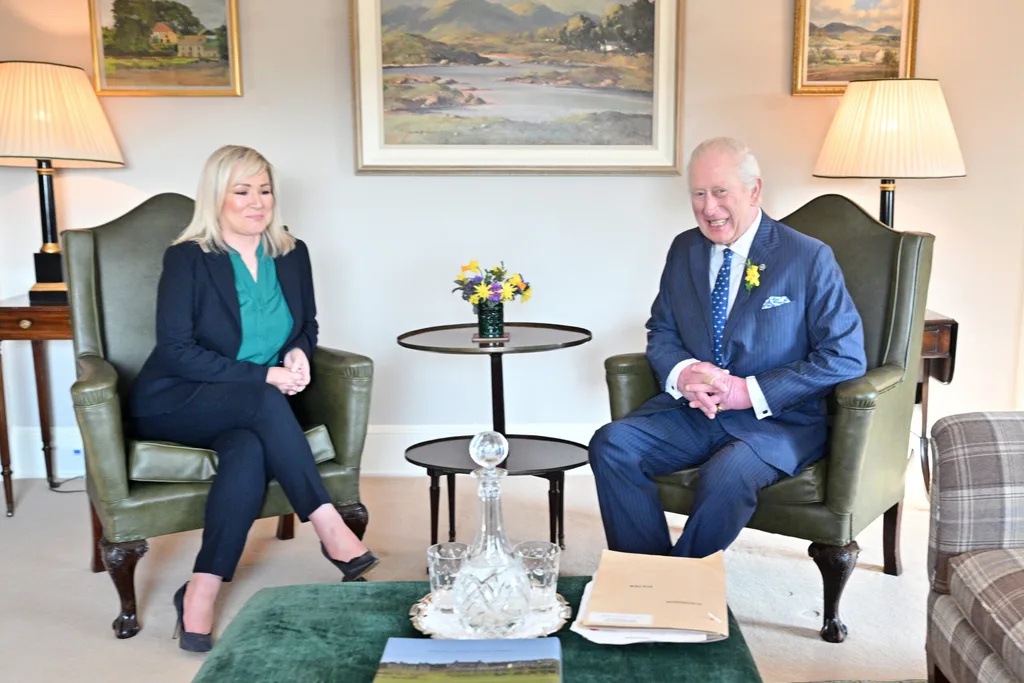
However, a united Ireland would be different again, as Sinn Féin is a republican party and supports a united Ireland without the British monarchy.
In recent months, during his first visit to Northern Ireland after becoming the UK’s Prime Minister, Andy Burnham said that the idea of a border referendum was “off the table”. His comments sparked fierce backlash from supporters of independence and political leaders on both sides of the border in Ireland.
“We have put it to him very strongly that burying his head in the sand is not a plan, not a strategy, not wise and not acceptable to us,” said Sinn Féin leader Mary Lou McDonald after his remarks.
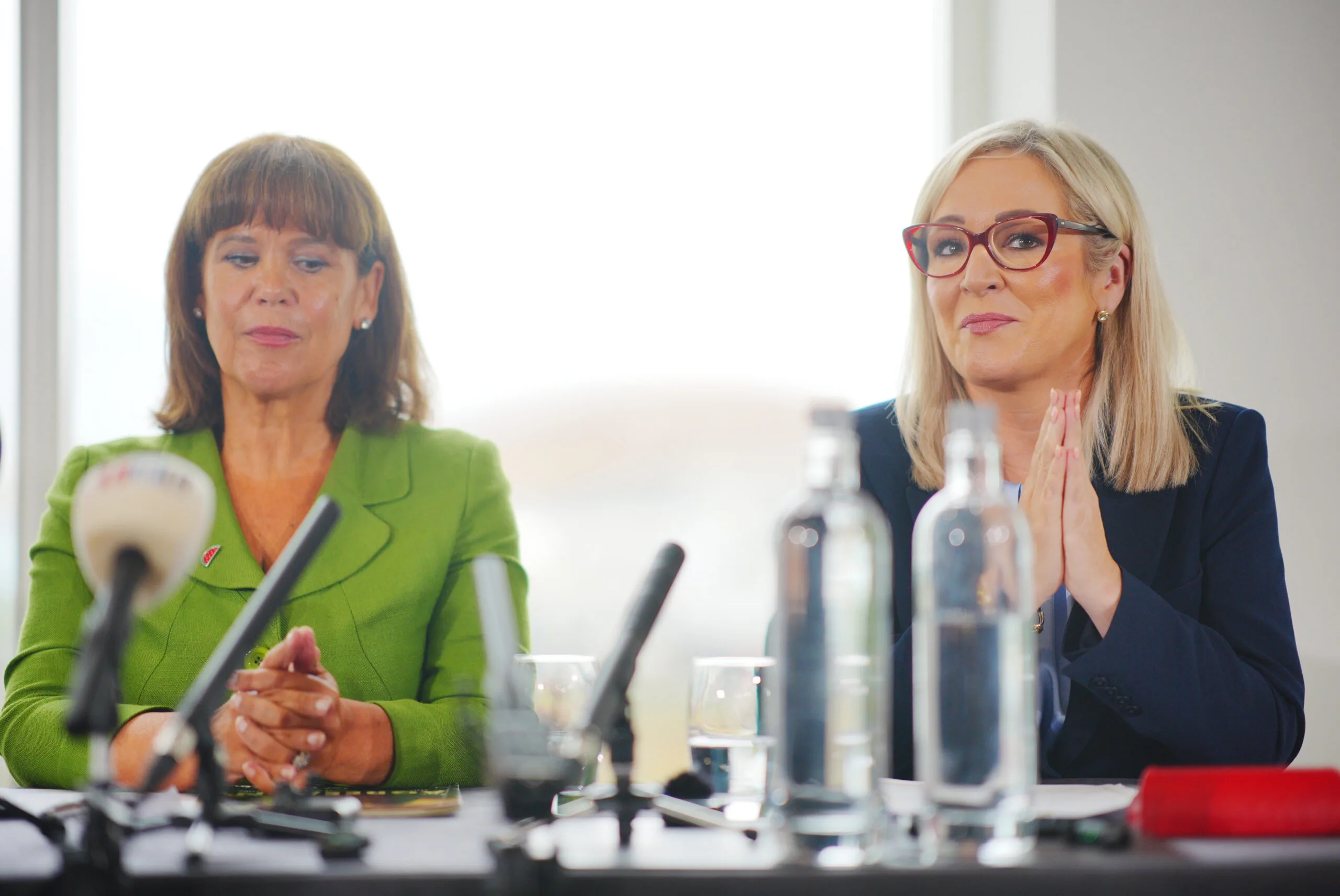
Under the Good Friday Agreement 1998, Northern Ireland’s constitutional status can change only with the consent of its people. The UK Secretary of State for Northern Ireland, currently Sir Chris Bryant, has the power to call this referendum. They must call one if it appears likely that a majority in Northern Ireland would vote for Irish unity. Voters in the Republic would also have to approve the constitutional changes via a referendum to create a united Ireland.
“We’re certainly living in times of enormous change, change that is unstoppable, change that – no matter what is said by any British prime minister – will not be able to hold back the tide of what’s happening in front of our eyes right now,” said Northern Ireland’s First Minister Michelle O’Neill in a press conference. Adding that independence, despite what PM Andy says, is “very much on the table.”
Mary Lou McDonald, the leader of Sinn Féin, also signed the agreement of the three political parties and added that it was a “moment where we assert collectively our inalienable right to decide our futures.”
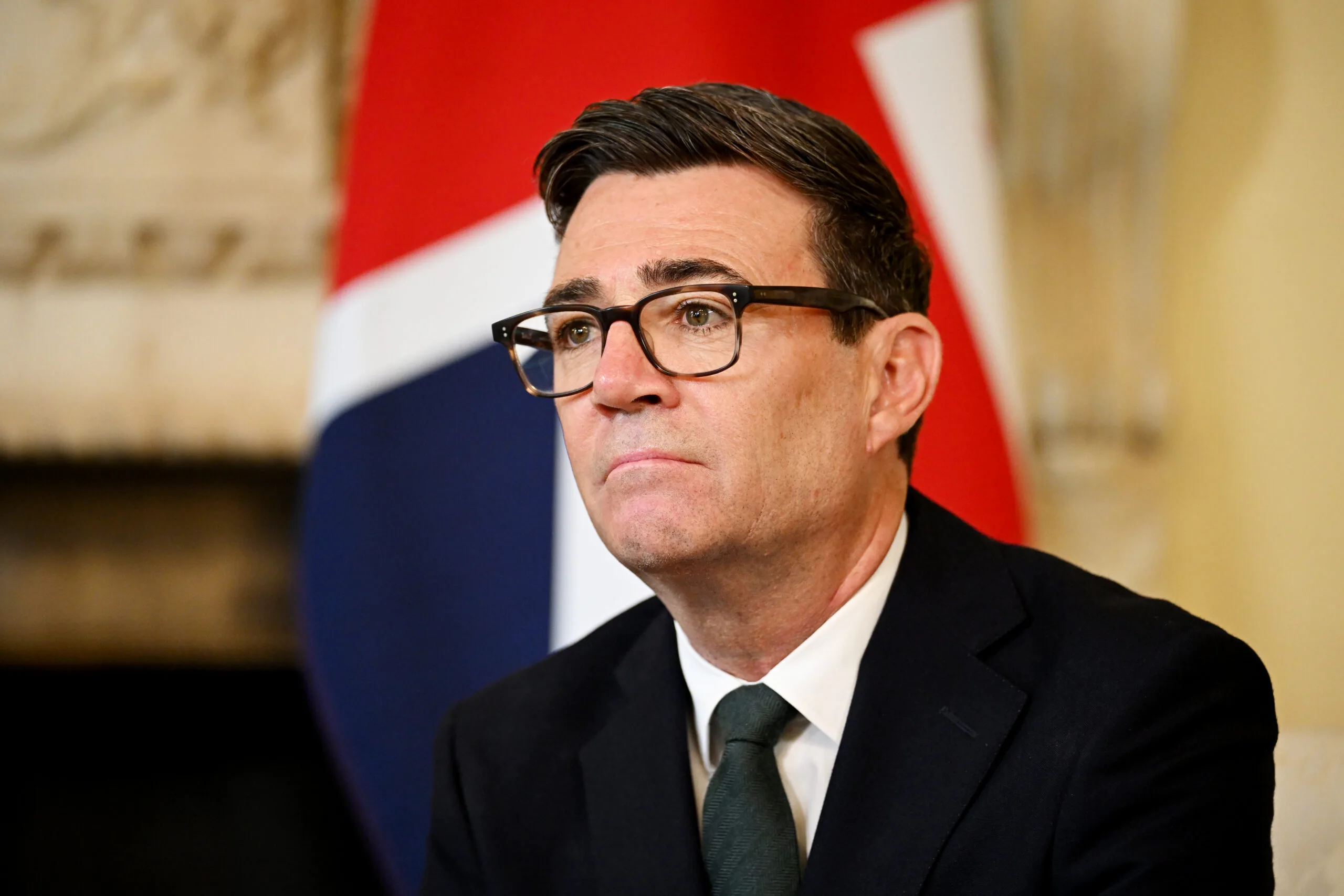
Prime Minister Andy Burnham also recently shut down Scottish independence, telling First Minister John Swinney that a second referendum on the issue was “off limits”. However, his position has softened in recent days, saying a further vote could take place if public opinion demonstrated sufficient demand.
In 2014, Scotland held a referendum on its independence, which failed to go through with a majority (55 per cent) voting to remain a member of the UK. John Swinney arrived in Cardiff after staying as a guest of King Charles at Balmoral.
Wales is the more cautious of the three. Plaid Cymru has ruled out holding an independence referendum during the current Senedd term, which runs until 2030. However, Rhun ap Iorwerth has pledged to use his time in government to make the case for an independent Wales and wants the power to decide whether to hold a referendum devolved to Wales.
But the political momentum does not necessarily mean the public is ready to break up the UK. Recent polling puts support for Scottish independence at around 47 per cent, while about 36 per cent of people in Northern Ireland support Irish reunification and 32 per cent of people in Wales support independence. None currently has a clear majority in favour of leaving the UK.
Furthermore, the UK being at risk of “breaking up” does not mean the British public would necessarily support the removal or abolition of the monarchy.
The latest YouGov polling suggests roughly two-thirds still want Britain to remain a monarchy: 64 per cent said they would prefer to retain the monarchy, compared with 23 per cent who would prefer an elected head of state. Meanwhile, 68 per cent said King Charles is doing a good job.
The historic gathering raises the possibility that King Charles III could one day become the last monarch of the United Kingdom as we know it. But that prospect remains a long way from becoming reality: none of the three territories currently has a clear majority for breaking away from the UK, and Westminster has shown little appetite for facilitating new independence votes.

