



You’ve tried switching to a gentler cleanser. You’ve given up hot yoga. You’ve been slathering on moisturiser like it’s going out of fashion. And still, every morning, that telltale redness sitting across your cheeks, nose and chin like a permanent sunburn that never quite fades.
If this sounds familiar, you’re far from alone. Rosacea affects an estimated 415 million people worldwide, and yet it’s one of the most consistently misunderstood skin conditions. Many women spend years treating what they believe to be general sensitivity or broken capillaries, without ever quite landing on the right answer or the right approach.
So let’s start at the beginning.
What is rosacea?
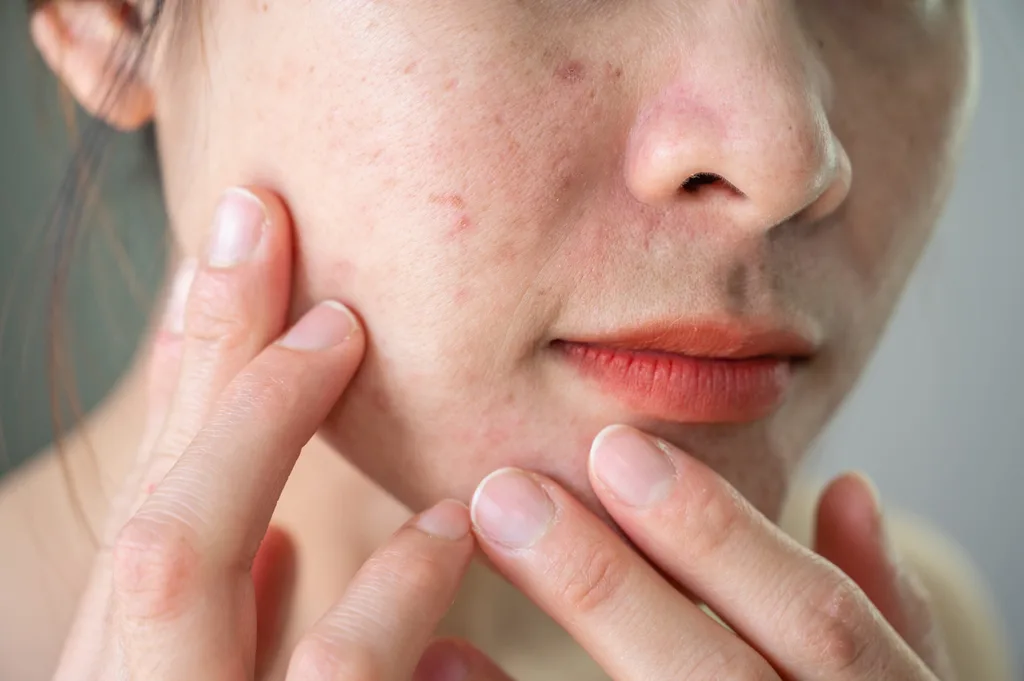
Rosacea is a chronic inflammatory skin condition that primarily affects the central face like the cheeks, nose, forehead and chin. It causes persistent redness and flushing, visible blood vessels, and sometimes acne-like bumps or a burning, stinging sensation. Because its symptoms can look so similar to general sensitivity, adult acne or even an allergic reaction, it’s frequently mistaken for something else entirely.
There is currently no cure for rosacea, but it is highly manageable. Most people can achieve long periods of calm, clear skin with the right combination of trigger awareness, consistent skincare, and in some cases, medical treatment.
Why the redness doesn’t just go away on its own
Unlike a temporary blush or sun-induced flush, rosacea-related redness is caused by a chronic inflammatory response in the skin. The blood vessels in the face become reactive and dilated, the skin barrier is often compromised, and the skin’s immune system sits in a constant low-grade state of alert. Without actively managing these factors, they don’t simply resolve themselves.
In fact, if left untreated, rosacea can progress through several stages (from intermittent flushing to persistent redness to visible vessels), which is why early intervention is always more effective than waiting it out.
What actually helps rosacea?
Managing rosacea is built on three pillars: identifying and avoiding your personal triggers, building a gentle, barrier-supportive skincare routine and, where necessary, working with a dermatologist on targeted treatment options.
The most common triggers include sun exposure (the number one culprit), heat, stress, alcohol, spicy foods, and, importantly, certain skincare ingredients. When it comes to your routine, the overriding principle is simplicity and gentleness. Fewer products, fewer ingredients, and more focus on cleansing carefully, moisturising consistently, and protecting the barrier from everything that compromises it.
A gentle, fragrance-free cleanser and a nourishing, barrier-repairing moisturiser are the non-negotiables. Products like the Vixin Clean Team Cleanse & Tone and the All In One Apple Stem Cell Cream are built around exactly this philosophy.
If you suspect you have rosacea, a visit to your GP or dermatologist is always a worthwhile first step. But in the meantime, building a kinder, more considered routine is one of the best things you can do for your skin today.

Related stories
Native ad body.

Native ad body.