


At a glance…
- As retailers prepare for Black Friday and Boxing Day sales, Merry People founder Dani Pearce explains why the Australian footwear brand doesn’t participate in sales.
- What started as a small gumboot business selling at farmers’ markets has grown into a popular Australian footwear brand.
- Dani shares why she believes consistent pricing builds customer trust and loyalty, and why she’s wary of our obsession with discounts.
It’s Black Friday season, and while retailers across Australia are preparing to slash their prices, there’s one Australian shoe brand refusing to participate.
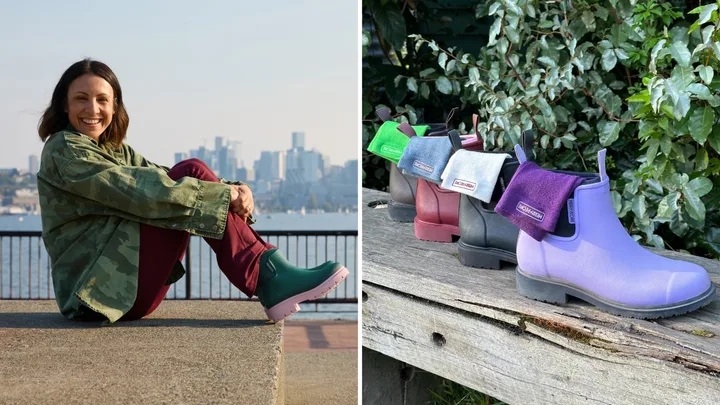
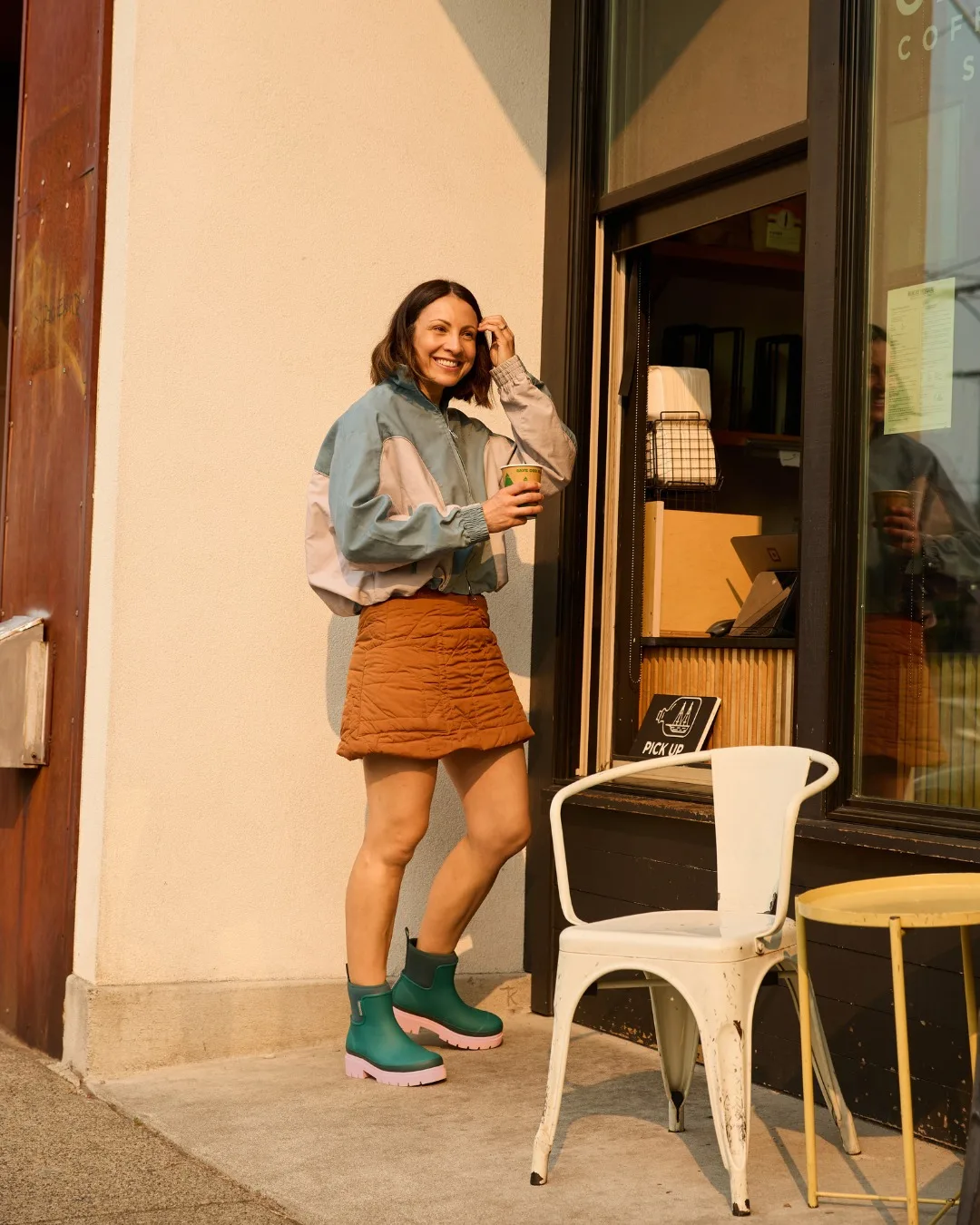
Today is a drizzly spring day in Sydney, but I don’t need to worry about my shoe choice. My tootsies are warm and cosy and, most importantly, dry (not to mention stylish) in my Merry People Bobbi Boots.
It’s rare to find a boot that ticks all three boxes: versatility, style and comfort. Usually you have to sacrifice one of the three. But not with Merry People. In my experience, they’ve withstood sleet and snow in Copenhagen, horizontal rain in Ireland, and dusty campsites in the Aussie outback (plus the occasional boardroom). But it’s not just their quality footwear that sets them apart in the Aussie marketplace. Unlike many retailers, Merry People doesn’t do sales. Not for Black Friday, not for Boxing Day, not at all.
“I felt that if I could come in from the start at an accessible price, hold that price and tell customers that this was my pricing strategy, then I would hopefully gain more loyalty and trust,” says Merry People founder Dani Pearce.
In an industry seemingly obsessed with sales and discounts, it’s a refreshing approach. And judging by the brand’s growth, it’s one that appears to be working.
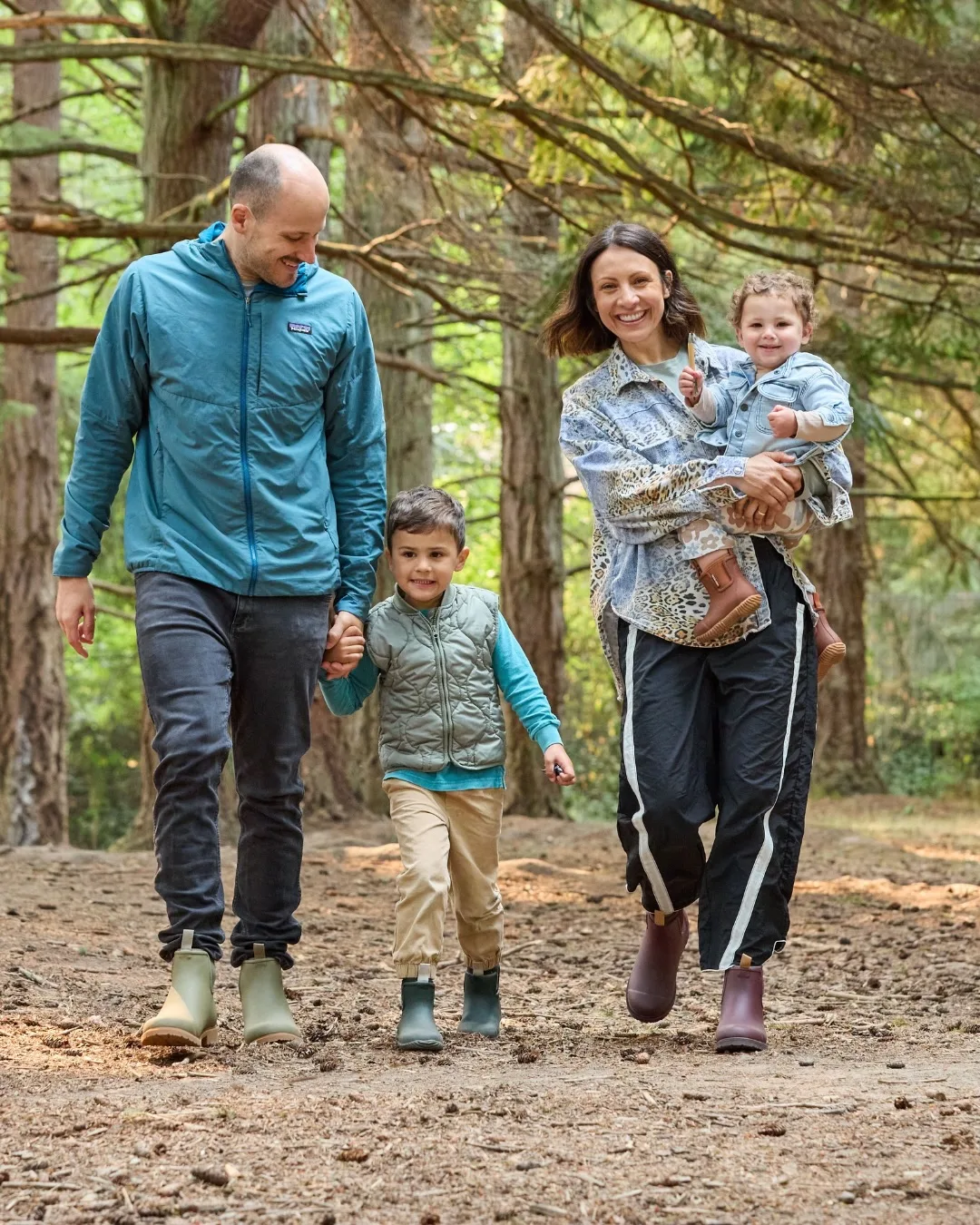
Their range originally just included gumboots for adults; they have since expanded to boots for children, slides, socks, and sandals. They’ve also collaborated on numerous charitable endeavours and started a recycling program.
For Dani, who started out selling her gumboots at farmers’ markets on weekends, the decision not to discount was initially a practical one. But it has since become a defining part of the brand’s identity.
So, in the midst of the Black Friday shopping frenzy, I wanted to know: why say no to sales?
Why did you make the business decision that Merry People would never go on sale?
In the early days, it was because I only had one product in four colours. As I didn’t have new products waiting to come in, so I felt a sale strategy would be detrimental to my business once the sale was over.
Plus, I also had friends in retail who told me about the peaks and troughs of discount culture and that their consumers had been conditioned to wait for sales, etc.
I felt that not going on sale or discounting products was a more sustainable way of doing business and felt like it was more authentic and transparent with consumers. I still feel this way.

Did you ever worry that this decision may impact sales of your boots?
No, I didn’t. I felt like I had a great product with a fair price. A lot of brands price their products to go on sale at some stage in the season.
I felt that if I could come in from the start at an accessible price, hold that price and tell customers that this was my pricing strategy, then I would hopefully gain more loyalty and trust. This would also hopefully give customers the confidence to buy whenever they needed. (Ie: not wait for a sale)
Do you think shoppers are fatigued by constant discount culture?
I am not sure. But, I know that personally, I have zoned out a little of the Black Friday sale. The messaging is big, loud and frequent, and almost every brand I follow is doing a sale, so it can feel a bit noisy and like a race to the bottom on who can have the biggest discount.
I do think Australians love a good deal on a purchase (whatever it is!), and many Australians are struggling right now, so buying something at a more accessible price point can help many right now. I guess it becomes problematic from a sustainability perspective with the over-purchasing from retailers with the intention of discounting for this period, along with the overconsumption from consumers.

What was your customers’ reaction?
The sentiment is really positive (I have actually never seen a complaint!). Our customers seem to really like it and respect us for it.
Merry People is a real success story in Australian business. What was your motivation to start a gumboot company? What was the problem you wanted to solve?
Thank you! The reason was my own happiness! I was seeking to feel more happiness, purpose and fulfilment in my career. I had lost my creative spark as an adult and was making decisions in life because they made sense on paper, not because they felt right. So when I had the idea, I felt like I had an opportunity to find myself and be more creative again.
I was looking for a gumboot that was practical and fashionable, and when I couldn’t find any that I loved, I thought I would have a go at seeing if I could get the product that was in my mind to come to life!
I felt like gumboots were one of the most practical products, but had not been done in a way that connected with customers, so I wanted to see if I could have a go at doing that!
If you were to give your younger self advice on starting a business, what would you say?
Trust your gut and don’t make decisions that don’t feel right. It is okay to say no, or not right now.
You can find out more about Merry People on their website here.

