


Narelle had never thought much about her breast cancer risk.
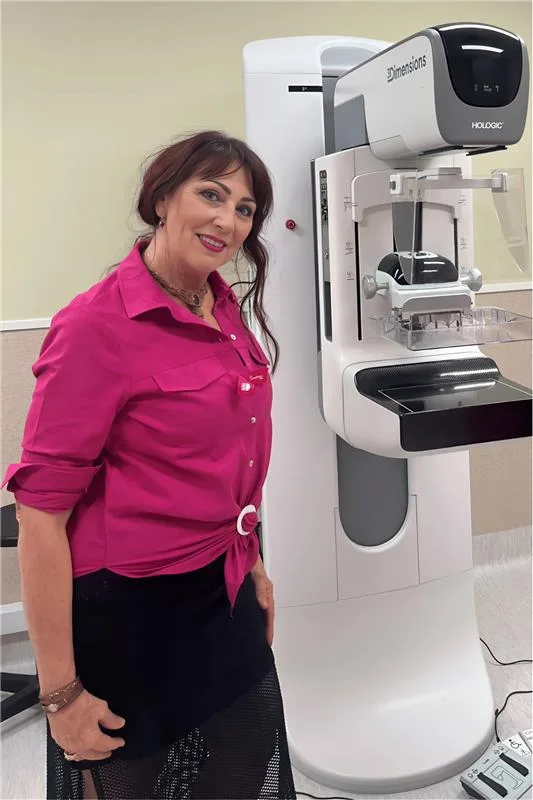
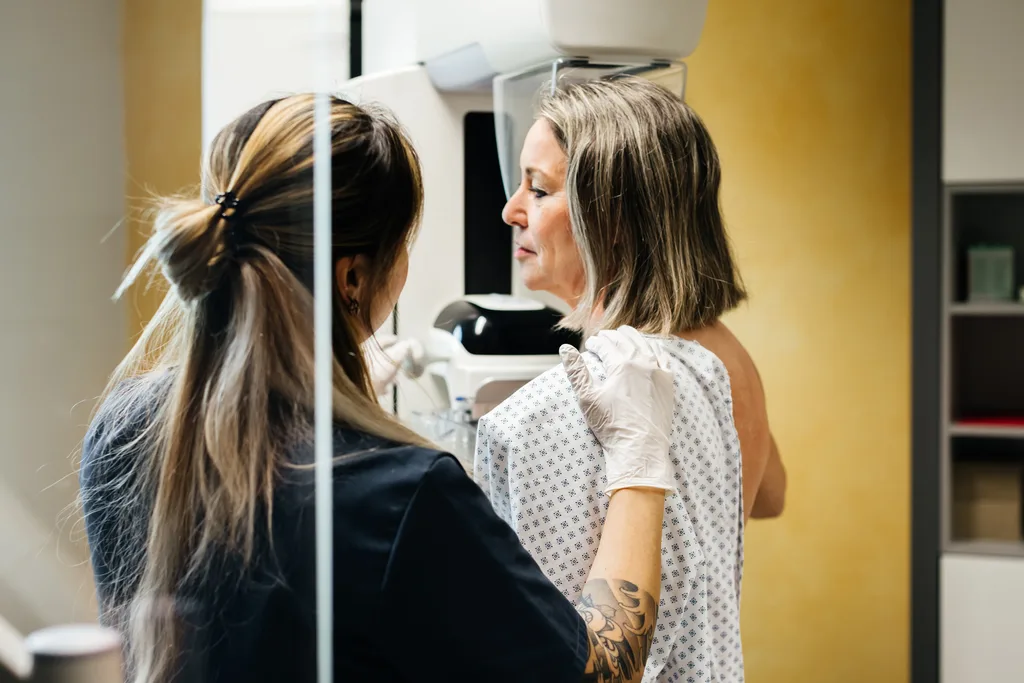
When a close friend whose mother and grandmother had both died from the disease began going for annual mammograms, Narelle went along for support.
“We’d make a day of it,” Narelle tells The Weekly. “Go get our boobs squished, then go to lunch.”
But after one appointment, it was Narelle who got the call back.
“It was me that got the diagnosis. It was me that had breast cancer.”
Narelle was diagnosed with ductal carcinoma in situ (DCIS) in 2011, an early form of breast cancer. Because it was picked up through screening, she was able to begin her treatment quickly. She underwent a partial mastectomy, followed by a full removal.
Now 66, she has become a passionate advocate for breast screening and breast awareness.
“We are survivors,” she says. “It is just another warrior wound, another life scar.”
Breast cancer is the most commonly diagnosed cancer in Australian women, with around 20,000 women diagnosed each year – roughly one woman every 25 minutes.
Yet despite those numbers, misconceptions about breast cancer are still widespread.
“What concerns me about myths or misinformation is they can give women a false sense of reassurance or unnecessary worry,” says Professor Tracey O’Brien, NSW chief cancer officer and chief executive of Cancer Institute NSW.
Experts say misunderstandings about breast cancer can have real consequences, with some women delaying screening or dismissing changes that need attention.

“The greatest risk of all is thinking that it will happen to someone else,” O’Brien says.
So, what are some of the breast cancer myths worth understanding?
Breast size doesn’t determine risk
New consumer research commissioned by the National Breast Cancer Foundation (NBCF) found almost one in five women incorrectly believe breast size influences their risk of breast cancer, while almost one in four say their breast size affects how confident they feel discussing breast cancer risk and changes. But there is no evidence that having larger or smaller breasts changes your risk.
“It doesn’t matter whether you’re an A cup or a double D cup, the risk is the same,” O’Brien explains.
You don’t need a family history
A family history of breast cancer increases your risk but not having one doesn’t mean you’re in the clear.
“Many women think you have to have a family history,” says O’Brien. “But nine out of 10 women who are diagnosed with breast cancer do not have a family history.”
While genetics do play a role, age and being female are the biggest risk factors.

Breast cancer doesn’t always mean a lump
A lump is not the only warning sign of breast cancer, says Dr Cleola Anderiesz, chief executive of the National Breast Cancer Foundation.
“That’s why we talk about being breast awareness and not just feeling for a lump,” she explains.
Changes can also include dimpling or puckering of the skin, nipple changes or discharge, changes in breast shape or size, persistent pain, or swelling or changes around the armpit area.
“The good news is you don’t need any special technique,” Anderiesz says. “You just need to know what the normal look and feel of your breasts are.”
This should be done alongside regular screening.
“Being breast aware goes beyond self-checks, but it doesn’t replace having regular mammograms,” Anderiesz says.
O’Brien adds that if you notice any changes in your breast, take action: “Don’t wait for your next mammogram or don’t wait to see if it gets better.”
Dense breasts aren’t the same as large breasts
Dense breasts are associated with a higher risk of breast cancer, but breast density is not the same as breast size.
“People often relate dense breasts to size,” O’Brien explains. “But you only know if you have dense breasts if you’ve had a mammogram.”
Breast density refers to the mix of fibrous and fatty tissue inside the breast, not how breasts look externally. Around half of Australian women have dense breasts, which can make mammograms harder to interpret.
O’Brien compares it to “trying to find a specific cloud on a foggy day”.
Having dense breasts is common and usually normal. But if you’re told you have extremely dense breast tissue, it is worth discussing with your GP to understand what it means for your individual risk and screening needs.
Breast cancer isn’t “solved”
“There’s a misconception that breast cancer as a health issue is solved,” says Anderiesz. “We have made incredible progress, but the job’s not done yet.”
While there have been major advances in treatment and detection, breast cancer still claims more than 3,300 lives in Australia every year.
“The death rate from breast cancer has reduced by 40 per cent over the last 30 years, and that’s incredible,” Anderiesz says. “But breast cancer is still the most commonly diagnosed cancer in women in Australia.”
She adds that some breast cancers can return years or even decades after initial treatment, which is why ongoing research, screening and awareness are so important.
Some risk factors can be changed
“Not all breast cancers can be prevented, but understanding some of those factors and which ones you can modify can help people make informed decisions about their health and wellbeing,” Anderiesz explains.
O’Brien thinks of breast cancer risk in “two buckets”: the things we can’t control, such as getting older, being a woman, family history and genetics, and the things we’re able to change.
These can include alcohol, physical activity and weight, particularly after menopause.
“When it comes to cancer risk, there’s no safe level of drinking,” O’Brien says, adding that even cutting back can make a difference.
Anderiesz also points to physical activity as a protective factor, with research showing it is linked to a reduced risk of post-menopausal breast cancer.
Feeling well doesn’t mean you should skip screening
For many women, life gets in the way.
“We’re all busy,” O’Brien says. “Women are often prioritising other people’s health. We’re juggling work, looking after parents or kids, and our own health needs can drop down the list.”
But putting it off can come with serious consequences.
“Breast cancer doesn’t wait and life doesn’t get any quieter,” O’Brien says.
Don’t put it off
In Australia, women over the age of 40 can access a free mammogram every two years. Yet around 1.8 million eligible women are not up to date with their screening.
Narelle encourages women to make mammograms less daunting by going with a friend.
“Make a day of it,” she advises. “You are better with a buddy.”
Above all, she wants women to stop putting themselves last.
“Girls, don’t put it off,” she says. “Early detection is the best chance of survival.”
For Narelle, it’s simple: “Knowing is power.”

