


At a glance…
- When she started struggling to read the small print in her 40s, Editor of The Australian Women’s Weekly, Sophie Tedmanson, discovered she had presbyopia, a common age-related vision condition.
- Research from Specsavers reveals that 36 per cent of women aged 40–59 who notice changes in their vision delay getting an eye test for at least six months.
- From embracing reading glasses to making simple lifestyle changes, an optometrist shares how women can look after their eye health as they age.
A few years ago, in my early 40s, I had a rather eye-opening moment. I was editing a document and, without realising it, had increased the font size to 14 just so I could read it. It wasn’t until I sent the document back to a colleague, who burst out laughing at the enormous font, that I realised something might be amiss.
So, after years of putting it off, I booked an eye test. The verdict? Presbyopia – a perfectly normal, age-related condition that makes it harder to focus on things up close. In other words, I needed reading glasses.
I hadn’t worn glasses since childhood and, if I’m honest, wasn’t quite ready to accept my eyesight was getting older.
As a toddler, I’d developed strabismus, a condition where the eyes don’t align properly. I don’t remember it affecting my vision, but I do remember my gorgeous pink diamanté cat-eye glasses – and wondering why people thought I was talking to someone standing beside me before I had corrective surgery to fix the condition.
Back then, glasses never bothered me. I was a carefree, confident kid, which makes it all the more surprising that, as a body-confident woman in my 40s, I was so reluctant to wear them again.
It turns out I’m not alone. Specsavers research reveals that 36 per cent of women aged 40-59 who notice changes in their vision put off having an eye test for six months or longer.
Specsavers optometrist Joanne Hau says women are often so busy looking after everyone else that their own eye health isn’t a priority.
“Presbyopia is a normal part of ageing, even for those who have enjoyed excellent vision throughout their lives. It’s not something to hide,” she says. “Many women balance competing personal, family and work commitments, which can sometimes result in their own health needs being delayed. It’s important that changes in vision are assessed promptly through a comprehensive eye examination.”
Common symptoms of presbyopia include holding things out to read them, taking a photo to enlarge the font, difficulty seeing in low light, headaches and eye strain.
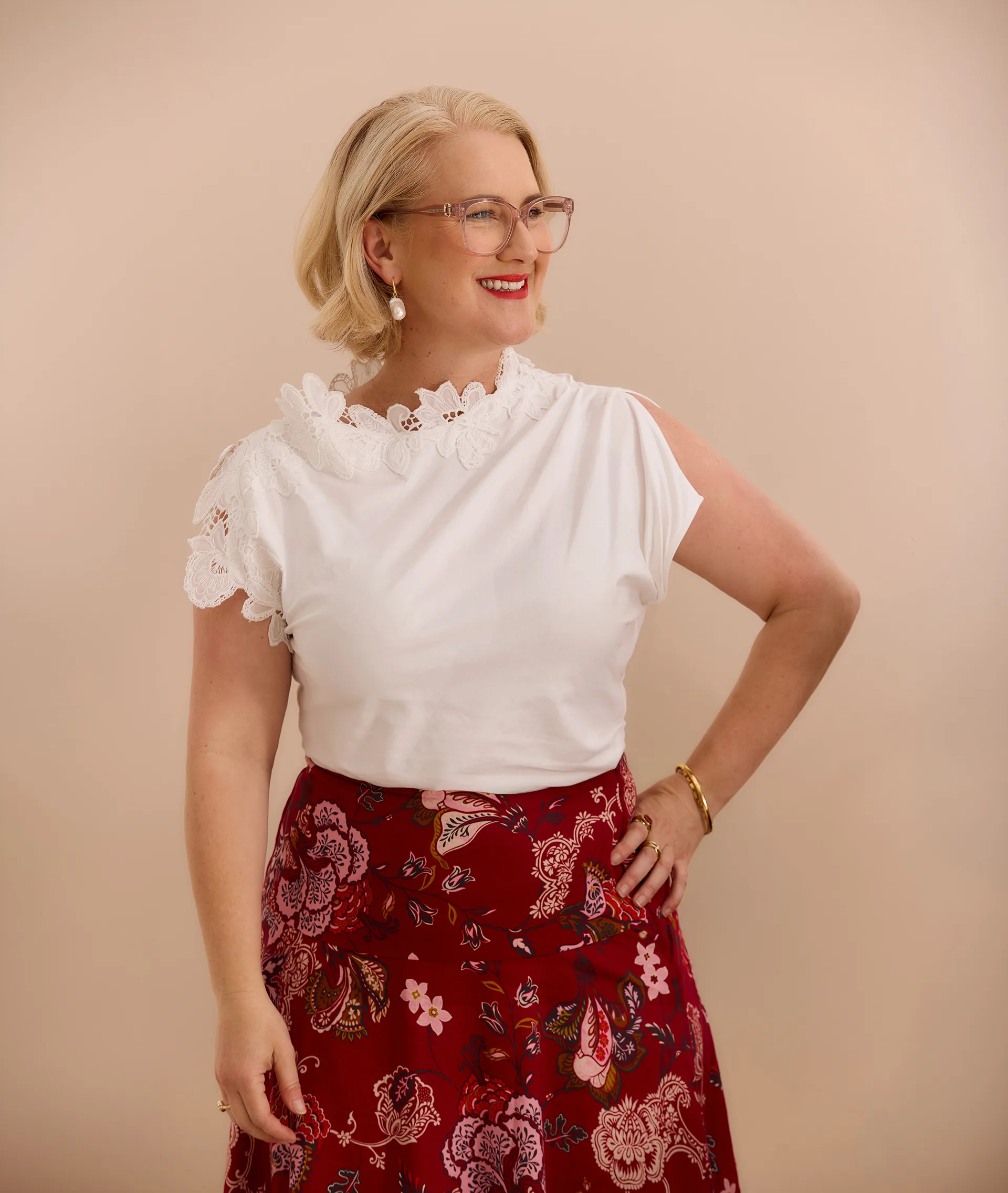
Thankfully, eyewear has come a long way since my childhood, with everything from stylish frames to multifocal contact lenses now available.

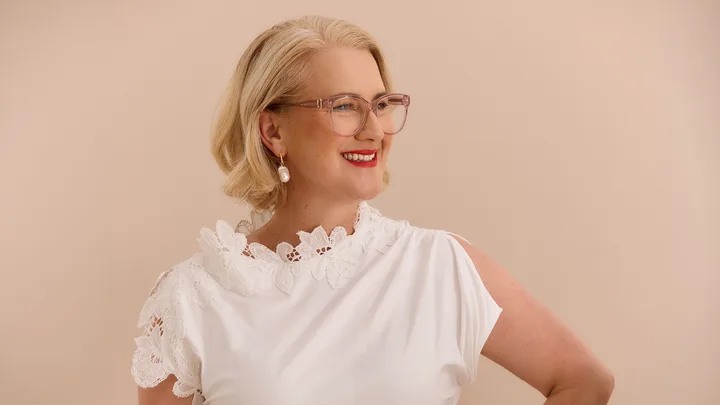
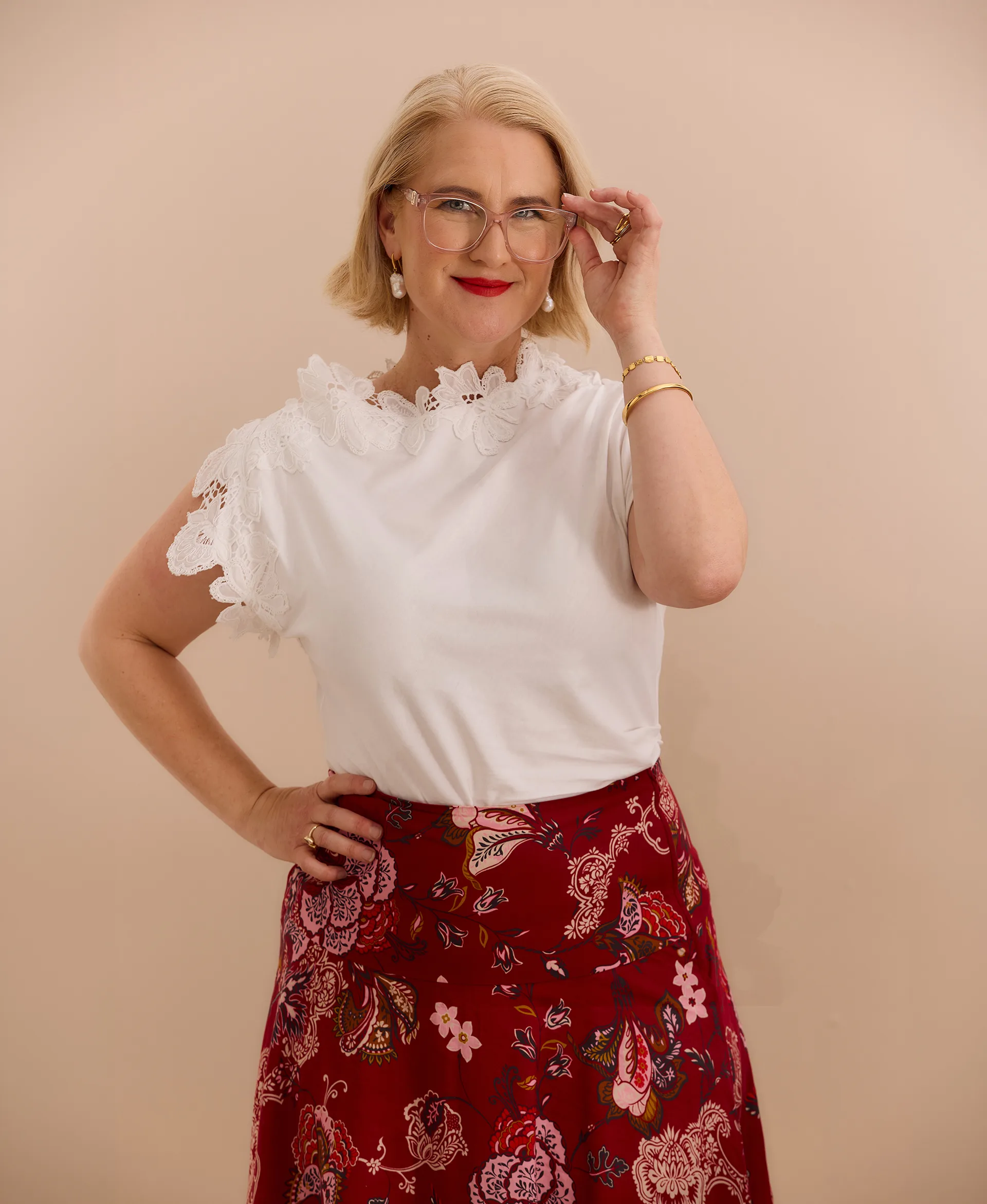
I alternate between gold-rimmed Vivienne Westwood frames and crystal acetate Marc Jacobs glasses with a pink tint – a nod to the diamanté cat-eyes I adored as a child.
Perhaps I’ve come full circle. And this time, I’m seeing things a little more clearly.
Four easy habits for healthier eyes
According to Specsavers optometrist Joanne Hau.
1. Wear your sunglasses
This helps reduce exposure to UV light and may reduce the risk of developing conditions such as cataracts.
2. Eat healthily
Make sure your diet is full of foods rich in antioxidants and other nutrients that support eye health, such as leafy green vegetables, coloured fruits and vegetables, and oily fish and nuts.
3. Take regular breaks
Try the 20/20/20 method: every 20 minutes, look at something 20 feet away for 20 seconds. This gives your eyes a break from prolonged near work and may help reduce eye strain.
4. See an optometrist
Even if you are not experiencing any vision problems, regular eye tests are important to monitor both your vision and eye health.
A version of this article was originally published in the December 2026 issue of The Australian Women’s Weekly. Subscribe so you never miss an issue.
Disclaimer: This article provides general information only and is not intended to replace professional medical advice. If you experience changes in your vision, consult a qualified optometrist or healthcare professional.
Learn more about Presbyopia here.
Book an eye test with Specsavers here.

Specsavers are locally run businesses that have been delivering accessible, affordable, and high-quality eye care and eyewear for almost 17 years in ANZ. With over 450 stores across Australia and New Zealand, Specsavers is committed to making a positive impact on the communities it serves.

