


At a glance…
- The Sydney Opera House Lottery was established in 1957 to help fund the construction of the iconic landmark, offering Australians the chance to win substantial cash prizes.
- In June 1960, Bazil and Freda Thorne won £100,000 in the lottery. Just weeks later, their eight-year-old son, Graeme, was kidnapped and murdered.
- Then-NSW Police Commissioner C. J. Delaney enlisted The Australian Women’s Weekly to help solve the murder, appealing to its readers to identify a crucial piece of evidence in the investigation.
- Content Warning: This article contains references to child abduction and murder which may be triggering for readers.
A raffle ticket can change your life. But not always in the way you might imagine.
My parents, keen for their children to return home to Ireland, recently shared a raffle to win a house back in my home town. Buy a raffle ticket and be in with a chance of scoring a house or bagging the money instead. I mentioned it to my partner, and he told me about the Sydney Opera House raffle and the shocking murder-kidnapping story it led to. I was beyond intrigued. How could a lottery designed to fund one of Australia’s most iconic landmarks become entangled in one of the country’s most shocking murder cases?
The Opera House is such an iconic building with a storied past, but I had never heard of the lottery or the tragic killing of eight-year-old Graeme Thorne. So I searched the archives of The Australian Women’s Weekly for more information. But found that in August 1960, The Weekly was called upon to help solve the murder and bring justice to the Thorne family.
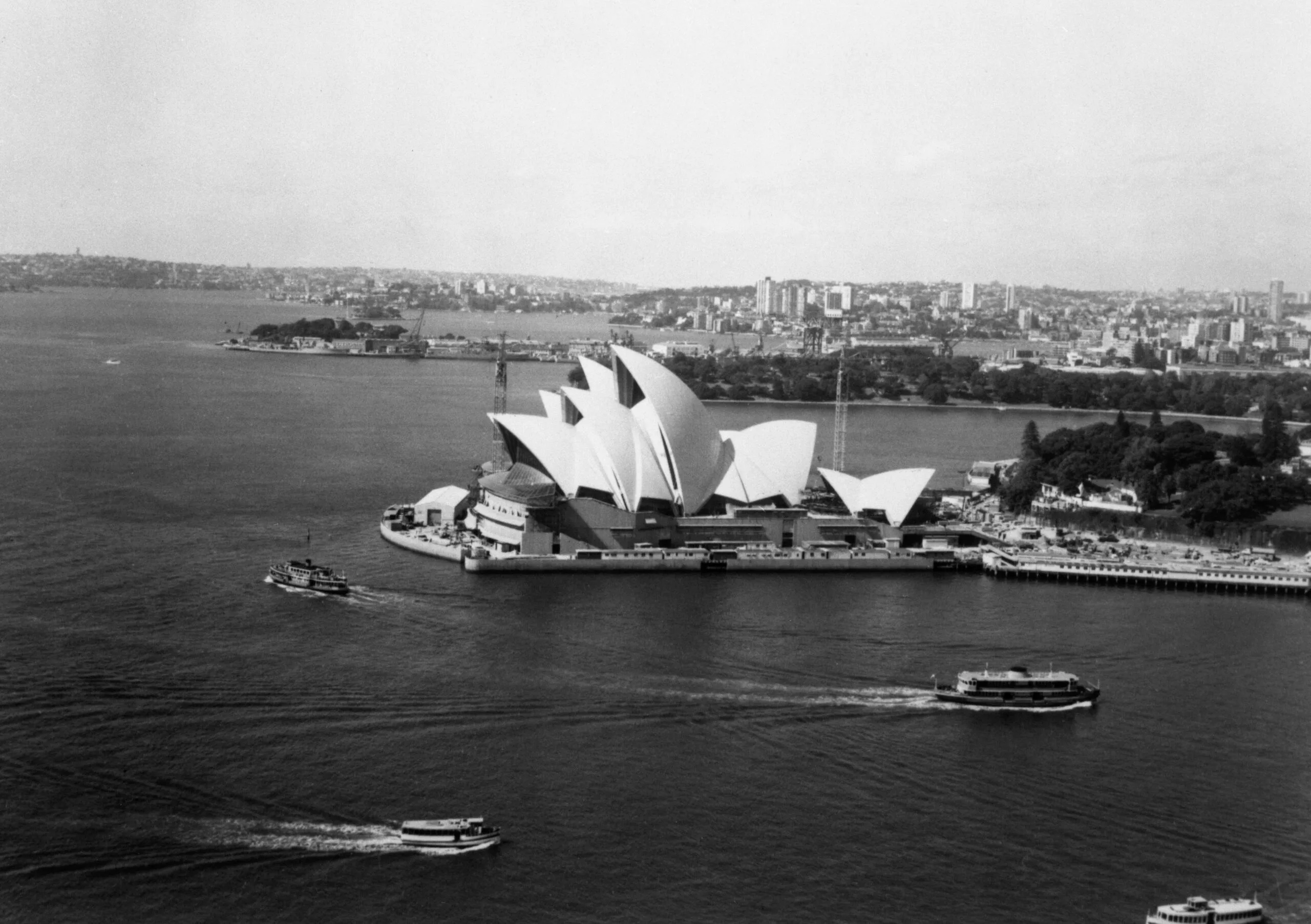
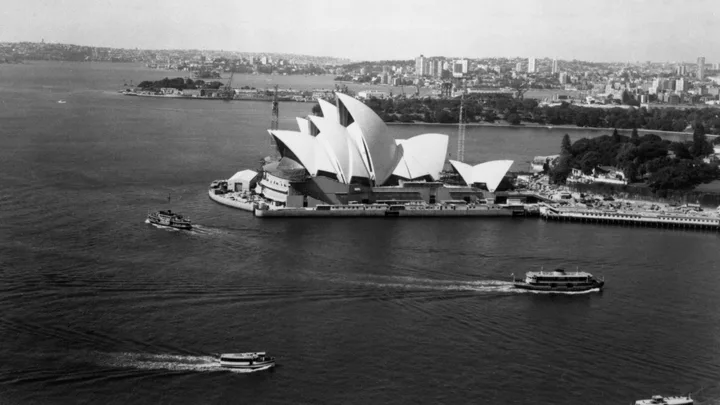
Sydney Opera House was an extraordinarily ambitious and expensive project for Australia in the 1950s. When the NSW Government committed to building the Opera House, it needed a way to finance construction without relying entirely on general taxation. So, then-Premier Joe Cahill’s Labor government introduced a special lottery in 1957. It gave Australians the opportunity to win substantial cash prizes while contributing to what would end up being a national landmark.
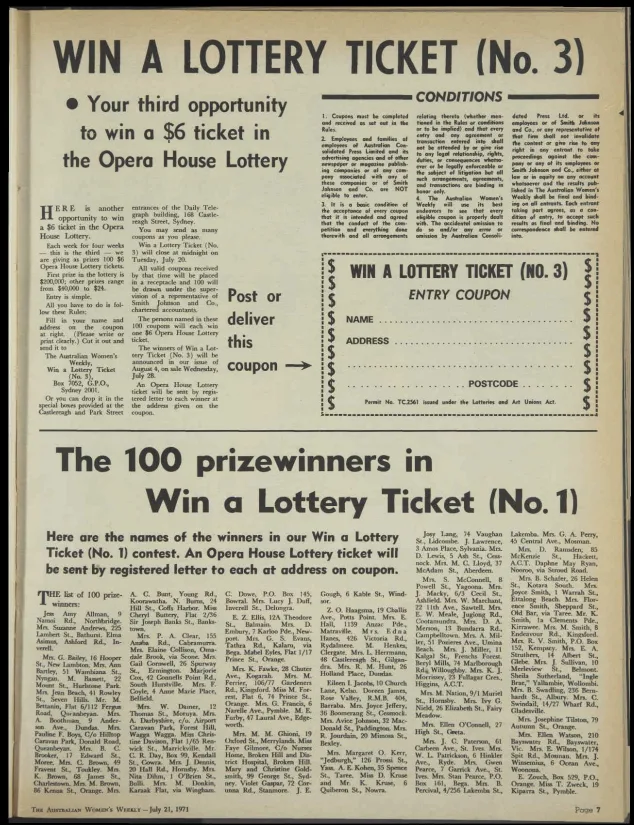
It was enormously successful. According to the NSW Treasury, tickets were on sale on 25 November 1957 and across 496 draws, approximately 86.7 million tickets were sold. We even included coupons for the raffle tickets in The Australian Women’s Weekly at the time!
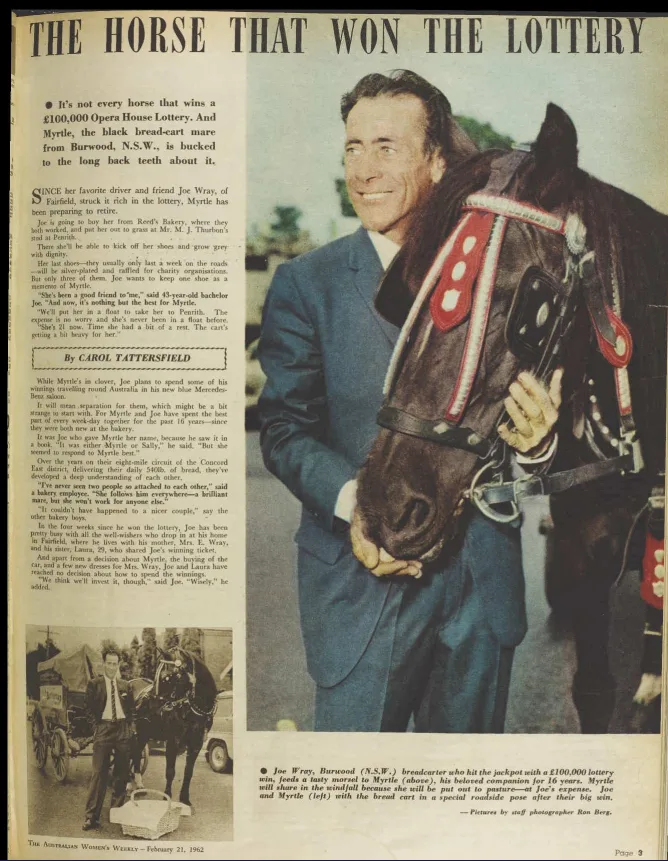
There were several winners (as you can imagine with 496 draws). We covered a couple in The Weekly, including a horse! Well, Joe Wray actually won the £100,000 (Australian pounds). He shared his winnings with his beloved horse, Myrtle. Joe and Myrtle worked together at Reed’s Bakery in Burwood, NSW, for 16 years. He used his winnings to purchase her from the bakery so she could live out her days in a clover-clad field.
“She’s been a good friend to me,” said 43-year-old bachelor Joe to The Weekly writer, Carol Tattersfield. “And now, it’s nothing but the best for Myrtle.”
However, among the good news stories surrounding the Sydney Opera House and its lottery, there is one supremely tragic one: Graeme Thorne.
Bazil and Freda Thorne, the parents of eight-year-old Graeme, won the 10th Sydney Opera House Lottery in 1960. The winning ticket, number 3932, was drawn on 1 June 1960, with a first prize of £100,000. At the time, lottery winners’ names, photographs and addresses were routinely published in newspapers and magazines. This publicity exposed the Thorne family and sadly led to the kidnapping and death of their son.
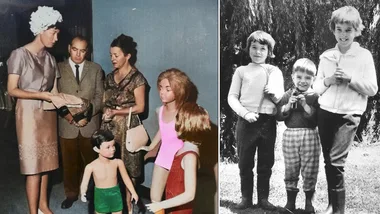

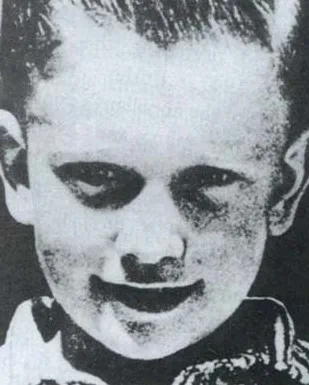
On 7 July 1960, eight-year-old Graeme left their seaside residence in Bondi for school on a day like any other. As usual, his neighbour waited to pick him to drive him to school from corner of O’Brien and Wellington Streets. However, he never showed up. After waiting, the neighbour drove to the Thorne residence to see if he wasn’t going to school that day. The Thorne family rang the school to see if he had somehow arrived there. He hadn’t.
Police were soon involved, and later that day, a sergeant answered a “threatening telephone message”, according to the Australian Police Journal. A male voice in a “foreign accent” demanded a ransom of £25,000 before 5 pm or else “the boy will be fed to the sharks”.
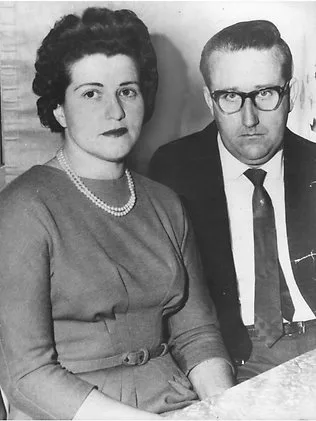
Three weeks before Graeme was taken, a stranger showed up at the Thornes’ residence and asked for a ‘Mr Bognor ‘; Freda told him none lived there. He then asked her to confirm their telephone number and read it out to her – they had just applied for a telephone so their number couldn’t have been in the directory.
On the morning of the kidnapping, a man and a woman reported seeing a 1955 Ford Customline, iridescent blue in colour, parked along the footpath on the route Graeme normally took. The following day, Graeme’s schoolbag was found on the side of the Wakehurst Parkway, and his school cap and contents of his bag were found days later about a kilometre away in the bushes.
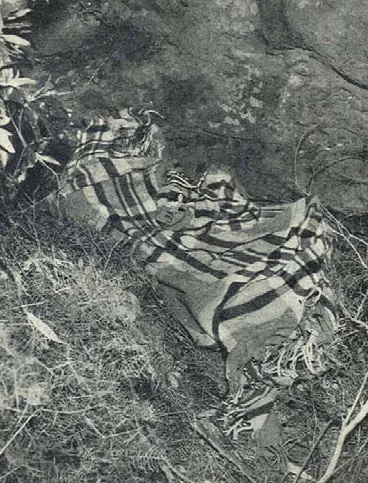
Over a month later, on 16 August 1960, his body was discovered on vacant land at Seaforth. He was fully clothed, still wearing the necktie his mother tied that morning, and his coat was fully buttoned. However, his ankles were tied with twine, and there was a scarf tied around his throat. His body was wrapped in a woollen rug. This rug became a crucial piece of evidence in the investigation. And police believed that the readers of The Australian Women’s Weekly might hold the key to identifying its owner.
On 31 August 1960, just 15 days after Graeme’s body was discovered, The Weekly published the photograph of the rug at the request of NSW Police Commissioner C. J. Delaney. The rug was one of three “vital clues” to who the perpetrator was, the original article wrote.
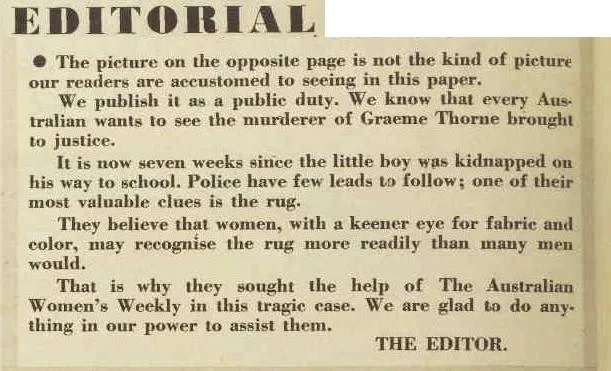
“We publish it as a public duty. We know that every Australian wants to see the murderer of Graeme Thorne brought to justice,” the magazine declared.
The appeal was directed specifically at women, who police believed might be particularly well placed to recognise the distinctive fabric.
“They believe that women, with a keener eye for fabric and color [sic], may recognise the rug more readily than many men would.”
It was a revealing reflection of the era, when women’s familiarity with fabrics and household furnishings was considered a potential advantage in a murder investigation.
“That is why they sought the help of The Australian Women’s Weekly in this tragic case. We are glad to do anything in our power to assist them,” wrote the Editor of the time, Esmé (Ezzie) Fenston.
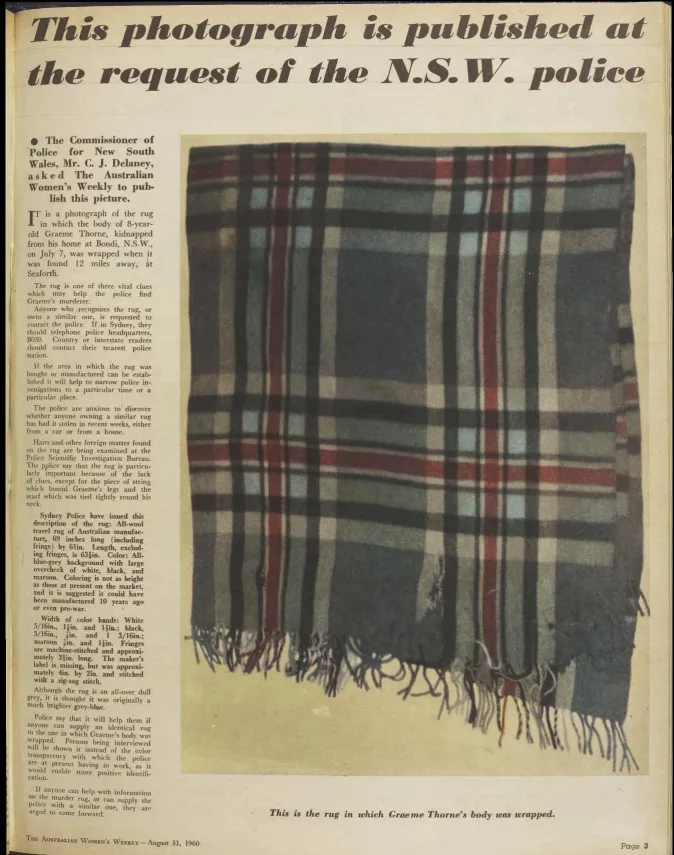
While it’s unclear whether the appeal generated any useful leads, the rug itself would prove instrumental in identifying Graeme’s killer.
It was eventually identified as one of 3,000 made at the Onkaparinga Mills in South Australia between May 1955 and January 1956. It contained crucial forensic evidence, including soil, plant material, mortar and animal hairs, which eventually led to the killer’s home.
At the time, Stephen Bradley, his wife Magda and their three children lived in the house. Stephen was born in Budapest in 1926 and emigrated to Australia in 1950. His first wife was Eva Mario Lazlo, whom he lived with in Melbourne until she died in a car accident in 1955. They had one child together. In 1958, he married Magda, who had two children from a previous marriage. Police found that Stephen had sold his Ford Customline Sedan in the same blue colour the witnesses saw. They traced it and found a hairbrush in the boot with dog hairs that were “indistinguishable” from those found on the rug and on Graeme.
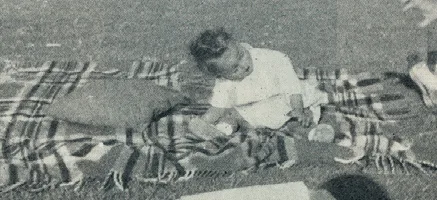
A neighbour of Stephen’s found parts of a roll of 35mm negatives in the garden of his residence and gave them to police. The negatives showed photographs of Stephen and his family, including one with the rug fully opened out to reveal its pattern. An old acquaintance of Stephen’s from Melbourne confirmed that he gave a similar rug to his wife in 1955.
Graeme’s parents identified Stephen from a photograph as the stranger who came to their house to look for a “Mr Bognor”. The witnesses who saw the car also identified him as the driver.
A warrant was issued for his arrest. However, he fled the country with his family, but on 10 October 1960, he was arrested in Colombo, Ceylon (now Sri Lanka) while en route to the UK. He “lost his composure” during his arrest and confessed. Just over a month later, he was extradited to Australia. He subsequently claimed that Graeme’s death was accidental, that he had asphyxiated in the boot of the car that was locked in the garage. When he opened it hours later, he allegedly discovered Graeme had perished. However, this wasn’t consistent with the forensic evidence.
His trial took place from 20 to 29 March 1961 at the Central Criminal Court, Sydney. He pleaded not guilty, and his initial confession was coerced by police. However, on 29 March 1961, Stephen was found guilty of Graeme’s murder and sentenced to life imprisonment. He died in Goulburn Gaol in October 1968.
In his handwritten confession, he admitted to learning about the Thornes’ lottery win and deciding to kidnap his son for ransom. He also admitted to being the stranger who came by that morning looking for an old friend. Stephen confessed that he followed Graeme and came to know his route. That morning, when Graeme was walking by, he told him that he was picking him up instead of their neighbour, as she was sick. Graeme believed him and got in the car.

The Sydney Opera House Lottery was created to help build what would become one of Australia’s most recognisable landmarks. But for the Thorne family, their winning ticket came at an unimaginable cost. Following Graeme’s murder, lottery rules were changed to allow winners to remain anonymous.
And while we may never know whether The Weekly‘s appeal helped police in their investigation, those pages from August 1960 reveal the faith police placed in the magazine’s readers, and their recognition that Australian women could play an important role in bringing a murderer to justice when the nation was searching for answers.

