




Australia has a protein obsession. Or at least, it feels that way.
Everywhere I look, I’m being told to eat more of it. Protein yoghurt, protein bars, high-protein recipes. I’ve even found myself stressing about whether I’m getting enough.
So when I mention to Professor Felice Jacka, director of the Food and Mood Centre at Deakin University and the 2026 L’Oréal-UNESCO For Women in Science Laureate, that it feels like we all need to be eating more protein, her response is immediate.
“Although it’s not,” she tells me. “We need to eat a lot more fibre.”
Her point isn’t that protein isn’t important but that we should all be thinking more about fibre. According to the Australian Bureau of Statistics, 98.5 per cent of Australians get enough protein, yet 83 per cent do not meet recommended fibre targets. For women, that’s around 25 grams a day.
Why fibre matters
Most of us know fibre as the thing that keeps us regular, but it does a lot more than that.
It helps support a healthy gut microbiome and is also linked to better blood glucose and cholesterol levels, as well as a lower risk of heart disease, type 2 diabetes and colorectal cancer.

“Fibre and these polyphenols, which are chemicals that are in plants, are the main food for our gut microbiome,” Felice explains.
Because our bodies can’t completely break down fibre on their own, it passes through to the gut, where our microbes get to work. As the microbes break the fibre down, they produce thousands of different molecules that can affect everything from our immune system to our stress response and brain.
“Seventy per cent of our immune cells are actually in the gut,” Felice says. “If your gut microbes are not getting fibre and polyphenols, they’re not producing the molecules that are keeping you strong and resilient.”
The best high fibre foods
So what should we actually be adding to our grocery list?
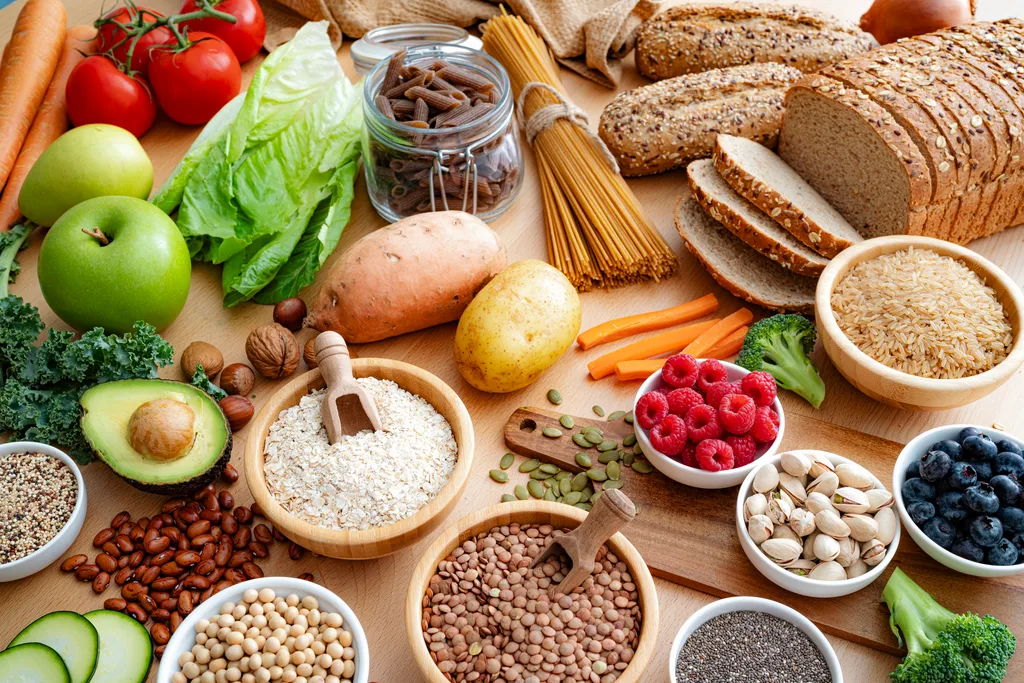
Wholegrains are a big one. In fact, Felice says they’re something her research keeps pointing back to “again and again and again”.


“Oats, barley, rye, quinoa, brown rice – all of these different types of wholegrains seem to be really important for gut health and for mental health, as well as physical health.”
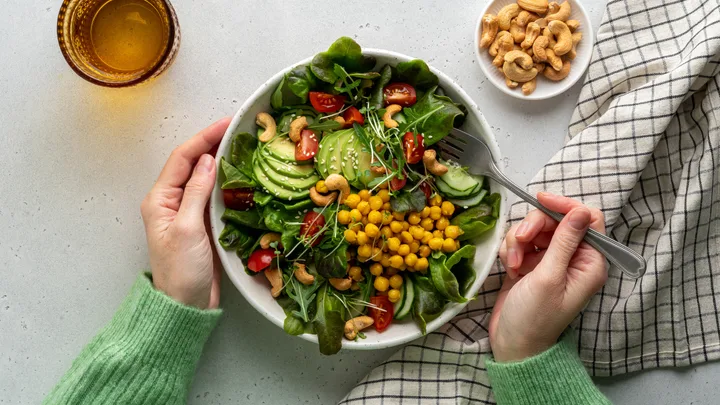
She’s very enthusiastic about legumes. “Lentils, chickpeas, beans of all sorts, peas. These are all fantastic forms of protein, of fibre for the gut,” she says. “They’re a win-win. They’re cheap, they’re really filling, full of protein, full of fibre.”
“And then, of course, there’s the colourful vegetables that have got those polyphenols in them,” she adds.


And it’s not as hard as you may think to eat more fibre. “It’s putting a tin of lentils into your spag bol, buying wholemeal pasta instead of non-wholemeal pasta, buying a five-grain bread or porridge.”
“If you focus on increasing the amount of good stuff in your diet, the bad stuff tends to just drop away because it gets displaced,” she points out.
Felice is particularly concerned about how much ultra-processed food we’re eating, especially as it’s replacing the whole foods that naturally give us fibre and polyphenols.
So before you rush out and grab something with “high fibre” splashed across the packet, look at what’s actually in it.
Even when fibre has been added to a product, “it might be one type of fibre, but you need all sorts of different types of fibre.”
“You need them in their whole form,” she adds.
It’s why she checks the ingredients list. “You can look at these bars and they might just be predominantly nuts and seeds and dates. They’re fantastic,” she says. “But the ones that have got a lot of things that you can’t pronounce, and things like emulsifiers and gums… it’s the emulsifiers that I look for personally.”
Mix up your fibre
Eating more fibre is a good start, but Felice also wants us to mix up where that fibre comes from.
“There are so many different types of fibres,” she says. “There’s some that are not very fermentable right up to super fermentable, and everything in between. But they all have different impacts on the gut microbiome.”
If you tend to eat the same things on repeat, change it up. “The more diverse your diet, the more diverse your microbes,” she adds. “It’s a bit like a rainforest. It’s very diverse, lots of different plants and insects and fungi and all sorts of things. It means it’s very resilient.”
And if you want to give your gut a little extra love, Felice is a fan of fermented foods.
“With a fermented food, the microbes are doing what they do in your gut, but instead they’re doing it in a bottle or in a jar,” she explains.
The research is still developing, but Felice notes the evidence so far suggests fermented foods may help support the diversity and resilience of the gut microbiome and reduce markers of inflammation.
So add things like plain yoghurt, kefir, sauerkraut, kimchi, tempeh and kombucha to your trolley.
For all the complexity of the gut microbiome, Felice’s advice for a healthy gut is surprisingly simple.
“What you need to eat to optimise your health, whether it’s physical health, mental health or brain health, is really simple,” she says. “It’s focusing on nurturing your body and brain and your gut with foods that are high in fibre and polyphenols, and probably fermented foods.”

