




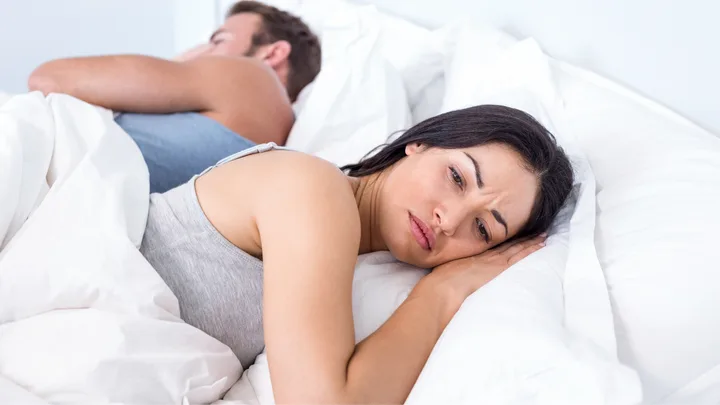
Feeling constantly tired has quietly become part of modern life. The 3am wake-ups. The racing mind. The fractured nights spent tending to children, worrying about tomorrow or lying still beside a partner who seems blissfully unaffected (or worse, is snoring). Exhaustion is worn like a badge of honour, not a problem to solve.
But growing evidence suggests women’s sleep struggles aren’t imagined or exaggerated. They reflect a genuine gap, shaped by biology, hormones, social expectations and an unequal mental load that follows women to bed each night.
“Sleep is not just about how long you sleep,” says Dr Aurore Perrault, a researcher with the Sleep and Circadian Research Group at the Woolcock Institute of Medical Research. “It’s about how well you sleep – and for women, there are many layers that interfere with that.”
On World Sleep Day, new data is highlighting just how widespread the problem has become. An Australian sleep survey found 48 per cent of women wake feeling well-rested three nights a week or fewer, meaning for many, a truly good night’s sleep is still hard to come by.
The effects go beyond feeling tired the next day. According to Resmed’s 2026 Global Sleep Survey, women are significantly more likely than men to report symptoms linked to poor sleep, including brain fog (39 per cent vs 26 per cent), irritability (42 per cent vs 32 per cent), daytime sleepiness (38 per cent vs 28 per cent) and anxiety (32 per cent vs 22 per cent).
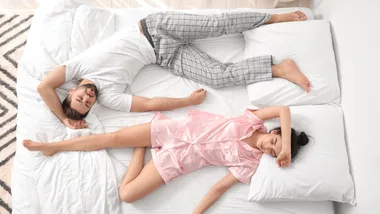

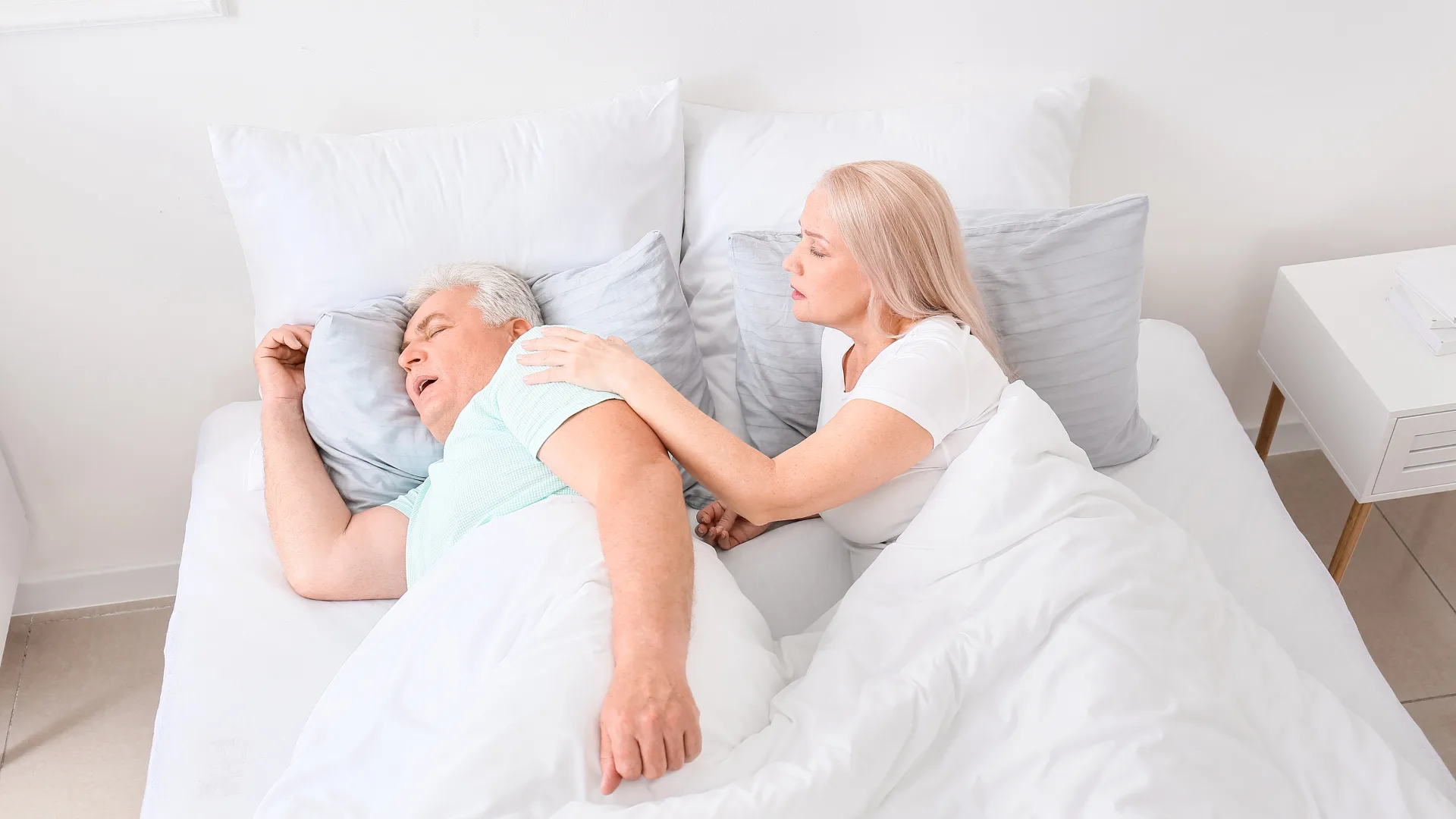
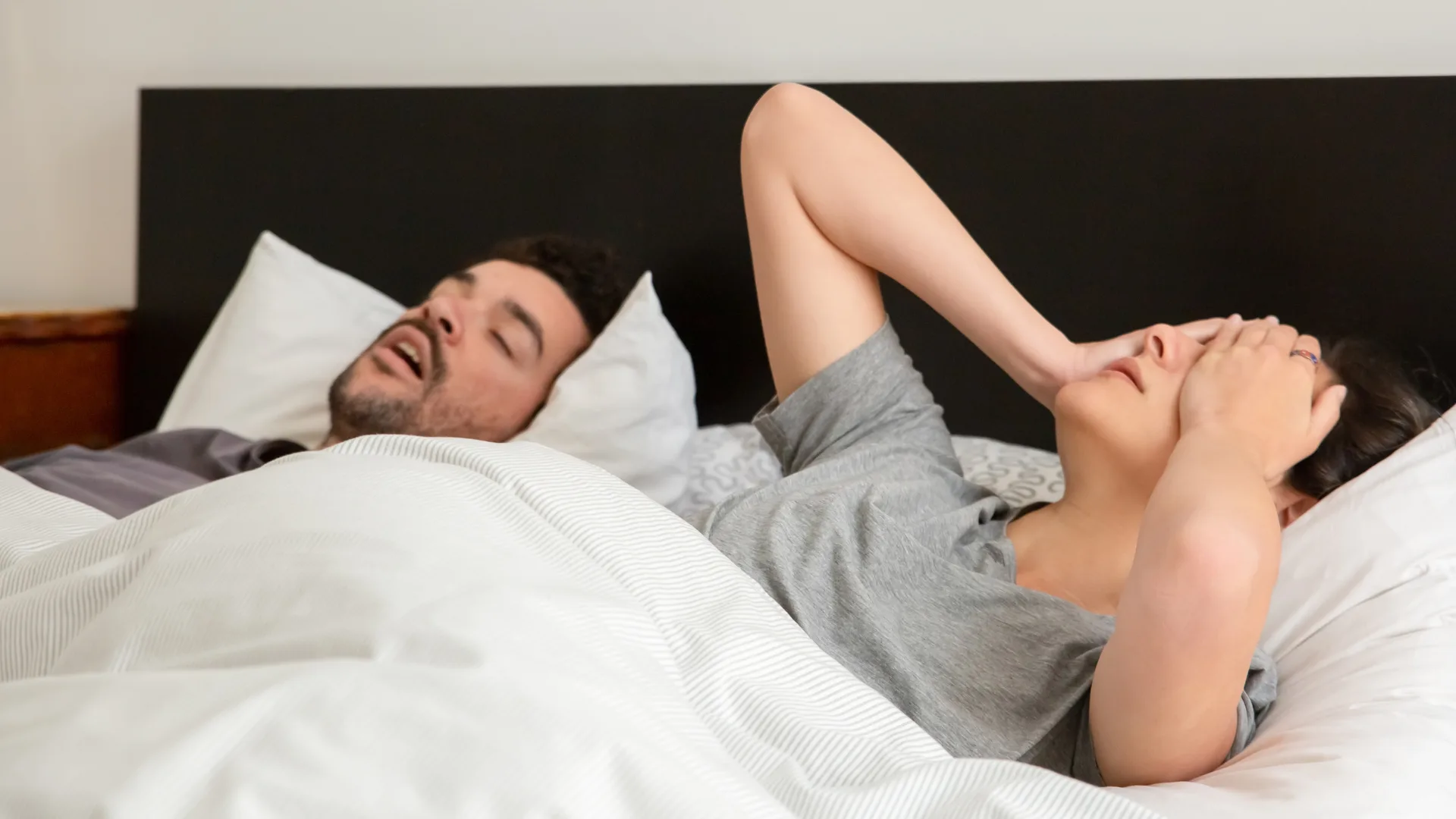
And sometimes, the reason is lying right beside them. More than half of women say a partner’s snoring or loud breathing disrupts their sleep, yet many couples continue sharing a bed despite the impact on rest and health.
For many women, the experience will feel all too familiar.
Do women really sleep worse than men?
The idea of a gender sleep gap can sound contradictory. Large international studies using sleep trackers suggest women may actually sleep slightly longer than men, by around 20 minutes. Yet women are more likely to report poor sleep and to be diagnosed with insomnia.
“As a clinician, I’ve always seen far more women presenting with insomnia,” says Dr Moira Junge, CEO of the Sleep Health Foundation. “Women are about 40 per cent more likely to be diagnosed with insomnia than men, particularly after puberty.”
That contradiction highlights a critical distinction: sleep quantity versus sleep quality.
“Women may be in bed longer, but their sleep is often more fragmented, lighter and less restorative,” Dr Junge explains. “They take longer to fall asleep and wake more frequently during the night.”
Australian research supports this. Studies such as the Household, Income and Labour Dynamics in Australia (HILDA) survey show parents sleep less than non-parents, and that mothers consistently report poorer sleep quality and quantity than fathers. Across their life course, women’s sleep is shaped by caregiving, work demands and stress in ways that compound over time.
“It’s not that men don’t struggle with sleep,” Dr Junge says. “But women are far more likely to carry multiple factors that disrupt it at once.”
Hormone fluctuation
One of the most under-acknowledged drivers of the sleep gap is hormonal fluctuation – something women experience continuously for decades.
Oestrogen and progesterone play a significant role in regulating sleep. Across a typical menstrual cycle, shifting hormone levels alter sleep.
“During the follicular phase, when oestrogen is higher, sleep tends to be deeper,” Dr Perrault explains. “When hormone levels drop, we see more fragmented sleep.”
From puberty to menopause, those fluctuations are constant, and pregnancy, postpartum and perimenopause further increase the risk of sleep disturbances.
“We see a twofold increase in insomnia after puberty,” Dr Perrault says. “We also see increased sleep apnoea during pregnancy and perimenopause, and higher restless legs syndrome rates with each pregnancy.”
“Some women are very sensitive to hormonal change itself – not necessarily the level, but the fluctuation – and experience sleep problems, mood changes and fatigue. Others don’t react much at all.”
This variability explains why there is no single “normal” sleep pattern for women – and why so many feel confused or dismissed when their experiences don’t match expectations.
The mental load
Biology alone doesn’t explain the gender sleep gap. Social expectations – and the invisible labour women carry – play a powerful role. Women are more likely to shoulder caregiving responsibilities, household management and emotional labour, often at the expense of rest. Even when they do sleep, their minds remain active.
“The mental load is huge,” says Dr Junge. “Women are more likely to lie awake ruminating – thinking about tomorrow, worrying about family, replaying conversations.”
Physiologically, that matters. Persistent stress keeps the nervous system activated, increasing cortisol and adrenaline. “If the brain detects stress or perceived danger, it stays vigilant,” Dr Junge explains. “Sleep becomes lighter, more fragmented, and it’s harder to fall back to sleep once you wake.”
Women are also more prone to anxiety and depression, both of which are closely linked to insomnia. Over time, disrupted sleep and poor mental health reinforce one another.
“Many factors driving sex differences in insomnia aren’t about sleep itself,” Dr Perrault says. “They’re psychological and social, stress, mental health, safety concerns and caregiving.”
A health issue
Chronic poor-quality sleep doesn’t just affect how women feel – it affects long-term health. “Sleep loss increases the risk of cardiovascular disease, type 2 diabetes, weight gain and mental health disorders,” Dr Junge says. “There’s also evidence linking long-standing disturbed sleep with cognitive decline.”
Importantly, it’s not simply linked to just getting fewer hours.
“It’s more about not sleeping well enough,” Dr Perrault says. “Chronic sleep disruption affects mood regulation and emotional processing more severely in women.”
Despite this, many women normalise exhaustion – or blame themselves for not coping better.
“There’s a dangerous idea that poor sleep is part of being a woman,” Dr Junge says. “It’s not something you should simply put up with.” But, she warns against turning sleep into another performance metric.
“You can’t excel at sleep,” she says. “The best sleepers don’t think about it at all.”
For some women, sleep tracking and optimisation can actually worsen anxiety and perpetuate insomnia.
“About 15 per cent of people become more anxious when they track sleep,” Dr Junge explains. “That anxiety itself becomes the problem.”
Closing the gap
Experts agree that persistent sleep problems warrant professional support. “If insomnia, sleep apnoea or restless legs syndrome are present seek assessment and treatment,” advises Dr Perrault.
For insomnia, cognitive behavioural therapy for insomnia (CBT-I) is considered the gold standard. Unlike sleeping pills, CBT-I addresses the thoughts, behaviours and stress responses that perpetuate poor sleep.
Sleep regularity also matters. “The brain loves rhythm,” Dr Perrault says. “Regular sleep-wake times, daylight exposure and a supportive sleep environment make a big difference.”
For women navigating hormonal transitions, awareness is key.
“I encourage women to track their menstrual cycle alongside sleep, mood and energy,” she says. “Understanding your own hormonal sensitivity helps you predict changes and respond with compassion, rather than fear.”
Ultimately, closing the gender sleep gap requires cultural change – shared responsibility, realistic expectations and permission for women to rest.
“When women are supported, everyone benefits,” Dr Junge says. “Sleep is fundamental to health. It’s not a luxury – and it’s not something women should have to earn.”
Sleep 101
To clock more restorative rest, make sure you’ve got the basics covered before jumping into bed:
- Keep sleep and wake times as regular as possible.
- Get daylight exposure early in the day.
- Make your bedroom cool, dark and comfortable.
- Address stress and rumination, not just bedtime habits.
- Track patterns rather than chasing perfect sleep.
- Seek professional help if sleep problems persist.
The article originally appeared in the March 2026 issue of The Australian Women’s Weekly. Subscribe so you never miss an issue.

