



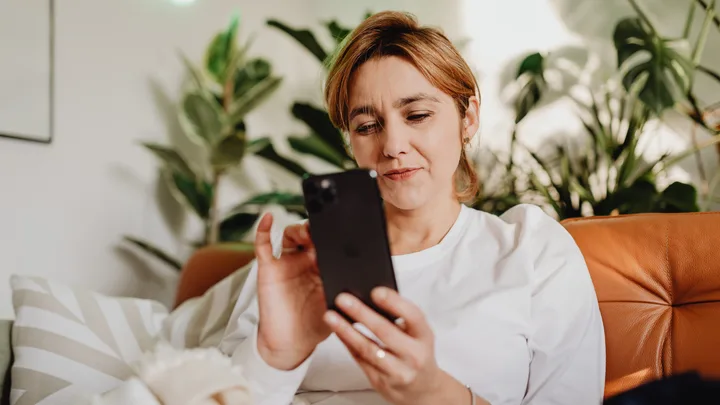
From all-natural evangelicals claiming watermelon juice is as good as sunscreen, to celebrities endorsing flat-tummy tea, our digital lives are awash with questionable wellness claims. But what about that menopause supplement with supposed clinical trials, or the anti-cellulite cream your sister swears by? In a sea of miracle cures and disguised sales pitches, how can intelligent women separate fact from fad?
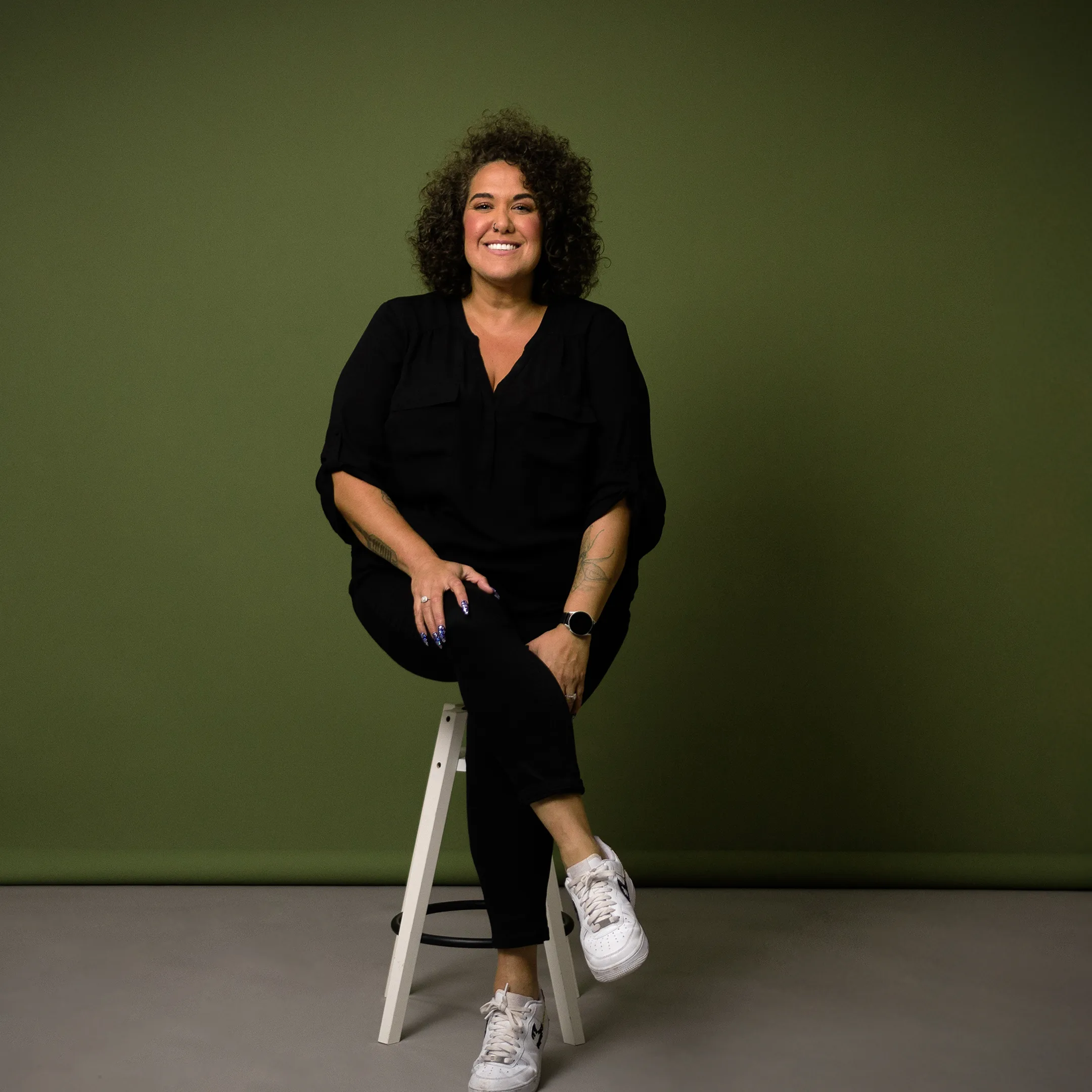
In 2004, the voice of 16-year-old Casey Donovan filled living rooms across Australia, as she was catapulted into the public eye as the winner of Australian Idol season two. With the country transfixed by her talent, the media soon began to scrutinise her body. “I think at one point I answered a question about what I’d had for breakfast. And I said, ‘A can of Coke and Snickers!’ and that just ran like wildfire,” she recalls.
You might think someone as successful and intelligent as ARIA award winner Casey would be immune to wellness misinformation, yet, she admits, “I’ve tried almost everything when it comes to health and weight loss.” Casey once even found herself on the other side of a weight-loss scam when her face was used – without her knowledge – to sell a weight-loss gummy she’d never even heard of.
Casey has since found a balanced approach to health, but she’s candid about what it took to get there. “There are a lot of vulnerable people who will try almost anything. And I’ve been one of those people.”
The smart woman paradox
Indeed, intelligence is often no match for the wellness misinformation machine, with high-achieving, health-conscious women proving surprisingly vulnerable to false health claims. Professor Susan Davis, a specialist endocrinologist and head of the Women’s Health Research Program at Monash University, has long been fascinated by this phenomenon.
“I’ve asked highly educated women who have gone down some really bizarre paths, what attracted them,” she says. “I think there’s this interaction between highly educated women seeking wellness and taking responsibility for their health, and people putting highly polished, believable information in front of them, presented in a professional way – it’s misinformation dressed up to look like information.”
The stigma around women’s sexual and reproductive care means that women’s health is especially burdened by misinformation. Research has found that women will avoid seeking out the right information because of negative messaging around reproductive health, allowing misinformation to quietly thrive.
This “damned if you do, damned if you don’t” paradox goes some way to explain what women face whenever they go online for answers.
Trust me, I’m a (TikTok) doctor
Two of the biggest markets for women’s health products and services are weight loss and perimenopause support. It often begins with a frantic Google AI search or a scroll through social media. And before you know it, your feed fills with ads targeting “hormone balancing” solutions marketed by someone wearing a white coat. This oversaturated digital landscape creates a dangerous illusion of consensus, with influencers capitalising on trending topics for views.
A University of Sydney study recently revealed how social media influencers use fear-mongering tactics to promote health tests with limited evidence.
Ariella Heffernan-Marks is a women’s health doctor and CEO and founder of Ovum AI – a platform dedicated to addressing gaps in women’s healthcare. She highlights the scale of this problem with the “femtech” industry projected to reach $117 billion by 2029.
“Anyone can put on a scrub and go on TikTok and say, ‘This drug does this!’ and it’s so easy to just keep scrolling and stop questioning,” explains Dr Heffernan-Marks. She also notes that experiences of medical gaslighting and systemic bias often drive women to seek healthcare information from digital sources, making them more vulnerable to misinformation.
A perfect storm
Michelle Wentworth, a 48-year-old Sydney-based domestic violence and homelessness caseworker, is exactly the type of intelligent, capable woman the wellness industry loves to target. At 45 she developed heart palpitations and vertigo, coupled with irregular periods, leading her doctor to suggest she was entering perimenopause.
“Right away, she told me, ‘I want to put you on Estrogel and progesterone,’ and I thought, hang on, this is a natural occurrence, this is supposed to happen to everyone,” says Michelle, who didn’t want to jump straight down a medical route.
But when she began looking at natural menopause supplements Michelle uncovered a thriving industry ready and waiting. “It’s massive,” she says of the multi-billion-dollar female health market.
“I tried pretty much all the supplements on Facebook and Instagram,” she recalls. “At the time, I was determined to find anything that would help me to live my life. I had a pretty intense job, adult kids, a grandchild, and was a foster carer – which is a lot.”
Michelle was left thousands of dollars poorer while her symptoms, now including debilitating migraines, only worsened. For Dr Heffernan-Marks, Michelle’s experience is worryingly familiar. She points to a perfect storm of vulnerability, with women lacking time for proper research, feeling the emotional strain of their symptoms, and coming up against systemic biases that get in the way of good care.
“Overall, it’s not easy for women to access information they need due to interpersonal and structural biases that exist in our medical system,” she says.
The big, bad gender bias
The wellness industry excels at weaponising women’s negative experiences with conventional healthcare, positioning alternative products as an empowering solution.
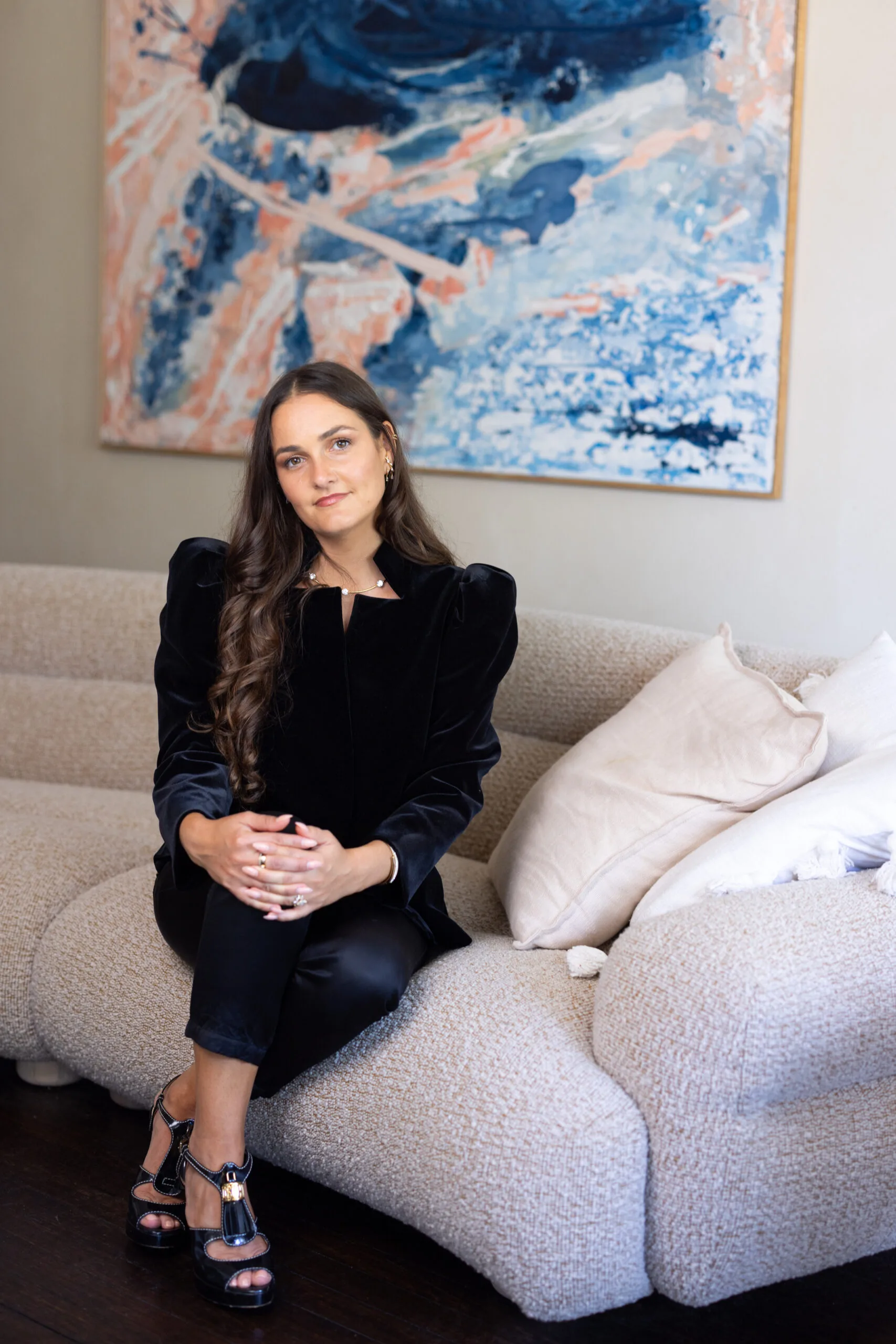
Victorian teacher Jo Draga, 44, spent five years navigating questionable advice after being dismissed by doctors. After repeatedly hearing her symptoms (including debilitating pelvic pain, hot flushes and brain fog) were not likely perimenopause, she tried an array of supplements and ineffective medications thanks to multiple misdiagnoses.
She turned to an online practice that prescribed hormones without prior testing. “They hadn’t even seen me physically … and yet they were prescribing me a full menu of HRT,” she says, referring to menopausal hormone therapy (MHT), which should be administered with doctor oversight.
“We’d spent so much money over five years on medical bills and trying to get help,” Jo recalls. A simple laparoscopy revealed endometriosis, which, alongside perimenopause, explained many of her symptoms.
And Jo is far from alone. The 2024 End Gender Bias Survey showed more than 70 per cent of women felt discriminated against in medical settings, a statistic that Dr Heffernan-Marks points to as a huge factor in feeding women into a pipeline of wellness scams.
The science gap
Perhaps most alarming is the gap between what science supports and what’s being marketed to women. Casey, Michelle and Jo all report cycling through various products and finding little to no lasting effect, which Professor Davis can succinctly explain.
“There’s no evidence natural therapies alleviate menopausal symptoms,” she confirms, referring to a 2023 statement by The North American Menopause Society concluding that no herbal remedies currently pass scientific muster. The Australasian Menopause Society has a similar stance.
And yet menopause supplements fly off the shelves. This is thanks in part to careful marketing that avoids Therapeutic Goods Association (TGA) regulations that apply to making definitive claims. For example, instead of saying a supplement “reduces anxiety”, they might say it “supports a healthy stress response”.
Careful phrasing suggests potential benefits without legally promising results, allowing products to be marketed with minimal scientific evidence or regulatory scrutiny.
The supplement industry flourishes by filling gaps in conventional healthcare, and while certain supplements can help with some conditions, it’s essential to check any product complies with Australian standards and achieves what it promises.
Reclaiming the narrative
We know misinformation spreads in the presence of stigma and bias. And many women are working to break down these barriers and take back control of their health.
Casey now focuses squarely on longevity. “I’d like to be here for a long time,” she says. “It’s about finding what works for me.” Michelle now helps others dodge the traps she once fell into. And Jo found strength in an online support group grounded in science, and a GP who “never makes me feel silly for asking questions”.
Professor Davis encourages women to embrace nuance when seeking care. “People want black-and-white. They want certainty. If I had all the answers, and if I could do a blood test and prescribe the perfect hormone therapy for every woman, I’d make a fortune,” she says. But the reality is messier than the one-size-fits-all promises often made by the wellness industry.
Indeed, the most powerful remedy isn’t in a bottle. It’s in the collective power of women sharing lived experience and fighting for better care. While women may be a prime target of health fads, we’re also the antidote.
Red flags to look out for
- Language promising quick, miraculous results or “one-size-fits-all” solutions.
- Marketing that plays on medical distrust or positions itself against “mainstream medicine”.
- Claims based on testimonials rather than evidence.
- “Experts” with questionable credentials or who have financial interests in products.
- Pressure tactics suggesting a “limited time” offer.
- Language that evades TGA regulatory oversight, such as “This product may support your metabolism”.
- Check for TGA compliance. All medicines that are approved for supply by the TGA include either an AUST R, an AUST L or an AUST L(A) number on their label.

