




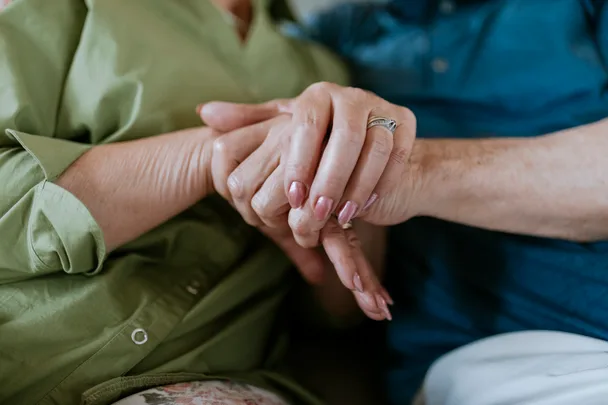
Could your relationship status have an impact on your health?
A new US study is getting attention after finding that people who have never married may be more likely to develop certain cancers. But before it raises any alarm bells, it’s important to look beyond the headline.
Here’s what the research actually shows.
What the study found
Researchers analysed eight years of health data from more than four million adults aged 30 and over across 12 US states, comparing people who had ever been married (including those who were divorced or widowed) with those who had never married.
Around one in five people fell into the never-married group.
Overall, women who had never married were found to have up to an 85 per cent higher risk of developing cancer, while never-married men had around a 70 per cent higher risk compared to those who had been married at some point.
Which cancers were more common?
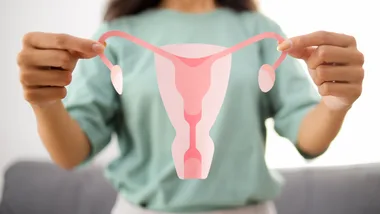
Cancers linked to smoking, such as lung and oesophageal cancer, were more common among people who had never married. For women, there were also higher rates of endometrial and ovarian cancers, which may be partly linked to lower rates of childbirth, known to have a protective effect for some cancers.



Some of the biggest gaps were seen in cancers linked to infections. Rates of anal cancer in men and cervical cancer in women, both associated with HPV, were significantly higher among those who had never married.
But for cancers where routine screening is common, such as breast and prostate cancer, the difference was much smaller. Regular check-ups and early detection appear to help level things out, regardless of relationship status.
Why this might be happening
Researchers are clear that there isn’t a single explanation.
“Marriage reflects enduring social, economic, and institutional ties that may influence cancer risk through multiple mechanisms,” the study authors wrote.
In other words, it’s less about marriage itself and more about what often comes with it.

People in long-term partnerships may be more likely to adopt healthier habits over time, like smoking less, drinking less and staying on top of their health.
There’s also the practical side of having someone who notices changes, encourages you to see a doctor, or reminds you (more than once) to book that screening you’ve been putting off.
Unmarried people appear to be less likely to keep up with regular screenings, whether due to lifestyle, time, finances or simply not having that external prompt.

So, does marriage “protect” your health?
Not exactly.
The researchers are clear that marriage itself isn’t a magic fix, and this study doesn’t prove that getting married will protect you from cancer.
“This doesn’t mean that people need to get married,” said study author Dr Frank Penedo, from the Sylvester Comprehensive Cancer Center at the University of Miami Miller School of Medicine.
“It means that if you’re not married, you should be paying extra attention to cancer risk factors, getting any screenings you may need and staying up to date with your healthcare.”
What’s worth taking from this
It’s not the wedding ring that matters.
What this research really highlights is the importance of the small, everyday habits that support long-term health, things that can exist with or without a spouse.
Keep up with screenings. Check in with your GP. Pay attention to changes in your body. And have people in your corner, whether that’s a partner, a friend, a sibling or someone who’ll ask, “Have you had that looked at?”

