




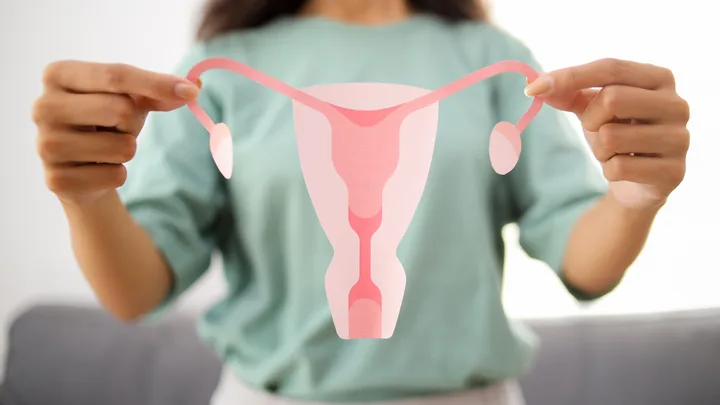
Australia is officially on track to become the first country in the world to eliminate cervical cancer as a public-health problem – a once-unthinkable milestone built on decades of vaccination, screening and earlier detection.
The latest progress report from the Centre for Research Excellence in Cervical Cancer Control shows disease rates are falling and survival is steadily improving.
For gynaecological oncologist Dr Rosie McBain, the progress is heartening, but it’s not the whole story.
“The vaccine is only one part of the strategy, it is vital that eligible Australians stay up-to-date with their cervical screening tests and that people who have precancerous changes identified where treatment is recommended get that treatment.”
This year, around 1,030 Australians are expected to be diagnosed with cervical cancer and 243 will lose their lives to it. Five-year survival has risen to 76.8 per cent, an improvement that experts credit to earlier diagnosis and better care.
One of the clearest signs of change is the dramatic fall in high-risk HPV: in 2024, just 1.4 per cent of screened women tested positive for HPV 16 or 18, the types responsible for most cervical cancers.
“The latest cervical screening technology features extended genotyping which can individually identify six (16,18, 31, 45, 51 and 52) high-risk strains while grouping the remaining eight (33 and 58; 56, 59, and 66; 35, 39, and 68). This could inform future screening guidelines by helping doctors assess risk level based on genotype and decide whether closer monitoring or treatment is needed.”
What’s driving progress
Much of Australia’s success comes down to the HPV vaccine and the shift from Pap tests to more accurate HPV screening.
Together, they’ve helped reduce high-risk HPV infections and pick up precancerous changes earlier. The introduction of self-collection – allowing people to take their own sample at home or in a clinic – has also opened doors for women who previously avoided screening because of discomfort, cultural concerns or past trauma.
“Over 1.3 million Australians had a cervical screening test in 2024, and only 1.4 per cent of those tests returned with a high-risk strain of HPV. A reduction by more than 25 per cent is a promising step toward our goal to eliminate cervical cancer in the coming years,” Dr McBain says.
The accuracy of self-collection has proven just as strong as clinician-led tests.
“Self-testing will change outcomes because people who were unable or unwilling to have a screening test previously have an alternative.”


Where the warning signs are
Despite the overwhelmingly positive trend, there are signs Australia could lose momentum. HPV vaccination coverage has slipped from its 2020 peak, and one in four eligible women is not up to date with screening. These gaps are most pronounced among young people, remote communities and culturally diverse groups.
“Fear, communication and a lack of understanding are the biggest barriers,” Dr McBain says. “If a young person is not going to school it is less likely they will be offered a vaccination. I hope that a lot of these can be overcome by fostering trust, ongoing education and partnering with community groups and trusted figures.”
Some groups continue to carry a disproportionate burden of disease, including Aboriginal and Torres Strait Islander women, migrants, refugees and women living in remote areas.
“We need to make health care culturally and psychologically safe as well as accessible and practical,” she says. “These efforts need to be applauded, supported, and ultimately built into our systems.”
Reaching elimination doesn’t mean cervical cancer disappears entirely.
“The elimination target is fewer than four cases per 100,000 people, so we will unfortunately continue to see some cervical cancer,” Dr McBain says. “There will always be a very small number of cases that aren’t caused by HPV.”
But it does mean the disease becomes rare – detected earlier, treated promptly and far less likely to claim lives.
What needs to happen next
Maintaining momentum will require renewed commitment to vaccination, improved access to screening and stronger partnerships with communities who have historically been under-served. Self-collection, in particular, has the potential to reach women who’ve never screened before.
“If you are a person with a cervix, living in Australia who has never been screened, having a self-collect test is a massively productive and important thing you should be doing for your health. It should take less than 30 seconds, nobody but you needs to administer the test… We know that a single screening test between 30 and 37 years of age can reduce a person’s risk of developing cervical cancer by around 50 per cent.”
If you’re due for screening, considering self-collection or unsure about HPV vaccination, be sure to check with your GP or healthcare provider.

