




At a glance…
- CONTENT WARNING: This story discusses issues which may be triggering for readers, including cancer and sexual assault. Help is available.
- When Magda Szubanski announced that she had been diagnosed with a rare and aggressive blood cancer, the heart of the nation skipped a beat. Now in remission, she is counting her blessings.
- In an exclusive interview and photoshoot with The Australian Women’s Weekly, Magda Szubanski opens up about her cancer recovery, the difficult family truths behind her new memoir and the extraordinary love that carried her through.
Magda Szubanski is prone to colourful and sometimes portentous dreams. It might be an inheritance (along with courage, humour and a generous heart) from her Scottish and Polish forebears. Or it might just be that she’s a bit of a lapsed Catholic and “spiritual panhandler” with an eerie connection to the other side.
Whatever the case, one such dream woke her on a warm night in February last year, three months before the much-loved actress and comedian was diagnosed with stage 4 mantle cell lymphoma. Magda dreamt she was at Clovelly beach in Sydney at a gathering to remember a dear friend, the writer Ruth Hessey, who had passed away.
In the dream, the others had wandered down to the water, “and I saw Ruth there”, Magda remembers. “I went over to her and said, ‘Have you come to get me?’ And she said, ‘I’m here for you,’ which could either mean, ‘I’m here to support you’ or ‘I’m here for you.’” Magda shakes her head at the memory.
Back in 2009, she dreamt that a plane landed on the Hudson River, the very night that one did. She dreamt the result of the 2022 federal election (almost down to the last seat). She even dreams the plots of TV shows before they air. “I don’t think it’s ESP,” Magda says. More likely, there’s an explanation in physics. “It could be ‘quantum entanglement’. Who knows? I think clearly we are finite minds in an infinite universe.”
After her beach dream, there were others. Magda had recurring dreams from which she woke in the night with the words, ‘There’s something wrong; there’s something wrong’, running over and over in her mind. And then later, ‘You’re dying; you’re dying’.
“The body was literally waking me up in the middle of the night, sending me a message,” she says.
Physically, Magda had been feeling unwell for almost a year – exhaustion, aches and pains – but because she suffers from chronic migraines and arthritis, she wasn’t sure what was causing them.
Finally, a breast screening picked up enlarged lymph nodes. More tests followed, and the results identified the rare blood cancer.
Sixteen months later, and in “deep remission”, Magda sits down with The Weekly for a long, warm, wise conversation about life and love (especially love) and her new memoir, I Can’t Tell You But I Will, a sequel to the award-winning Reckoning.
The book dives deep into much of what life has thrown at her in recent years, from the marriage equality campaign – and the elation of the win – to the many months she spent caring for her spiky, loyal, funny, damaged mother as she moved towards death.
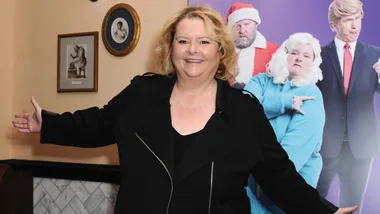
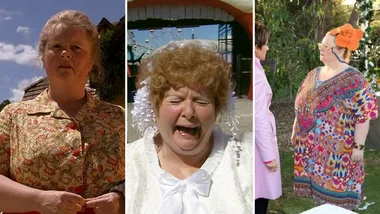
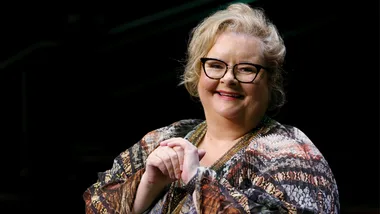
However, the book does not recount Magda’s experience with cancer. Why?
“Too soon,” she says. “Just too soon. I’m really still processing it.” And she does a little more of that today.
When she first received her cancer diagnosis, Magda gathered a few close friends, and they drank champagne.
“It was probably a bizarre response, probably not what most people do. I was in shock, I think, for the first two weeks,” she says.
Magda sheared her hair back, almost to the scalp, in preparation for chemotherapy and posted on social media – poignant and funny, as always: “… For now, just know I’m in good hands, good spirit – but I reserve my yuman [sic] right to be a cranky old moll. Love you all, Mags.”
Then, she underwent something called the Nordic protocol – a tough treatment regimen that combines intense doses of chemotherapy with immunotherapy. “Initially, I was quite scared of the treatment,” she admits, “because it’s known to be very intense and, to be honest, I’m a bit of a physical coward.” The side effects were awful. First the treatment, then the maintenance protocol, played havoc with her immune system.
“I’d wake up with blood on the pillow; it affected my guts very badly, and I also had some pretty bad bone pain,” she explains. “But honestly, I was just so relieved once I was diagnosed and I knew there was a treatment path. The message I want to give to people is that it’s doable. You know, it’s hard, it’s not pleasant, but it’s doable.” And most crucially, it has given her a second chance at life.
“We are blessed in this country. Boy, are we blessed,” she says. “We’ve got the best in the world. So, I had complete faith in my medical people. Everyone has their own way of doing it, but I just surrendered.” Because she’s Magda, she also looked for the positives, and they were never far away.
She runs a hand through her pixie cut and begins to list them. Her “girly swot” side took a deep dive into the medical research. “I’ve always loved that stuff. And my sense of humour helped. A sense of humour, to me, is the thing that gives you courage. It’s enormously powerful.
“And my family and friends were just so gorgeous.” An inner circle of very dear friends stayed with Magda overnight, cooked meals for her and drove her to appointments.
Then, there was the outpouring of love and support from around Australia. There is an enormous public affection for Magda, sparked not only by her trailblazing comic performances (Big Girl’s Blouse, Fast Forward, Kath & Kim) and her unforgettable film roles (Babe I and II, Happy Feet, The Golden Compass), but by her generosity and her willingness to be her whole, unedited self, as witnessed in 2019 when she brought Australians along with her in the marriage equality debate. That year, she was made an Officer of the Order of Australia.
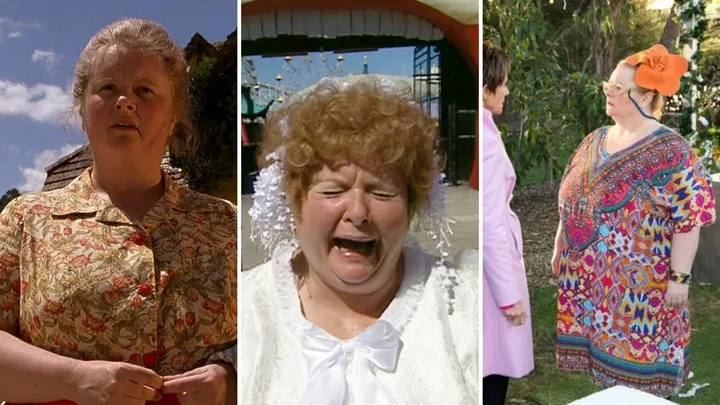
The place she holds in our hearts “means a huge amount to me. It really does,” she says today, her voice a little shaky.
“As I get older, it means more and more … Honestly, when I made the cancer announcement, the response – I was blown away by it. It really was like a tsunami of love. When I was diagnosed, first of all, I went into shock, but then the second thing was I just felt this love – the love of all my friends and my family and Australia and the world.” There were, she says, many times when she had reached a very low ebb and, out of the blue, a message from someone she’d never met in her life would lift her up. She will never forget 10-year-old Annabel Willis, who paid tribute to Magda’s iconic Kath & Kim character, Sharon Strzelecki, at last year’s Children’s Book Week.
“I felt so unwell at that time,” she says. “Then I saw the video of Annabel, and it took me out of myself. It was such a beautiful thing, and I’m very grateful for it.”
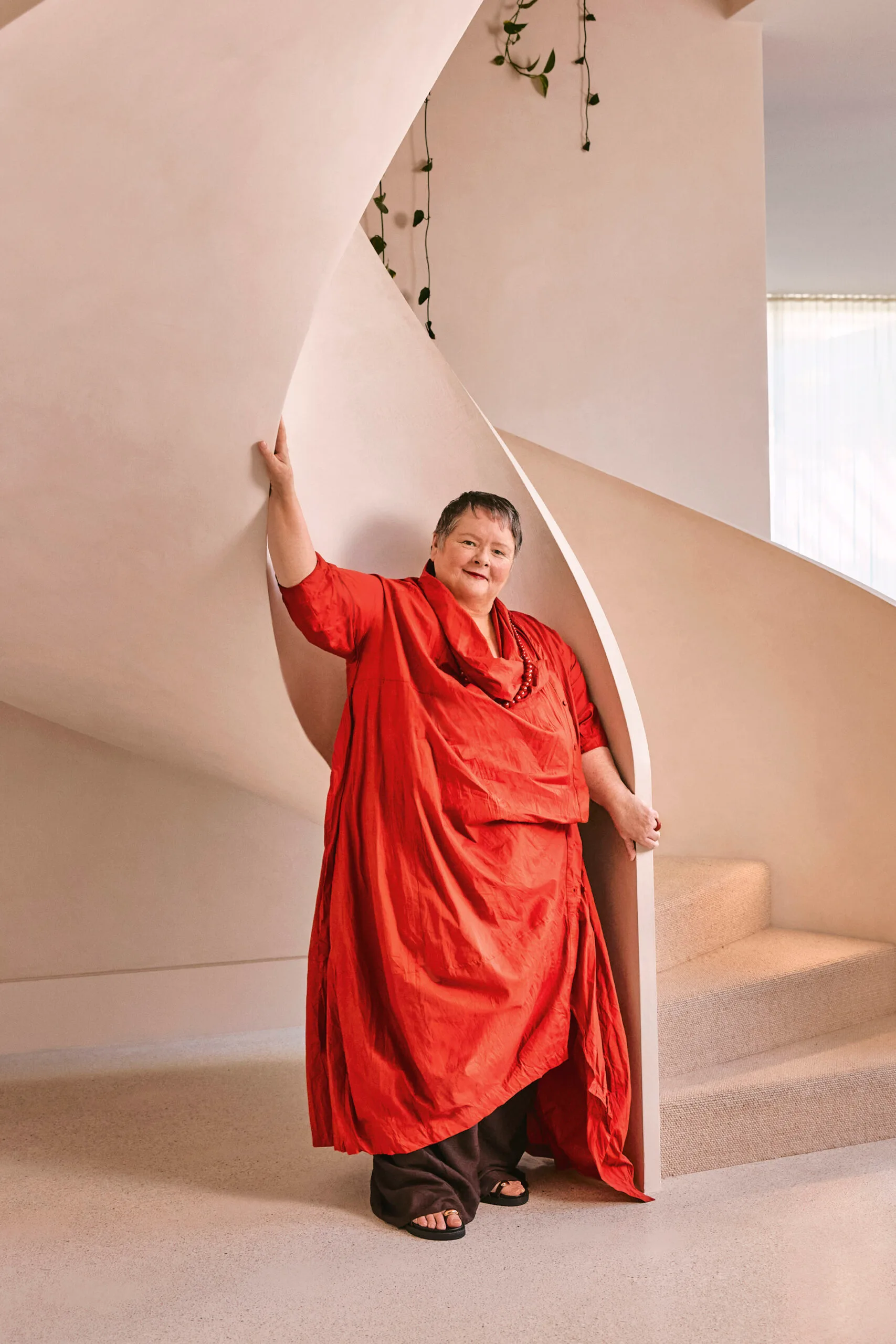
The tributes flowed at Sydney’s Gay and Lesbian Mardi Gras, at the TV WEEK Logie Awards, and she remembers a crew of miners in Tasmania sending their best wishes. “I just f**king loved that,” she laughs. “You know, these blokey blokes down a mine, asking after my welfare. I was so touched by that. Then, I was out in town one day, and this tradie guy stops and goes, ‘Magda, you all right?’ I go, ‘Yeah, yeah.’ He goes, ‘All right, good then,’ and moves on. He just wanted to check, you know.
“I love the way Aussies do that. I just love the no-bulls**t, down-to-earth of it. It’s one of the reasons I’m glad I never made the move to America. When the going gets tough, you want real ridgy-didge bloody Aussies. I’m very grateful to the Australian public. God, I love ’em.”
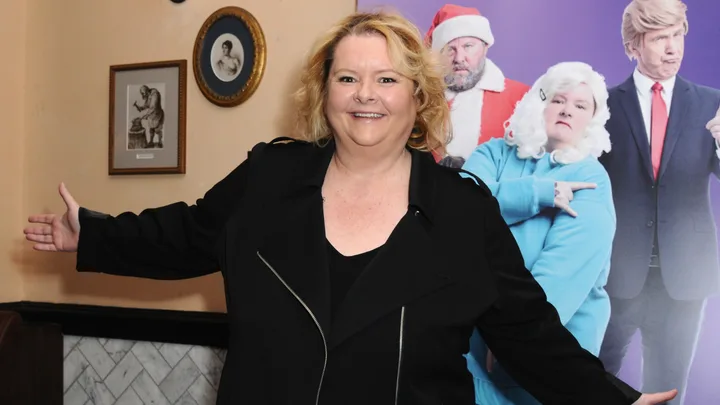
There is no sugar-coating it, I Can’t Tell You But I Will is an immense book – and not just for its 471 pages. It is a hugely powerful, acutely honest, engrossing but not always comfortable read.
Where Reckoning unpacked Magda’s father’s role in the Polish resistance and the impact that had on him and his family thereafter, this book grapples with the history of courage and trauma that is woven through her female line.
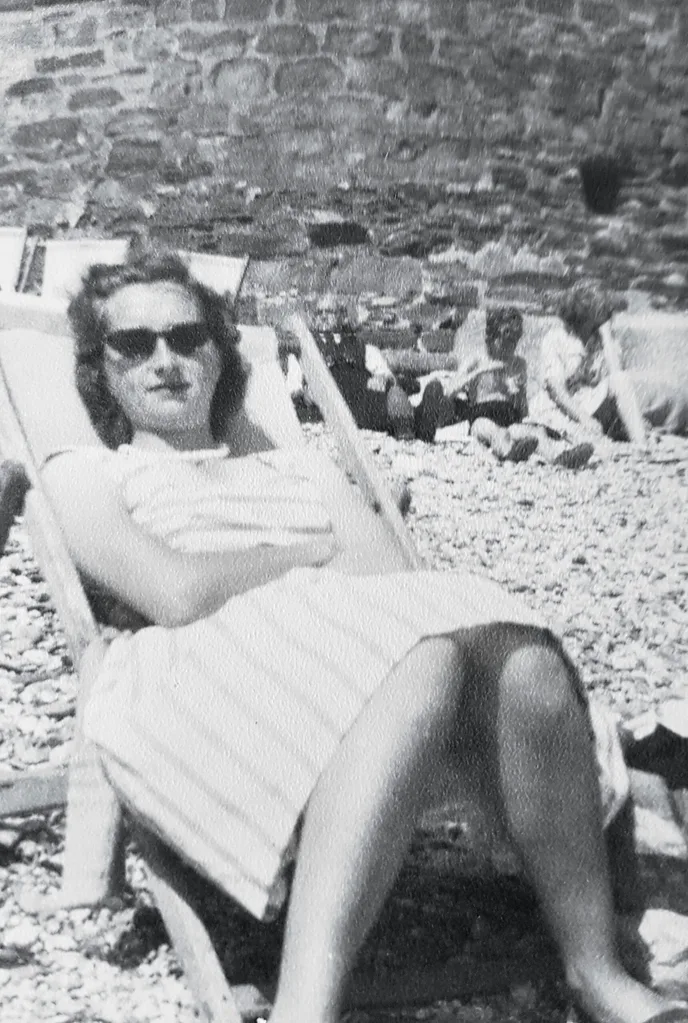
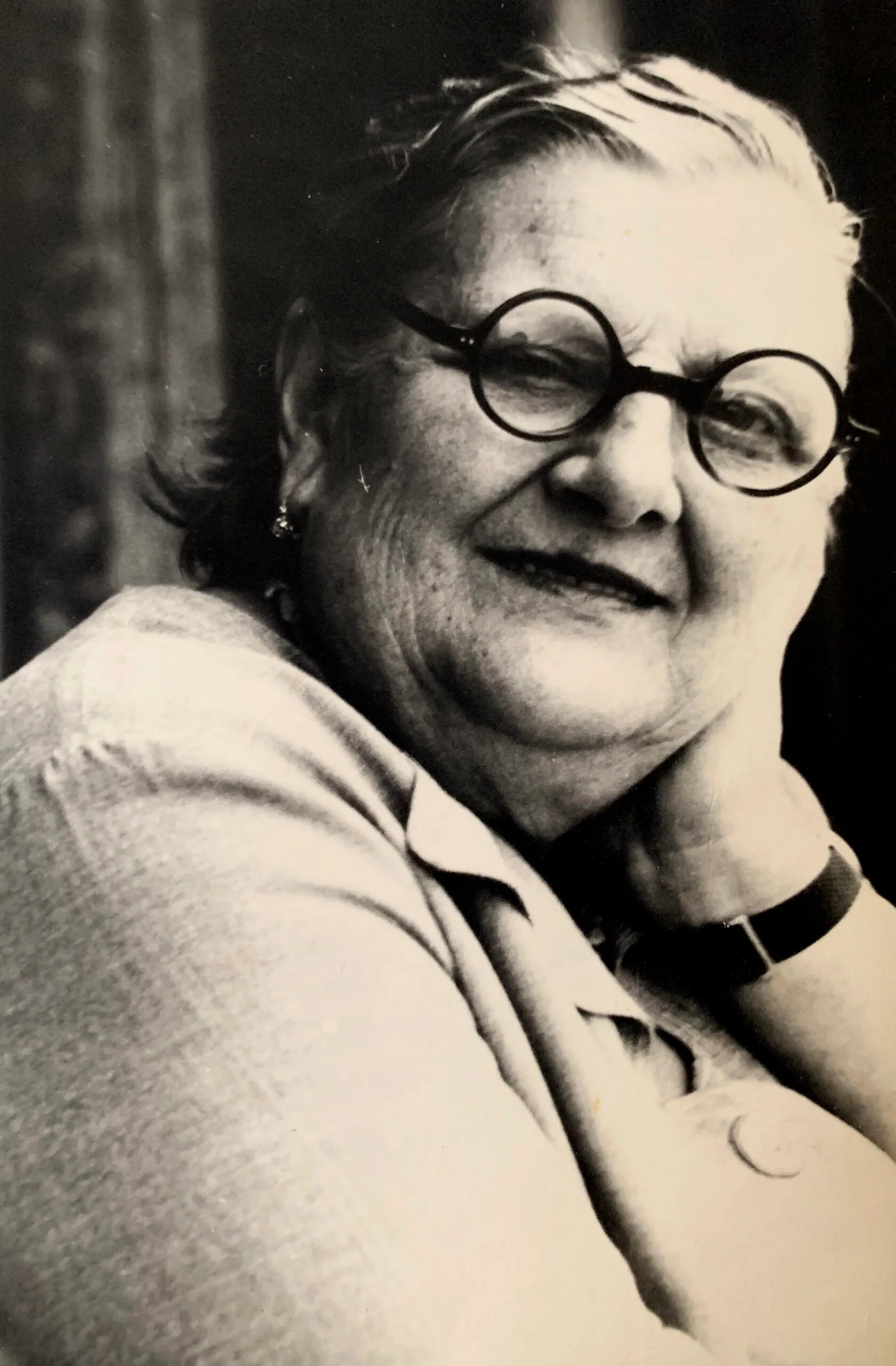
In 1944, her grandmother Jadwega – to whom Magda is often compared – was evicted from her Warsaw home, where she had been sheltering a Jewish child, and “shoved onto a cattle truck by the Gestapo”. It was a 20-day journey to Kraków. She slept with a folded Polish flag beneath her head and a pistol in her pocket. Magda’s aunt Danuta was also on that cattle train, heavily pregnant. She gave birth on the journey and almost lost her life. The book also recounts experiences of rape and abuse.
Magda became aware – only after her death – that her mother, Margaret, was raped when she was just eight years old by a gang of older boys.
“What happened to my mother was full on, you know, and explains a great deal,” she tells The Weekly. “She suffered a deep trauma, but it was a different generation. There was no therapy, there was no context, there were no words for a lot of it, and the shame must have been terrible.”
For the first time, Magda also recounts her own abuse as a child. “What happened to me was different,” she insists – “kids of a similar age playing together.” But it was not a fun game. Magda was first abused at just four years old, and again at seven, this time by an older girl making sexual advances. When she was 10, Magda repeated that behaviour with another girl, for which, she says, she felt deeply ashamed.
This is new ground for Magda, and she chooses her words carefully as she adds: “I just want to stress that these were also children, and I’ve got no beef with them at all.” She shares these experiences, she says, in the hope that her openness will help others.
Since her public coming out on Valentine’s Day, 2012, Magda has had nothing to hide, and she hopes to continue living that way. “I think, as you get older,” she says, “you do become much more yourself. There’s no stopping it. And certainly, post-coming out and marriage equality, I just feel generally more open.
“I know it’s a tough book. It was a tough book to write … Whether people can come along with this, I don’t know. But I thought to be just really bloody honest and show the beauty and the brutality of it [both life and death]. I think a lot of people might find that a relief. I hope so.
“I started writing the book quite a while before I got the cancer, but then I was continuing to write it through cancer and chemo. I was writing about my mum dying, and my caring for her. That extreme emotional labour that mostly women do, and we want to do it, but it can be really tough. Then, as I wrote, I became the one who was facing my own mortality and needing to be cared for.”
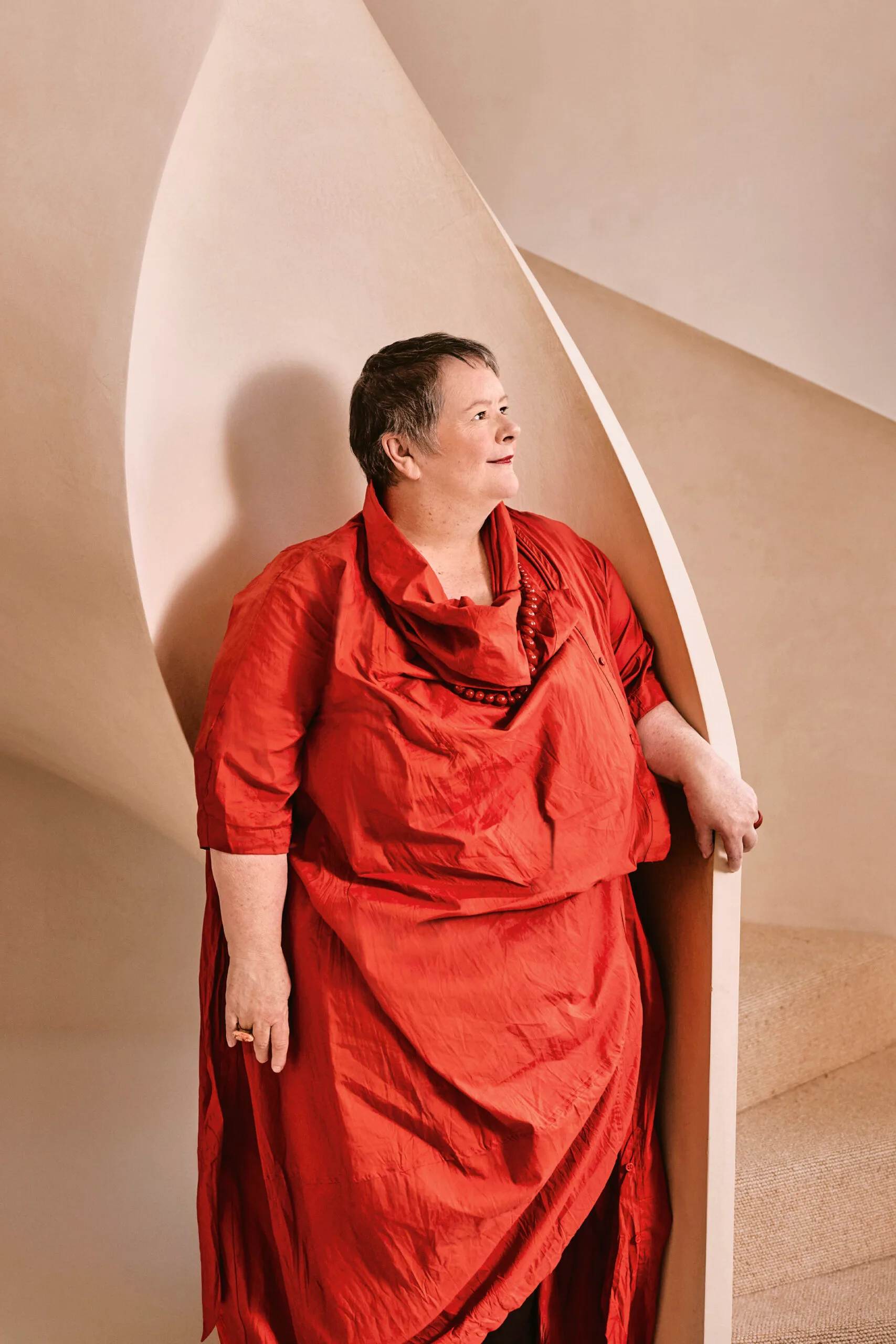
As she says, there is beauty in the book, and particularly in the love and humour between Magda and her mother in those final months of her life. “I hope that comes through,” she says. “My mum was all of it, and I wanted the book to be all of it. To not put a veneer on it, not bulls**t.
“I think you honour people by being honest in that way. You do them justice. With Mum, I wanted to give as complete a portrait as I had with Dad.”
For all Magda’s life, her mother had been, by turns, cruel, supportive, disparaging and loving. Despite the roller-coaster, Magda writes: “I have set myself one simple task: my mother will die knowing that she is loved absolutely and unconditionally. That much I can do.”
Margaret didn’t always make it easy, but Magda believes she did feel her daughter’s love “because I made a point of telling her all the time. We argued almost right until the end, but then came the moment when she said to me, ‘I’m very proud of you’ … After all that, she said it and she meant it. It was an extraordinary moment, and we both knew it. And I just went, ‘I love you, Mum.’”
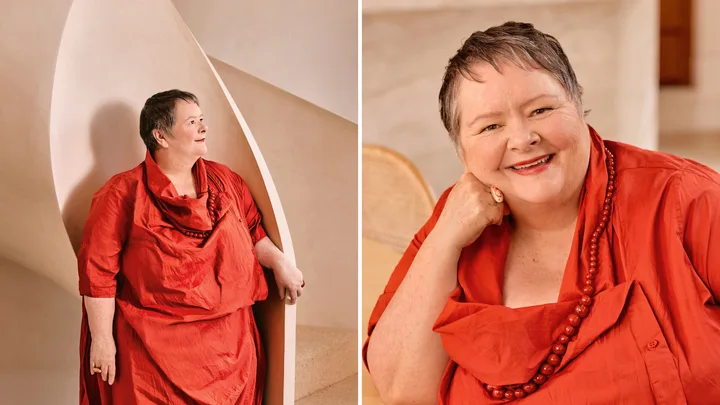
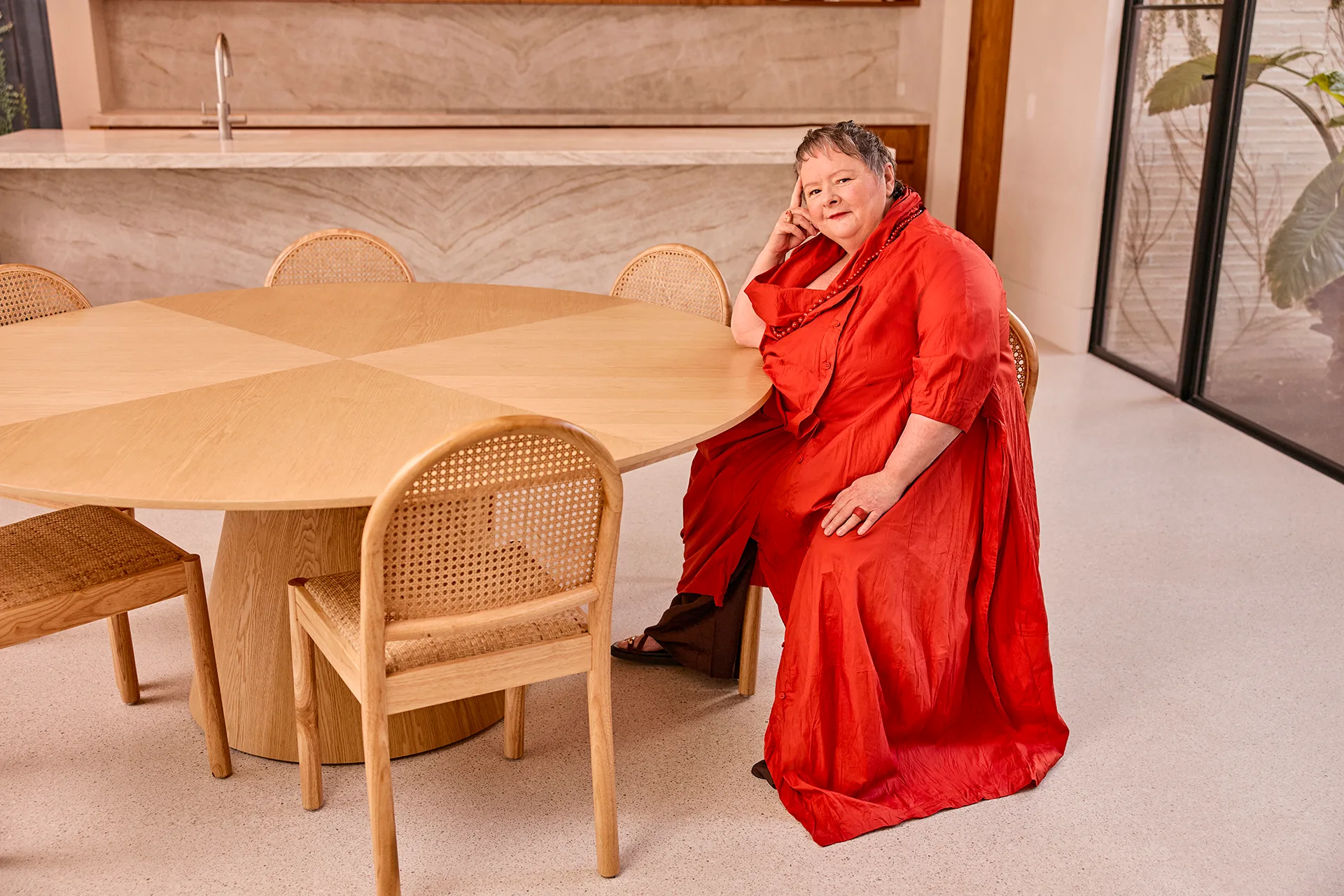
The day The Weekly team visits, Magda looks as though she is lit up from inside. The house is warmed by her laughter as she enjoys the chance, once again, to perform for a camera. She slips into a deep terracotta dress and could be a particularly huggable swami. She is partial to a bit of Vedic chanting. Since lapsing in the Catholic faith and leaving behind that sense of ritual – “the smells and bells” – which she loved, she has explored other spiritual paths, but hasn’t settled on one.
“I do have a very strong spiritual sense,” she says, “and with the cancer, I feel it’s become stronger.”
She is optimistic about the future.
“Hopeful until proven otherwise,” she laughs. Hope, she believes, is another quality she inherited from her Polish grandmother.
Medically, Magda explains, “the prognosis is uncertain and complicated”. The median survival time for this form of cancer is 8.5 years, but the numbers at either end can vary wildly, and her remission is a solid one.
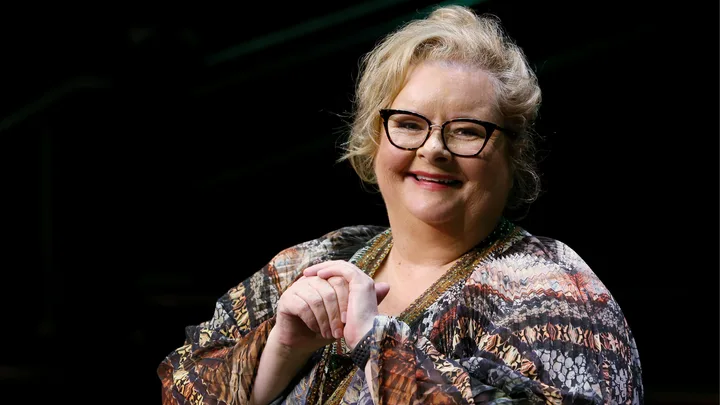
“I’m just enjoying whatever I can,” she says. “The post-chemo thing can be hard. Your whole body’s got to regenerate … That’s one thing I have to remind myself of: just allow yourself to recuperate. I’m getting better and stronger, but it will take a while.
“I just have to let that be the case, and enjoy every moment when I’m feeling well … I might never come back to full strength, but I feel my spirit’s very strong. I can feel that in myself.”
There are some professional opportunities on the horizon, which are not yet quite ready to be unveiled. And her personal goal hasn’t changed in a while. “I just want to meet Meryl Streep,” she chuckles. “That’s all.” Readers, if you know Meryl, please pass this on.
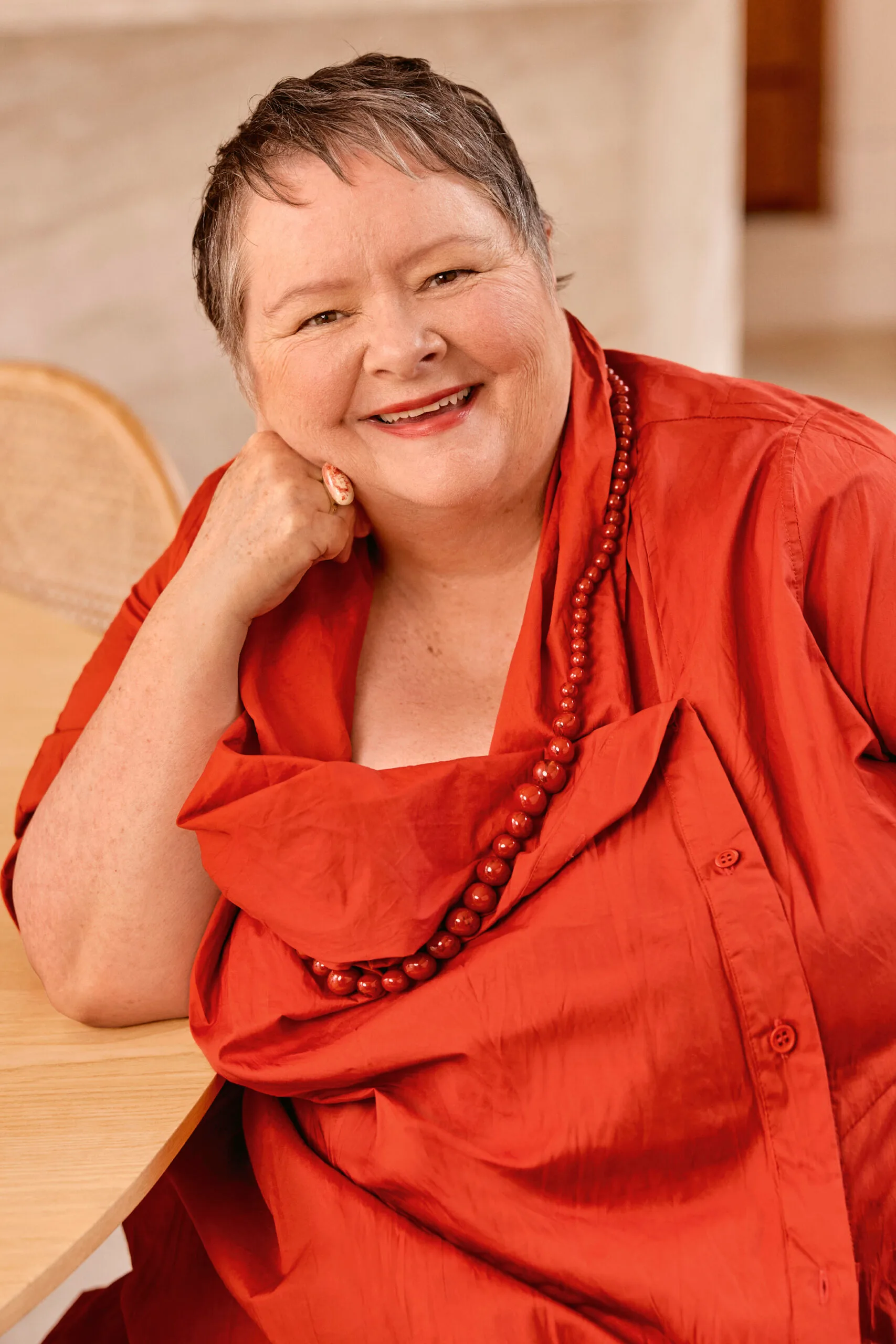
In I Can’t Tell You But I Will, Magda describes herself as a romantic. Having campaigned so hard for the opportunity, can she imagine herself falling in love, getting married, the whole deal? Magda takes a deep breath, then smiles – one of those warm-hearted, crinkly-eyed smiles of hers.
“I’d like to,” she says. “I don’t know if I’m capable of it, especially as I get older. I’m like, ‘Oh, you’re a bit grumpier now.’ But I think it’s an absolutely beautiful thing, because when people find one another, and they really love one another, it’s rare. It’s harder than people imagine, and I think it should be celebrated. If that happened for me, I’d be thrilled.
“But I also feel surrounded by love. I don’t feel like I’m missing out. I would say that’s something that’s very strong for me now, and the cancer made that very clear. I’m so grateful for the love in my life, and that means family, friends, the public. Really, that’s the only thing that matters, and it was just unequivocal and overwhelming when I was diagnosed.
“The love I felt and then the love that came back – it was so clear that is the only thing.”
I Can’t Tell You But I Will by Magda Szubanski, Text Publishing, is available now.
If this story causes you distress, help is available at Lifeline 13 11 14. You can also chat online at lifeline.org.au. More support services can be found here.
The feature originally appeared in the November issue of The Australian Women’s Weekly. Subscribe so you never miss an issue.

