




By the time we reach our 40s, we’ve become experts at looking after everyone else. We know when the kids are due for the dentist, whether our parents need a lift to an appointment, what’s for dinner tonight and who needs to be where by 5pm. Our own health? That can wait until things settle down. Except they rarely do.
But midlife is exactly the stage of life when looking after ourselves needs to move higher up the list.
“The preventative health practices you put into place in your 40s and 50s really do determine what your ageing process looks like,” says Dr Melanie Hemsley, a GP at Jean Hailes for Women’s Health, Australia’s leading women’s health organisation.
“They are a huge determinant of how vital and how well you are in your 70s, 80s and 90s.”
1. Keep up with your health checks
“Don’t wait to feel unwell to see your doctor,” Dr Hemsley advises. Many health conditions can develop without obvious symptoms. “There’s still a misconception that if you feel fine, you are fine. Things like high blood pressure may not give any symptoms at all, so having regular checks with your GP is really important.”
Regular screening and health checks can help identify problems early, even when you feel well. “Prevention is all about getting in there before there’s a problem. Once there’s established disease, it’s much harder to bring things back. Then we’re treating rather than preventing,” she explains.
A check-up is also a chance to look at your health more broadly. “Stay up to date with general health checks and use them as an opportunity to talk about what healthy ageing looks like, and the steps you can take to get there.”
Ask about a health assessment If you’re aged 45 to 49 and have a risk factor for chronic disease, ask your GP whether you’re eligible for a Medicare-subsidised health assessment. There’s also a dedicated health assessment for women experiencing symptoms of perimenopause or menopause.
2. Don’t dismiss changes
Not every change in midlife is an inevitable part of ageing.
“Women start to tolerate things like incontinence,” Dr Hemsley notes. Persistent joint pain and other changes to pelvic floor or bladder function are often brushed off too. But if something is affecting your comfort, confidence or daily life, don’t simply write it off as menopause or ageing. Treatment or support may be available.
Emotional wellbeing is also commonly overlooked, even though midlife can be a particularly vulnerable time for women. “It is a time of transition,” Dr Hemsley points out. “Women can feel a real loss of sense of self. Their bodies and roles might be changing, and children might leave home.
“If you’re feeling really flat, it’s hard to eat well, it’s hard to exercise, and we know those things are crucial in terms of long-term wellbeing and longevity.”
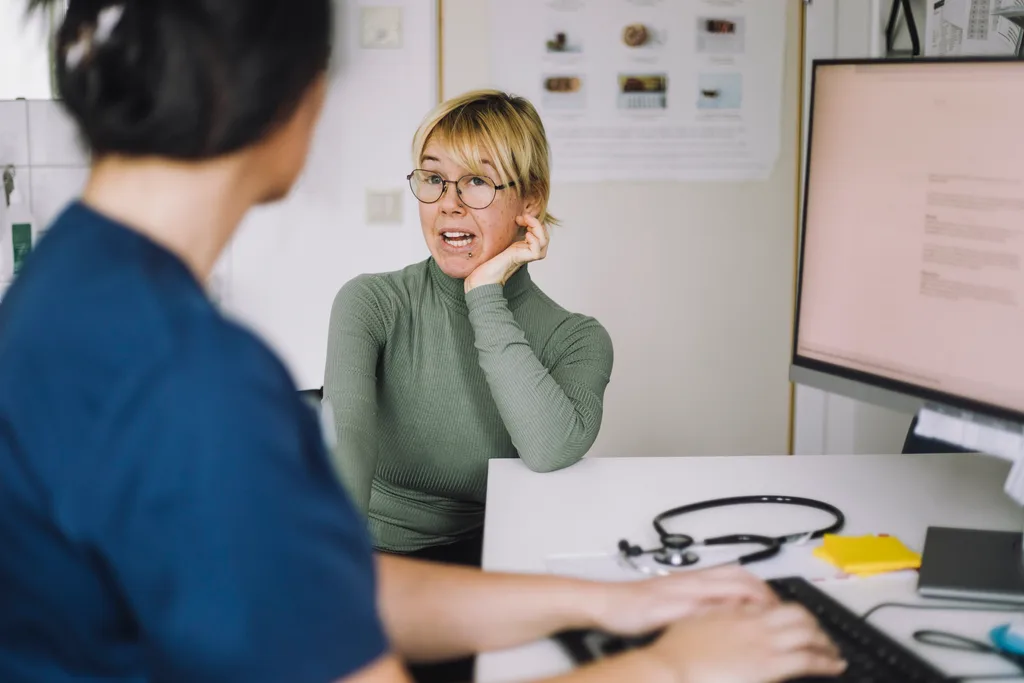
It’s important to discuss any changes in your mood, sleep or relationships with your GP.



3. Rethink what healthy looks like
For years, women have measured their health by the number on the scales. “I often tell women if they’re aiming for thin in mid to late life, that equals frail,” Dr Hemsley says. “That isn’t what we want. We’re aiming for strong.”
That doesn’t mean you have to start lifting heavy weights or exercising like you did in your 20s. “One of the traps for women is thinking exercise has to mean going to the gym four days a week. That’s not what we’re talking about.”
Australian Government guidelines recommend at least 30 minutes of moderate- to vigorous-intensity activity most days, as well as muscle-strengthening activities two or more days each week. Weights, resistance bands and body-weight exercises help build strength, while dog walking, gardening and taking the stairs all add movement to your day.
“It’s about small, actionable, consistent measures that over time build up and lead to very good health and wellbeing,” Dr Hemsley assures.
The same applies to food, and making sure your body gets the nourishment it needs. Dr Hemsley points to calcium- and iron-rich foods as particularly important. “The old view of the male having the steak and the woman having the salad needs to be gone.”
4. Start with one small step
“Trying to overhaul your whole life is unrealistic,” stresses Dr Hemsley. Instead, she encourages small, manageable changes that can lead to others.
So what’s one small thing you could do today? Book the check-up you’ve been putting off, take a walk after dinner, add a strength session to your week or head to bed half an hour earlier. “Let’s get you doing one thing that makes you feel a little better,” she says. “From there you might make another change, and when you’re sleeping better, you might have more energy for physical activity.
“We’re not aiming for perfect. We’re aiming for consistent, and something that suits you and where you’re at in life.”
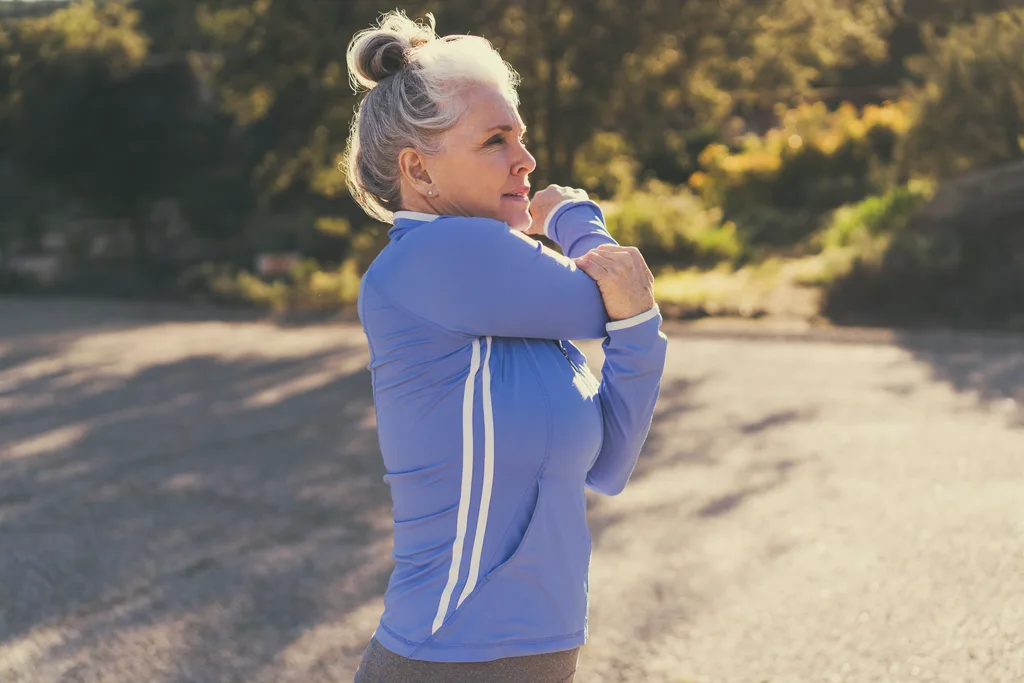
Dr Hemsley sees this stage of life as an opportunity, because women “have a lot of life to live beyond their 40s, 50s and 60s”.
It’s not too late but don’t keep pushing your health down the list. “Every modification is a meaningful one. Start where you are now.”
Your midlife health check
Ask your GP which checks are right for you, based on your age, symptoms, family history and individual risk factors. These may include:
- Breast screening
- Cervical screening
- Bowel screening
- Heart health, including blood pressure and cholesterol
- Diabetes risk
- Bone health and osteoporosis risk
- Skin cancer risk and skin checks
Questions to ask your GP:
- Which screenings or health checks am I due for?
- Based on my health and family history, what chronic diseases am I most at risk of – and what can I do now to reduce that risk?
- Are there any symptoms or changes I may be dismissing as part of getting older?


Share this post