




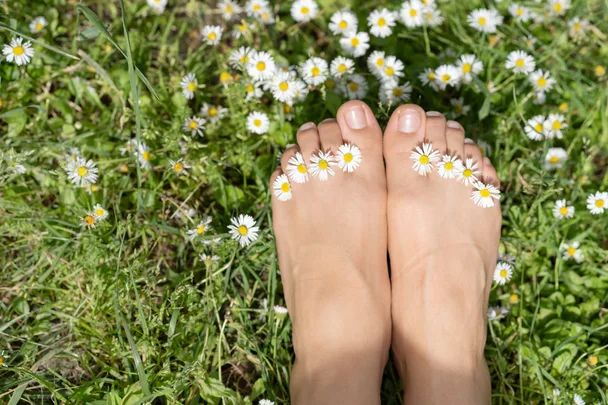
Our feet do a lot of heavy lifting, carrying us through busy days and getting us from point A to B. But they’re often overlooked – until something starts aching.
And while sore feet can be tempting to brush off, podiatrist and SynxBody founder Rachael Ferguson says “foot pain can be a sign to slow down and see where you may have been pushing your body too far”.
“Most women are wearing many hats, working multiple jobs and running a household and often their health is neglected until they quite literally can’t walk,” Rachael adds.
Here are the most common mistakes she sees women making.
Wearing shoes that don’t actually fit properly
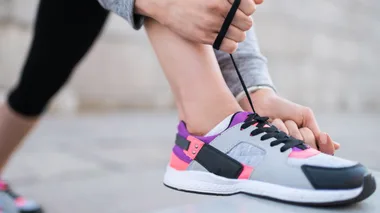
Many of us assume if our feet aren’t hurting, our shoes must be fine. But Rachael notes shoes that are too small – or even too big – create problems over time.
“You should always have around one centimetre between your longest toe and the end of the shoe,” she says.
Anything tighter can cause toes to scrunch up, potentially leading to “deformities, corns, lumps and bumps on joints”.
But bigger shoes aren’t better. “If shoes are too big, muscles have to work harder to stabilise the foot, which can lead to muscular pain,” she explains.
Holding onto shoes for too long
If you’re experiencing foot pain, it may be worth looking at the shoes themselves – even if they still appear to be in good condition.
“Just by changing shoes, you can significantly reduce the risk of foot pain,” Rachael says. “Often we don’t realise that our shoes need replacing even before they physically fall apart.”
She recommends looking for shoes with:
- a firm heel counter that doesn’t collapse when pressed
- flexibility through the toe box
- enough structure through the middle that it doesn’t bend in half
- laces, Velcro or another fastening to help hold the foot securely
Ignoring those little aches and pains
We’ve all done it – assumed sore feet will settle on their own and pushed through. But Rachael warns against waiting too long.
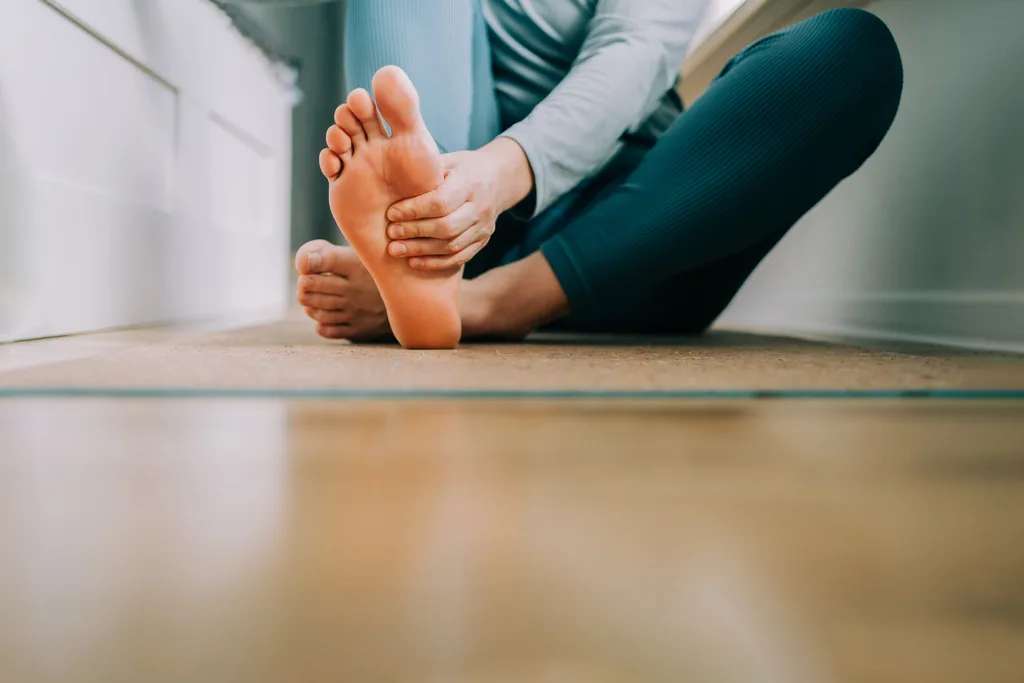
“If you experience pain in your feet or arch area, it’s important to act quickly because you can often resolve the issue before it becomes a long-lasting, debilitating condition.”
Putting up with dry, cracked heels
While dry, cracked heels are common, Rachael says they shouldn’t be ignored.
“A normal skin cycle is around 28 days,” she explains. “With ageing, hormones, hot weather and not wearing closed-in shoes, this cycle can be pushed out to 45 days, meaning more skin builds up than sheds off.”
That can leave heels dry, thickened and cracked.
The good news? “Using a heel balm containing urea and a callus tool can help remove hard skin and improve the condition of your feet.”
Padding around the house barefoot
“This is something many women do naturally without thinking,” Rachael notes.
But standing barefoot for long stretches while cooking or doing housework takes a toll on your feet. And if you’ve ever checked your step count after a day at home, you’ll know how quickly those steps add up.
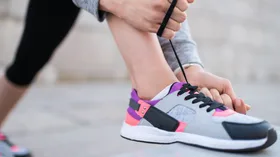
“Simply wearing sneakers with support when doing housework and cooking will make a world of difference to the impact placed on the feet and reduce aches and pain,” she advises.
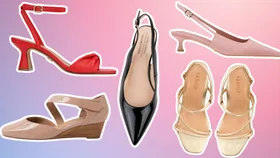
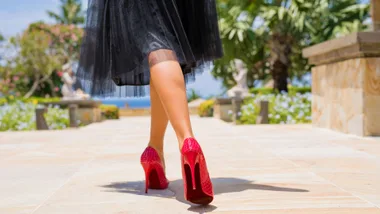
Wearing heels more than you need to
No, you don’t need to throw out your favourite heels.
“While it can be fun to wear nice heels from time to time, it’s important to reduce the amount of time spent in them,” Rachael says.
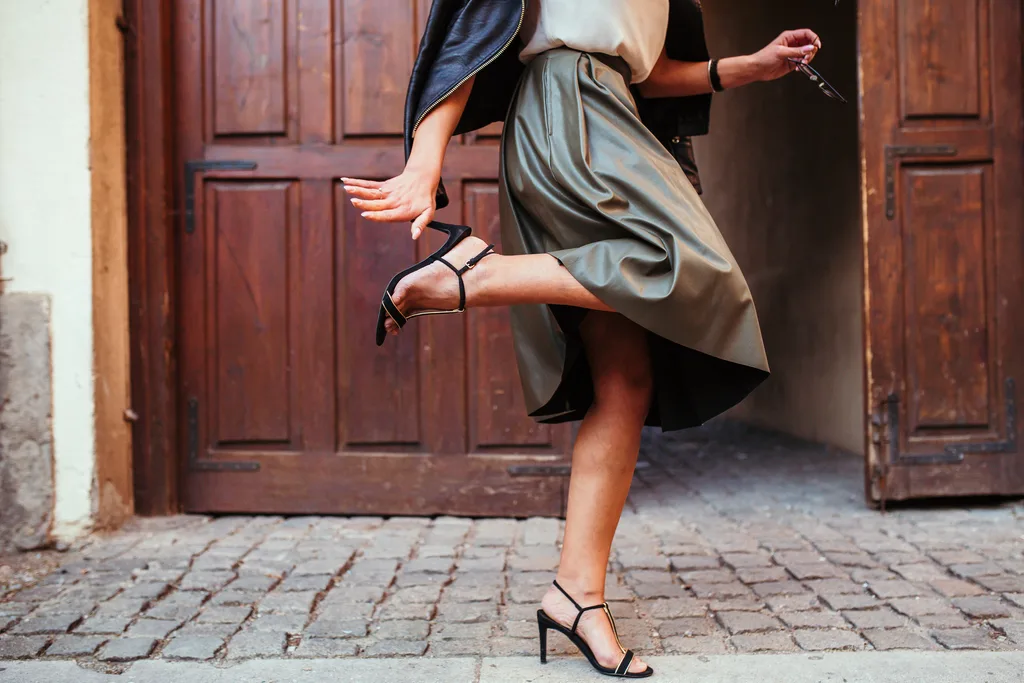
That’s because high heels increase pressure through the balls of the feet and can also affect other joints, including the spine.
If you wear heels regularly, she suggests looking for styles under 2.5 centimetres or wider-based heels for extra stability.
She recommends brands like Bared Footwear and Frankie4 which have a range of podiatrist-friendly heels that are stylish and supportive.
Her other tip? “Leave heels at the office and commute in flats,” she advises. “It can save you a lot of pain and discomfort later in life.”
Not realising your feet change over time
Your feet don’t stay the same throughout life. Pregnancy, hormonal changes and perimenopause can affect the way they feel and move.
“We can also go up a whole shoe size, and our arch may drop during pregnancy,” Rachael says. “Sometimes these changes don’t revert after pregnancy.”
During perimenopause, Rachael explains that the “hormone shifts in progesterone and estrogen can cause tissue and ligaments to thin, stretch and change shape, which can also lead to increased pain and change in the shape of the foot.”

